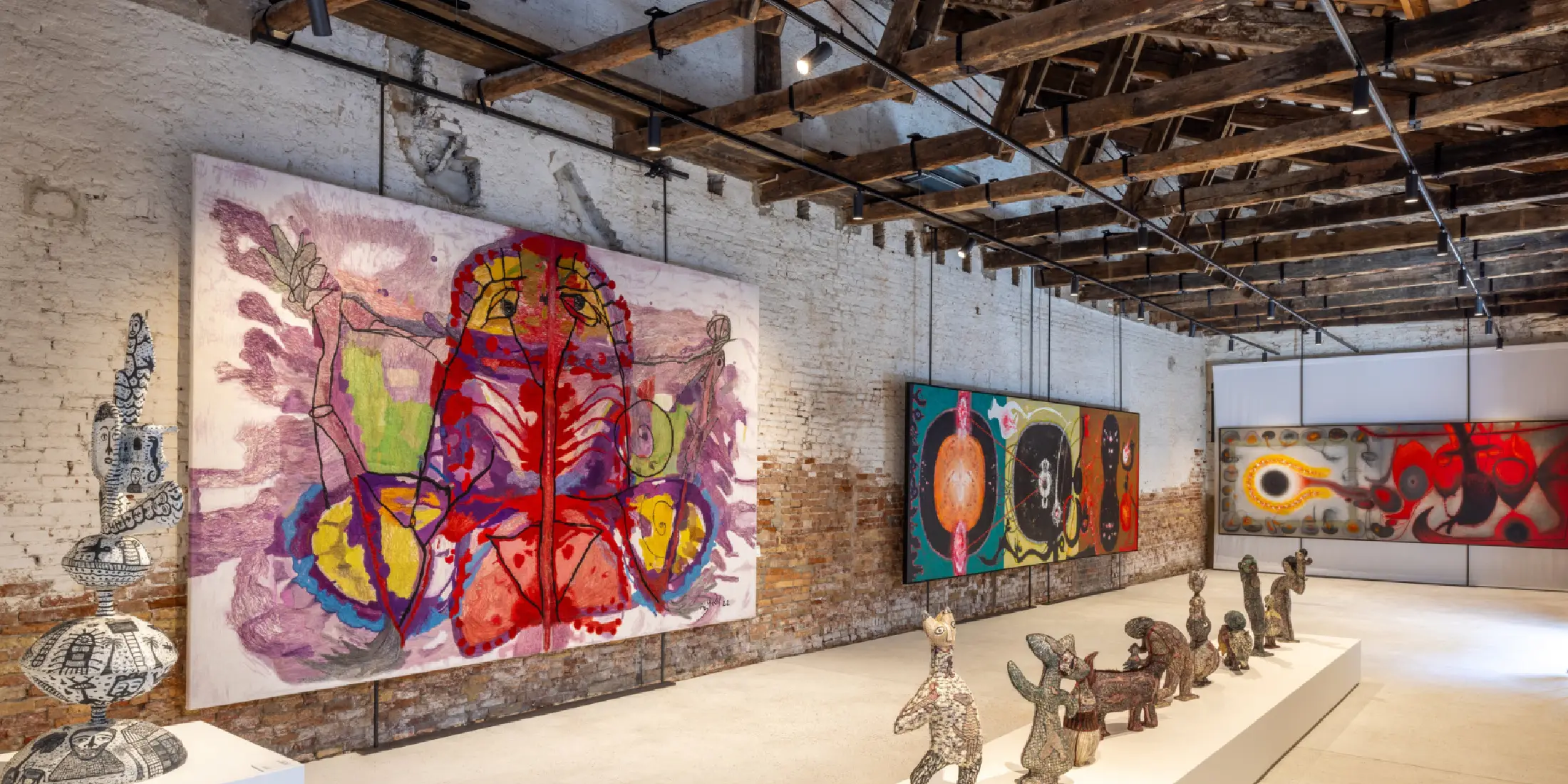
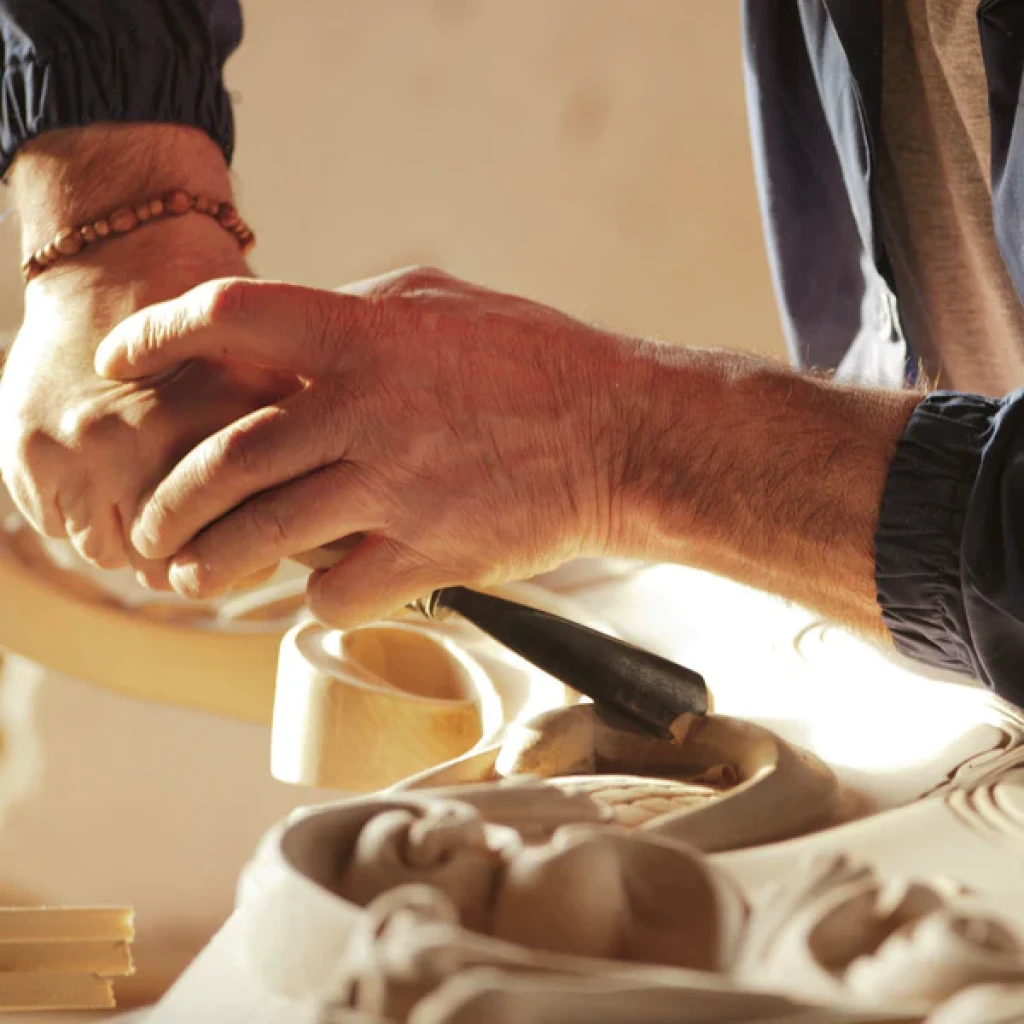
Handmade Traditions represent the true soul of global cultural heritage. These ancestral practices serve as living links to our shared historical identity. From the intricate weaving techniques of the Mediterranean to the distinct ceramic arts of remote communities, these customs carry priceless stories. These unique narratives are passed down through generations. Today, a global journey through protected craft routes reveals how these ancient techniques find a new place in contemporary luxury design. However, as these customs gain international popularity, the need to protect the intellectual property of local artisans has become a matter of cultural survival. Therefore, establishing legal frameworks is now mandatory to protect these endangered creative routes.
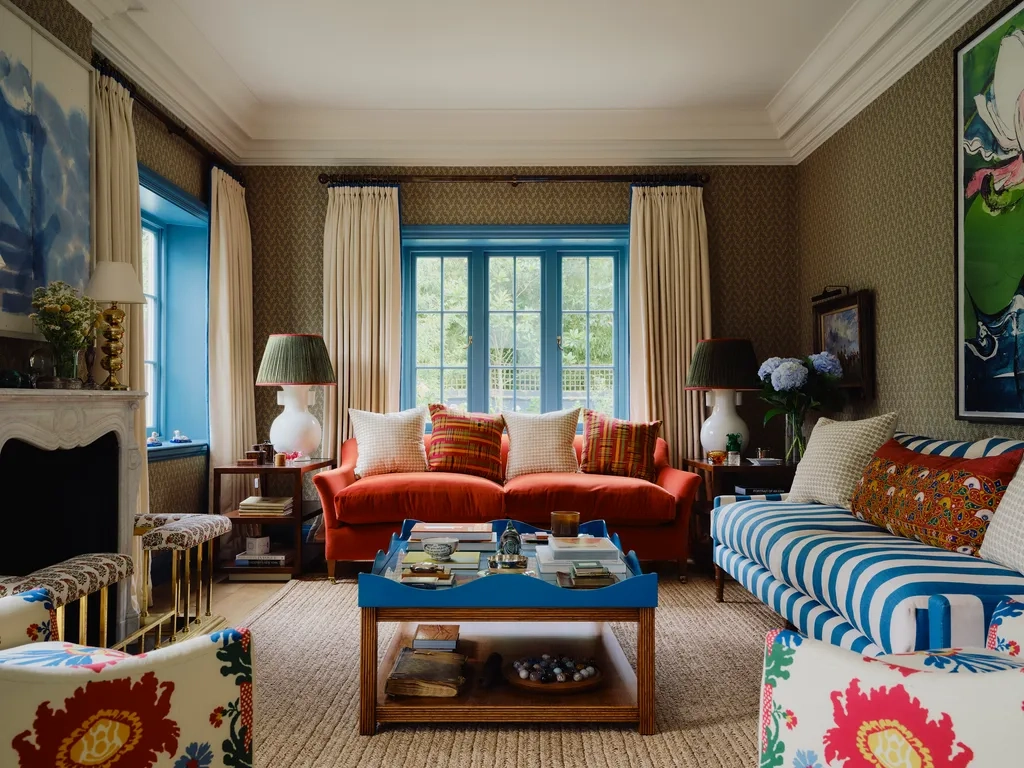
The Economic Value of Cultural Heritage
In the modern market, consumers are actively turning away from generic mass production. Instead, they look for products that offer a deep sense of soul and history. Handmade Traditions provide exactly this required authenticity. Consequently, they turn everyday design pieces into highly valued artistic assets. This major shift has significantly elevated the economic worth of regional craftsmanship. As a result, authentic craft is now a critical driver for local economies and sustainable tourism. Safeguarding the specific methods and visual languages of these communities ensures that the financial rewards of their heritage stay where they belong. For that reason, legal protection is an economic necessity.
Rising Threats of Exploitation and Plagiarism
However, as global design brands look for unique narratives to market their luxury lines, ancestral designs face severe exploitation. Large manufacturing companies frequently copy traditional patterns without permission. After that, they replicate them using cheap materials and sell them globally without giving credit to the original creators. This unfair practice devalues the financial standing of independent artisans. Moreover, it completely dilutes the cultural significance of the art itself. Without strict legal boundaries, these historic expressions remain highly vulnerable to the fast-design industry. Ultimately, plagiarism threatens to erase centuries of artistic evolution overnight.
Implementing Geographical Indications for Crafts
To combat this threat, the implementation of Geographical Indications for non-agricultural products has emerged as a powerful solution. Just as fine wines are legally protected based on their region of origin, Handmade Traditions benefit immensely from similar regional frameworks. This legal structure ensures that only artisans working within a designated birthplace can use the official collective trademark. Furthermore, they must use verified historical methods to qualify. This protective system provides a clear stamp of authenticity that mass producers cannot legally counterfeit. As a result, consumers can easily identify and support genuine cultural assets.

Empowering Artisans Through Intellectual Property
Providing local communities with direct access to intellectual property tools completely changes the commercial landscape. When an artisan group registers their unique weaving patterns, shapes, or technical modifications, they gain immense leverage. Consequently, they can negotiate commercial contracts from a position of absolute strength. This legal autonomy allows them to license their work to ethical brands on their own terms. Therefore, they can secure fair compensation and effectively prevent cultural misappropriation. Legal protection successfully transforms vulnerable heritage into a resilient, legally enforceable business asset for the community.
The Role of Design Fairs in Promoting Protected Routes
International design exhibitions are crucial platforms for introducing these protected craft routes to high-end global buyers. For instance, events like Milan Design Week allow artisans to connect directly with interior architects and global distributors. When curated properly, these events celebrate the legal security and certified origin of the pieces on display. They do not merely treat heritage as exotic decoration. Highlighting the legal protections behind Handmade Traditions at global fairs raises consumer awareness significantly. It builds a marketplace that actively respects and rewards original authorship over cheap imitation.
Balancing Contemporary Innovation and Preservation
Integrating ancient techniques into modern luxury real estate requires a delicate balance between innovation and preservation. Designers must collaborate with local artisans as equal creative partners. In addition, they must respect the sacred rules and historical boundaries of the traditional craft. This collaborative approach allows Handmade Traditions to evolve naturally over time. Consequently, pieces adopt modern functionalities without losing their historical essence. When protected by clear copyright agreements, these hybrid design projects successfully introduce heritage to a brand-new generation of conscious buyers.

Sustaining the Slow Design Movement
The preservation of protected craft routes is deeply connected to the global rise of the “Slow Design” movement. This design philosophy champions environmental sustainability, exceptional quality, and human history. By investing in products made through time-honored practices, consumers actively reject the disposable nature of mass-market consumerism. This conscious choice helps reduce industrial waste. Furthermore, it promotes a healthier, more respectful relationship with our living spaces. Legal protections guarantee that this slow, intentional way of creating things remains a viable career path for future generations.
Conclusion: Safeguarding the Future of Global Identity
In conclusion, taking a global journey through protected craft routes proves that preserving our creative past is essential for building a meaningful future. When intellectual property laws and collective trademarks protect Handmade Traditions, they secure the economic survival of local artisans. Concurrently, they maintain the true authenticity of global design. Prioritizing legal safety allows the luxury design industry to celebrate diverse cultures ethically and with absolute confidence. Ultimately, defending the rights of the maker ensures that the world’s rich artistic history will continue to inspire us for centuries to come.