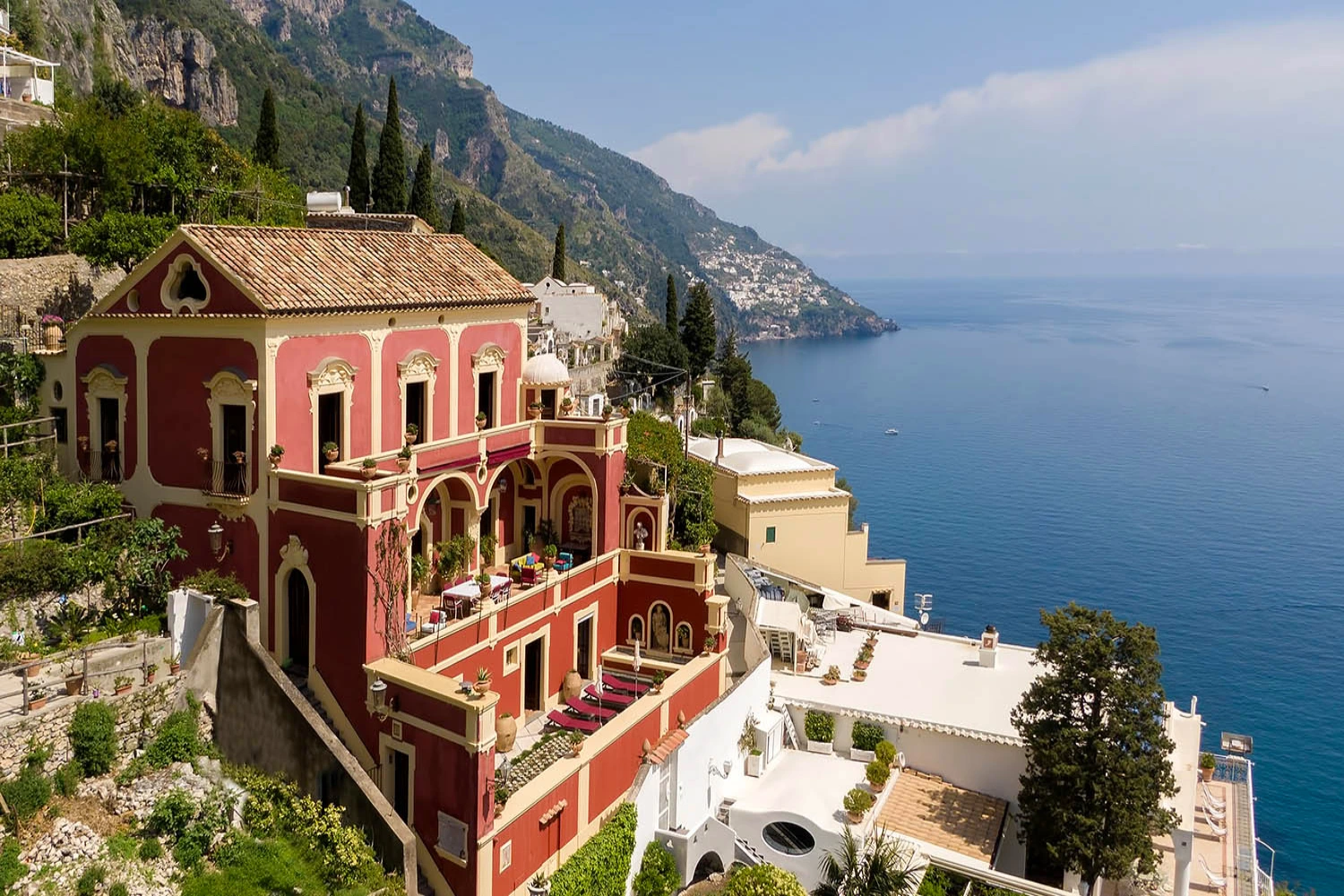
Nestled between the azure embrace of the Tyrrhenian Sea and the rugged limestone cliffs of Southern Italy, the Amalfi Coast has long captivated the world’s elite discerning both beauty and substance. Its unique synthesis of landscape, history, and artistry has forged an architectural identity that resonates far beyond Italian shores. In contemporary design, Amalfi Coast homes and Italian seaside villas have become enduring emblems of the Mediterranean style, influencing the global lexicon of leisure architecture with an effortless sense of sophistication. This article dissects the defining features, legacy, and pervasive cultural influence of Amalfi’s architecture of leisure, a subject of profound relevance for architects, luxury real estate professionals, and aficionados of refined living.
The Amalfi Coast: A Geographic Muse for Leisure Architecture
- Dramatic Topography: The coastline’s precipitous terrain requires ingeniously terraced structures, where homes appear effortlessly etched into mountainsides.
- Panoramic Vistas: Architectural plans are meticulously orchestrated to maximize sea views, fostering seamless indoor-outdoor transitions and open sight lines that celebrate the horizon.
- Microclimate Sensitivity: Natural ventilation, thick masonry walls, and deep loggias offer respite from the Mediterranean sun, indicative of a design tradition harmonized with local climate.
The resultant Amalfi Coast homes do not merely respond to their surroundings, they are co-authors in a landscape narrative, where nature and architecture achieve symphonic balance.
The Evolution and Heritage of Mediterranean Style
The Mediterranean style epitomized along the Amalfi Coast is far more than surface ornament; it is an authentic, centuries-old design ethos rooted in context, craftsmanship, and convivial living. This heritage is defined by:
- Whitewashed Walls: Reflecting sunlight and enhancing the interplay of light and shadow, these walls evoke both simplicity and purity.
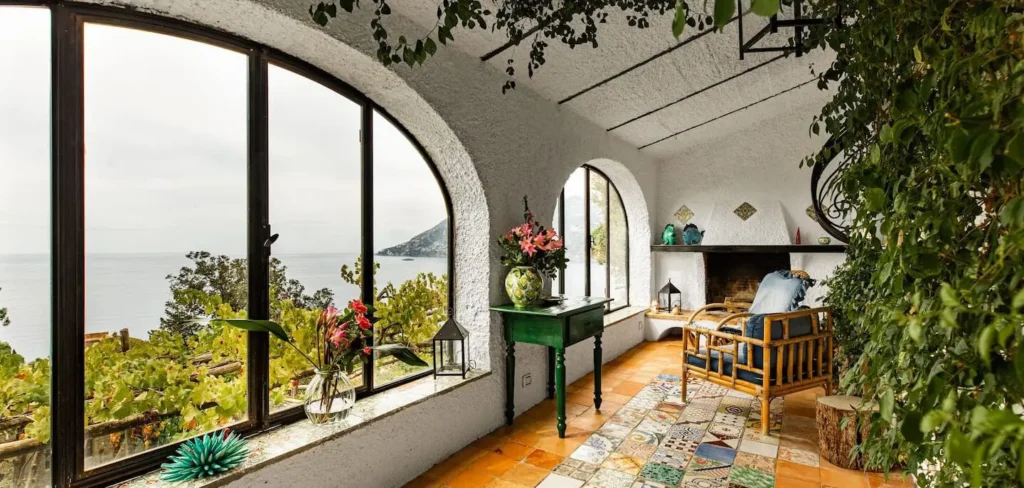
- Mosaic Tiles & Majolica: A tradition of vivid, hand-painted ceramics floors and surfaces imbue homes with regional identity and artisanal finesse.
- Vaulted Ceilings & Arches: Generous, curving volumes create spatial drama and a cooling effect during sultry summers.
- Lush, Layered Gardens: Outdoor areas cascade with bougainvillea and citrus, creating a fragrant, immersive experience that blurs boundaries between architecture and environment.
From Ravello’s aristocratic palazzi to Positano’s cliff-hugging abodes, Italian seaside villas integrate these elements, reinterpreted for contemporary sensibilities yet always anchored in a leisurely, sun-drenched lifestyle.
Principles That Define Amalfi Coast Homes
1. Seamless Indoor-Outdoor Living
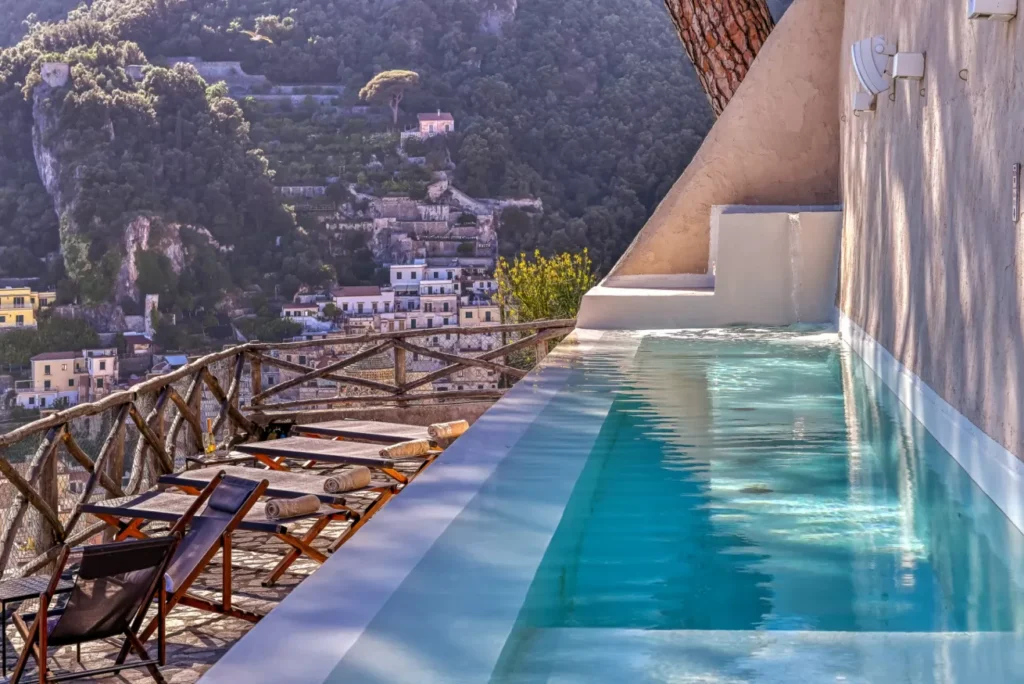
At the heart of Amalfi Coast architecture is an unwavering devotion to the outdoors. Expansive terraces and porticos encourage alfresco dining and contemplation, transforming every room into a threshold onto the Mediterranean’s shifting blues. Sliding glass doors, colonnaded arcades, and infinity pools merge the built with the natural, a paradigm that luxury real estate continues to emulate worldwide.
2. Material Authenticity and Regional Craft
Enduring elegance is achieved not through ostentation but through carefully selected, local materials. Volcanic stone, terracotta, hand-drawn plaster, and timber beams are hallmarks of Mediterranean style. Artisanship is paramount: every balustrade, window frame, and colored tile tells a regional story, ensuring that even the most contemporary Amalfi Coast homes embody an artisanal soul.
3. Light as an Architectural Medium
Light is deftly curated, bouncing over white walls, filtered through pergolas, shimmering on hand-glazed ceramics. Both direct sun and dappled shade are harnessed for visual comfort, rhythm, and atmosphere. This technique enlivens interiors and courtyards, bestowing each space with vibrant, dynamic energy.
4. Layered Luxury and Comfort
Authentic luxury on the Amalfi Coast is both tactile and understated. Plush textiles, antique furnishings, and bespoke details coalesce in an aesthetic that values comfort as much as beauty, evoking an emotional response anchored in place and memory. In this environment, leisure is not a trend but a cultural inheritance.
The Global Influence of Italian Seaside Villas
The DNA of Italian seaside villas infuses residential architecture from the Côte d’Azur to Malibu, shaping a universal aspiration for homes that celebrate both escape and belonging. Leading architects and interior designers draw inspiration from Amalfi’s:
- Spatial Fluidity: Open-plan living, panoramic glazing, and organic circulation patterns cater to evolving lifestyles where work, rest, and play coexist.
- Sustainable Strategies: Passive cooling, native landscaping, and locally sourced building materials anticipate the future of eco-luxury design.
- Personalized Artistry: Commissioned mosaics, hand-forged ironwork, and unique finishes offer a bespoke experience, synonymous with exclusivity and authenticity.
Amalfi Coast Homes: Design Insights for Architects and Developers
Visionary Contextualism
A salient lesson from Amalfi Coast homes is the imperative to design in dialogue with site. Topography is not a constraint but a canvas, and contemporary projects continue to cherish this ethos, geological features become focal points rather than obstacles. As luxury real estate evolves, the precedent of the Amalfi Coast argues for contextual architecture sensitive to heritage and landscape.
Curated Material Palettes
Designers are increasingly revisiting traditional crafts, blending them with innovative construction to create homes that are both rooted and relevant. The integration of ceramics, natural stone, citrus-toned stuccoes, and minimalist luxury finishes echoes the enduring lessons of Italian seaside villas for the modern era.
Wellness-Oriented Architecture
Spaces designed for leisure should fundamentally nurture wellbeing, both physical and emotional. From mineral pools overlooking the sea to shaded loggias and breezy garden rooms, the Amalfi Coast’s architectural lessons anticipate today’s emphasis on wellness, escapism, and biophilic design.
Case Studies: Iconic Italian Seaside Villas on the Amalfi Coast
- Villa Cimbrone, Ravello: A blend of medieval romance and classical grandeur, this villa’s famed Belvedere Terrace exemplifies panoramic living, surrounded by gardens designed for languorous promenade and reflection.
- Villa Treville, Positano: Once the private retreat of Franco Zeffirelli, this estate layers pavilions and terraces with vibrant majolica, secret staircases, and landscaped amphitheaters, providing an immersive blueprint for contemporary leisure design.
- Le Sirenuse, Positano: Initially an 18th-century palazzo, now a celebrated boutique hotel, it preserves family-applied frescoes, hand-cut terracotta floors, and a sophisticated, bohemian blend of art, comfort, and spectacle.
These paradigms are referenced not as relics, but as evolving guides for architects and real estate visionaries aspiring to cultivate the next generation of leisure destinations.
The Contemporary Relevance of Mediterranean Style
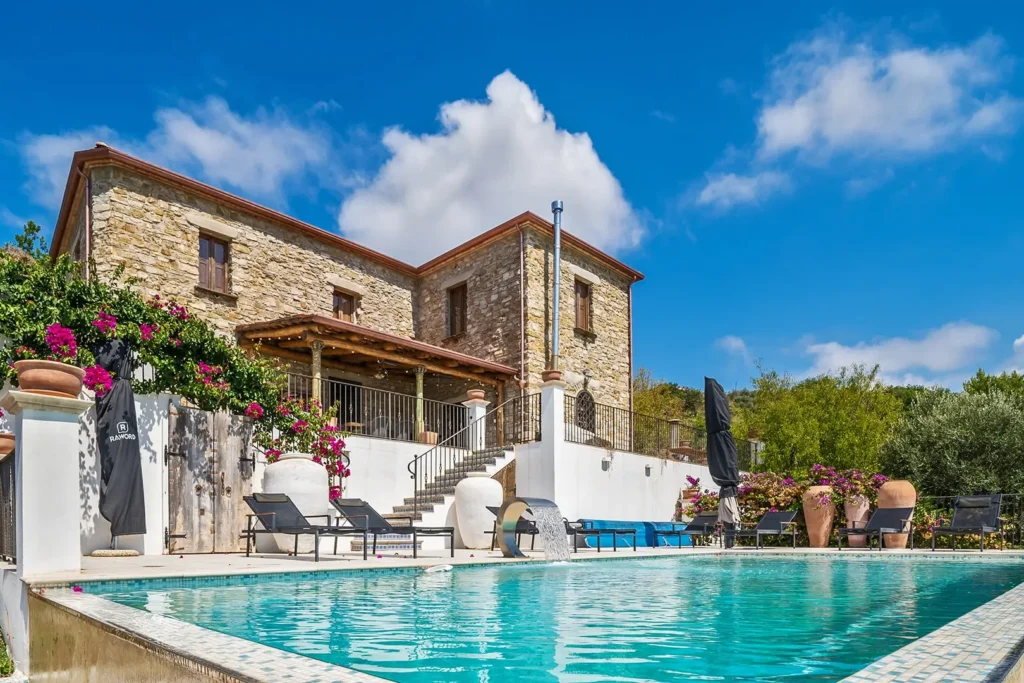
In a fast-paced, technologically saturated society, the architectural traditions of the Amalfi Coast offer a counterpoint: the luxury of slowness, sensory immersion, and authenticity. Today’s Amalfi Coast homes, whether perched above Conca dei Marini or recreated in far-flung locales, remind us that architectural excellence is anchored in context, craft, and the enduring pursuit of wellbeing.
- Sustainable Luxury: Harnessing local materials and passive design methodologies to tread lightly on the environment while elevating comfort standards.
- Flexible Living: Prioritizing versatile, informal spaces that adapt to changing needs, reflecting the Mediterranean lifestyle of gathering and repose.
- Connection to Heritage: Fostering a sense of place through carefully curated materials, artistic collaborations, and the preservation of stories embedded in architecture.
Shaping the Future of Leisure Architecture
The architecture of the Amalfi Coast is not simply a historical curiosity, it’s a living, evolving touchstone for the contemporary imagination. For architects, designers, and luxury real estate connoisseurs, Amalfi Coast homes and Italian seaside villas remain the gold standard for the Mediterranean style that prizes beauty in balance with utility, and repose in harmony with adventure. As the world rediscovers the importance of crafted spaces that celebrate leisure and wellbeing, the Amalfi Coast’s legacy continues to set a global standard, defining not only the visual identity of homes, but also the soul of modern, elevated living.