Copenhagen stands as one of the most influential design capitals in the world. For interior designers, furniture brands, architects, and luxury studios, the city offers a rare combination of heritage craftsmanship and forward-thinking innovation. A visit here is not just travel. It is immersion into a culture where design shapes everyday life, from streetscapes to interiors, from boutique hotels to iconic furniture showrooms.
A Design Culture Rooted in Craft
Copenhagen’s design identity grows from a deep respect for materials and craftsmanship. Danish design has long favored simplicity, functionality, and longevity. These principles remain visible across the city today. Walk through any neighborhood and you will notice clean lines, natural textures, and carefully considered details.
For designers, this environment provides constant inspiration. Wood, leather, wool, and stone appear in refined yet approachable ways. Craftsmanship does not feel ornamental. It feels essential. Many studios and workshops still prioritize hand-finishing techniques, which adds character and authenticity to contemporary pieces.
Iconic Furniture Houses and Showrooms
A luxury design trip to Copenhagen should include visits to some of the city’s most influential furniture brands. Flagship showrooms offer more than products. They present complete design philosophies.
Brands like Carl Hansen & Søn, Fritz Hansen, and Fredericia Furniture showcase timeless collections alongside modern interpretations. Their spaces highlight how furniture interacts with architecture, lighting, and spatial flow. Designers can observe how scale, proportion, and materiality come together in real settings.
Smaller independent studios also contribute to the city’s vibrant design ecosystem. Many emerging designers experiment with sustainable materials and modular concepts. Their work reflects a shift toward responsible luxury, where aesthetics and ethics align.
Craft Workshops and Material Exploration
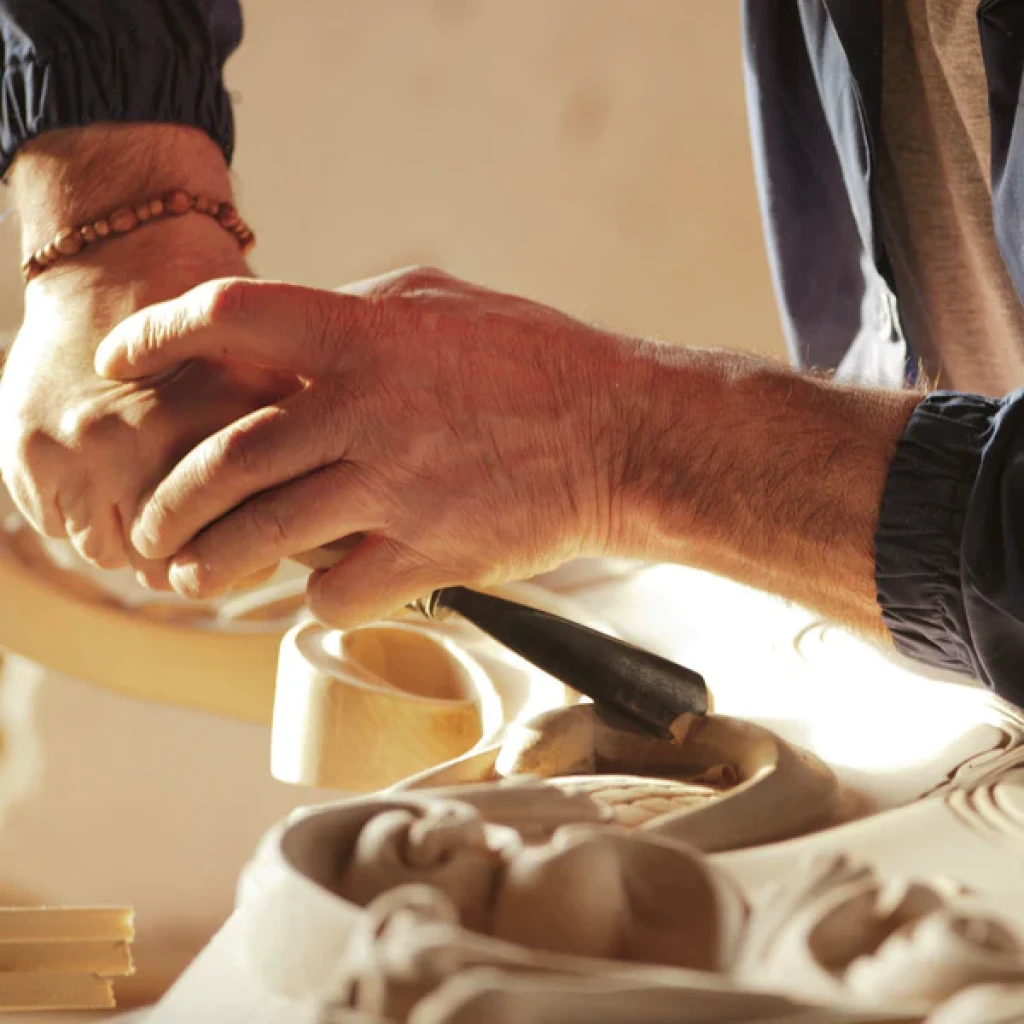
Beyond showrooms, Copenhagen offers access to working craft environments. Cabinetmakers, textile studios, and ceramic workshops open their doors to visitors who want to understand the making process.
These experiences provide valuable insight into joinery techniques, surface treatments, and material sourcing. Designers can see how raw materials transform into refined objects. This direct connection to craft often sparks new ideas for product development or architectural detailing.
Glass and ceramics hold a strong presence in Danish design culture. Studios experiment with textures, transparency, and organic forms. These elements often complement the clean geometry of furniture and interiors, creating balanced compositions.
Architecture That Shapes Experience
Copenhagen’s architecture plays a central role in its design identity. The city blends historic buildings with contemporary structures in a seamless way. This balance offers a living case study in how architecture evolves without losing context.
Modern landmarks such as the Danish Architecture Center and waterfront developments demonstrate how design integrates with urban life. Public spaces feel intentional and inviting. Materials respond to climate and light, which is especially important in a northern environment.
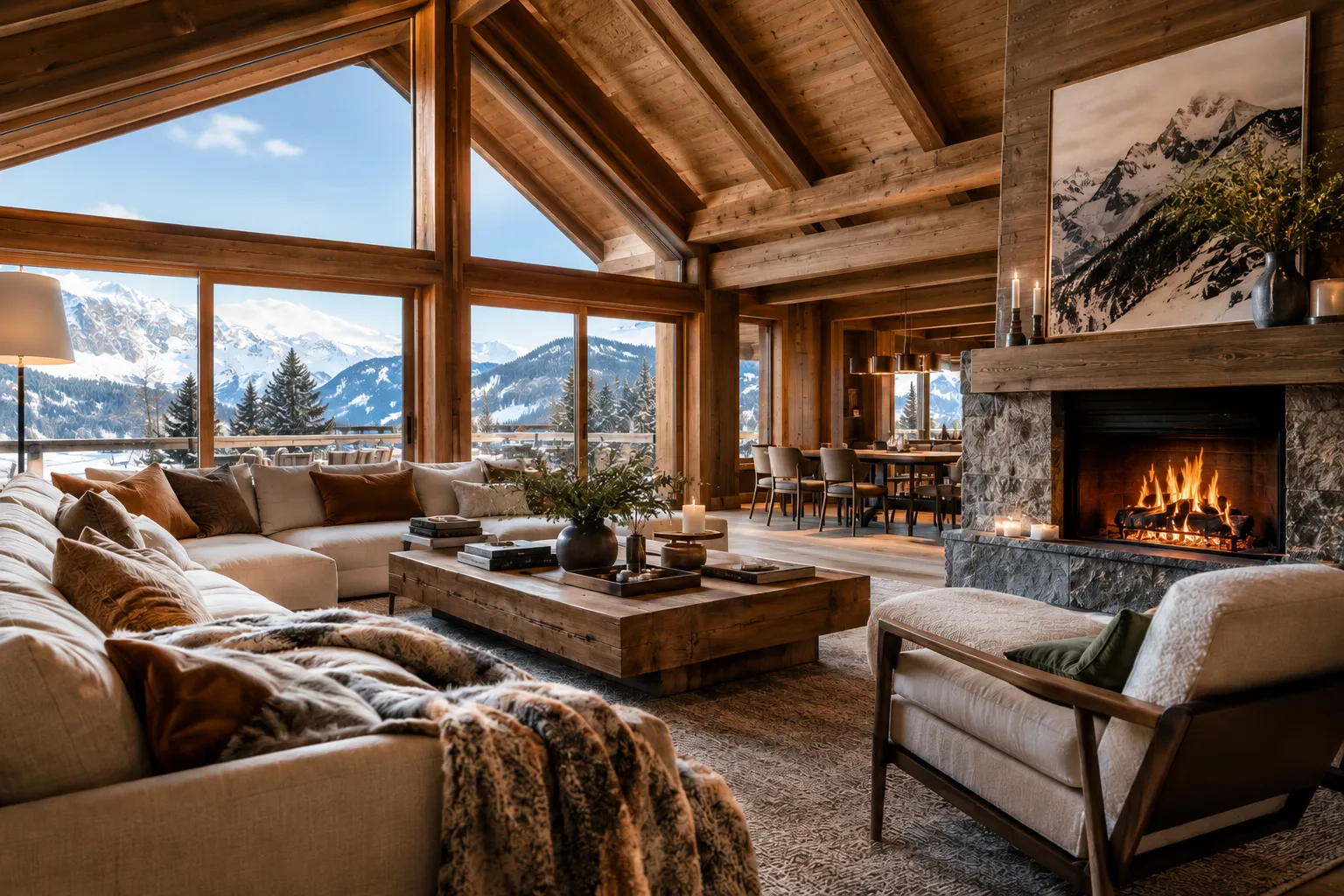
Designers visiting the city can study how interiors connect to exteriors. Large windows, open layouts, and natural light create continuity between indoor and outdoor spaces. This approach supports well-being while enhancing visual harmony.
Luxury Hospitality with a Design Focus
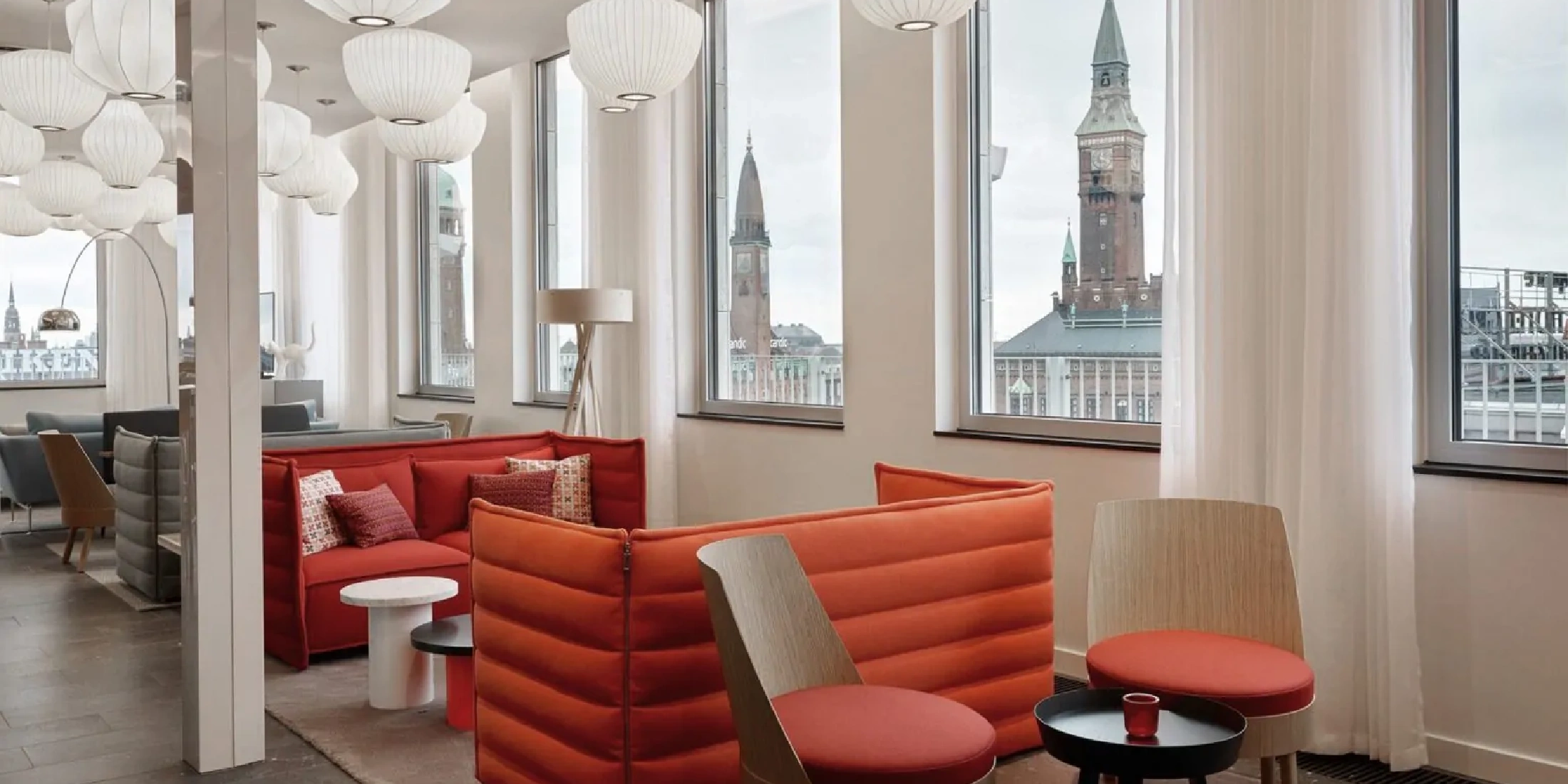
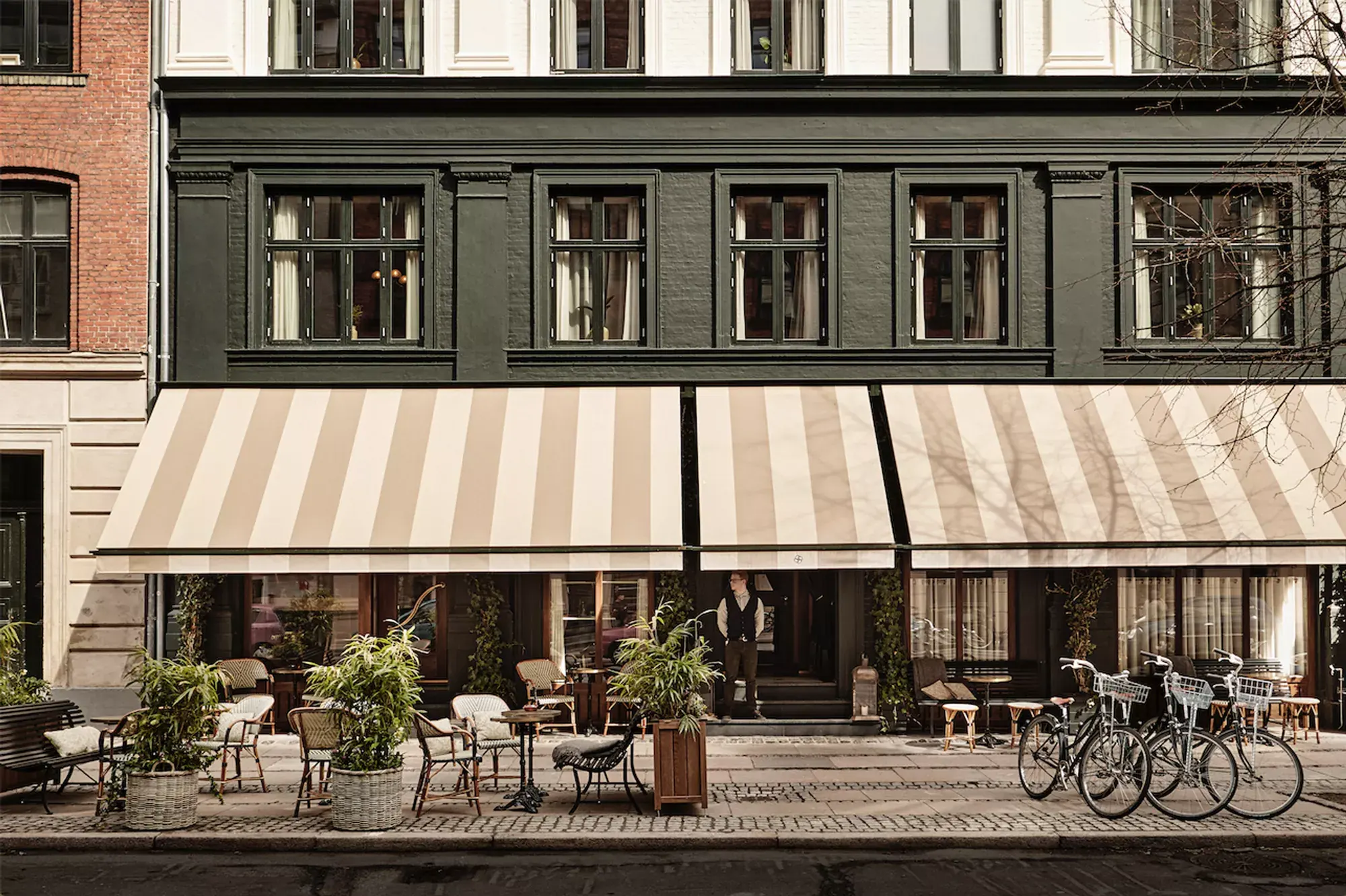
Copenhagen’s boutique hotels provide some of the most compelling examples of integrated design. Properties like Hotel Sanders and Nobis Hotel Copenhagen emphasize curated interiors, bespoke furniture, and refined material palettes.
These spaces often collaborate with local designers and craftspeople. The result is an authentic experience that reflects Danish aesthetics. Designers can observe how hospitality environments balance comfort, elegance, and functionality.
Restaurants and cafés also contribute to the design landscape. Many feature custom furniture, thoughtful lighting, and cohesive branding. Dining becomes a sensory experience shaped by space as much as by cuisine.
Sustainable Design as a Standard
Sustainability is not a trend in Copenhagen. It is a standard practice. Designers and brands prioritize environmentally responsible materials, energy efficiency, and long product lifecycles.
Furniture often uses certified wood, recycled components, and low-impact finishes. Architecture incorporates passive design strategies and renewable energy solutions. Even urban planning reflects a commitment to sustainability, with extensive cycling infrastructure and green public spaces.
For luxury design studios, this approach offers a blueprint for integrating sustainability without compromising quality or aesthetics. Copenhagen proves that responsible design can also feel premium and desirable.
Seasonal Design Events and Exhibitions
Timing a visit to Copenhagen during major design events can elevate the experience. 3daysofdesign, the city’s annual festival, transforms showrooms, galleries, and streets into a dynamic exhibition space.
During this event, designers gain access to new collections, installations, and collaborations. It becomes easier to connect with industry peers, discover emerging talent, and explore innovative concepts.
Museums such as the Designmuseum Danmark provide historical context alongside contemporary exhibitions. These institutions highlight the evolution of Danish design and its global influence.
Curated Retail and Concept Stores
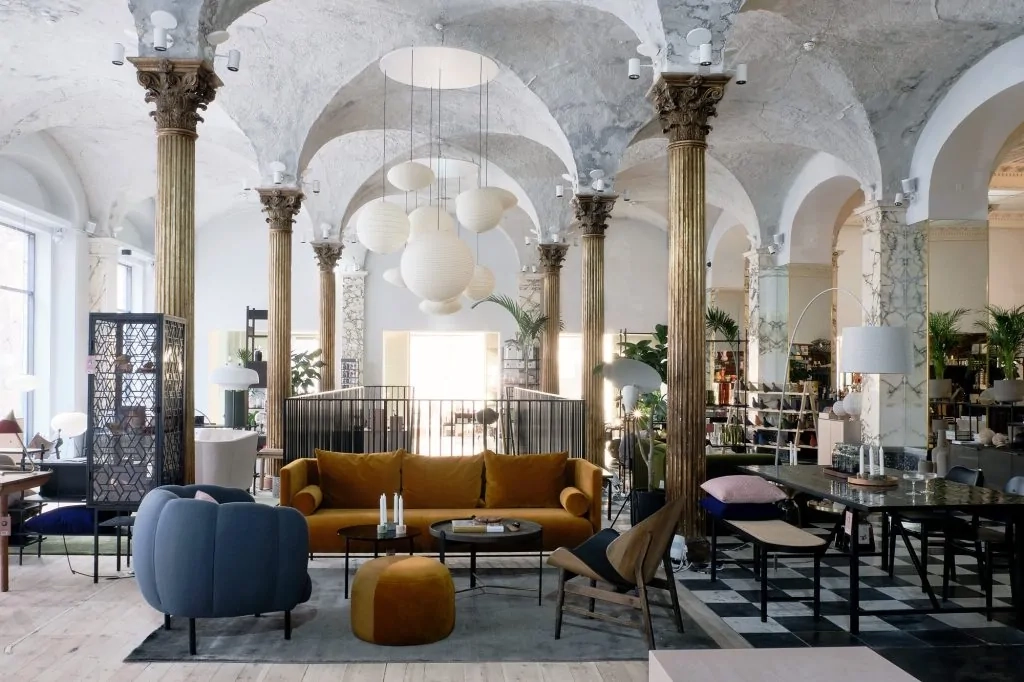
Copenhagen’s retail scene reflects its design philosophy. Concept stores blend furniture, objects, and lifestyle products in carefully curated environments. Each store tells a story through layout, lighting, and material selection.
Shops like Normann Copenhagen and Hay House present collections in ways that feel accessible yet refined. Designers can study merchandising strategies and spatial organization while discovering new products.
Many stores also emphasize limited editions and collaborations. These pieces often explore experimental ideas, offering insight into future design directions.
Outdoor Design and Urban Integration
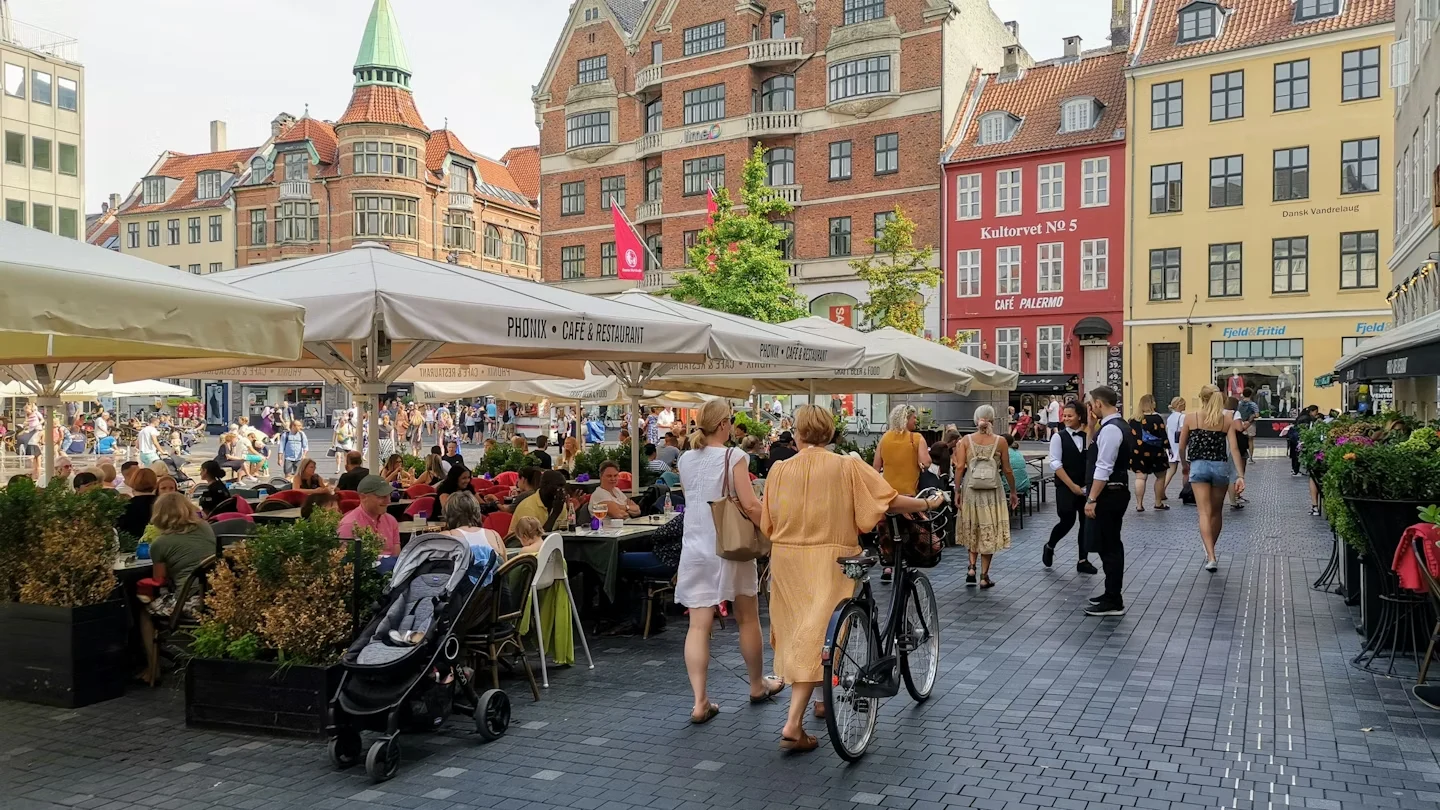
Outdoor spaces in Copenhagen receive as much attention as interiors. Parks, waterfronts, and public plazas feature high-quality furniture and thoughtful layouts. Materials withstand weather while maintaining visual appeal.
Designers can observe how outdoor furniture supports social interaction and movement. Benches, lighting, and pathways create cohesive environments that encourage people to engage with the space.
This integration of outdoor and urban design highlights the importance of context. Every element contributes to a unified experience, whether in a private garden or a public square.
A Destination That Inspires Innovation
Copenhagen offers more than visual inspiration. It provides a holistic understanding of how design functions in daily life. Craft, furniture, architecture, and urban planning all connect in meaningful ways.
For interior and outdoor designers, furniture brands, and architects, the city serves as a living laboratory. Ideas developed here often influence global design trends. A visit can refine creative direction, strengthen material knowledge, and inspire new approaches to luxury design.
Copenhagen continues to evolve while staying true to its core values. That balance makes it one of the most compelling destinations for design professionals seeking both inspiration and depth.