Luxury Travel Guide to Rome: Furniture and Design Capital

Luxury Travel Guide to Rome: Furniture and Design Capital

Rome has always inspired creators. Layers of history, timeless architecture, and master craftsmanship make the city far more than a cultural destination—it is a living laboratory for design. For interior designers, furniture brands, architects, and luxury design studios, Rome offers a rare opportunity to experience the roots of European design while exploring contemporary Italian craftsmanship.

This Travel Guide to Rome highlights the most important neighborhoods, showrooms, museums, and design landmarks that shape the Eternal City’s creative landscape.

Why Rome Matters to the Global Design Industry

Italy plays a central role in the global design ecosystem, and Rome contributes its own unique voice. Unlike cities that focus exclusively on modern production, Rome blends classical heritage with contemporary innovation. The result is a city where marble columns stand beside cutting-edge furniture galleries and centuries-old craftsmanship informs modern interiors.

Design professionals visit Rome to study:

  • Historical architectural proportions
  • Traditional stone and marble craftsmanship
  • Italian furniture manufacturing culture
  • Luxury hospitality design
  • Art and decorative traditions influencing contemporary interiors

This combination makes Rome an essential destination for those working in high-end residential, hospitality, and architectural design.

Design Districts Every Creative Professional Should Explore

Campo Marzio and Via dei Condotti

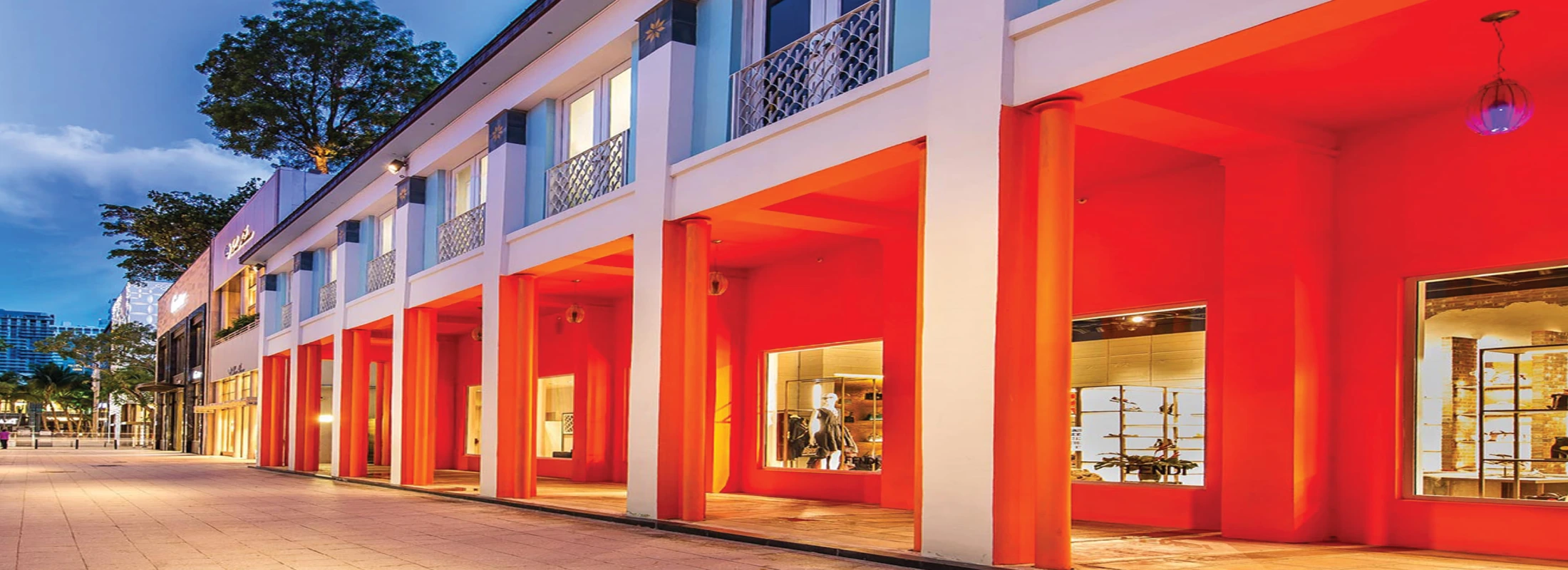
In the heart of Rome’s luxury district, Campo Marzio offers a curated mix of design showrooms and fashion houses. The nearby Via dei Condotti and surrounding streets host flagship spaces where Italian luxury brands showcase furniture, lighting, and interior objects.

Design studios often visit this area to explore refined Italian craftsmanship, observe retail architecture, and discover the presentation strategies luxury brands use to communicate design narratives.

Flaminio Design District

Flaminio represents Rome’s contemporary design side. This district combines modern architecture with cultural institutions and creative studios.

A centerpiece of the area is MAXXI – National Museum of 21st Century Arts, designed by Zaha Hadid. The museum’s fluid concrete forms and dramatic circulation paths create one of the most influential contemporary architectural spaces in Italy.

Design professionals visit MAXXI to experience:

  • Contemporary architecture exhibitions
  • Furniture and industrial design installations
  • Cross-disciplinary design events

The building itself acts as a masterclass in spatial flow, light control, and structural innovation.

Trastevere: Artisan Culture and Authentic Craft

Across the Tiber River, Trastevere offers a more intimate design atmosphere. Narrow streets reveal small workshops, artisanal studios, and independent galleries that continue centuries-old Roman craft traditions.

Interior designers and furniture brands often explore Trastevere to connect with:

  • Ceramic artisans
  • Stone and marble workshops
  • Decorative artists
  • Custom furniture makers

This neighborhood demonstrates how heritage craftsmanship remains relevant within modern luxury interiors.
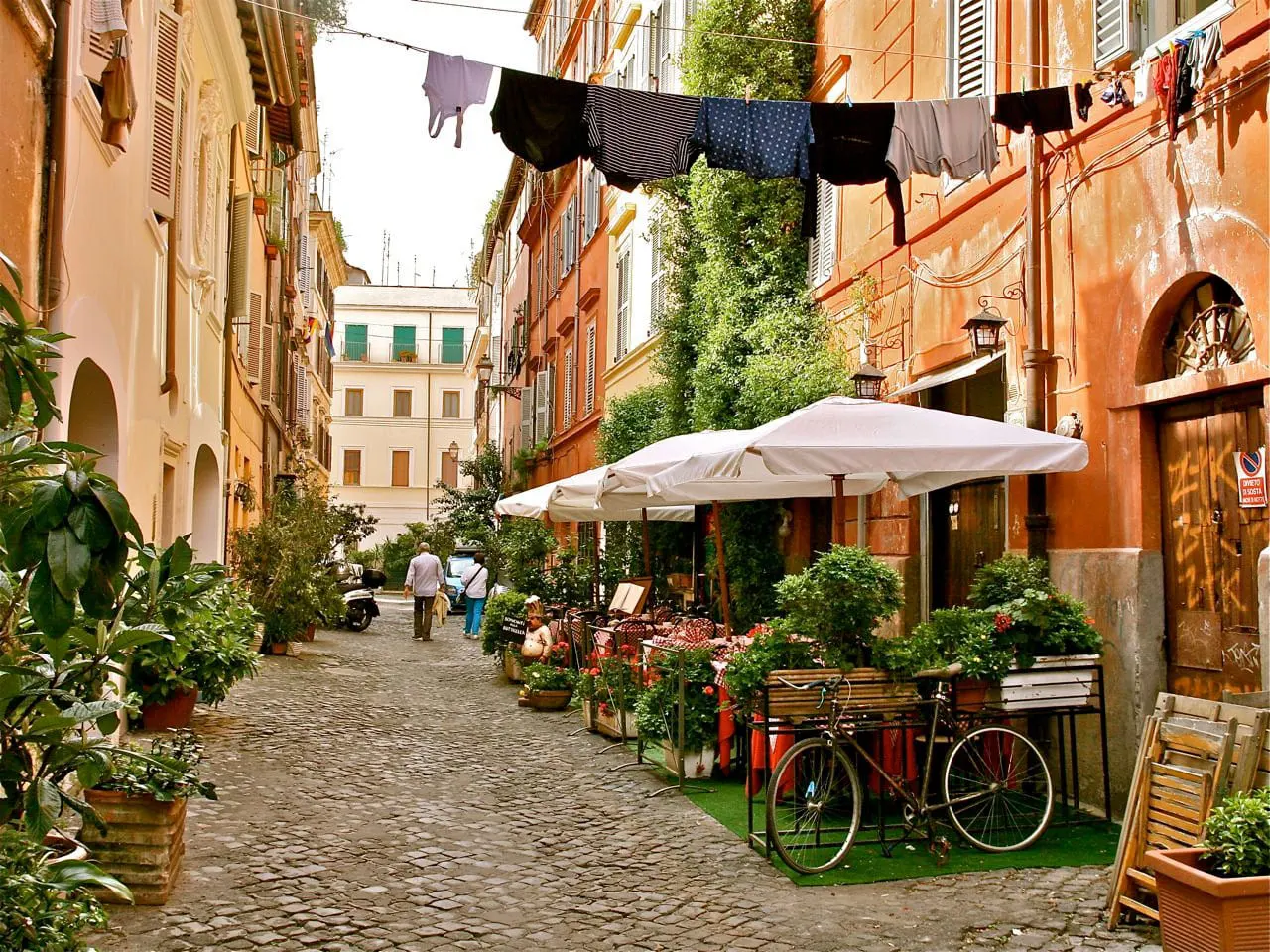
Trastevere

Architecture That Defines the Roman Design Identity

Any serious Travel Guide to Rome must highlight the city’s architecture. Few places in the world offer such an uninterrupted timeline of design evolution.

Classical Foundations

The monumental Pantheon continues to influence architects worldwide. Its dome, proportions, and natural lighting strategies demonstrate engineering precision that still inspires contemporary design.

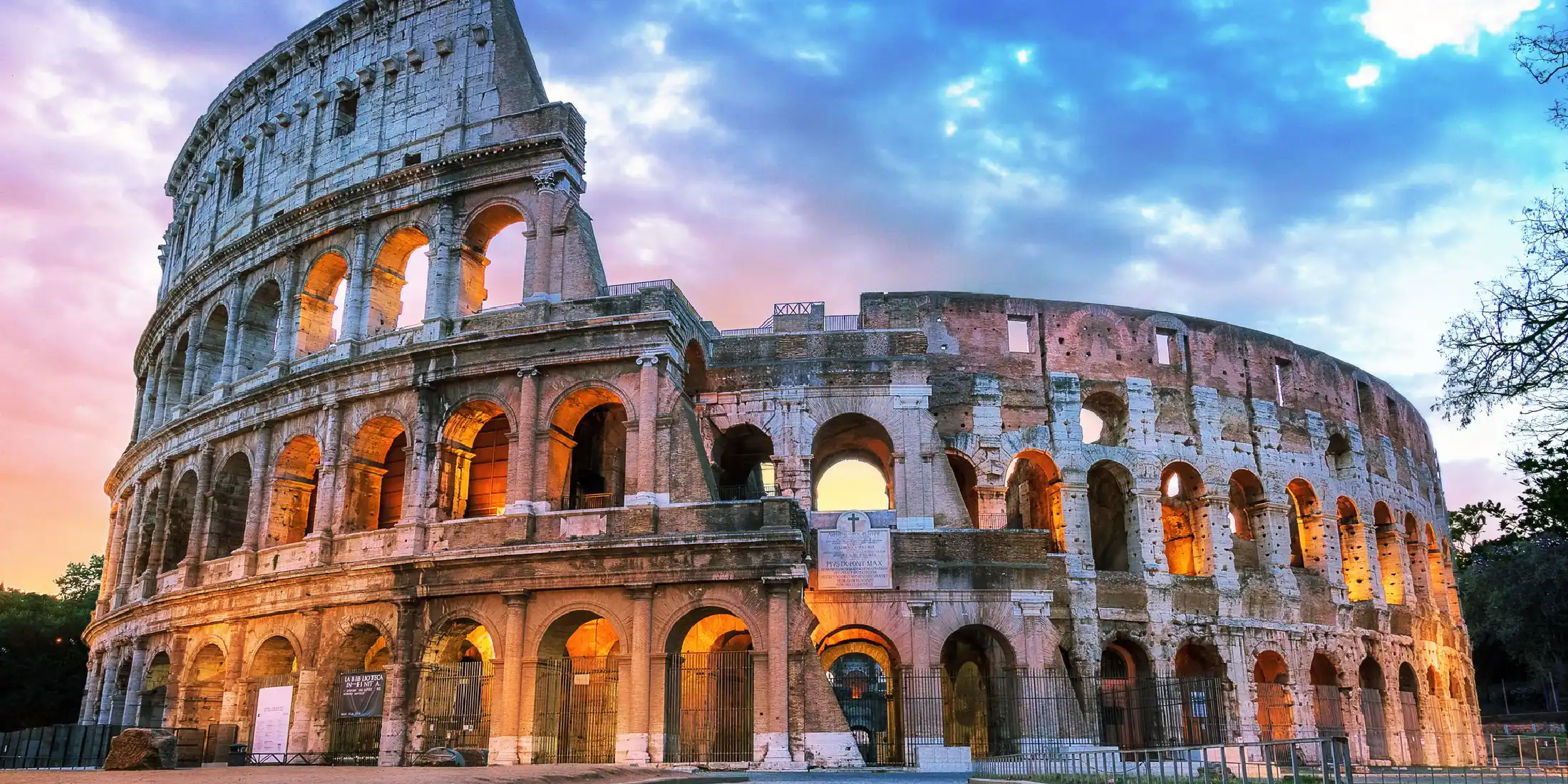
Nearby, the Colosseum reveals the power of Roman structural innovation and large-scale spatial planning.

These landmarks provide more than historical value—they illustrate principles of geometry, rhythm, and material expression that remain relevant in modern architectural practice.

Baroque Mastery

Rome also serves as the epicenter of Baroque architecture. Designers often study the work of Gian Lorenzo Bernini and Francesco Borromini to understand theatrical spatial composition.

Churches such as Sant’Ivo alla Sapienza demonstrate bold geometry and sculptural interiors that push architectural boundaries.

Baroque Rome proves that drama, movement, and ornament can coexist with sophisticated spatial design.

Nolita Harbour Logo

The Specialists in Bespoke

Turn your Designs into Reality with Nolita Harbour

Design Museums and Cultural Institutions

Rome offers several institutions that connect historical craftsmanship with modern design thinking.

Decorative Arts and Furniture

The Palazzo Venezia houses an important collection of decorative arts, including Renaissance furniture, tapestries, and applied arts.

For furniture designers, these collections reveal how historical craftsmanship influenced modern Italian luxury furniture traditions.

Contemporary Design and Architecture

Beyond MAXXI, the National Gallery of Modern and Contemporary Art features important works that trace Italy’s design and artistic evolution from the nineteenth century through the modern era.

The museum frequently hosts exhibitions that intersect art, architecture, and design.

Rome: Furniture and Design Capital

Luxury Hotels as Design Destinations

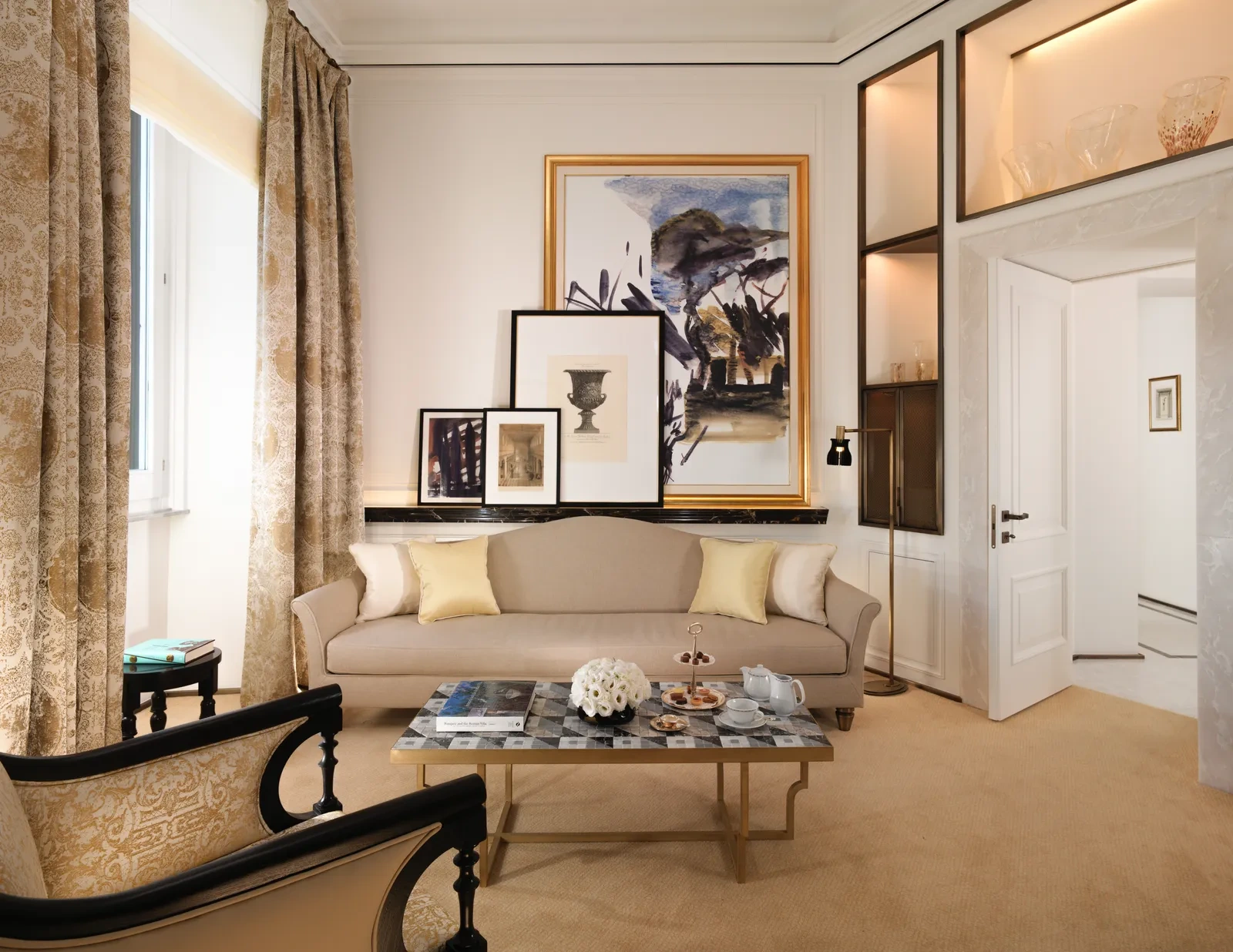
Rome’s luxury hospitality sector acts as a showcase for sophisticated interior architecture. Many historic palaces have been transformed into design-driven hotels that blend heritage with contemporary aesthetics.

Among the most notable is Hotel de Russie, celebrated for its elegant interiors and landscaped terraced gardens. The property demonstrates how modern hospitality design can adapt historic architecture without losing its character.

Another standout is Rome Cavalieri, A Waldorf Astoria Hotel, known for combining modern luxury interiors with museum-quality art collections.

Design professionals often visit these hotels to study how lighting, materials, and spatial design elevate guest experience.

Roman Materials That Influence Global Furniture Design

Rome’s design heritage remains deeply connected to natural materials. Several materials frequently used in luxury furniture and architecture originate from Italy or gained prominence through Roman use.

Marble

Italian marble plays a major role in Roman architecture and continues to define luxury furniture design today. Designers visiting Rome often study stone textures and finishes used in historical buildings.

The tradition influences modern furniture brands producing marble dining tables, sculptural consoles, and architectural surfaces.

Travertine

Travertine stone appears throughout the city and has become a defining element of contemporary Italian furniture design.

Its warm color palette and organic surface make it popular in luxury interiors, especially in minimalist furniture collections.

Design Events and Creative Culture

Although Milan hosts the world’s largest design fair, Rome maintains an active creative calendar. Cultural institutions regularly organize design exhibitions, architectural lectures, and gallery openings.

Events at MAXXI and other cultural spaces attract architects, designers, and creative studios from across Europe.

The city also supports a vibrant network of independent galleries and concept stores that introduce experimental furniture and collectible design pieces.

 Rome: Furniture and Design Capital

Practical Tips for Design Professionals Visiting Rome

To fully experience the design landscape, professionals should plan visits around neighborhoods rather than individual landmarks.

Key recommendations include:

  • Dedicate time to both historic architecture and contemporary museums
  • Explore artisan workshops for authentic craftsmanship insights
  • Study luxury hotel interiors as examples of adaptive reuse design
  • Visit galleries and showrooms in Campo Marzio and Flaminio

Rome rewards slow exploration. Many of the most inspiring design discoveries appear unexpectedly within historic streets and hidden courtyards.

Why Rome Remains Essential for Design Inspiration

Rome continues to shape global design culture because it merges past and present with exceptional clarity. Classical engineering, Baroque theatricality, and modern experimentation coexist within a single urban landscape.

For architects, furniture designers, and luxury design studios, this Travel Guide to Rome offers a starting point for discovering one of the most influential design environments in the world.

Rome does not simply preserve history—it actively fuels the creative future of architecture, furniture, and interior design.

Join our Newsletter

Subscription Form

Share on:

Nolita Harbour Logo

The Specialists in Bespoke

Turn your Designs into Reality with Nolita Harbour

Read More

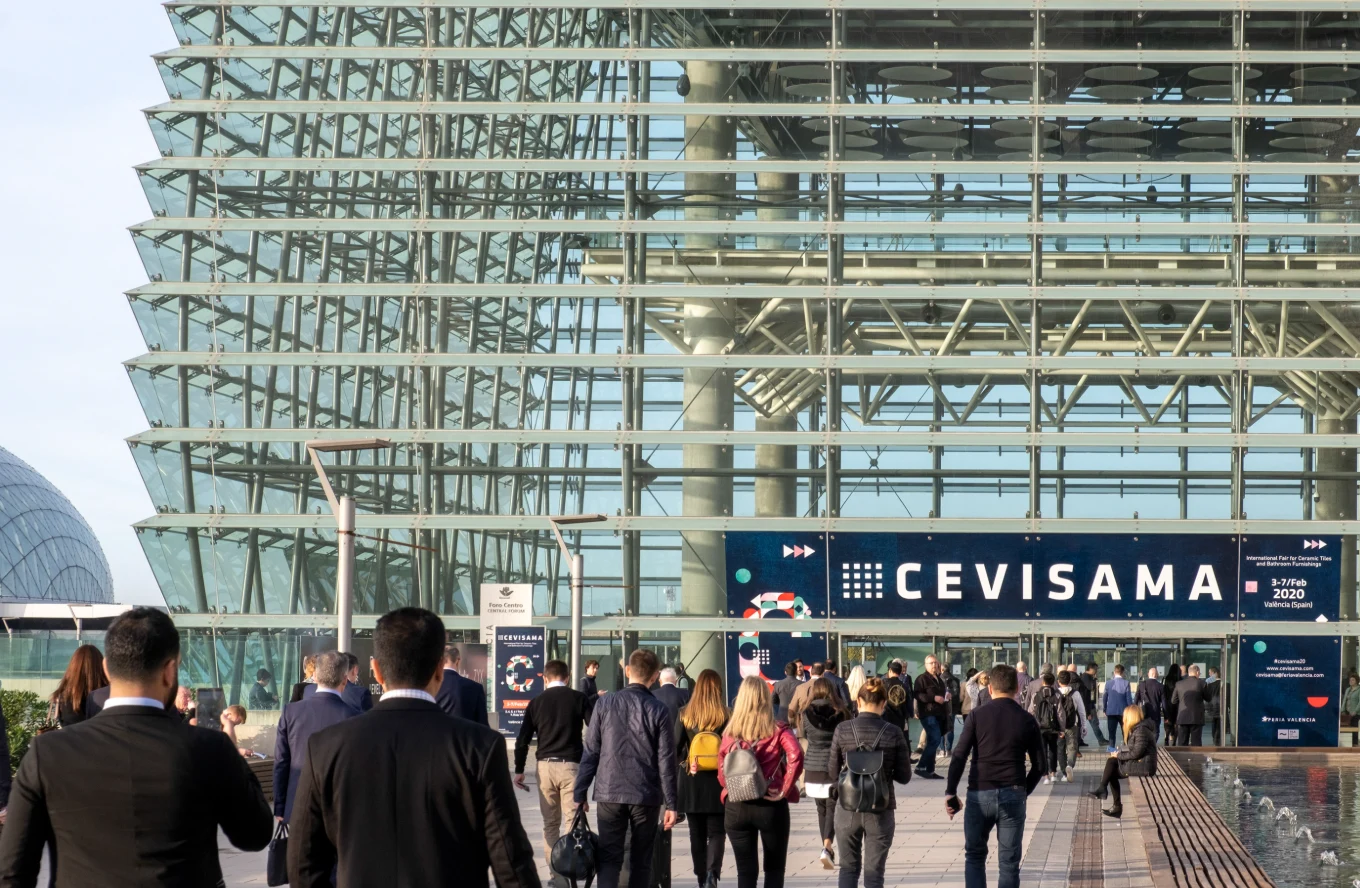
Visitors approaching the glass-fronted entrance of Feria Valencia beneath the Cevisama 2020 banner.

Cevisama 2026: A New Chapter in Materials, Interiors, and the Art of Living

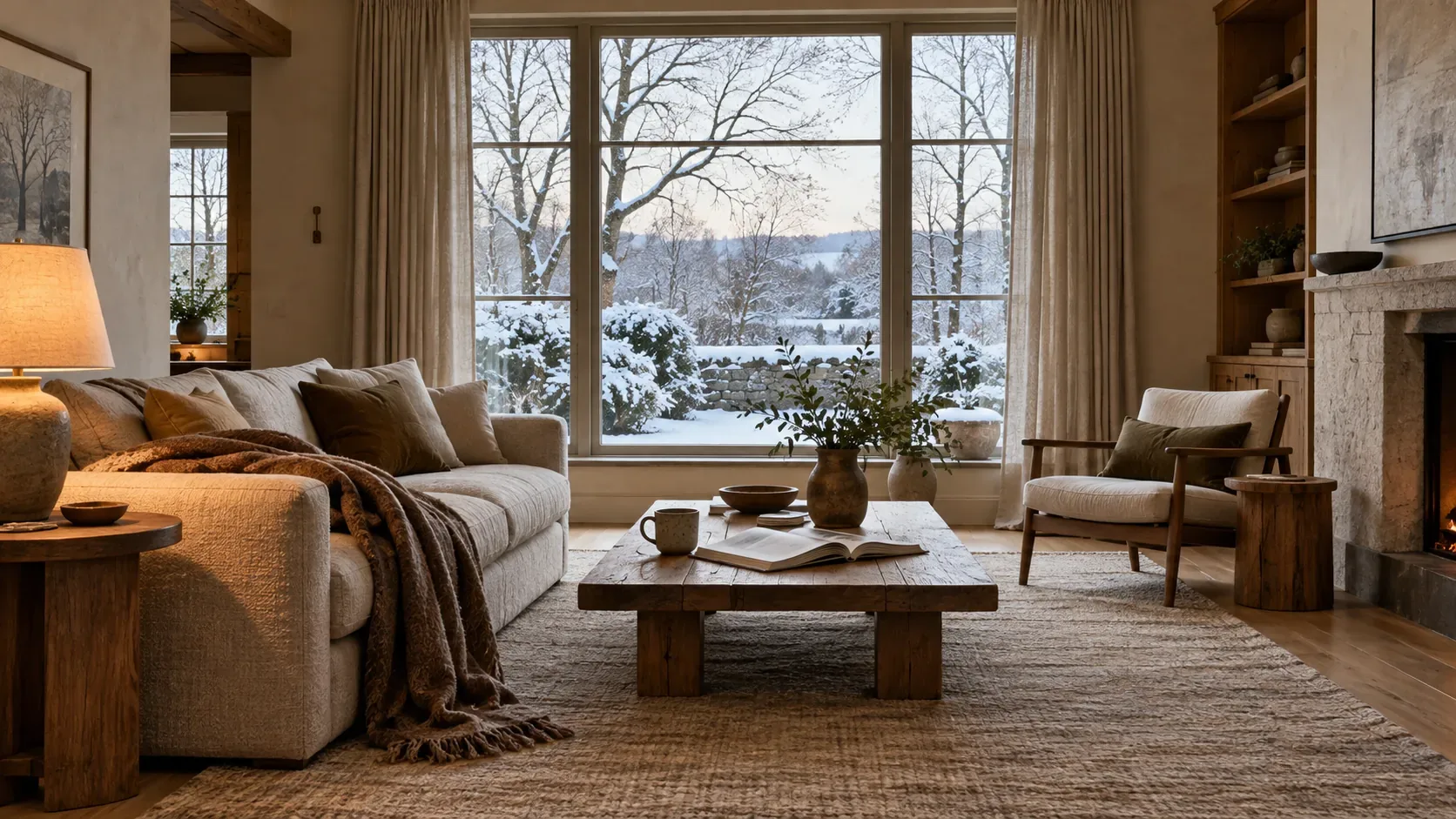
Cozy winter living room with a cream sofa, wool throw, oak coffee table, warm lighting, and views of a snow covered garden.

Cozy Homes: Winter Design Ideas for Warm, Inviting Interiors

Luxury mountain resort with chalet-style architecture, heated outdoor pool, snowy peaks and warm interiors at sunset.

Luxury Mountain Resorts: 8 Exceptional Retreats Redefining the Modern Chalet

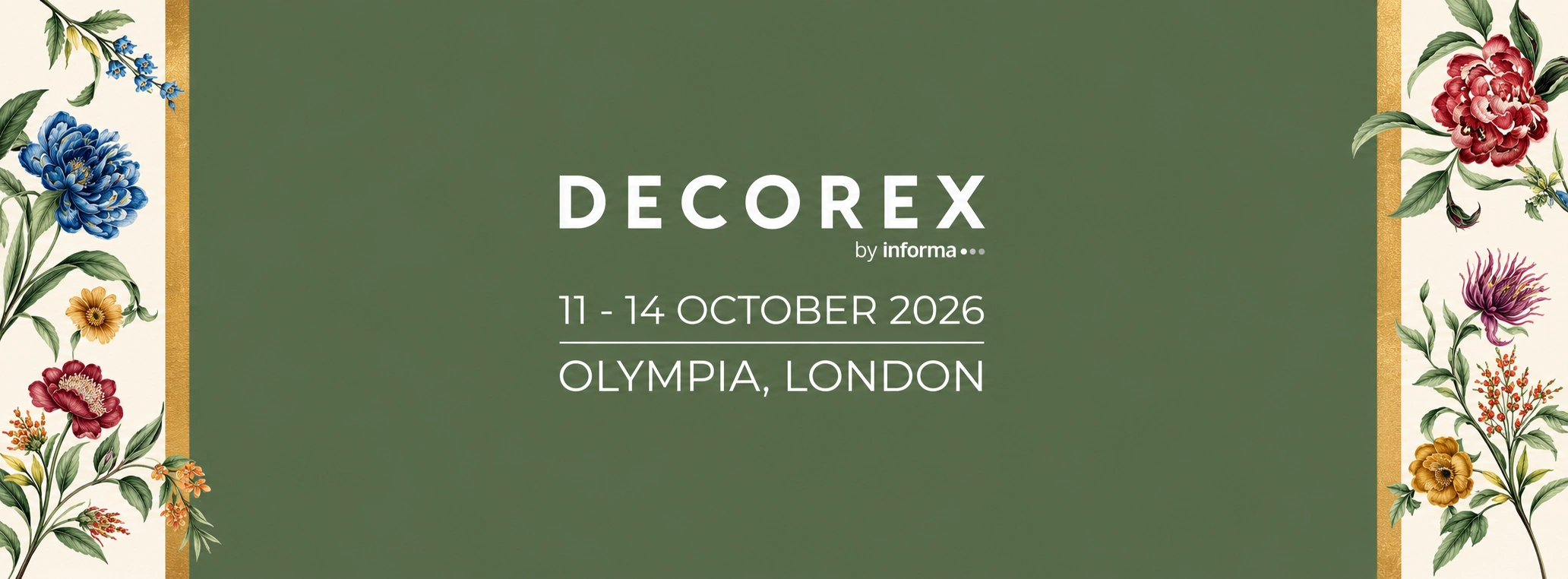
Promotional banner for Decorex 2026 at Olympia London, featuring a deep green background framed by ornate botanical illustrations of colorful flowers and gold accents. The design announces the event dates, 11–14 October 2026, organized by Informa.

Decorex 2026: London’s Annual Event for Luxury Interiors

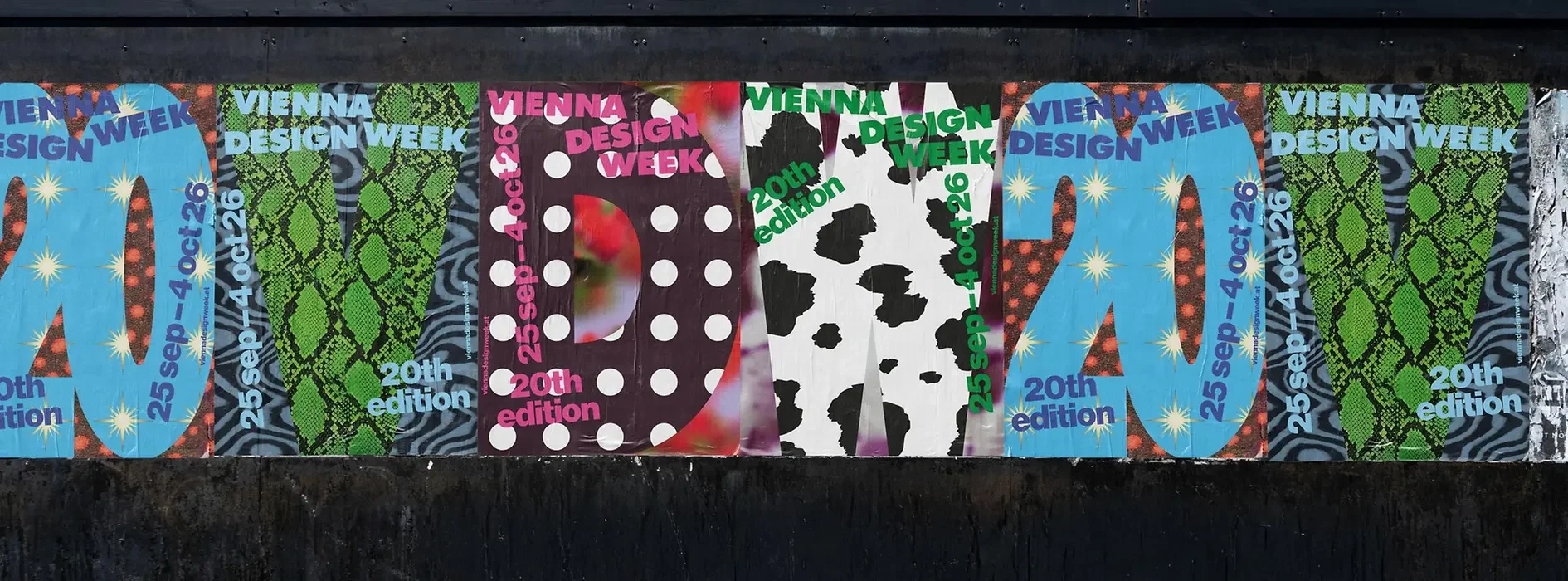
Colorful Vienna Design Week 2026 posters celebrating the festival’s 20th edition across the streets of Vienna.

Vienna Design Week 2026: Celebrating 20 Years of Design, Ideas and Innovation

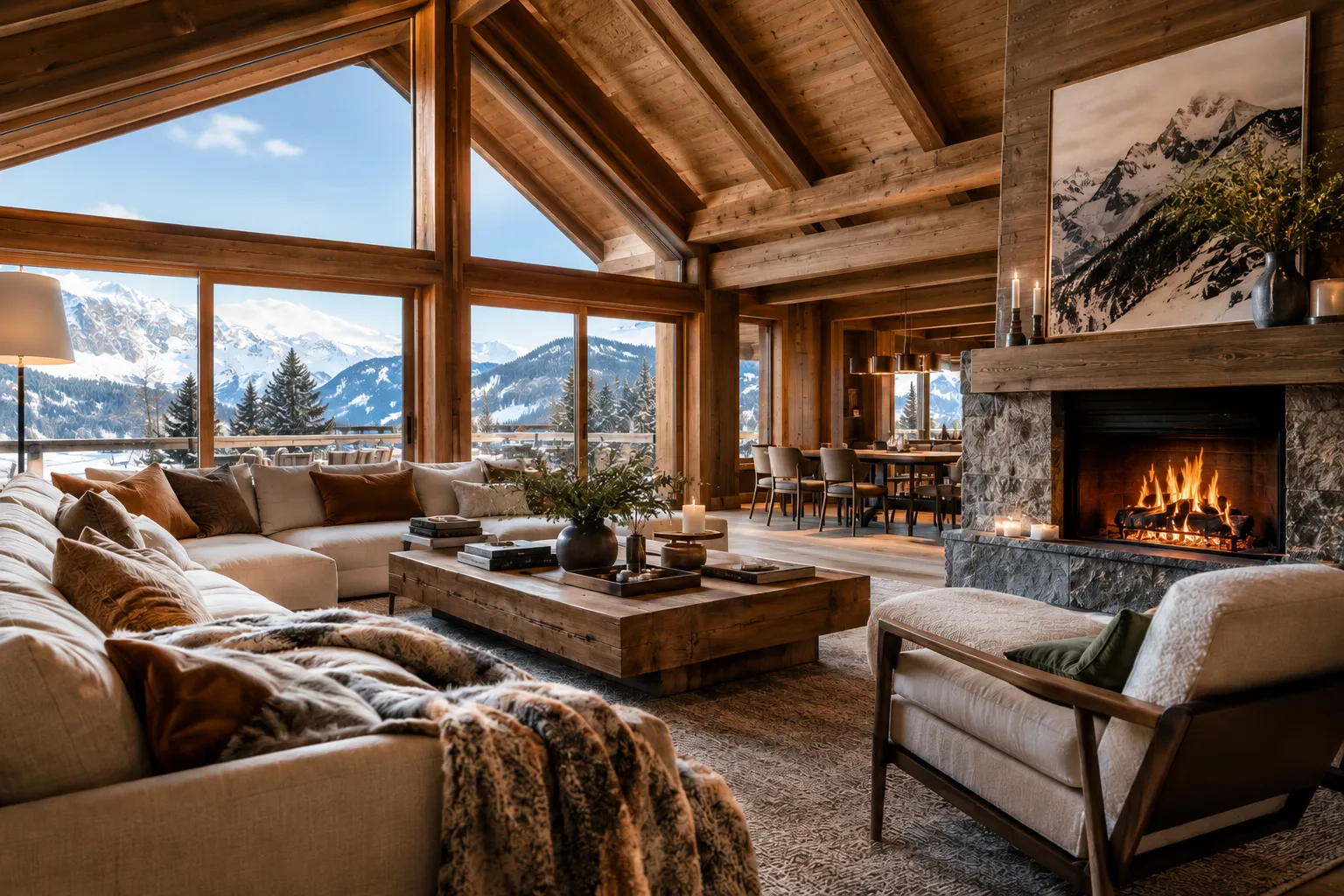
Luxury Alpine chalet interior with exposed timber beams, natural stone fireplace, warm neutral furnishings, and panoramic views of snow covered mountains.

The Art of the Chalet: Architecture, Luxury Interiors and the New Language of Mountain Living

Reader Favorites

Design Miami 2026 - what to look for

Design Miami 2026: The Leading Global Fair for Collectible Design Returns in December

Top 10 Interior Design Trends

Top 10 Interior Design Trends That Will Shape Homes After 2027

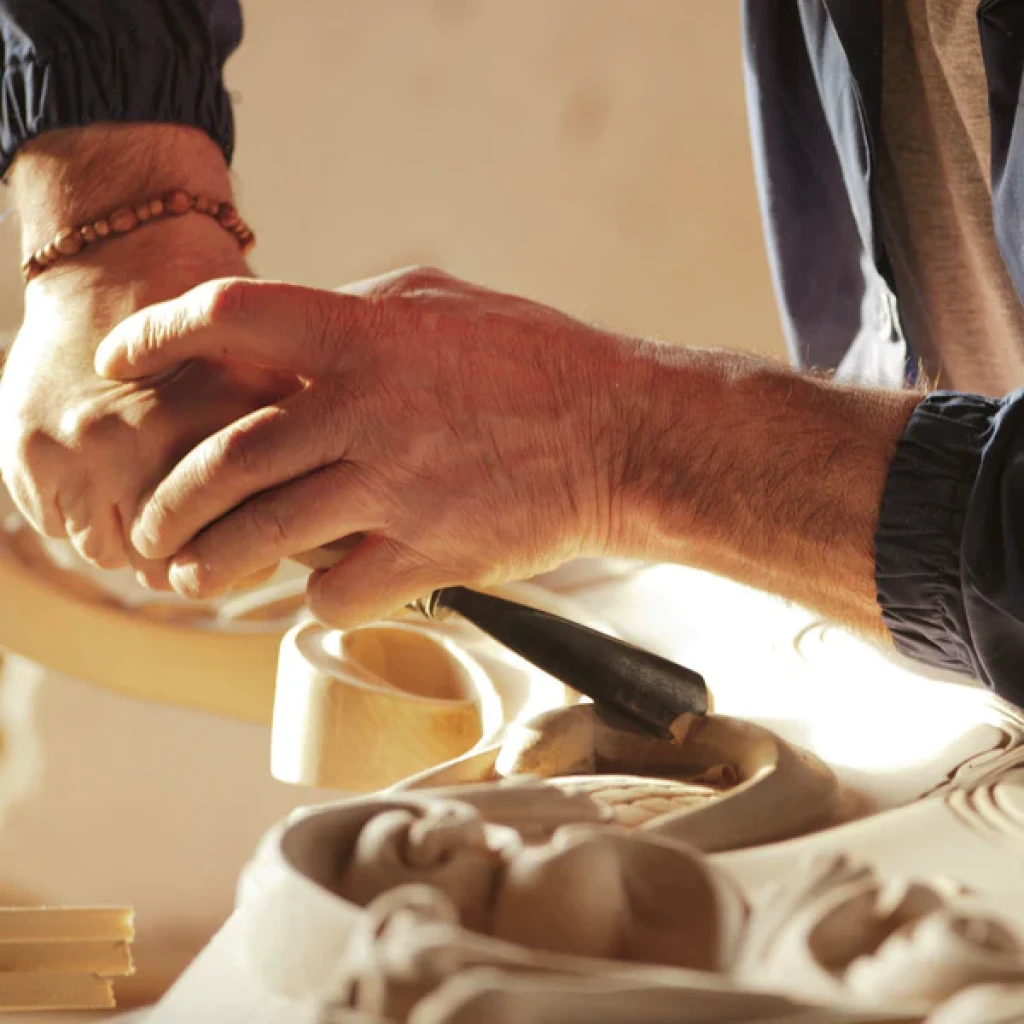
Close-up of artisan hands carving intricate patterns into wood, highlighting the precision and artistry of Italian craftsmanship.

How Artisanal Craftsmanship is Reclaiming its Place in Luxury Interiors

Latest News

Visitors approaching the glass-fronted entrance of Feria Valencia beneath the Cevisama 2020 banner.

Cevisama 2026: A New Chapter in Materials, Interiors, and the Art of Living

Cozy winter living room with a cream sofa, wool throw, oak coffee table, warm lighting, and views of a snow covered garden.

Cozy Homes: Winter Design Ideas for Warm, Inviting Interiors

Luxury mountain resort with chalet-style architecture, heated outdoor pool, snowy peaks and warm interiors at sunset.

Luxury Mountain Resorts: 8 Exceptional Retreats Redefining the Modern Chalet

Join our Newsletter

Join our circle of refined living.
Subscribe for curated stories, news and inspiration.

Subscription Form