
In the world of sophisticated travel, luxury resort architecture has evolved into a defining facet of both the destination’s allure and its enduring identity. Discerning travelers, architects, and connoisseurs alike increasingly seek immersive environments where architectural mastery merges with sublime landscapes and cultural narratives. As boundaries between built form and natural setting blur, iconic resorts not only elevate hospitality experiences, but also establish themselves as indelible symbols on the global stage. This article explores the vision, creativity, and legacy that transform these exceptional retreats into landmarks—where architecture itself becomes a passport to discovery and distinction.
The Essence of Iconic Resort Architecture
Iconic resorts transcend mere accommodation; they are masterful compositions that harmonize the built environment with local topography, climate, history, and culture. The world’s most celebrated luxury resorts are not simply backdrops for leisure—they are transformative, immersive works of art, conceived by visionary architects and designers who understand the power of place.
Core Principles Shaping Luxury Resort Architecture
- Contextual Sensitivity: Site-specific design responds to the unique qualities of landscape, climate, and cultural heritage.
- Material Authenticity: Use of indigenous materials and craftsmanship emphasizes authenticity and connection to the locale.
- Experiential Narrative: Architecture weaves a narrative, offering guests a seamless integration between luxury, comfort, and discovery.
- Environmental Stewardship: Sustainable practices ensure the preservation of delicate ecosystems and responsible long-term development.
Architectural Icons: Resorts That Redefined Destinations
Certain resorts are more than just havens of tranquility—they shape how the world perceives entire regions. Their signature silhouettes and spatial innovations often become shorthand for a region’s spirit and ambitions.
Amangiri, Utah: Desert Minimalism as Monumentality
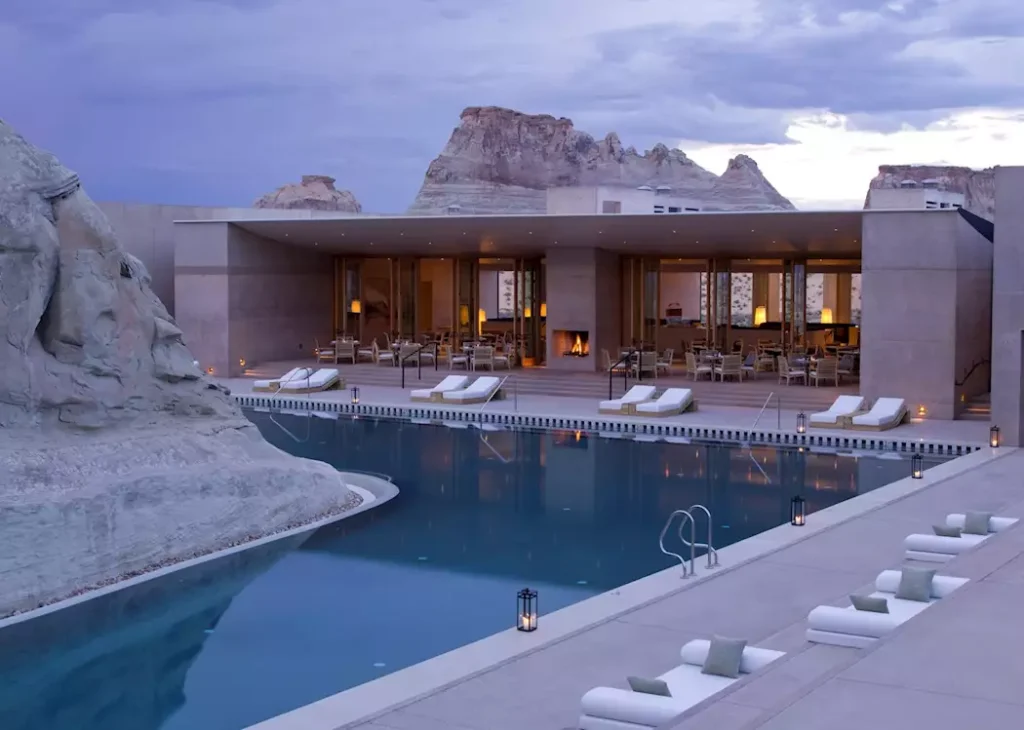
Hidden in the Utah canyonlands, Amangiri exemplifies the cutting edge of luxury resort architecture. Designed by Marwan Al-Sayed, Wendell Burnette, and Rick Joy, its geometric forms emerge organically from the shifting ochre landscape. The resort’s concrete volumes mirror stratified rock, blurring lines between man-made and natural. The elemental architecture leverages dramatic vistas and quietude, becoming a pilgrimage site both for design aficionados and seekers of serenity. Amangiri has set a global benchmark for context-driven luxury.
Marina Bay Sands, Singapore: Vertical Urban Iconography
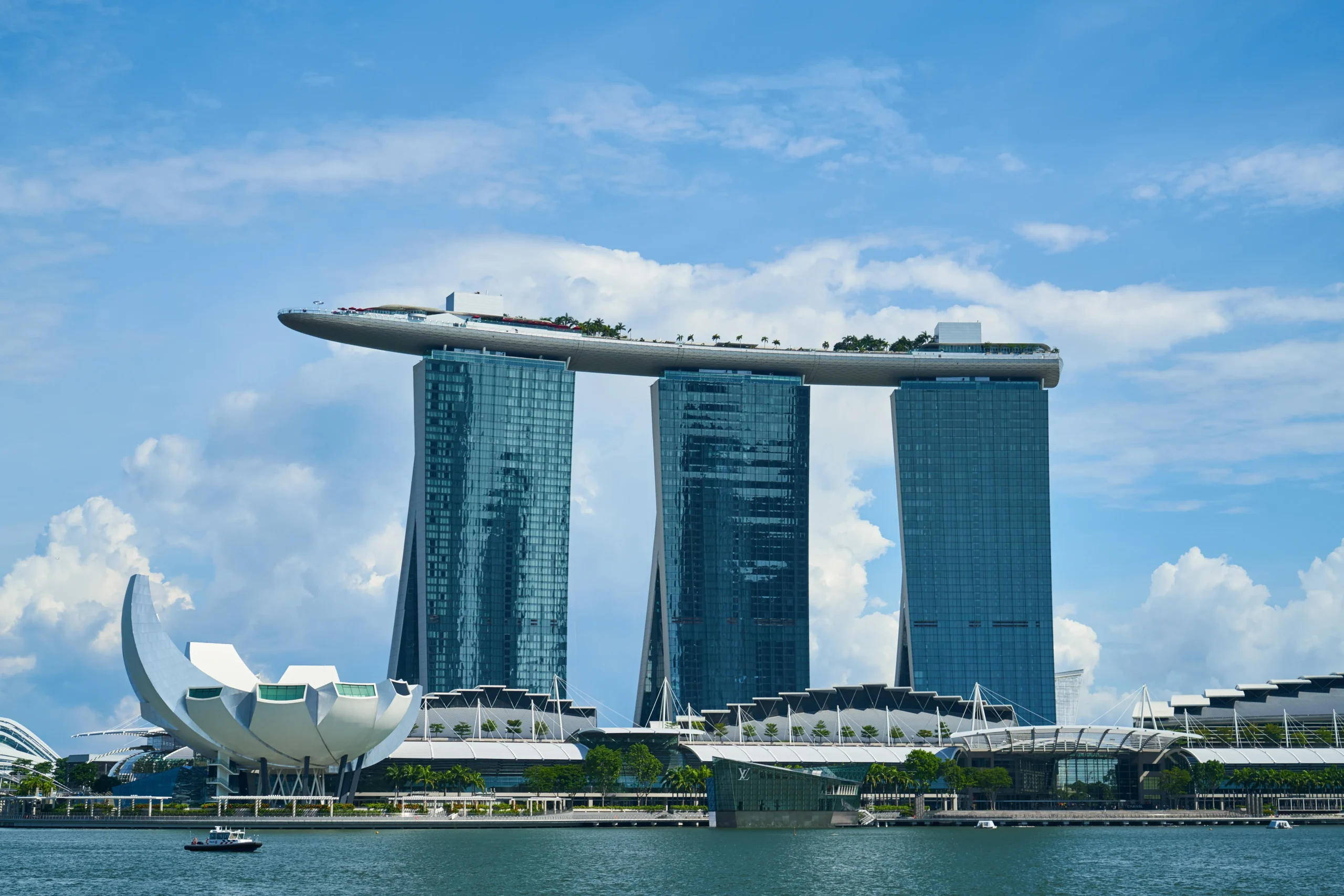
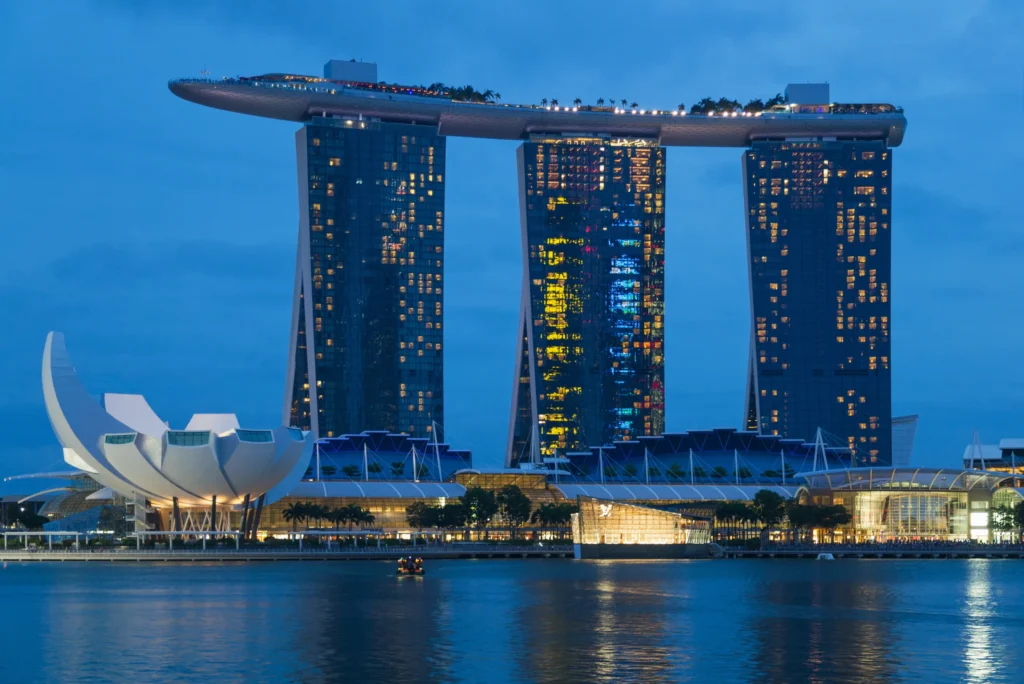
No survey of iconic resorts is complete without Marina Bay Sands. Architect Moshe Safdie’s bold vision—a trio of sculptural towers crowned by a 150-meter sky park—has redefined Singapore’s skyline. Combining resort, casino, convention space, and sky-high infinity pool, its architectural audacity embodies modern Asia’s aspirations. Here, luxury resort architecture serves as a civic stage, propelling the notion that hospitality destinations can possess monumental public significance.
Borobudur-inspired Amanjiwo, Indonesia: Architectural Pilgrimage
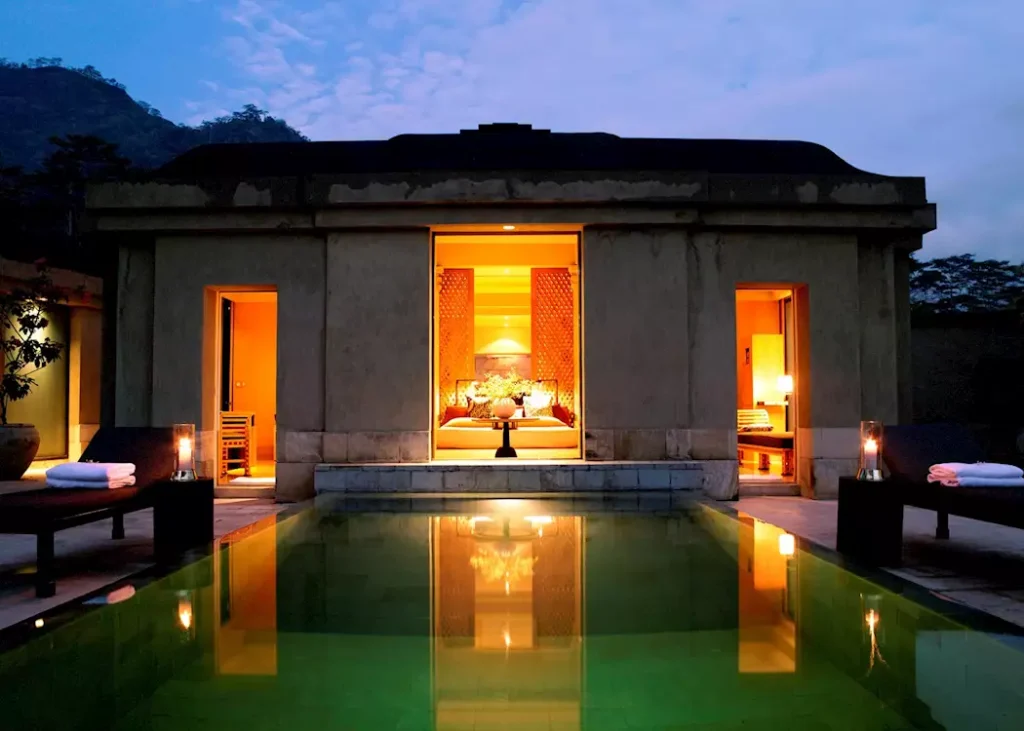
Set amidst Java’s rice terraces and in symbiotic dialogue with the ancient Borobudur temple, Amanjiwo by Ed Tuttle is a meditation on form and spirituality. Its domed rotunda, colonnades, and volcanic stone echo millennia-old traditions. The result is a resort simultaneously timeless and contemporary—a place where Circulation, materiality, and views are orchestrated to nurture both introspection and connection. Such iconic resorts embody deep respect for local culture, translating heritage into world-class hospitality.
The Icehotel, Sweden: Ephemeral Art and Arctic Innovation
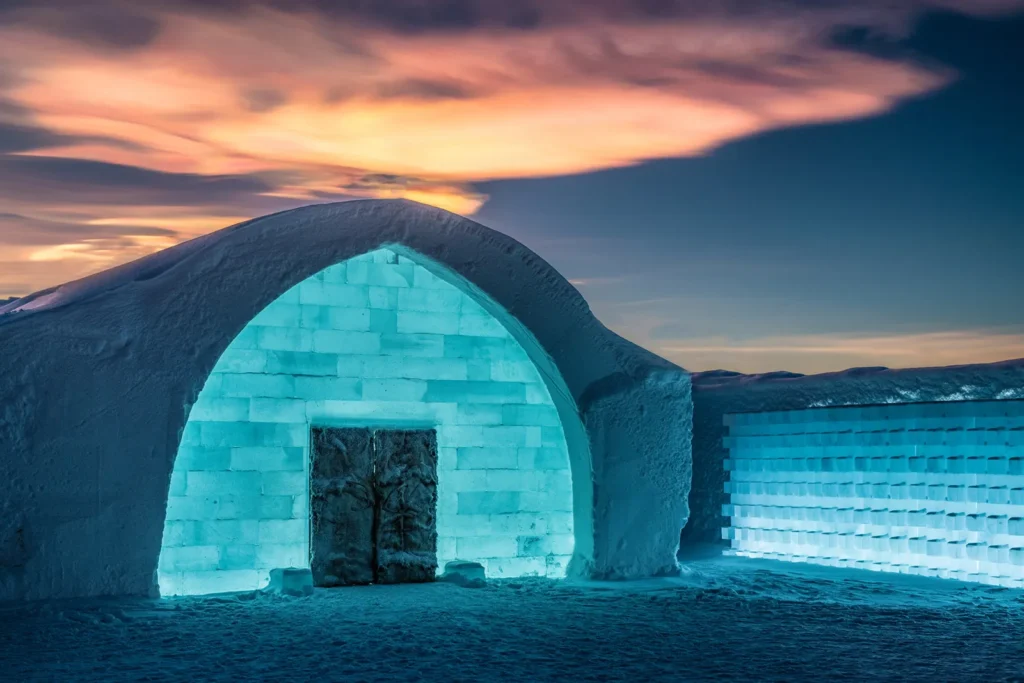
Challenging conventions, the Icehotel in Swedish Lapland is a fleeting architectural marvel—entirely sculpted from ice and snow, recreated each winter by an international cadre of artists and designers. Here, luxury resort architecture mingles with performance art, and transience itself becomes a virtue. As visitors slumber beneath crystalline vaults and aurora-lit skies, the Icehotel serves as both destination and conversation piece, forever expanding our imagination of hospitality’s possibilities.
Materials and Methods: Innovations in Luxury Resort Design
Luxury resort architecture is undergoing a renaissance, as new materials and technologies enable ever more ambitious ideas. Yet, the most effective iconic resorts maintain a reverence for craftsmanship, locality, and ecological intelligence.










