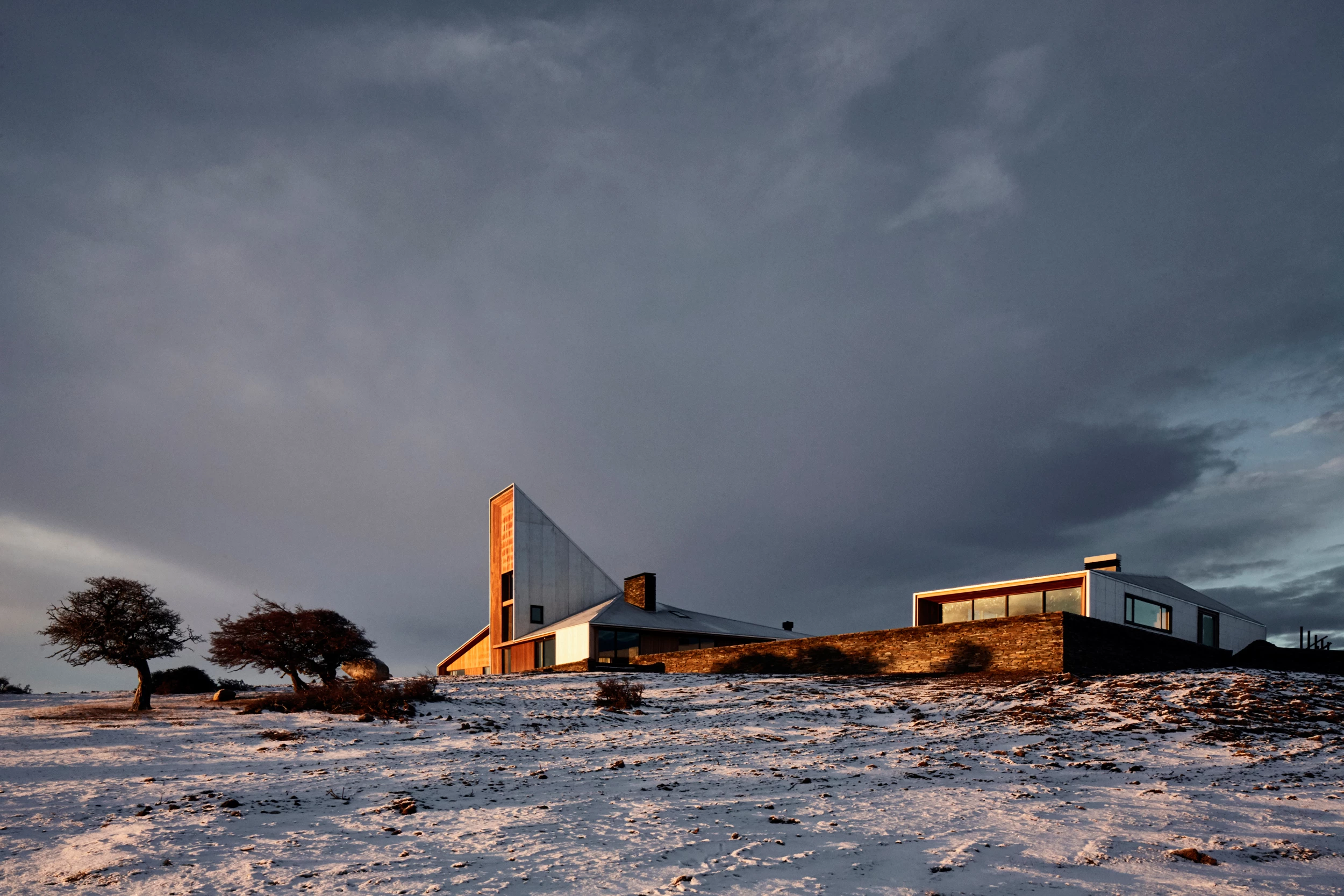
In the vast, sweeping pampas of Argentina, a unique architectural tradition flourishes, one that gracefully marries historical legacy with high design. Argentine estancia homes, once at the heart of gaucho and ranching culture, have evolved into coveted icons of South American architecture. Today, these estates captivate connoisseurs of design, culture, and luxury living alike, offering a confluence of authenticity, craftsmanship, and contemporary vision. For international architects, designers, and discerning investors, exploring the world of Argentine estancias is to venture into the soulful crossroads where heritage and modernity illumine the art of home living.
Argentine Estancia Homes: Origins and Evolving Identity
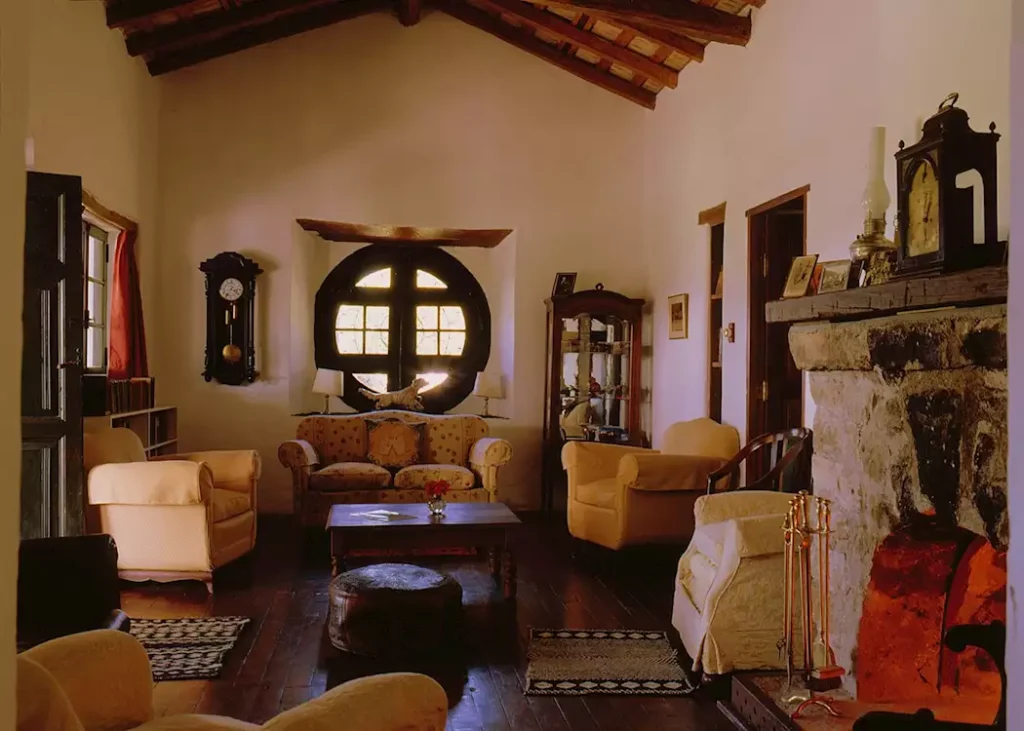
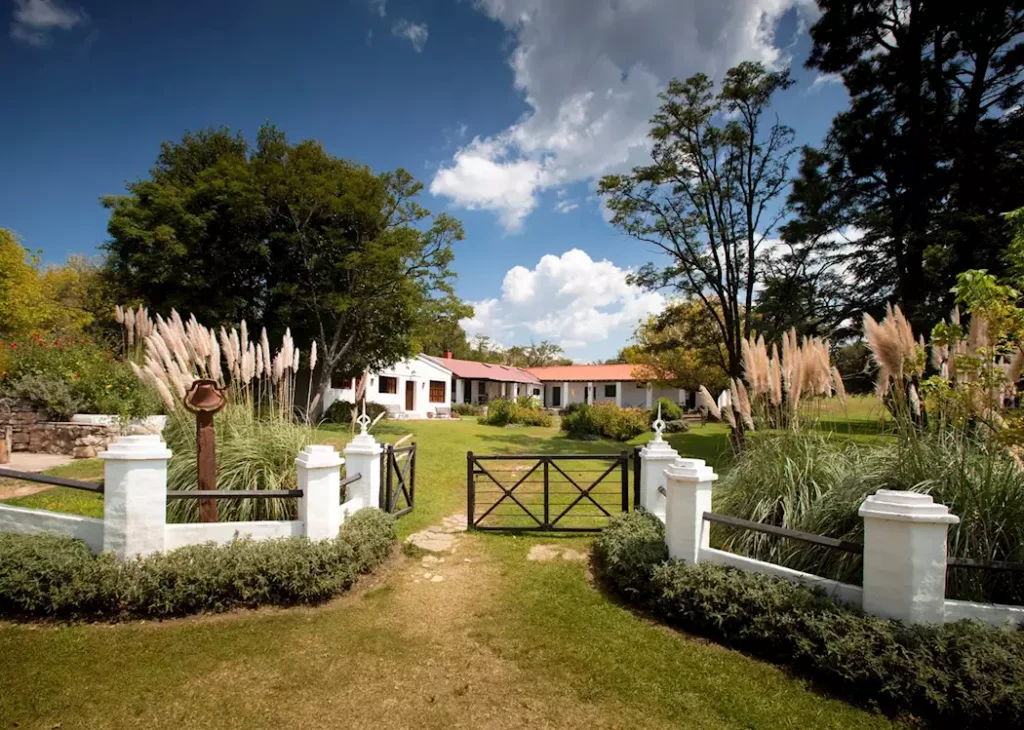
The concept of the Argentine estancia home was born in the colonial era, when vast tracts of land were bequeathed to Spanish nobility and enterprising settlers. These estates, farmsteads sprawling over hundreds or sometimes thousands of hectares, served as the economic and social hub of rural Argentina. Historically, the architecture was a pragmatic response to the rigors of frontier life: thick masonry walls, deep galleries (verandas), traditional clay tile roofs, and interiors configured for both familial intimacy and robust hospitality.
Yet, beneath this utilitarian heart lay a deep sensitivity to place and time. Over centuries, the estancia evolved, shaped by global influences, from neoclassical and Italianate aesthetics to art deco and, later, minimalist references. Each metamorphosis mirrored Argentina’s evolving identity and cosmopolitan aspirations while remaining deeply rooted in local craft traditions and the vast, elemental landscape.
The Anatomy of an Estancia: Essentials of Form and Function
What defines an estancia, beyond its extensive lands, is the singularity of its home. The architecture typically embraces:
- Galerías: Broad, covered outdoor corridors providing essential shade and a seamless transition between interior and exterior spaces.
- Patios: Central courtyards act as both climatic mediators and serene sanctuaries, often lush with jasmine or native flora.
- Materials: Traditional estancias utilize local stone, baked clay, timber, and wrought iron, rendered in a manner that feels both earthy and aristocratic.
- Symmetry and Scale: Inspired by classical European paradigms, yet adapted for horizontal vistas and social gatherings.
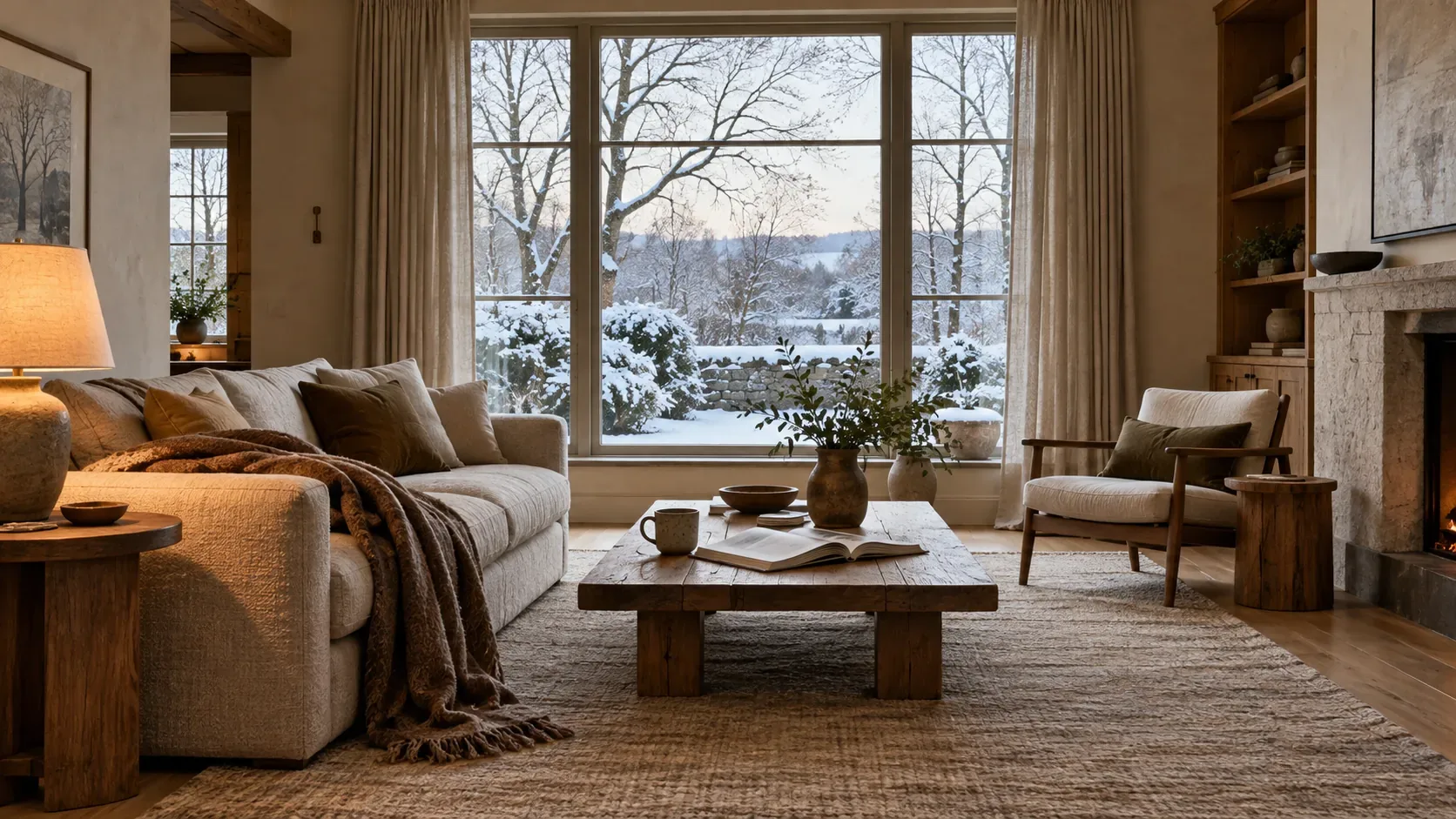
- Interiors: High-ceilinged salons, antique chimeneas (fireplaces), and bespoke furniture pieces tell stories of old-world refinement and Argentine conviviality.
The Modern Revival: Heritage Reimagined in Contemporary Design
In the twenty-first century, Argentine estancia homes have become laboratories for the synthesis of tradition and innovation. Leading Argentine and international architects are restoring and reinterpreting historic estancias, infusing them with contemporary sensibilities while respecting their original spirit. The result: a living dialogue between past and present that amplifies the estancia’s potency as a symbol of South American architecture’s depth and flexibility.
Signature Design Themes in Contemporary Estancias
- Restorative Minimalism: Clean lines, restrained color palettes, and open-plan layouts allow original features, such as exposed beams or artisan tilework, to shine.
- Sustainable Integration: Solar arrays, passive cooling, reed filtration ponds, and native plant landscapes underscore a commitment to responsible stewardship amidst agrarian splendor.
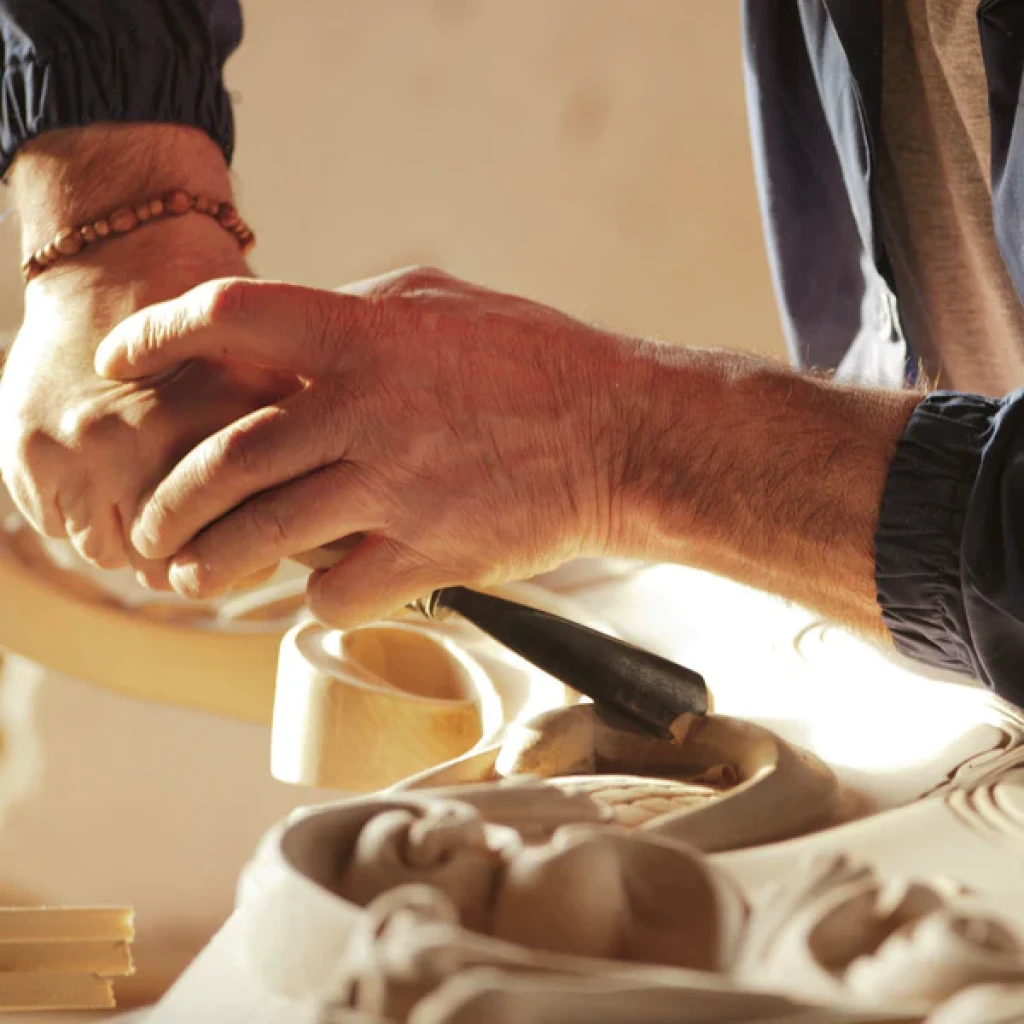
- Global Accents, Local Craftsmanship: Contemporary furnishings mingle with handcrafted Argentine textiles, leatherwork, and ironmongery, maintaining a tactile, intimate character.
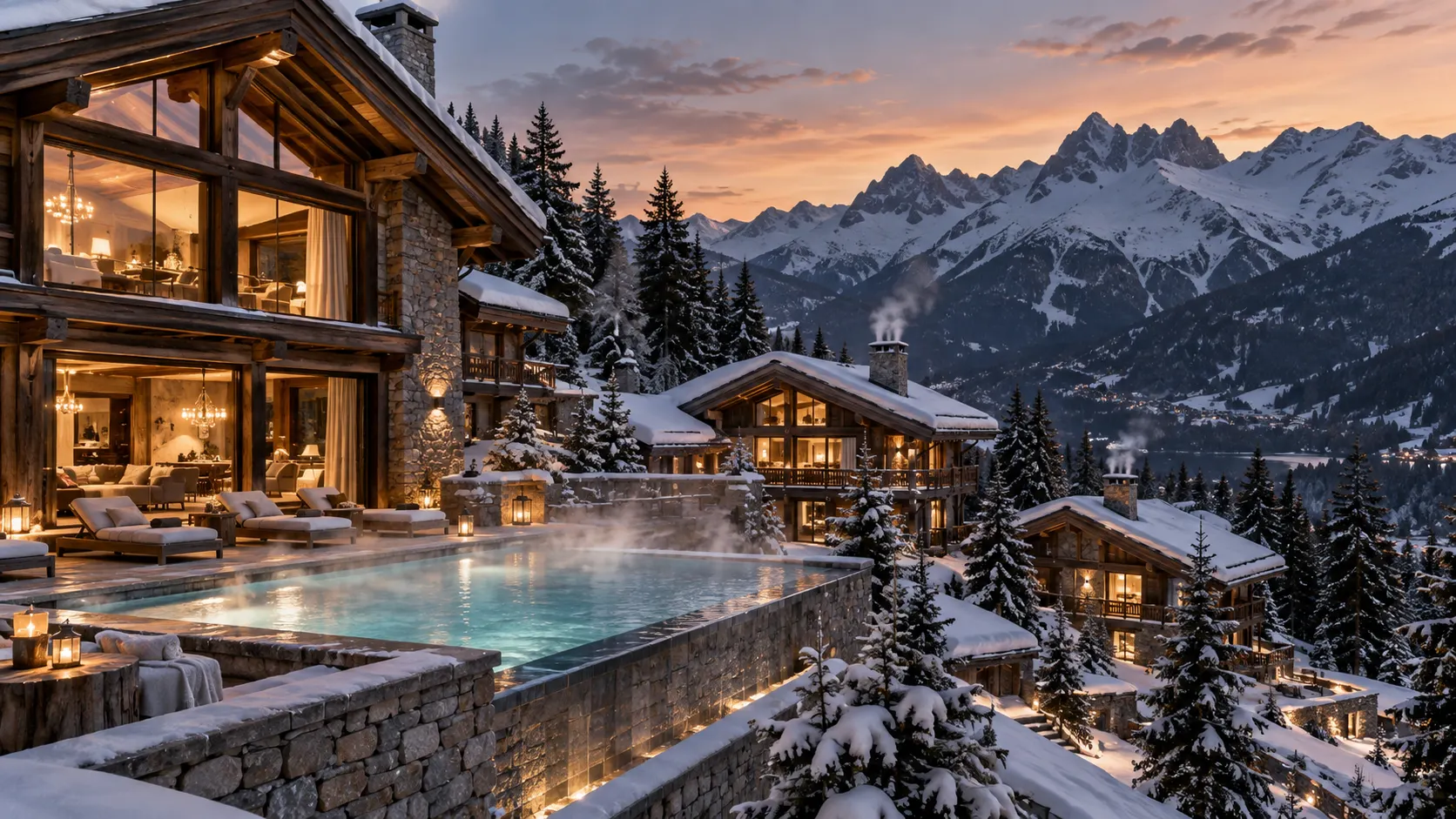
- Immersive Outdoor Living: Expansive terraces, infinity pools mirroring the pampas, and outdoor asados (barbecue spaces) celebrate the connection to land and sky.
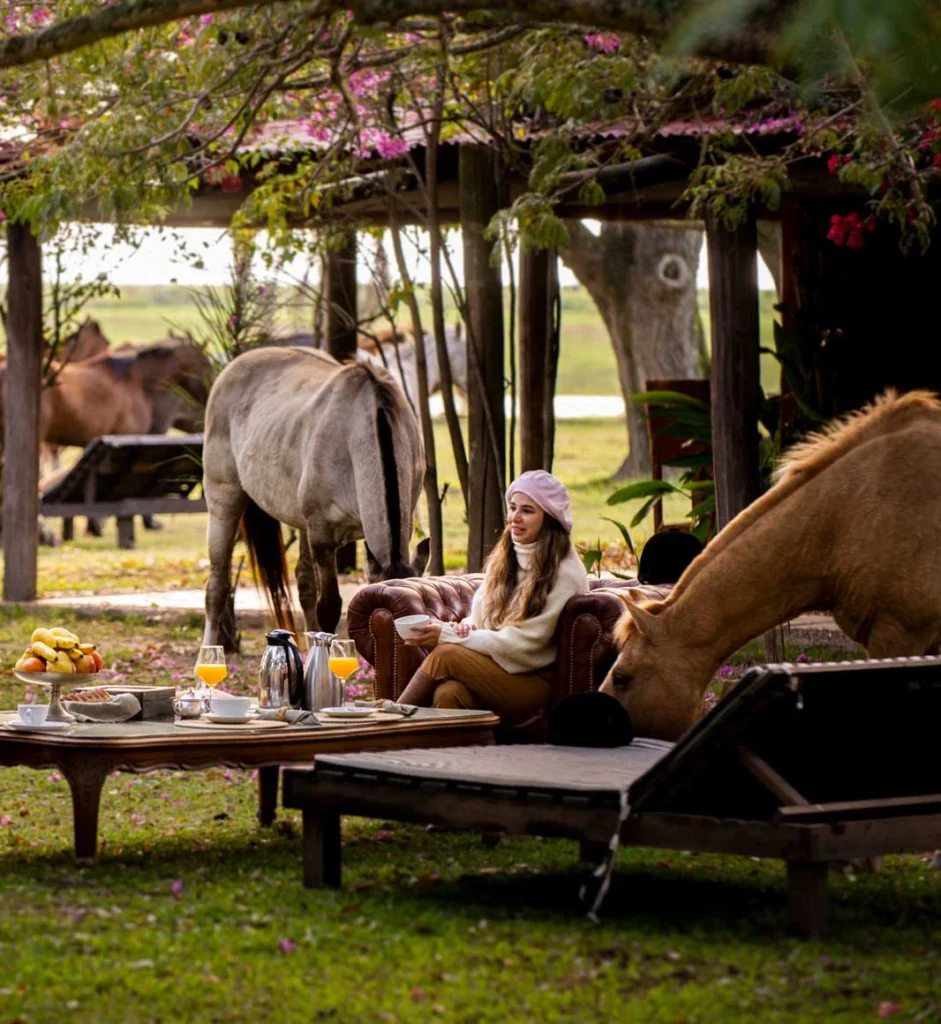
Case Study: Estancia La Fortuna
A shining exemplar, Estancia La Fortuna near San Antonio de Areco, marries heritage with high design. Its original nineteenth-century Italianate villa, meticulously restored by Buenos Aires architects, features period frescoes, gilt detailing, and hand-laid parquet. Contemporary interventions include glass-walled salons, a spa pavilion inspired by indigenous patterns, and a landscape design that draws visual lines between ancient ombú trees and prairies shimmering to the horizon. This reinvention honors both the estancia’s storied past and the expectations of a cosmopolitan 21st-century clientele.
Argentine Estancias as Cultural and Design Icons
Unlike generic luxury homes, Argentine estancia homes encapsulate a profound sense of place. Their designs are never purely aesthetic, their DNA embodies regional geography, social rituals, and a reverence for intergenerational memory. This makes estancias unique not only within South American architecture but as global exemplars of how built environments can embody collective identity and aspiration.
Estancias in Hospitality, Real Estate, and Conservation
Today, many historic estancias have been transformed into immersive hotels, cultural centers, or private residences, catering to international tastemakers seeking authenticity and experiential luxury. Their adaptive reuse is notable for the following trends:
- Design-Centric Hospitality: High-profile projects fuse curated interiors with authentic gaucho experiences, horseback riding, polo, vineyard tours, defining a new paradigm for destination travel.
- Investment Potential: As demand for properties that blend exclusivity, sustainable practices, and heritage value grows, Argentine estancia homes are drawing increasing attention from high-net-worth individuals and global real estate visionaries.
- Cultural Preservation: Private and public initiatives prioritize the restoration, archiving, and public engagement with these estates to safeguard Argentina’s architectural patrimony for future generations.
Influences and Insights: The Enduring Legacy of South American Architecture
At their best, Argentine estancia homes embody the philosophical core of South American architecture: a willingness to experiment across time, geography, and society, without severing the thread of origin. They distill the drama of vast natural backdrops, the warmth of handiwork, and the vitality of reinvented tradition. For global architects and designers, the estancia serves as a paradigm, encouraging reflection on how to honor local heritage while addressing evolving lifestyles and ecological realities.
Lessons for Contemporary Architectural Practice
- Sustain Context: Embrace the nuances of landscape, climate, and culture in architectural expression.
- Champion Craft: Collaborate with local artisans and deploy native materials to achieve soulful, enduring design.
- Innovate Authentically: Allow innovation to enrich, never erase, historic character and collective memory.
- Prioritize Sustainability: Integrate new technologies to ensure not only opulence but also ecological mindfulness.
Looking Forward: The Future of Argentine Estancia Homes
As the world pivots toward authenticity and regeneration, Argentine estancia homes stand poised for a renaissance. Visionary owners, architects, and investors are redefining these singular estates, not as static monuments but as living works of art. In doing so, they reaffirm the estancia’s role as an exemplar within South American architecture, one that invites us all to consider the harmony of heritage, high design, and the rhythms of the land.
Why the World Watches Argentine Estancias
- Architectural Lessons: A model for sensitive adaptive reuse and narrative-driven design.
- Cultural Magnetism: An invitation to participate in vibrant traditions and engage with an extraordinary setting.
- Exclusive Opportunity: For the discerning, these homes are a passport to a lifestyle where legacy and innovation coexist in rare harmony.
For the connoisseur of design, culture, and refined living, the Argentine estancia home is more than a property, it is a living testament to the poetic intersection of history and high design. As both an architectural artifact and a contemporary canvas, the estancia illuminates the unique riches of South American architecture and the perennial allure of the handcrafted, the storied, and the sublime.