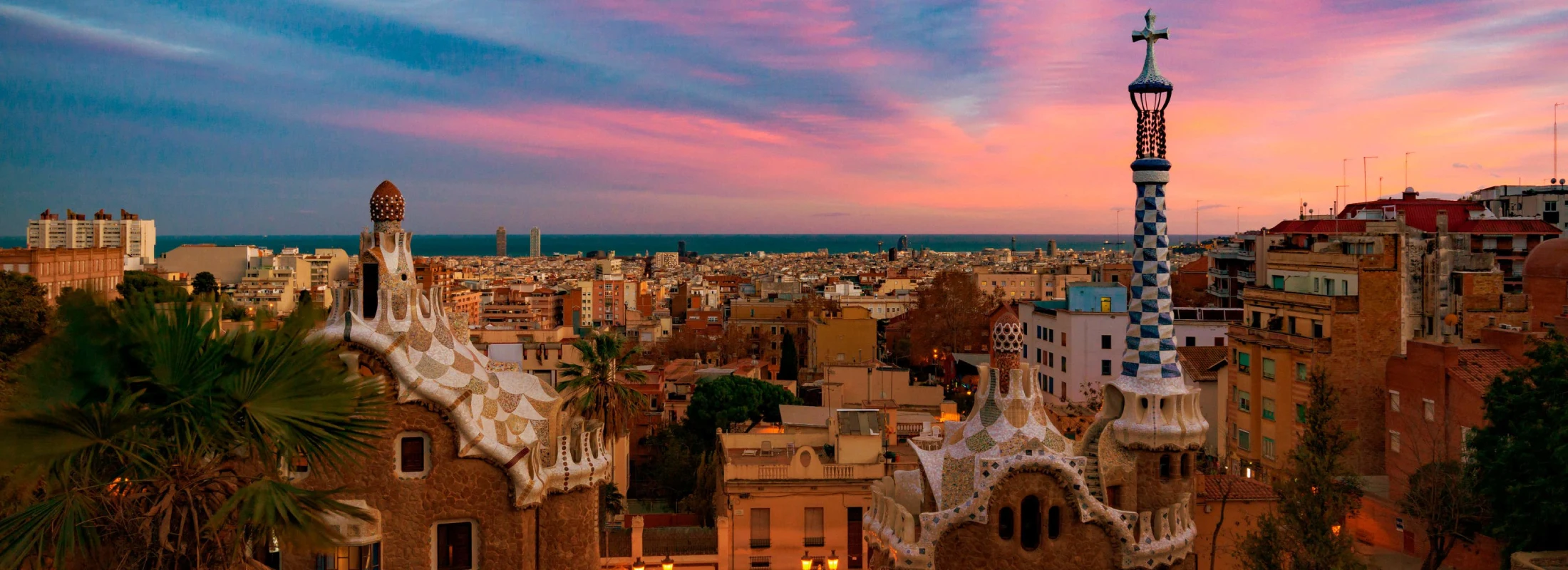
Barcelona is one of the world’s most influential cities for modern architecture, where bold artistic experimentation meets urban planning, craftsmanship, and cultural identity. For interior designers, architects, furniture brands, and luxury design studios, the city offers a living laboratory of ideas—from Catalan Modernisme to contemporary architectural icons.
The architectural landscape of Barcelona is defined by visionary architects who challenged conventions, integrating nature-inspired forms, innovative structural solutions, and decorative arts into residential and public buildings. Walking through the city reveals a layered design narrative where historic modernist masterpieces coexist with cutting-edge contemporary structures.
This guide explores some of the best modern architecture to see in Barcelona, highlighting landmark buildings that continue to inspire designers worldwide.
Barcelona: A Global Capital of Modern Architecture
Barcelona’s reputation as a design capital began in the late 19th century with the rise of Catalan Modernisme, a movement closely related to Art Nouveau. Architects sought to combine art, craftsmanship, and architecture into cohesive works, producing highly expressive buildings with elaborate façades, organic forms, and custom interiors.
The city’s Eixample district, designed by urban planner Ildefons Cerdà, became the perfect stage for architectural experimentation. Wide boulevards and uniform blocks allowed architects to reinterpret residential buildings as architectural masterpieces.
Today, Barcelona remains a hub of innovation where historic modernist icons and contemporary architecture coexist, attracting designers from across the world.
1. Casa Milà
Antoni Gaudí’s Sculptural Masterpiece
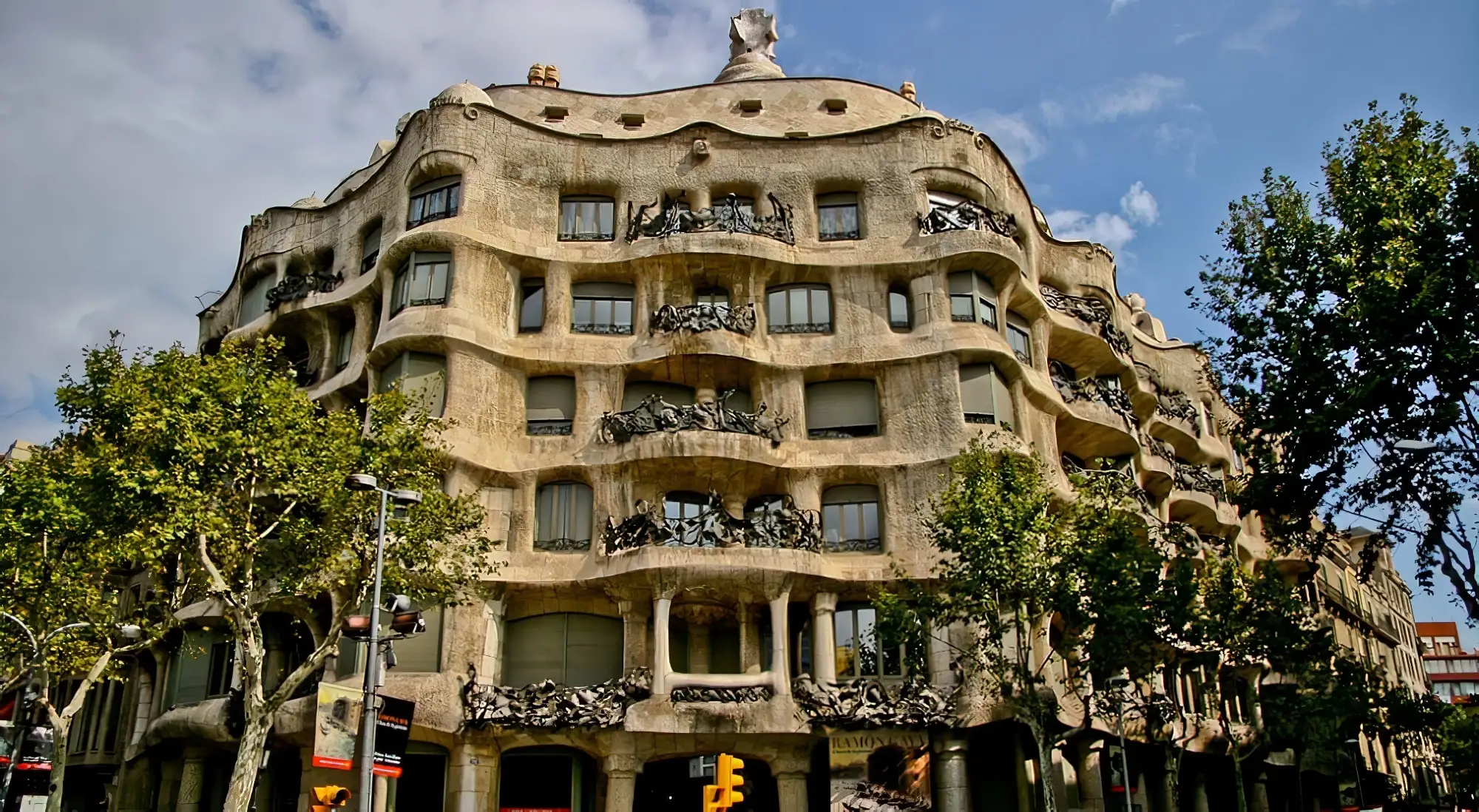
One of the most iconic examples of modern architecture in Barcelona is Casa Milà, also known as La Pedrera. Designed by visionary architect Antoni Gaudí between 1906 and 1912, the building redefined residential architecture with its fluid stone façade and organic geometry.
Unlike traditional apartment buildings of the era, Casa Milà features a self-supporting stone façade and flexible interior floor plans, allowing spaces to evolve over time. The building’s undulating exterior resembles waves or carved rock formations, while the rooftop hosts sculptural chimneys that have become iconic elements of Barcelona’s skyline.
For interior designers and architects, Casa Milà is a case study in integrated design, where structure, ornament, furniture, and spatial flow are conceived as one unified composition.
2. Sagrada Família
A Monument of Organic Architecture
Perhaps the most famous architectural landmark in the city, the Sagrada Família is a basilica that represents the pinnacle of Gaudí’s visionary approach to modern architecture. Construction began in 1882 and continues today, with the building nearing completion after more than a century of work.
The church combines Gothic verticality with biomorphic geometry, creating structural forms inspired by trees, bones, and natural systems. Advanced digital modeling and prefabrication techniques are now accelerating construction, demonstrating how contemporary technology can continue Gaudí’s legacy.
For architects and designers, the building is an extraordinary example of architecture as narrative, engineering, and sculpture simultaneously.
3. Casa Batlló
Architecture Inspired by Nature
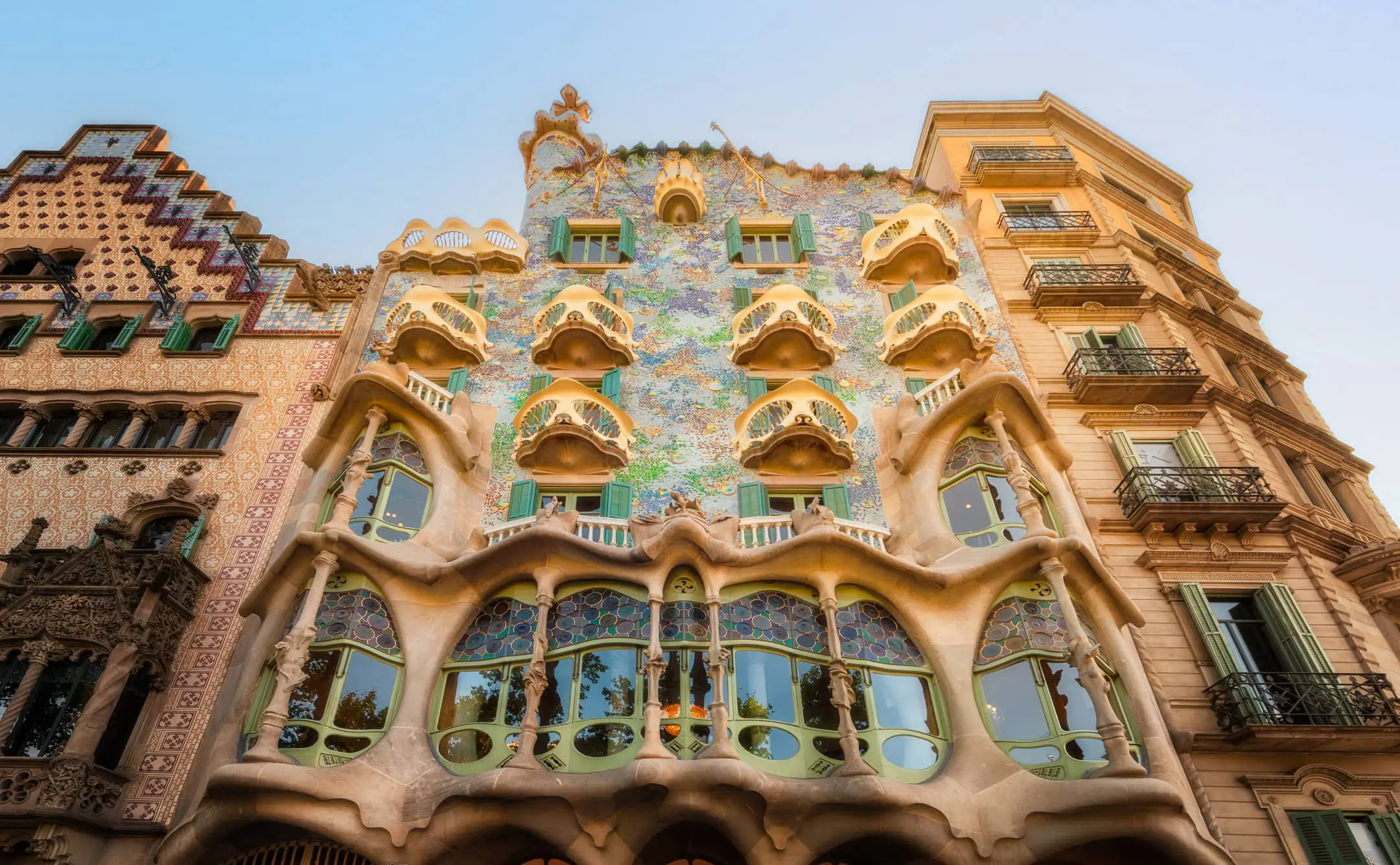
Located on the elegant Passeig de Gràcia boulevard, Casa Batlló is widely considered one of Gaudí’s most imaginative works. The building’s façade features flowing shapes, colorful mosaics, and skeletal balconies that evoke marine life and organic forms.
The design demonstrates Gaudí’s philosophy that architecture should reflect the rhythms of nature, with fluid lines replacing rigid geometry. Interiors feature curved woodwork, custom furniture, and innovative lighting solutions that continue to inspire modern interior design.
Casa Batlló exemplifies how architectural storytelling and craftsmanship can transform a residential building into an immersive artistic experience.
4. Casa de les Punxes
A Castle-Like Modernist Landmark
Designed by Josep Puig i Cadafalch in 1905, Casa de les Punxes blends medieval influences with Catalan Modernisme. The building is easily recognizable thanks to its six pointed towers crowned with conical spires, which give it the appearance of a fairy-tale castle.
Commissioned by Bartomeu Terradas as three connected residences for his sisters, the building incorporates stone façades, decorative ironwork, and stained glass typical of the modernist movement.
For designers, Casa de les Punxes illustrates how historical inspiration and modern construction techniques can coexist within a unified architectural language.
5. Casa Lleó Morera
Decorative Excellence in Modernisme
Casa Lleó Morera, designed by Lluís Domènech i Montaner in the early 20th century, represents one of the most elaborate expressions of Catalan Modernisme.
Located in Barcelona’s famous “Block of Discord,” the building is renowned for its intricate façade sculptures, mosaics, and decorative craftsmanship. The residence received Barcelona’s prestigious architecture award in 1906, highlighting its exceptional artistic quality.
The building exemplifies how architects of the period collaborated with artisans, sculptors, and craftsmen to create fully integrated works of art.