Tuscany has long captured the imagination of designers, architects, and tastemakers who seek authenticity, craftsmanship, and a deep connection between space and culture. Rolling hills, centuries-old stonework, and a legacy of artisanal excellence make this Italian region a living gallery of interior inspiration. For professionals in interior design, furniture design, and architecture, exploring the finest villas in Tuscany offers far more than aesthetic pleasure—it reveals a masterclass in materiality, proportion, and timeless style.
Below is a curated exploration of some of the most inspiring villas in Tuscany, each offering a distinct perspective on artisan interiors and spatial storytelling.
A Dialogue Between Architecture and Landscape
The defining characteristic of Tuscan villas lies in their seamless integration with the surrounding landscape. Rather than imposing structure on nature, these homes embrace it. Terracotta tones mirror the soil, while weathered stone reflects the passage of time.
Inside, this philosophy continues. Large, open rooms often frame views of vineyards or olive groves, turning windows into living artworks. Designers can observe how natural light shapes interiors throughout the day—soft morning illumination on limewashed walls, warm golden hues at sunset bouncing off rustic wood beams.
Materials play a central role here. Expect hand-finished plaster, reclaimed timber, and locally quarried stone. These elements aren’t just decorative; they tell a story of place. For furniture brands and architects, this reinforces the importance of sourcing materials with a narrative and a sense of origin.
Villa Cetinale: Sculptural Elegance and Symmetry
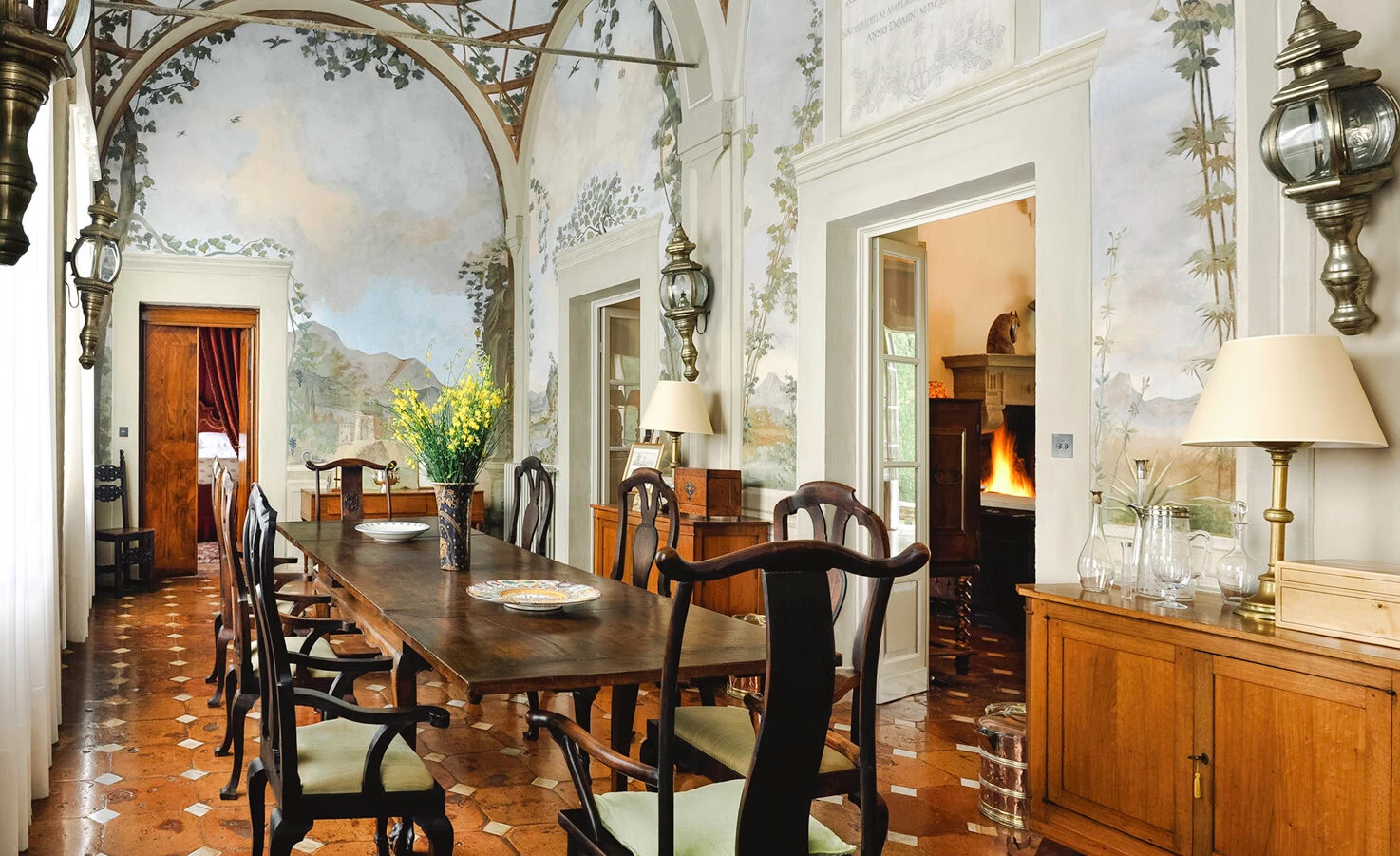
Villa Cetinale stands as one of Tuscany’s most iconic properties, offering a refined interpretation of classical Italian design. Its interiors balance grandeur with restraint, showcasing how symmetry can create both drama and calm.
High ceilings, frescoed walls, and carefully curated antiques define the space. Yet nothing feels excessive. Each room demonstrates intentional composition—furniture placement aligns with architectural axes, and color palettes remain muted to highlight craftsmanship rather than ornament.
For interior designers, Villa Cetinale exemplifies how to work with heritage elements without overwhelming modern sensibilities. The layering of textures—aged wood, stone floors, and soft textiles—creates depth without clutter.
Villa La Foce: Where Modernism Meets Tradition
Villa La Foce offers a different kind of inspiration, blending traditional Tuscan architecture with early modernist influences. The interiors reflect a thoughtful evolution rather than a strict adherence to historical style.
Rooms feel airy and functional, with clean lines complementing rustic features. Neutral tones dominate, allowing subtle details—handwoven fabrics, ceramic accents, and bespoke furniture—to stand out.
This villa provides valuable insight into transitional design. Architects and luxury studios can study how historical frameworks adapt to contemporary living without losing character. It’s a lesson in balance: preserving authenticity while embracing innovation.
Borgo Santo Pietro: Craftsmanship as a Lifestyle
Borgo Santo Pietro operates as both a villa estate and a celebration of artisanal excellence. Every detail, from hand-embroidered linens to custom-built furniture, reflects a commitment to craftsmanship.
The interiors lean toward a refined rustic aesthetic, where comfort meets sophistication. Soft, layered textiles contrast with raw materials like stone and wood. Lighting plays a crucial role, often designed to mimic candlelight, enhancing the warmth of each space.
Furniture designers can draw particular inspiration from the bespoke pieces found here. Each item feels intentional, often handcrafted using traditional techniques. This reinforces a growing demand in luxury markets: authenticity over mass production.
Villa Lena: Artistic Expression and Eclectic Interiors
Villa Lena stands out for its creative energy. As a residency for artists and designers, it offers interiors that feel dynamic and evolving rather than static.
Expect a mix of vintage finds, contemporary art, and handcrafted objects. Walls may feature bold artwork, while furniture pieces vary in style yet maintain cohesion through color and material.
This villa challenges conventional notions of Tuscan interiors. It shows that tradition doesn’t have to limit creativity. For design professionals, Villa Lena encourages experimentation—combining old and new, polished and raw, curated and spontaneous.
Castello di Reschio: Minimalism Rooted in Heritage
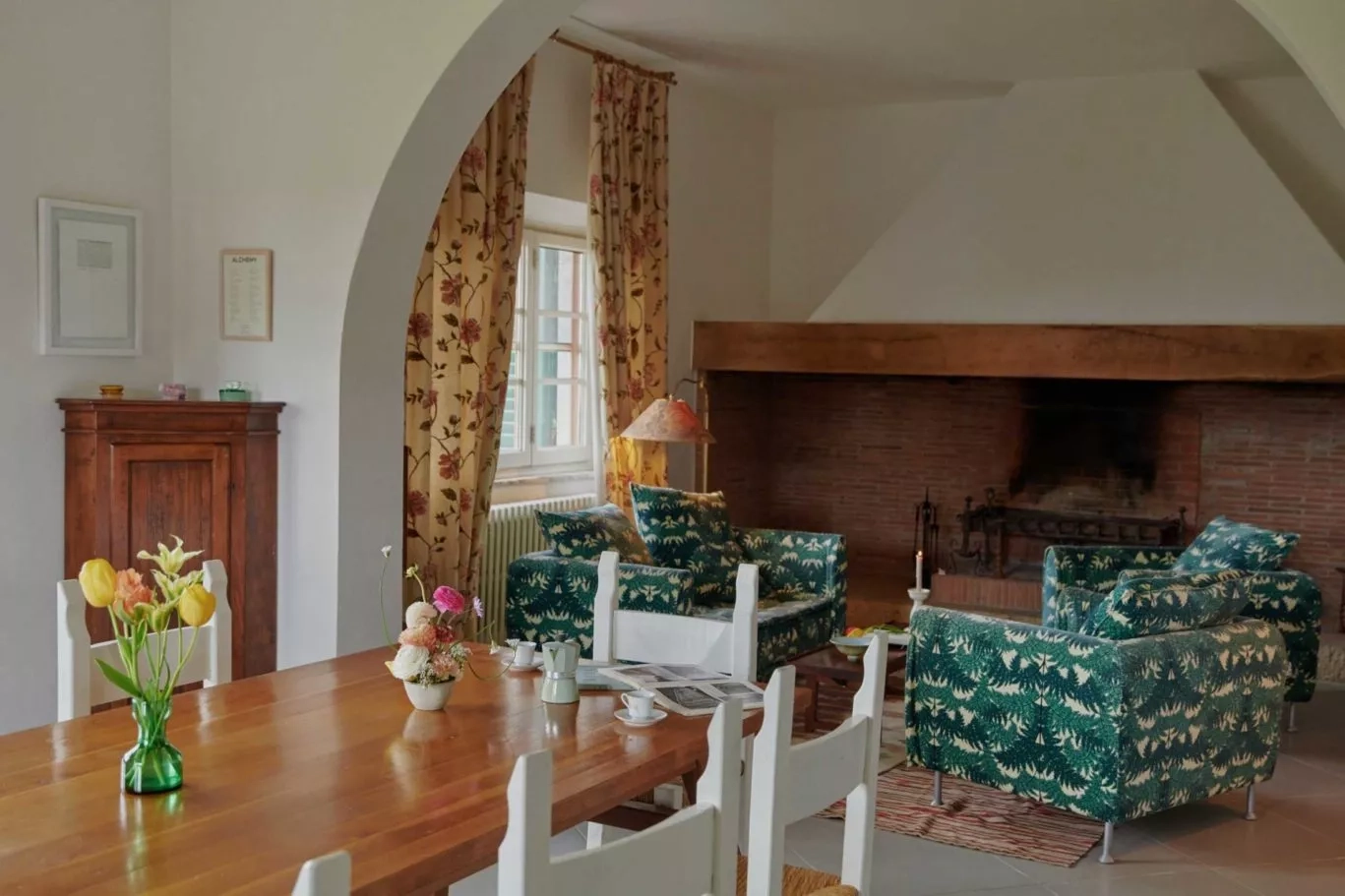
Castello di Reschio represents a more restrained, almost minimalist approach to Tuscan design. The interiors strip away excess to highlight form, proportion, and material quality.
Stone walls remain exposed, wooden beams retain their natural finish, and furniture pieces emphasize craftsmanship over decoration. Color palettes stay neutral—earth tones, soft grays, and muted greens dominate.
What makes this villa particularly inspiring is its precision. Every element feels deliberate, from the scale of furniture to the placement of lighting fixtures. Architects and luxury studios can study how minimalism can coexist with historical richness, creating spaces that feel both grounded and contemporary.
The Role of Artisan Craft in Tuscan Interiors
Across all these villas, one theme remains consistent: a deep respect for artisan craft. Whether through hand-carved furniture, custom ironwork, or traditional ceramics, Tuscan interiors celebrate the human touch.
This emphasis on craftsmanship creates spaces that feel authentic and enduring. Unlike trend-driven design, these interiors age gracefully. Materials develop patina, textiles soften, and imperfections add character.
For professionals in interior design and furniture production, this highlights a key principle: investing in craftsmanship elevates both aesthetic and emotional value. Clients increasingly seek pieces with meaning—objects that tell a story rather than simply fill a space.
Color, Texture, and Atmosphere
Tuscan villas rarely rely on bold color statements. Instead, they build atmosphere through subtle variation. Warm neutrals dominate—ochre, sienna, cream, and muted greens.
Texture becomes the primary design tool. Rough stone contrasts with smooth plaster, while heavy wooden tables pair with soft linen upholstery. This interplay creates visual interest without overwhelming the senses.
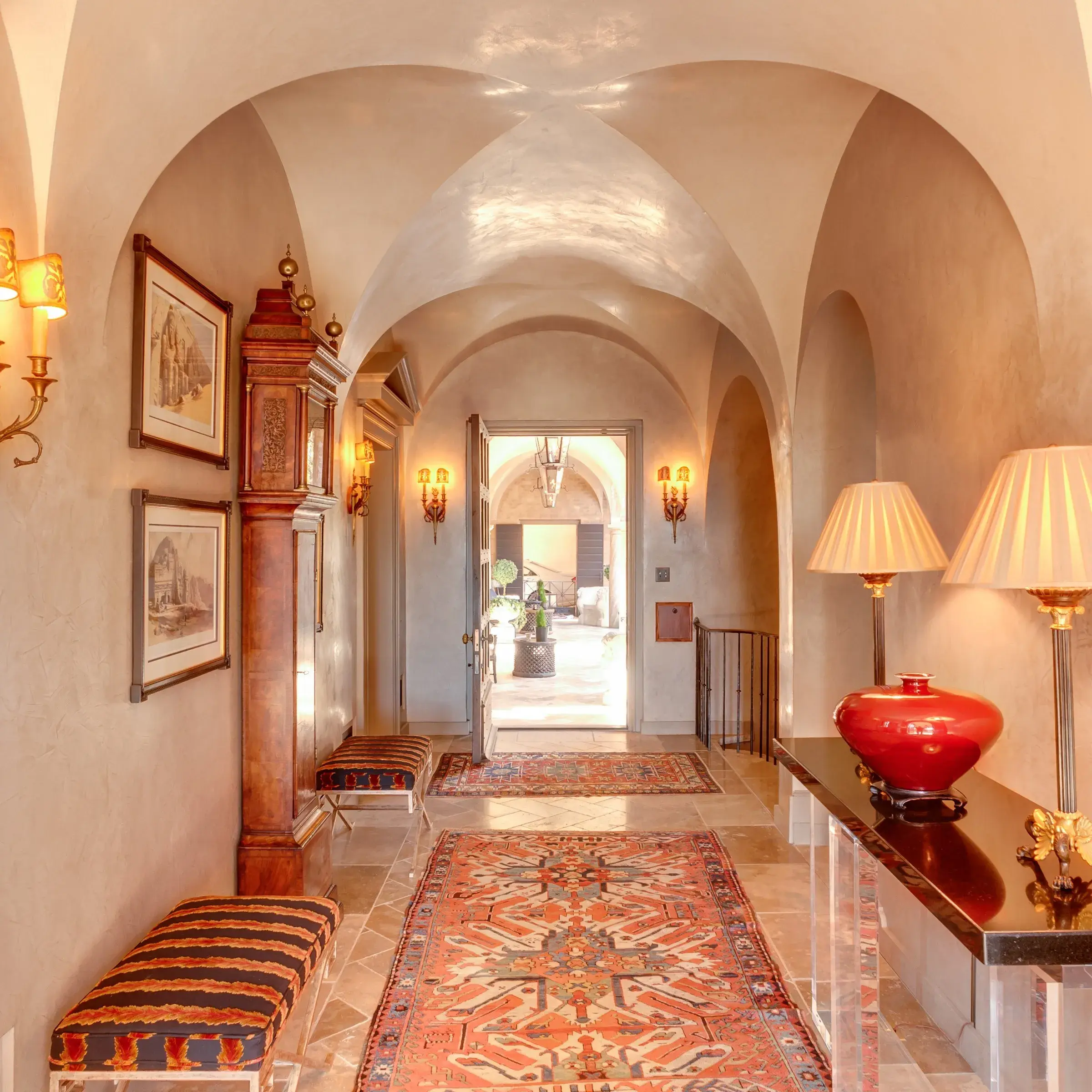
Lighting further enhances the mood. Natural light remains central, but artificial lighting often stays soft and diffused. Designers can observe how layered lighting—table lamps, wall sconces, and candles—creates intimacy within expansive spaces.
Why Villas in Tuscany Continue to Inspire
The enduring appeal of villas in Tuscany lies in their authenticity. These spaces don’t chase trends; they evolve organically over time. Each villa reflects a dialogue between past and present, nature and architecture, craftsmanship and comfort.
For interior designers, architects, and luxury brands, these properties offer more than visual inspiration. They provide a framework for creating spaces that feel grounded, intentional, and timeless.
By studying these villas, professionals can better understand how to balance heritage with innovation, simplicity with richness, and structure with spontaneity. Tuscany doesn’t just showcase beautiful interiors—it reveals a philosophy of design rooted in authenticity and human connection.
In a world increasingly driven by speed and mass production, the villas of Tuscany stand as a reminder of the value of patience, craft, and thoughtful design. For those shaping the future of interiors and architecture, their lessons are both relevant and enduring.












