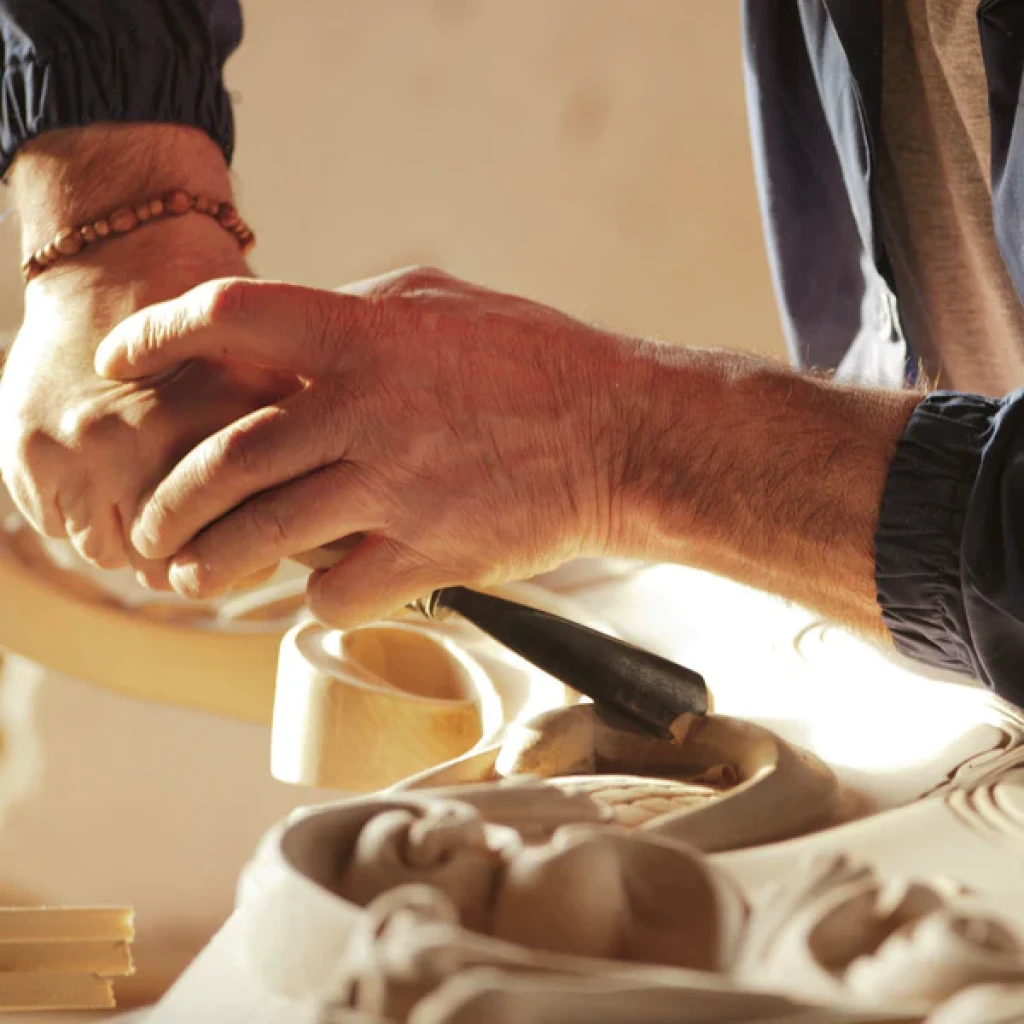
In recent years, a sophisticated resurgence has swept through the world of contemporary architecture, reigniting a centuries-old romance between ceramics and the art of façades. Spanish architecture, in particular, has emerged as a leading protagonist in reviving and reinventing ceramic façades, invoking the rich heritage of ceramics in design while setting a new benchmark for craftsmanship, sustainability, and urban identity. From Barcelona’s iconic streetscapes to avant-garde coastal villas, the Spanish revival of façade ornamentation in ceramics is encompassing not only aesthetic value but also a profound dialogue with culture and the built environment.
The Historical Legacy: Ceramics Shaping Spanish Architectural Identity
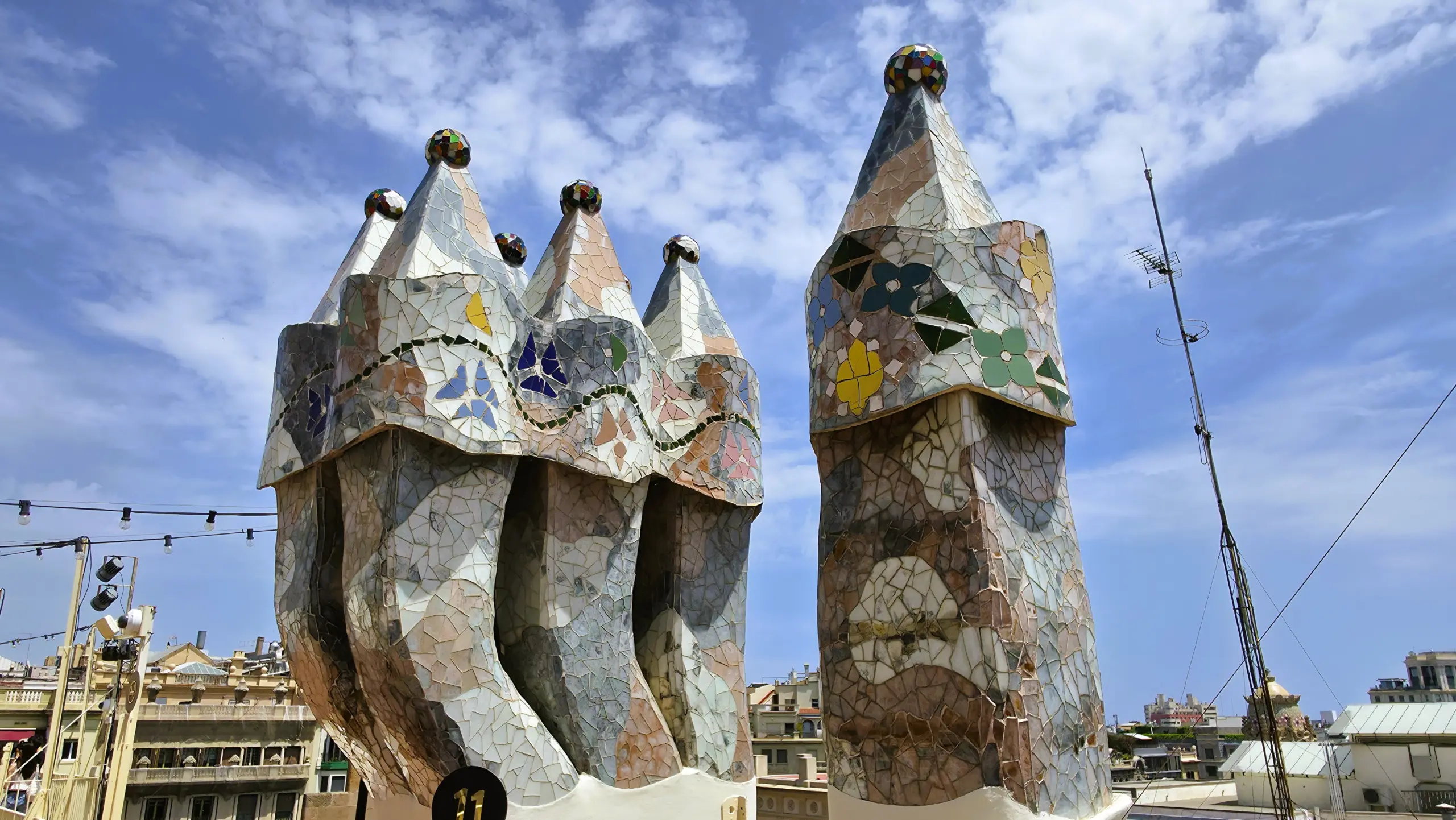
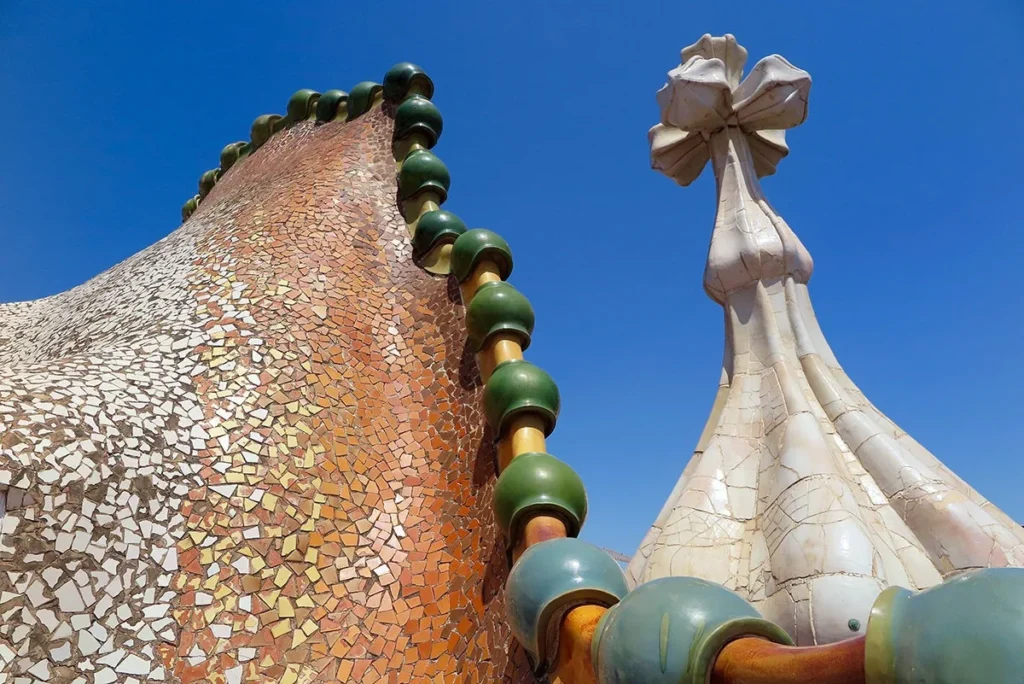
Ceramics have been integral to the architectural lexicon of Spain for over a millennium. From the Moorish-influenced tile mosaics of the Alhambra to the exuberant Modernisme movement of the early twentieth century, ceramics have consistently graced Spanish buildings, translating stories, symbols, and artistic innovations onto the public canvas of their façades. This tradition reached its apotheosis with figures such as Antoni Gaudí, whose playful, nature-inspired mosaics transformed Barcelona’s skyline into a kaleidoscope of color and form.
Historically, ceramic façades served both decorative and practical purposes: they reflected sunlight, cooled interiors, and offered durable protection against the Mediterranean climate. These singular works, from the tiled azulejos of Seville to Madrid’s exquisitely clad townhouses, have imprinted a recognizable character upon Spanish architecture, one where craft and narrative intertwine.
Contemporary Revival: The New Language of Ceramic Façades
This intrinsic relationship between ceramics and Spanish architecture is experiencing a renaissance, but with a distinctly contemporary expression. Leading Spanish architects and internationally celebrated studios are rediscovering ceramics in design, championing its adaptability, ecological potential, and artisanal beauty. Rather than replicating the past, today’s practitioners are formulating a new design dialect, one where innovation and sustainability meet regional tradition.
Technological Advances and Sustainability
The recent evolution of ceramic production brings forth new possibilities for environmental stewardship and technological performance. High-tech fabrication methods enable complex, customizable shapes and surface finishes, opening new creative pathways for designers while reducing waste and energy consumption.
- Locally sourced clays minimize the carbon footprint.
- Advanced glazing improves longevity and resists UV damage.
- Vented ceramic façade systems enhance building insulation and energy efficiency.
This synergy of craft and innovation is positioning ceramic façades as a vanguard choice in climate-resilient, sustainable luxury architecture.
The Aesthetic Renaissance: Merging Past and Present
Spanish architects are deftly merging the symbolism and storytelling of traditional ceramics with bold, contemporary forms. Façades become dynamic canvases, marrying the tactile sensitivity of hand-thrown tiles with the precision of digital fabrication. Some of the most esteemed international examples include:
- Casa Batlló Renovation – The ongoing restoration of Gaudí’s masterpiece leverages bespoke, iridescent tiles crafted by regional artisans, reaffirming the significance of authentic materiality in landmark preservation.
- The San Telmo Museoa Extension in San Sebastián – Renowned for its innovative pierced ceramic screens, the building blurs boundaries between light, shadow, and solid mass, fostering a profound dialogue between old and new.
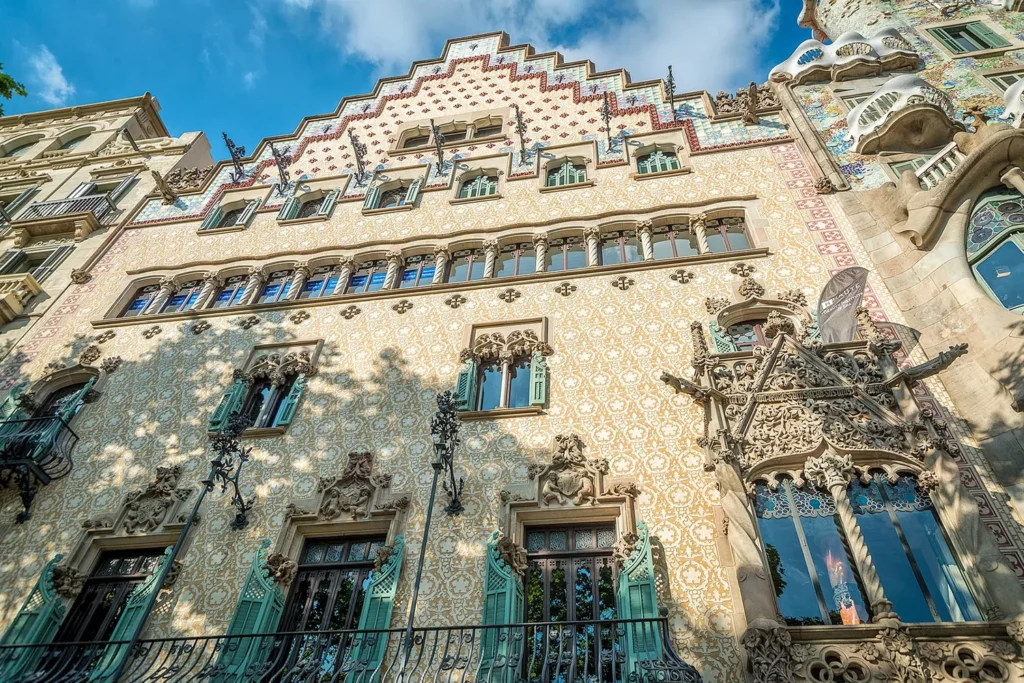
- Passeig de Gracia’s Boutique Residences – Contemporary luxury dwellings feature minimalist, large-format ceramic panels that pay homage to both classical motifs and avant-garde geometries.
The Allure of Ceramics in Design for Luxury Real Estate
With an escalating appetite among high-net-worth clients for residences that encapsulate regional authenticity and refined artistry, ceramics in design have transcended decorative gesture to become a marker of identity and prestige. Luxury real estate developments in Madrid, Mallorca, and Marbella are increasingly turning to custom ceramic façades as a means of bestowing heritage, texture, and soulful warmth upon modern living spaces.
For discerning buyers and design connoisseurs, ceramic façades offer unique advantages:
- Singular aesthetics rooted in cultural narrative.
- Exceptional durability and low maintenance.
- Enhanced thermal performance within eco-conscious concepts.
- The value of handcrafted, locally sourced materials.
These facets are not only elevating the visual distinctiveness of luxury homes but also enhancing their market appeal in an increasingly competitive global arena.
Architectural Case Studies: Spanish Innovation Meets Global Acclaim
Madrid: The Palacio de Cibeles
Once a grand 20th-century post office, the Palacio de Cibeles has undergone a sensitive restoration featuring a remarkable reinterpretation of ceramic ornamentation. Contemporary ceramic elements, produced through a collaboration between master artisans and architects, add a luminous skin to the façade, blending with original stonework and embracing the building’s civic gravitas.
Barcelona: The Torre Glòries
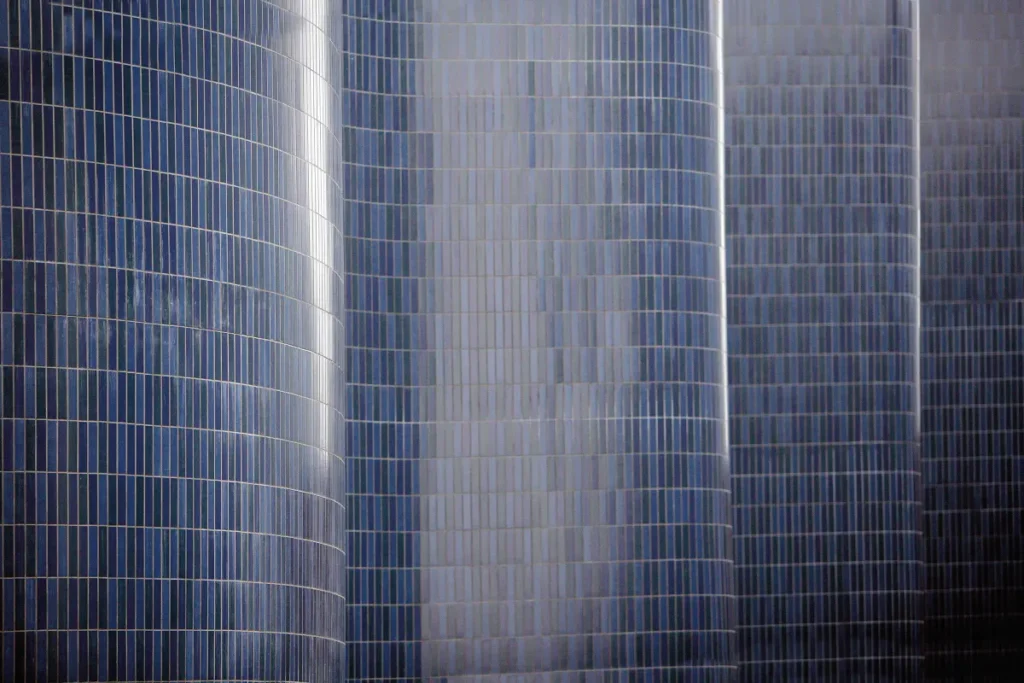
A radical approach to ceramics in design defines the Torre Glòries, where the façade undulates with a mosaic of glass and ceramic panels designed to refract the Mediterranean light throughout the day. This synergy of tradition and technology exemplifies how Spanish architecture continues to pioneer at the intersection of art and environment.
Valencia: Veles e Vents
The city’s vibrant waterfront is now home to Veles e Vents, a cutting-edge structure where ventilated ceramic façades help regulate indoor temperatures, reducing energy demand while lending a sleek, contemporary look that subtly references Valencia’s historic maritime ceramics.
Emerging Trends: Ceramics and the Future of Spanish Architecture
Color, Texture, and Pattern as Architectural Language
The next wave of Spanish architecture sees ceramics in design moving beyond color and pattern to explore three-dimensionality: sculptural reliefs, origami-inspired folds, and kinetic elements that animate facades throughout the day. Architects are leveraging parametric design software to orchestrate light, shadow, and tactility in ways that challenge the conventional limits of ceramics.
Cross-Cultural Collaborations
Spain’s burgeoning studio scene is increasingly international, with architects and designers from around the globe collaborating with Spanish ceramists. These partnerships are generating new vocabularies for ceramic façades that span from the quietly elegant to the exuberantly expressive, enriching landscapes from Singapore to São Paulo while amplifying Spain’s creative leadership in ceramics.
Why Choose Ceramics for Contemporary Façades?
For professionals and visionaries invested in the evolution of the built environment, ceramic façades present a wealth of advantages. These include:
- Environmental Stewardship: Reduced thermal bridging leads to higher energy efficiency.
- Design Versatility: Glazed, matte, or textured finishes facilitate limitless creative expression.
- Urban Identity: Ceramics imbue public and private realms with local character and tactile engagement.
- Longevity: Engineered ceramics are among the most durable exterior cladding materials available.
For the international community of architects, designers, and real estate experts, the renewed embrace of ceramics in façade design signals not just aesthetic refinement but a broader commitment to sustainable artistry and contextual relevance.
The Cultural and Sustainable Significance of Ceramic Façades
Far beyond ornamentation, the Spanish revival of ceramic façades is emblematic of a broader movement: a return to authenticity, sustainability, and cultural specificity in global architecture. Through the innovative application of ceramics in design, today’s Spanish architects and designers are both honoring the country’s extraordinary heritage and forging a visionary path for international practice.
As the built environments of tomorrow seek to balance ecological imperatives with the enduring poetry of craft, ceramics stand at the forefront, bridging history and modernity, locality and universality. For those shaping the next chapter of luxury real estate and design culture, Spain’s ceramic façades are more than a trend; they are a profound, enduring source of inspiration.