Bio-Luxury: Sustainable Materials Redefining High-End Furniture

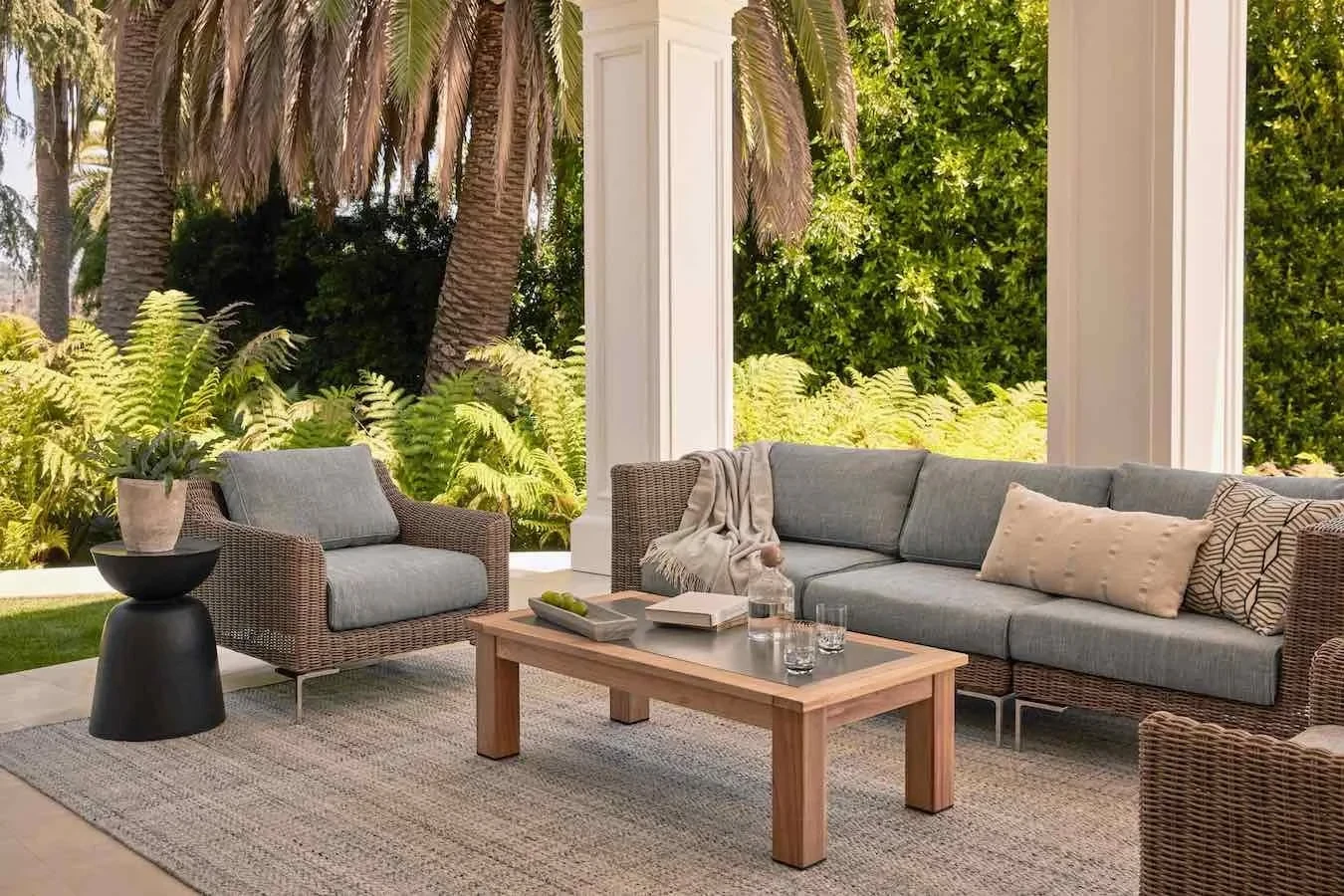
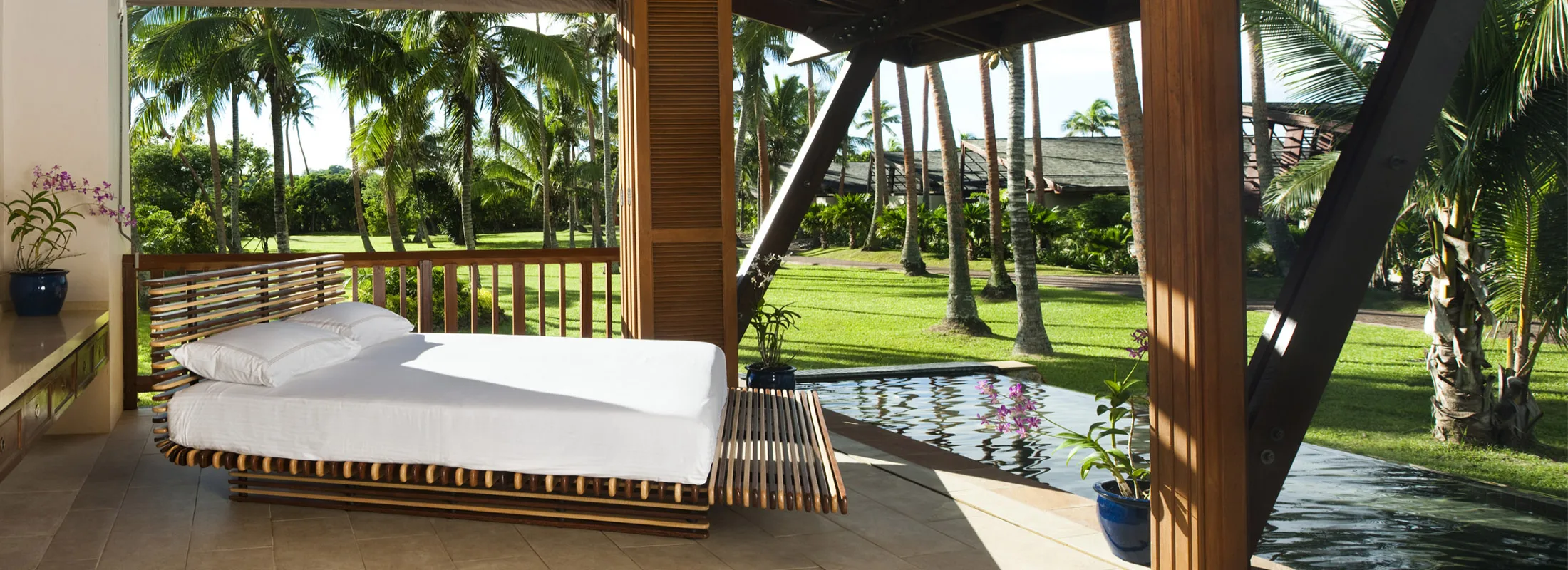
Bio-Luxury outdoor terrace

Luxury design is undergoing a profound transformation. For decades, high-end furniture was defined primarily by rare materials, craftsmanship, and exclusivity. Today, however, a new paradigm—bio-luxury—is reshaping the industry. In this emerging movement, sustainability, material innovation, and ethical sourcing are becoming as important as aesthetics and craftsmanship.

For interior designers, architects, furniture brands, and luxury design studios, the shift toward bio-luxury is not merely a trend. It represents a new standard in premium design, where environmental responsibility enhances the value and story of each piece.

The Evolution of High-End Furniture

Luxury furniture has traditionally relied on materials such as exotic hardwoods, marble, metals, and fine upholstery fabrics. While these elements remain central to luxury aesthetics, the contemporary market increasingly demands environmental transparency and responsible sourcing.

Consumers and design professionals alike are prioritizing materials that combine durability, beauty, and ecological integrity. As a result, sustainable practices—once considered optional—are becoming essential to the modern high-end furniture sector.

This shift is fueled by several factors:

  • Rising environmental awareness
  • The growth of biophilic design in architecture and interiors
  • Advances in biomaterials and circular manufacturing
  • The desire for timeless pieces that reduce waste

Today, luxury furniture is expected not only to look exceptional but also to tell a responsible material story.

What Is Bio-Luxury in Furniture Design?

Bio-luxury refers to the use of renewable, bio-engineered, or responsibly sourced materials that elevate sustainability without compromising the premium experience associated with high-end furniture.

Unlike traditional eco-design, bio-luxury emphasizes:

  • Exceptional craftsmanship
  • Advanced biomaterials
  • Limited production and exclusivity
  • Longevity and heirloom value

Rather than replacing luxury, sustainable materials are redefining it—creating pieces that feel innovative, ethical, and deeply connected to nature.
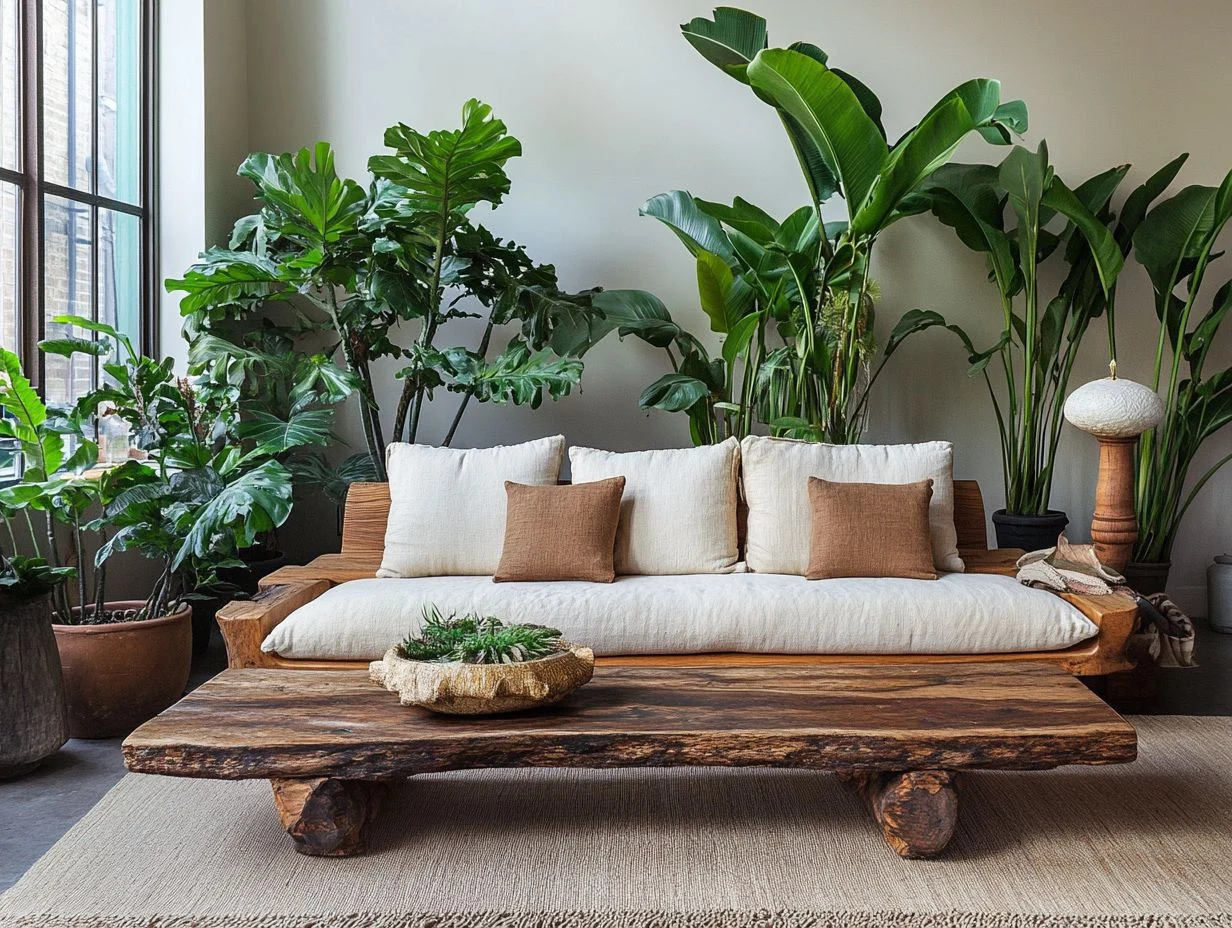
Bio-Luxury in a High-end furniture environment

Sustainable Materials Transforming High-End Furniture

The most significant transformation in luxury furniture is happening at the material level. Designers are exploring both natural resources and bio-engineered materials that deliver sustainability alongside aesthetic sophistication.

Reclaimed and Responsibly Sourced Wood

Wood remains one of the most iconic materials in high-end furniture. However, modern luxury increasingly favors reclaimed or FSC-certified wood to reduce deforestation and environmental impact.

Reclaimed wood—often salvaged from historic structures—adds depth, character, and authenticity to furniture pieces. Each plank carries a unique story, making it particularly appealing for bespoke dining tables, cabinetry, and statement furniture.

For designers, reclaimed wood also aligns with the growing preference for biophilic interiors, where natural textures and materials strengthen the connection between indoor spaces and nature.

Bamboo and Rapidly Renewable Materials

Among the most promising sustainable materials in high-end furniture is bamboo, known for its rapid growth cycle and exceptional strength.

Unlike hardwoods that take decades to mature, bamboo regenerates quickly and requires minimal water or pesticides. This makes it a highly renewable option for luxury furniture frames, outdoor seating, and decorative elements.

Its clean linear grain and light tones also appeal to contemporary interior designers seeking warm yet minimal aesthetics.
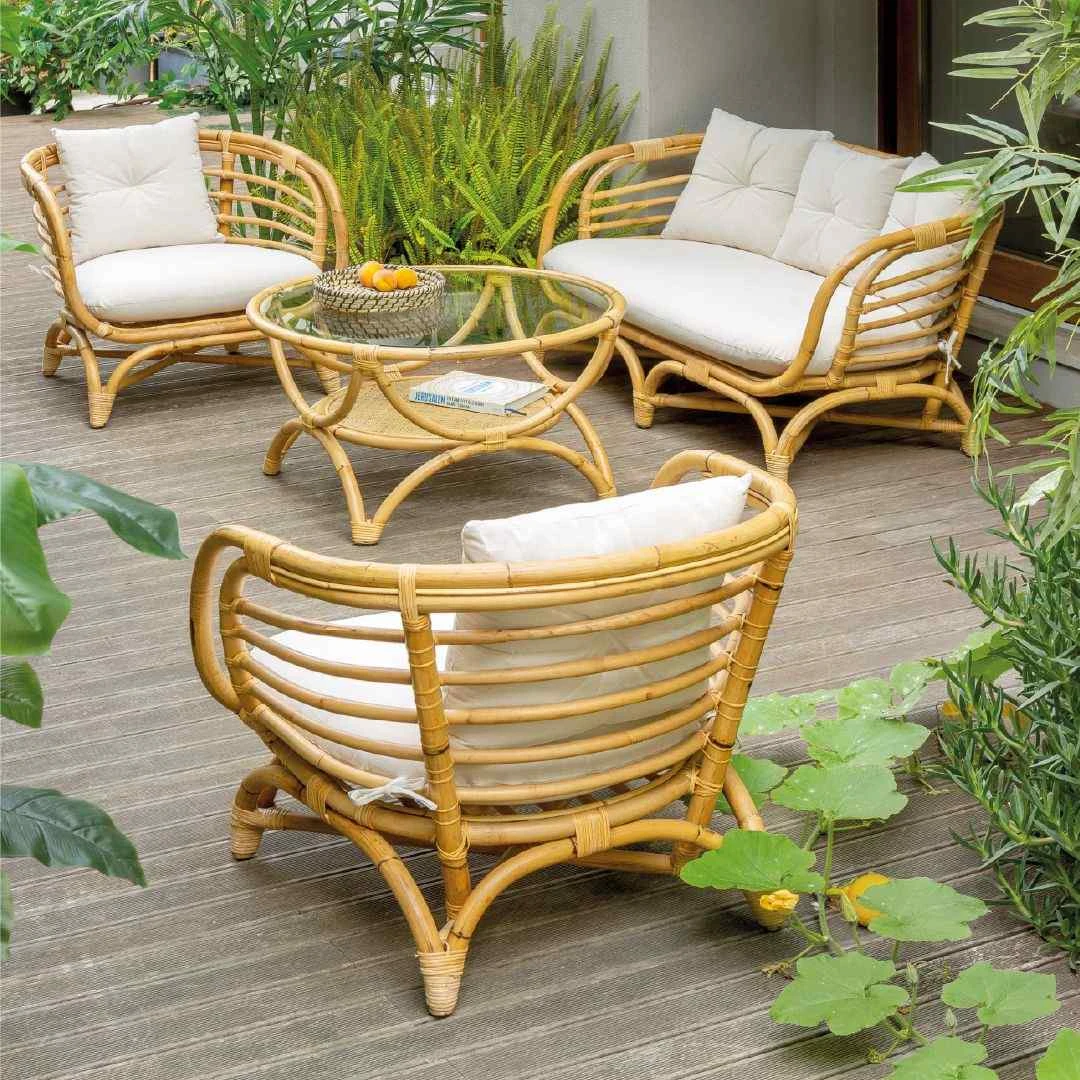
High-End Furniture with bambo

Recycled Metals and Circular Design

Metals such as aluminum, brass, and steel are gaining prominence in eco-luxury furniture due to their recyclability and durability. Recycled metals require significantly fewer resources than newly mined materials while maintaining the same structural quality.

In high-end design, recycled metal often appears in:

  • Architectural furniture frames
  • Sculptural table bases
  • Luxury outdoor furniture structures
  • Decorative hardware and detailing

This aligns with the broader concept of circular design, where furniture is built to be repaired, reused, or recycled at the end of its lifecycle.

Organic and Natural Upholstery Textiles

Upholstery is another area where sustainable innovation is rapidly evolving. Luxury furniture brands increasingly rely on organic fibers such as linen, hemp, cotton, and wool, which are biodegradable and produced with fewer chemicals.

These materials offer several advantages:

  • Reduced environmental footprint
  • Improved indoor air quality
  • Rich tactile textures
  • Exceptional durability

Combined with natural dyes and low-VOC finishes, these fabrics contribute to healthier interior environments—an important consideration for both residential and hospitality design.

Specialists in Bespoke Outdoor

A Statement of Outdoor Luxury.
Mediterrazza Logo

Bio-Innovated Materials: Mycelium, Algae, and Plant-Based Leather

Perhaps the most exciting development in bio-luxury furniture lies in biomaterials engineered from living organisms.

One example is mycelium, the root network of fungi. Mycelium can be cultivated into flexible sheets resembling leather or molded into rigid structural forms for furniture components.

Other emerging biomaterials include:

  • Algae-based foams and textiles used for cushions and upholstery
  • Plant-based bio-leathers replacing traditional animal hides
  • Biodegradable composites that mimic plastic without environmental damage

These innovations allow designers to experiment with forms and textures while dramatically reducing environmental impact.

Craftsmanship Meets Sustainability

Bio-luxury does not eliminate craftsmanship—it enhances it.

In fact, the rise of sustainable materials is reinforcing the importance of handcrafted production and artisanal techniques. Designers are returning to slow manufacturing processes that prioritize quality over mass production.

This approach aligns perfectly with the philosophy of high-end furniture: pieces designed to last generations rather than years.

Heirloom-quality furniture also contributes to sustainability by reducing waste and encouraging long-term ownership.

Environmentally friendly High-End Furniture

Certifications and Transparency in Luxury Materials

For designers specifying materials, certifications play an increasingly important role in verifying sustainability claims.

Common certifications in luxury furniture include:

  • FSC (Forest Stewardship Council) for responsibly sourced wood
  • GREENGUARD for low chemical emissions
  • GOTS (Global Organic Textile Standard) for organic fabrics
  • Cradle to Cradle for circular product design

These standards help designers and architects ensure that the materials used in high-end furniture meet both environmental and health criteria.

Bio-Luxury in Outdoor Furniture

Outdoor furniture is also being transformed by bio-luxury principles. Designers are increasingly choosing materials that combine weather resistance with ecological responsibility, such as:

  • Bamboo
  • Recycled aluminum
  • FSC-certified teak
  • Natural fiber textiles

These materials allow outdoor environments to maintain the same level of sophistication and sustainability as interior spaces, reinforcing the idea that luxury living extends beyond the walls of the home.

Bio-Luxury High-End Furniture

The Future of High-End Furniture

The future of high-end furniture will be shaped by three key forces:

Material innovation

Advances in biomaterials and sustainable composites will continue to expand the possibilities of furniture design.

Circular design models

Furniture will increasingly be designed for repair, reuse, and recycling.

Story-driven luxury

Clients are increasingly drawn to pieces with meaningful origins—whether reclaimed materials, innovative biomaterials, or artisanal craftsmanship.

Ultimately, bio-luxury represents a shift in how the industry defines value. Luxury is no longer just about rarity—it is about responsibility, longevity, and innovation.

Environmentally responsible Luxury

Bio-luxury is redefining what it means to design and manufacture high-end furniture. By combining sustainable materials, biomaterial innovation, and timeless craftsmanship, the next generation of luxury furniture delivers both aesthetic excellence and environmental responsibility.

For architects, designers, and furniture brands, embracing bio-luxury is more than an ethical decision—it is a strategic one. As sustainability becomes central to luxury design, the most successful brands will be those that merge material innovation with timeless elegance.

In this new era, the most luxurious furniture pieces are not only beautiful—they are designed for the future of the planet.

Join our Newsletter

Subscription Form

Share on:

Specialists in Bespoke Outdoor

A Statement of Outdoor Luxury.
Mediterrazza Logo

Read More

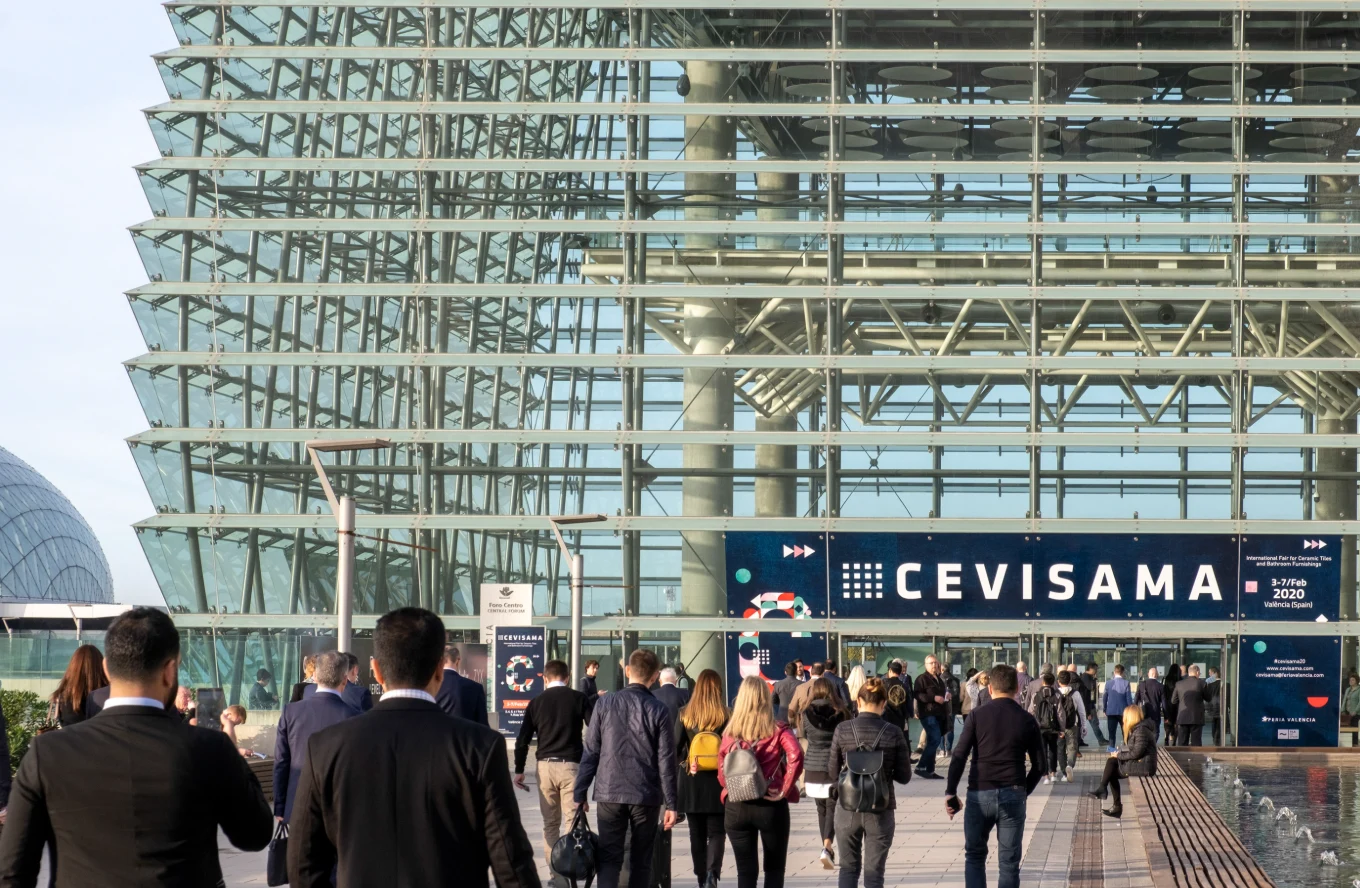
Visitors approaching the glass-fronted entrance of Feria Valencia beneath the Cevisama 2020 banner.

Cevisama 2026: A New Chapter in Materials, Interiors, and the Art of Living

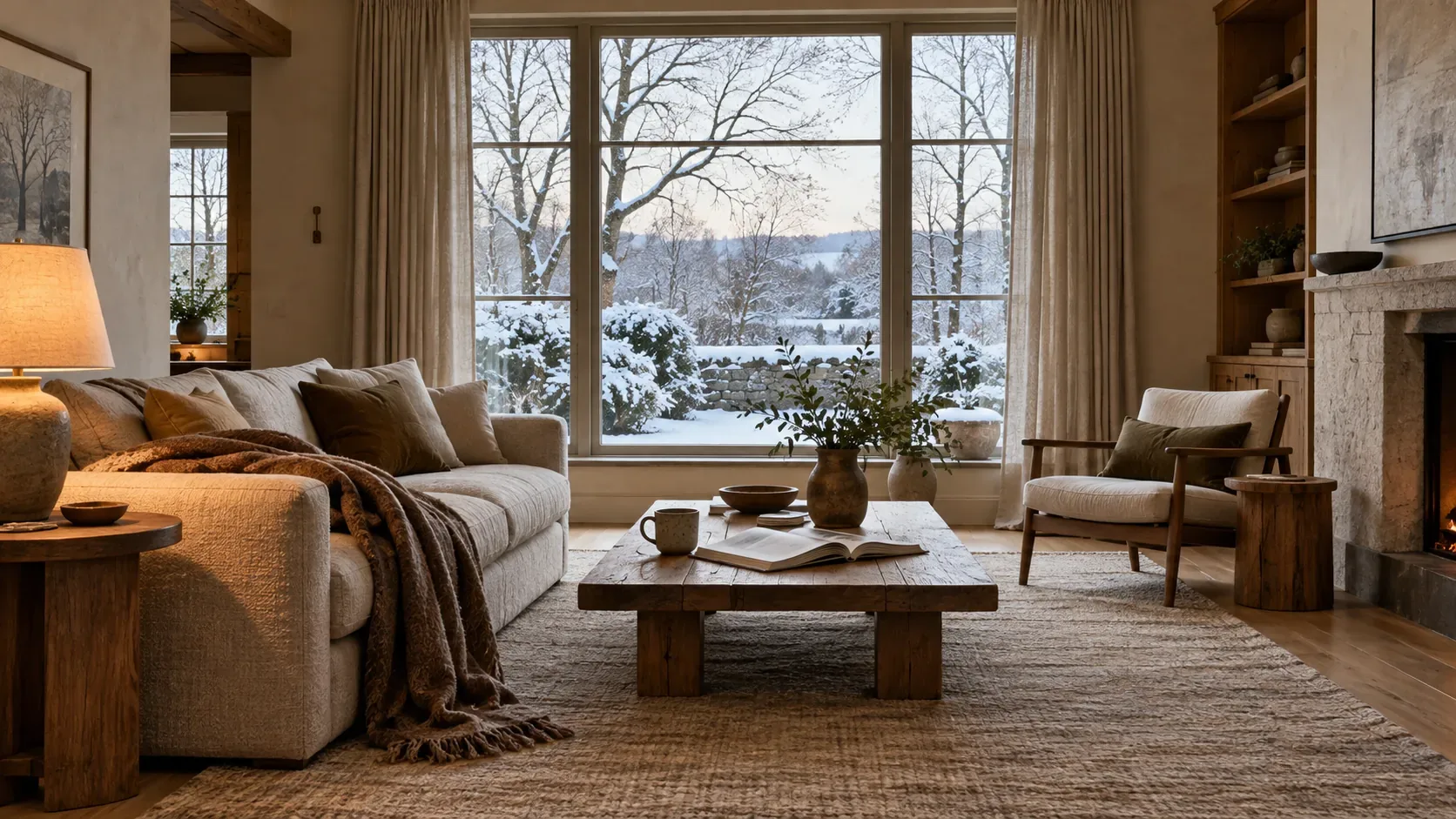
Cozy winter living room with a cream sofa, wool throw, oak coffee table, warm lighting, and views of a snow covered garden.

Cozy Homes: Winter Design Ideas for Warm, Inviting Interiors

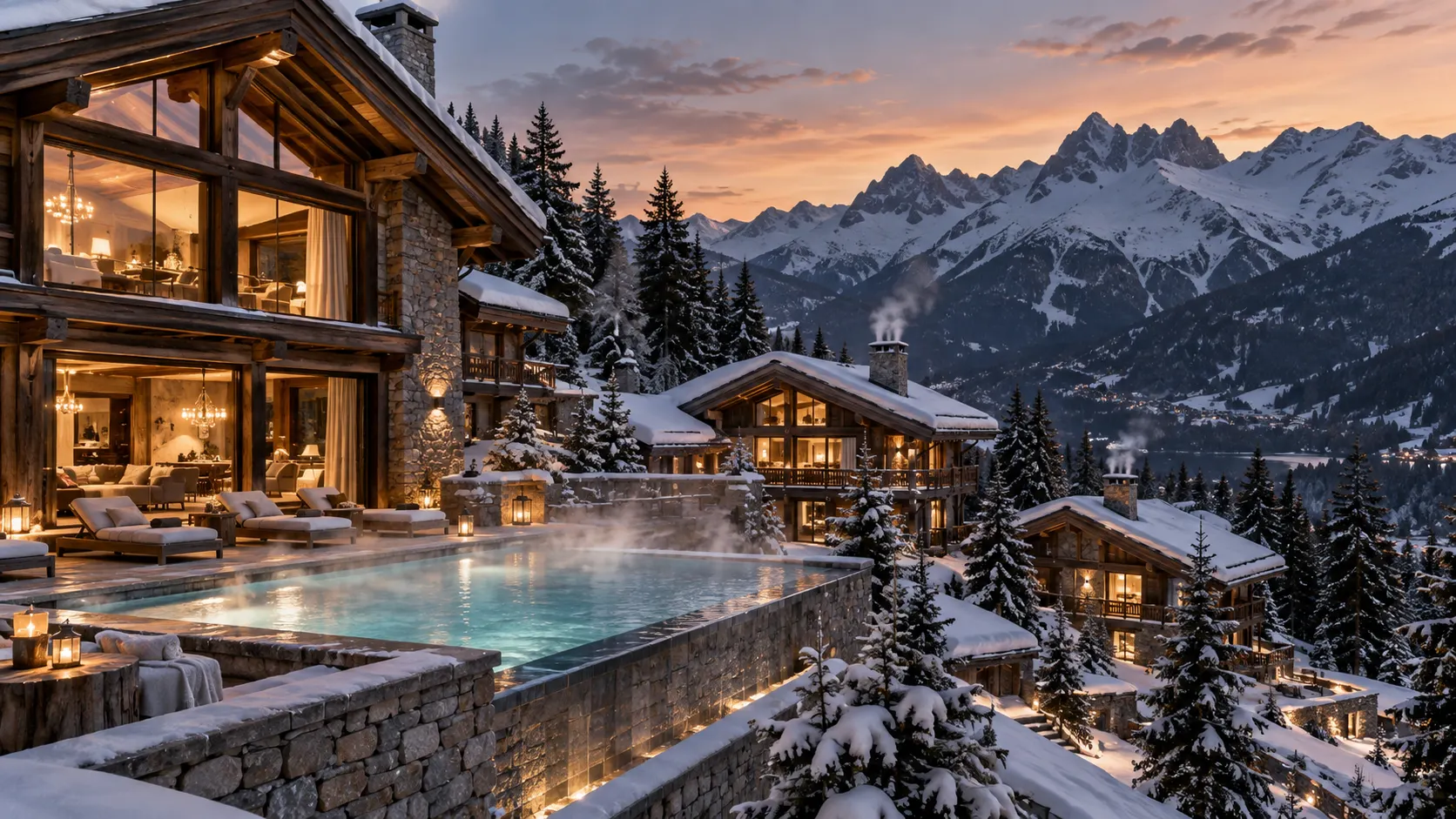
Luxury mountain resort with chalet-style architecture, heated outdoor pool, snowy peaks and warm interiors at sunset.

Luxury Mountain Resorts: 8 Exceptional Retreats Redefining the Modern Chalet

Promotional banner for Decorex 2026 at Olympia London, featuring a deep green background framed by ornate botanical illustrations of colorful flowers and gold accents. The design announces the event dates, 11–14 October 2026, organized by Informa.

Decorex 2026: London’s Annual Event for Luxury Interiors

Colorful Vienna Design Week 2026 posters celebrating the festival’s 20th edition across the streets of Vienna.

Vienna Design Week 2026: Celebrating 20 Years of Design, Ideas and Innovation

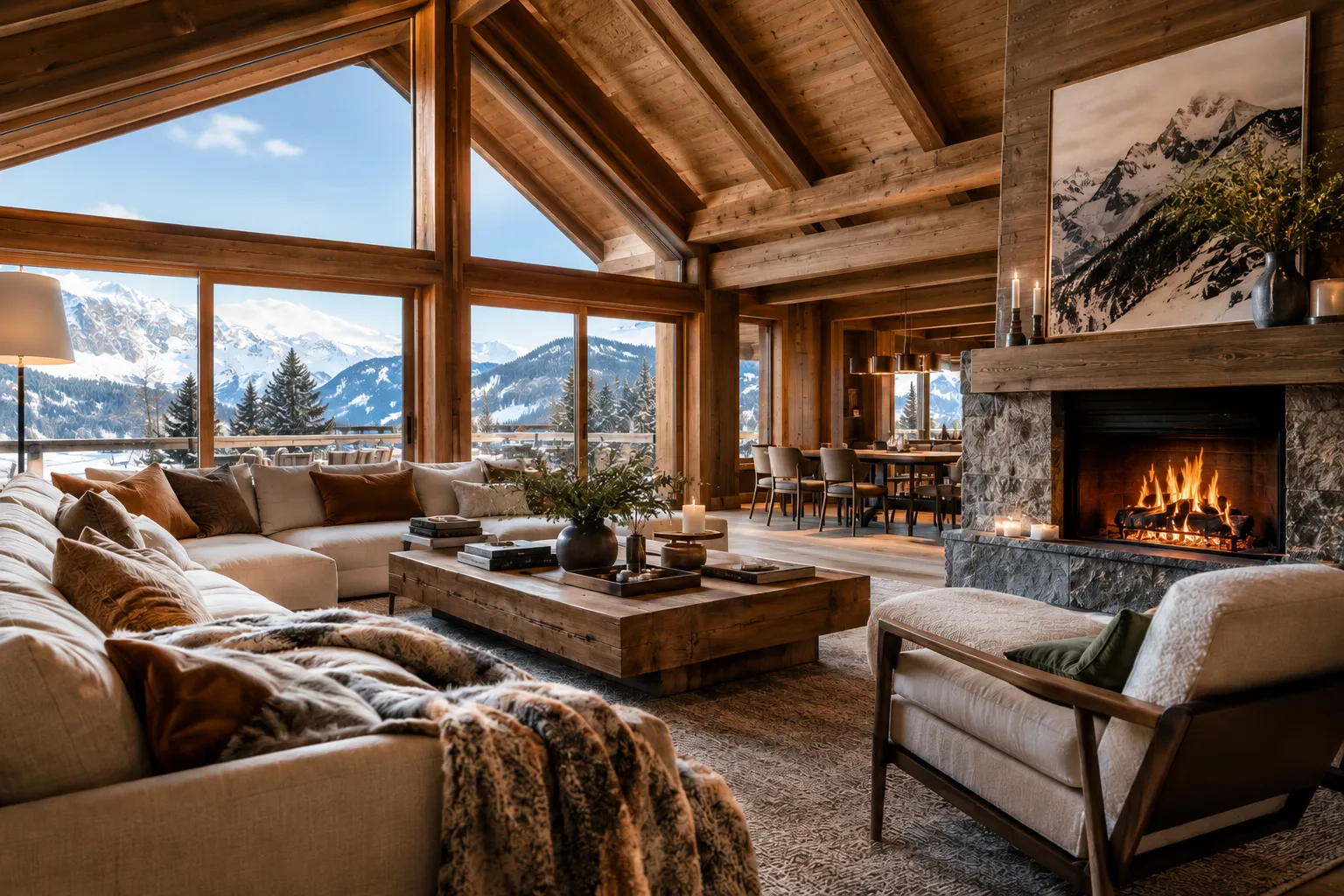
Luxury Alpine chalet interior with exposed timber beams, natural stone fireplace, warm neutral furnishings, and panoramic views of snow covered mountains.

The Art of the Chalet: Architecture, Luxury Interiors and the New Language of Mountain Living

Reader Favorites

Design Miami 2026 - what to look for

Design Miami 2026: The Leading Global Fair for Collectible Design Returns in December

Top 10 Interior Design Trends

Top 10 Interior Design Trends That Will Shape Homes After 2027

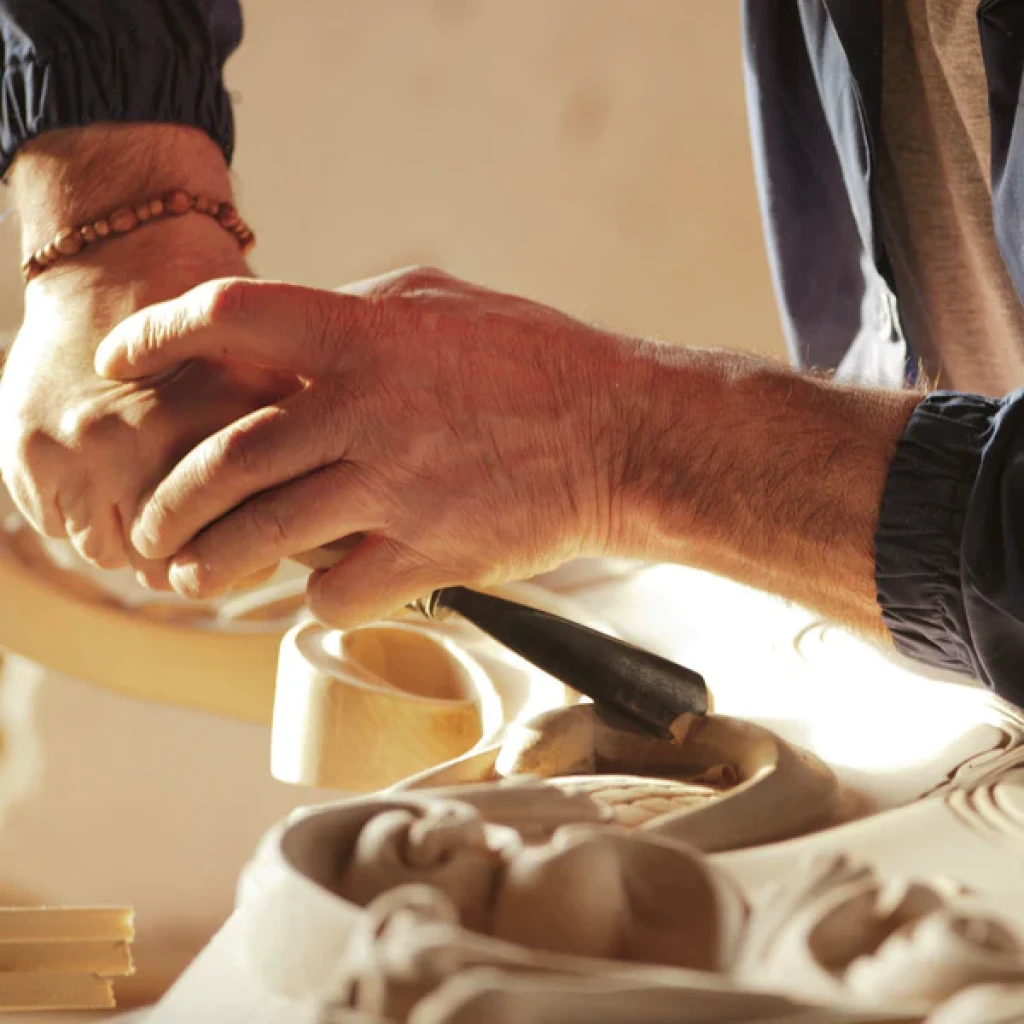
Close-up of artisan hands carving intricate patterns into wood, highlighting the precision and artistry of Italian craftsmanship.

How Artisanal Craftsmanship is Reclaiming its Place in Luxury Interiors

Latest News

Visitors approaching the glass-fronted entrance of Feria Valencia beneath the Cevisama 2020 banner.

Cevisama 2026: A New Chapter in Materials, Interiors, and the Art of Living

Cozy winter living room with a cream sofa, wool throw, oak coffee table, warm lighting, and views of a snow covered garden.

Cozy Homes: Winter Design Ideas for Warm, Inviting Interiors

Luxury mountain resort with chalet-style architecture, heated outdoor pool, snowy peaks and warm interiors at sunset.

Luxury Mountain Resorts: 8 Exceptional Retreats Redefining the Modern Chalet

Join our Newsletter

Join our circle of refined living.
Subscribe for curated stories, news and inspiration.

Subscription Form