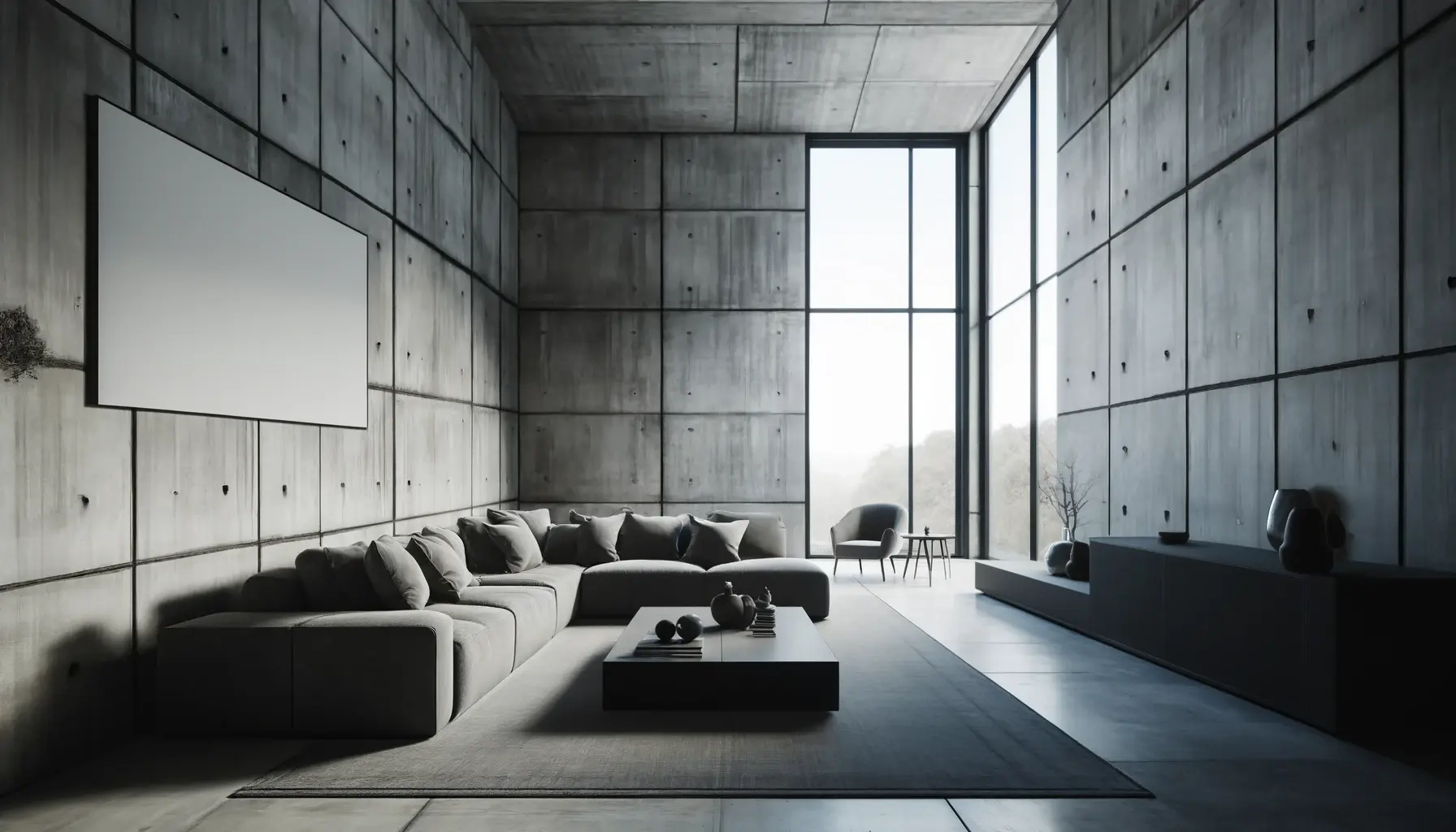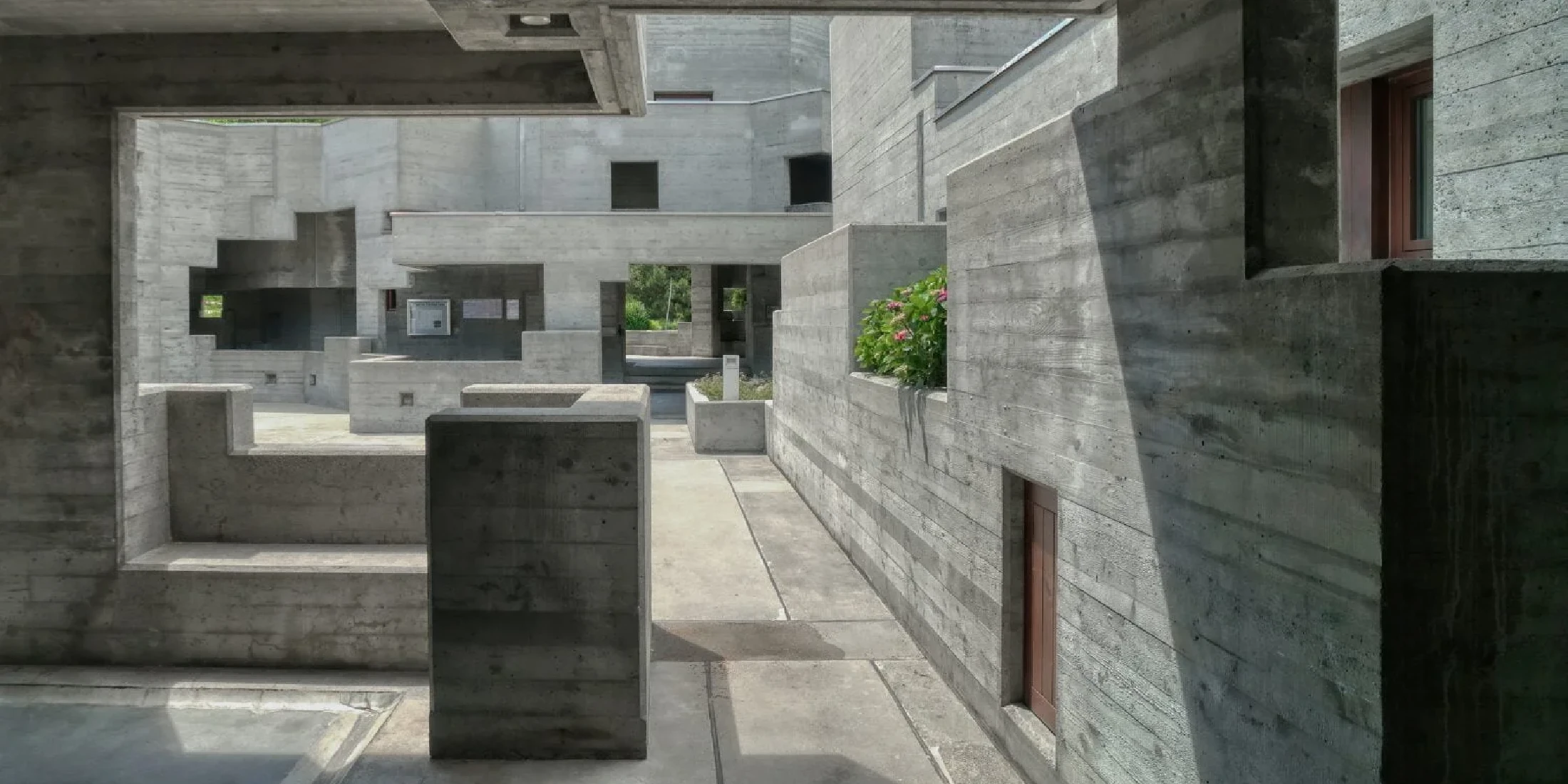
Brutalist Interior Design has re-emerged as a defining aesthetic for designers who value authenticity, material honesty, and sculptural impact. Rooted in mid-20th-century architecture, this style goes far beyond raw concrete walls—it expresses a philosophy where structure, texture, and craftsmanship take center stage.
For interior designers, furniture brands, architects, and luxury studios, Brutalist interiors offer a powerful language that merges bold geometry with refined detailing. This resurgence is not about replicating the past; it is about reinterpreting a design movement for contemporary, high-end environments.
The Origins of Brutalist Interior Design
Brutalism emerged in post-war Europe, closely associated with architects like Le Corbusier and Alison Smithson and Peter Smithson. The term itself derives from the French phrase béton brut, meaning “raw concrete.”
While the movement gained recognition through architecture, its interior applications quickly followed. Interiors embraced the same principles: exposed materials, structural clarity, and a rejection of ornamentation.
Today, Brutalist Interior Design has evolved into a sophisticated approach that balances rawness with precision.
Core Elements of Brutalist Interior Design
1. Material Honesty and Expression
Concrete remains the signature material, but Brutalist interiors extend far beyond it. Designers often incorporate:
- Cast concrete surfaces with visible formwork textures
- Natural stone in monolithic forms
- Raw or oxidized metals such as steel and bronze
- Untreated wood that emphasizes grain and imperfection
The key lies in revealing the material’s true nature rather than concealing it. Finishes remain minimal, allowing texture and structure to define the space.
2. Sculptural Forms and Geometry
Brutalist interiors rely heavily on bold, architectural shapes. Furniture and built elements often feel carved rather than assembled.
Influences from designers like Paul Rudolph and Marcel Breuer appear in:
- Block-like seating systems
- Angular staircases and partitions
- Monolithic kitchen islands and bathroom vanities
These forms create strong visual anchors, transforming interiors into spatial compositions rather than decorative environments.
3. Neutral, Monochromatic Palettes
Color plays a restrained role in Brutalist Interior Design. Instead of vibrant tones, designers focus on:
- Shades of gray, taupe, and off-white
- Earthy hues derived from natural materials
- Subtle contrasts through texture rather than color
This controlled palette enhances the tactile quality of surfaces and ensures that form remains the focal point.
4. Light as a Design Material
Lighting in Brutalist interiors operates as a sculptural tool. Natural light interacts with textured surfaces, creating depth and shadow.
Artificial lighting often includes:
- Recessed fixtures integrated into concrete ceilings
- Minimalist pendants in metal or glass
- Linear lighting that emphasizes geometry
The interplay between light and shadow defines the atmosphere, adding complexity without introducing excess elements.
5. Craftsmanship and Detail
Despite its raw appearance, Brutalist Interior Design demands a high level of craftsmanship. Precision in casting, joinery, and finishing separates refined projects from purely industrial spaces.
Custom fabrication plays a critical role:
- Hand-finished concrete with controlled imperfections
- Bespoke metalwork with patinated surfaces
- Tailored stone installations with seamless joints
Luxury studios increasingly combine artisanal techniques with Brutalist forms, elevating the aesthetic into a premium design category.
Brutalism in Contemporary Interiors
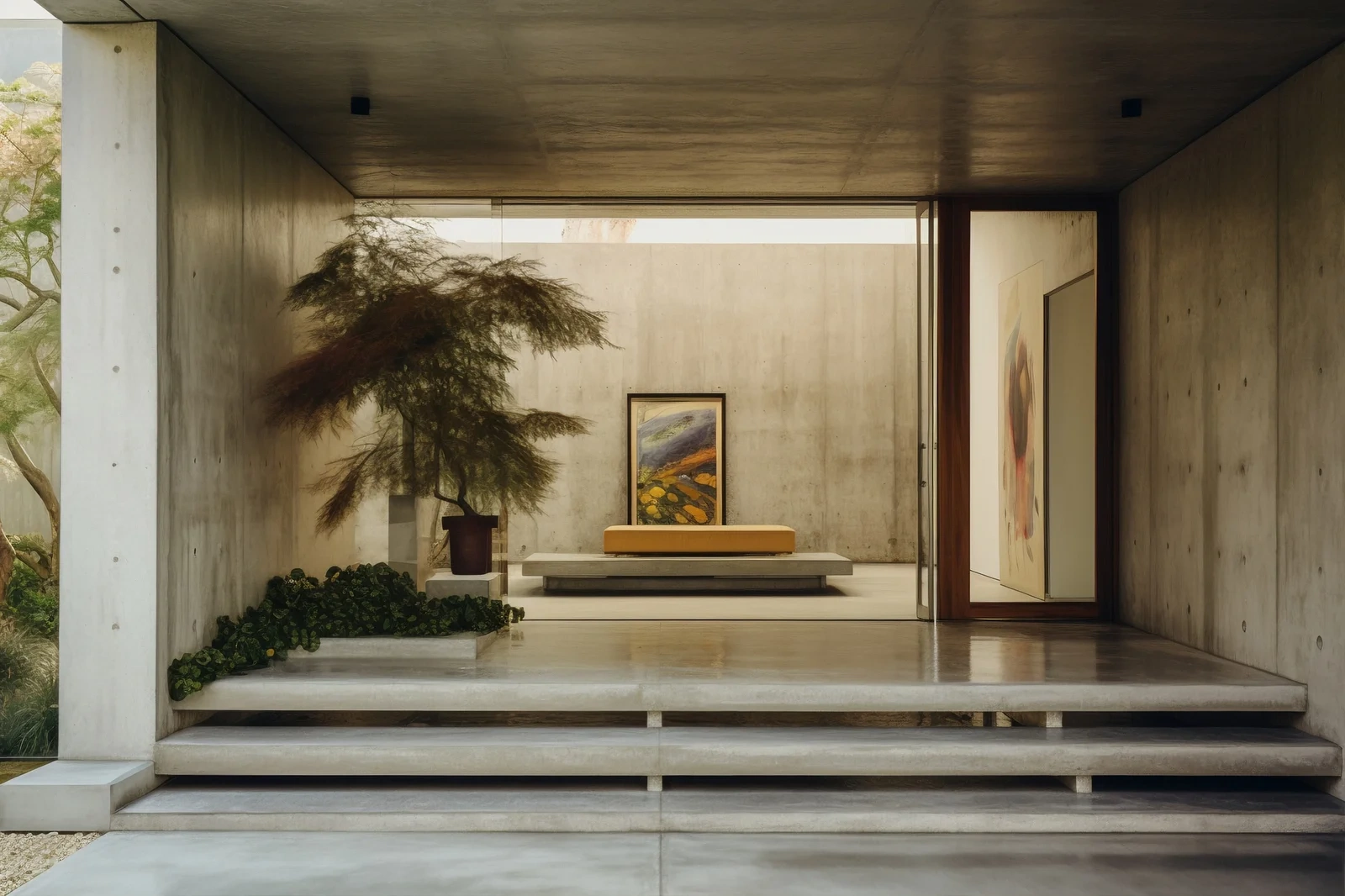
Modern interpretations of Brutalist Interior Design soften the original severity while preserving its essence. Designers integrate warmer materials, advanced technologies, and curated furnishings to create more livable spaces.
Residential Spaces
In high-end residences, Brutalist interiors often feature:
- Open-plan layouts with structural elements exposed
- Custom concrete fireplaces or feature walls
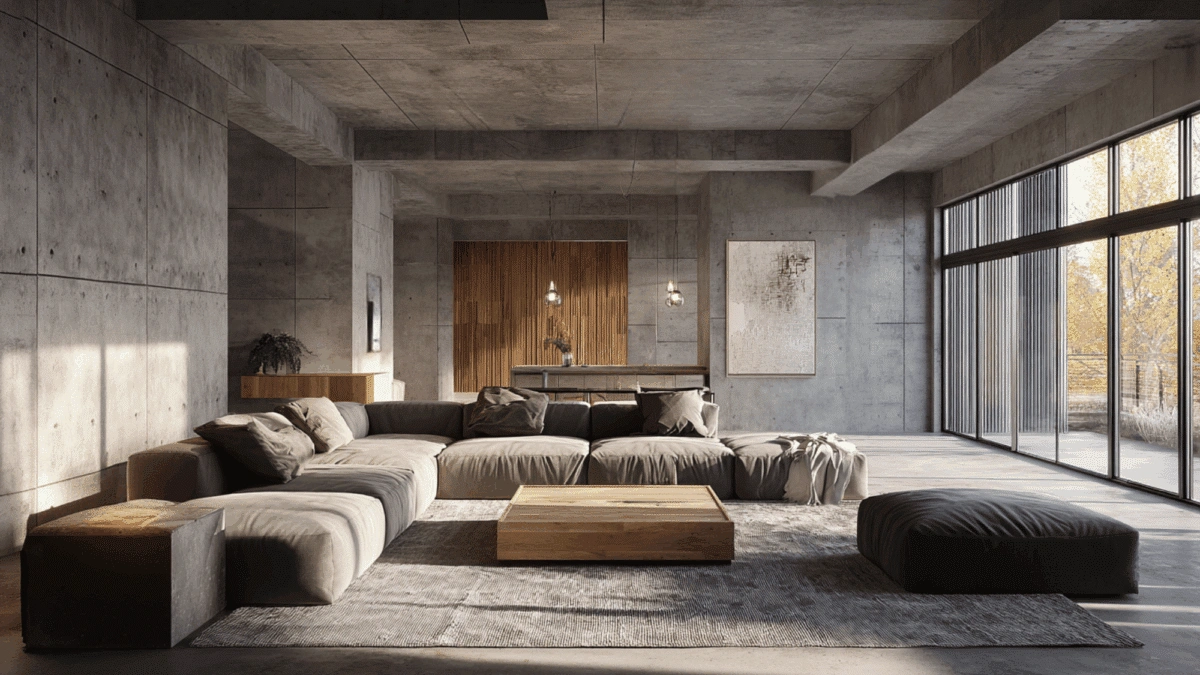
- Sculptural furniture paired with softer textiles
The result is a balance between strength and comfort, where tactile contrast enhances the experience.
Hospitality and Retail
Luxury hospitality and retail environments have embraced Brutalism for its immersive qualities. The aesthetic creates memorable, visually striking spaces that align with contemporary branding.
Key applications include:
- Monolithic reception desks and bar counters
- Textured walls that double as visual identity elements
- Integrated seating carved into architectural volumes
These environments benefit from Brutalism’s ability to create a strong sense of place.