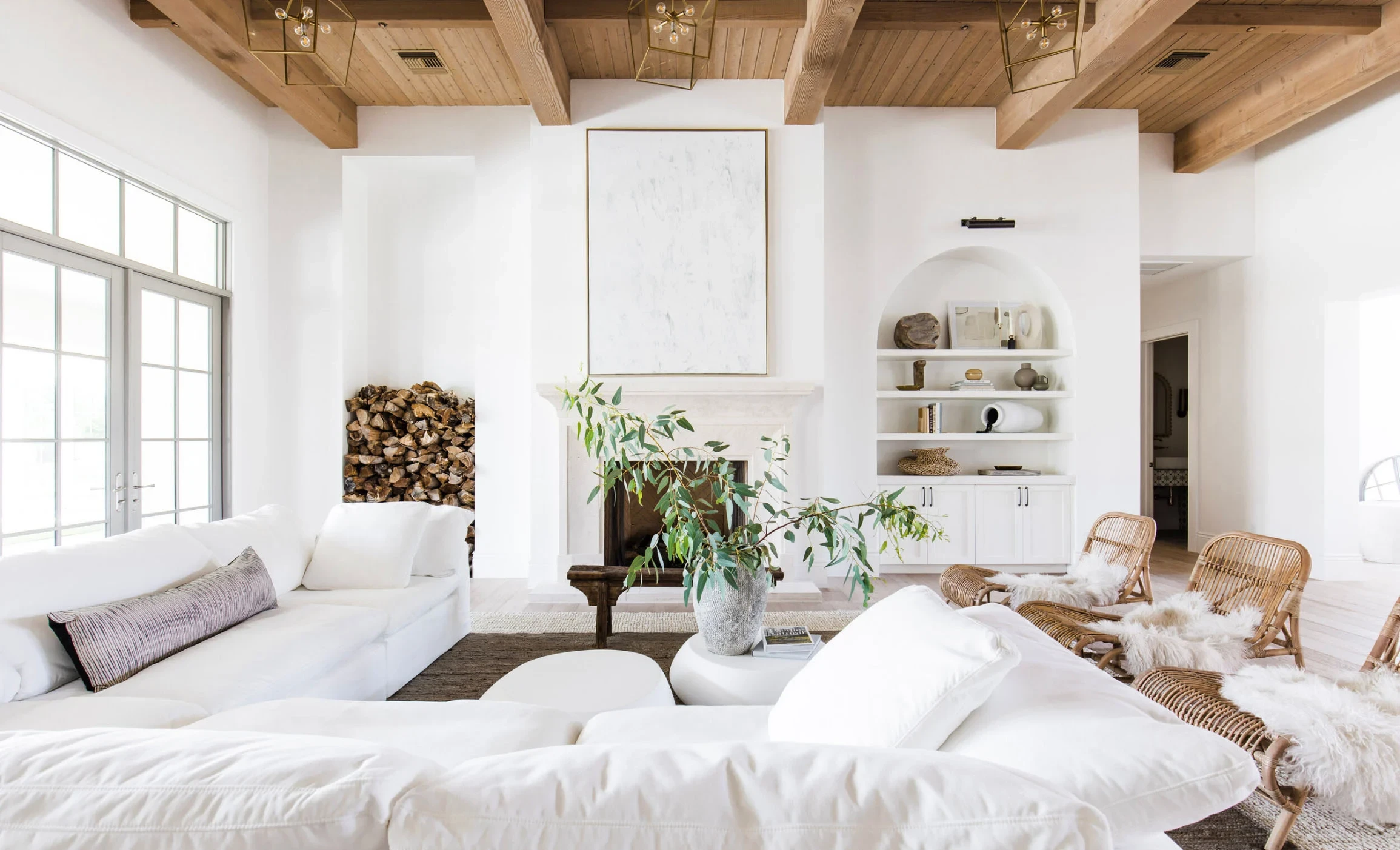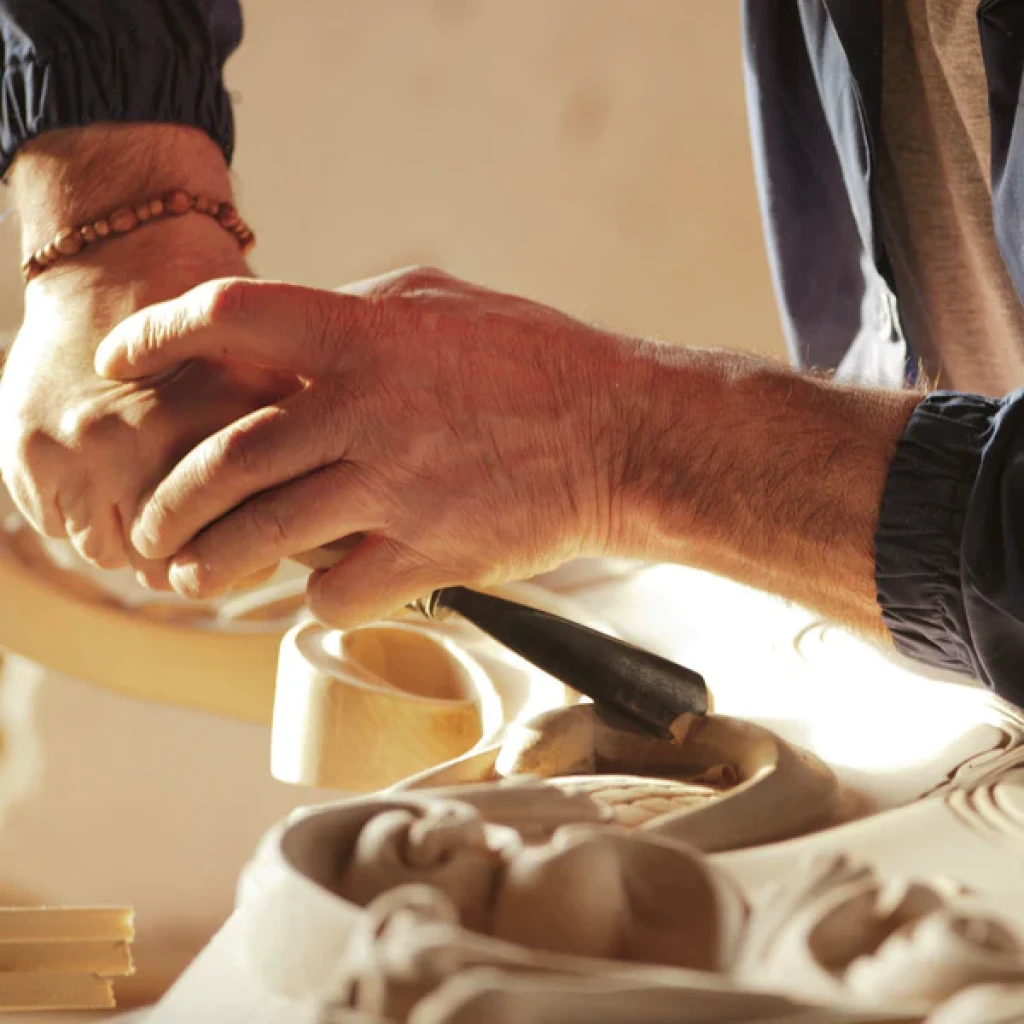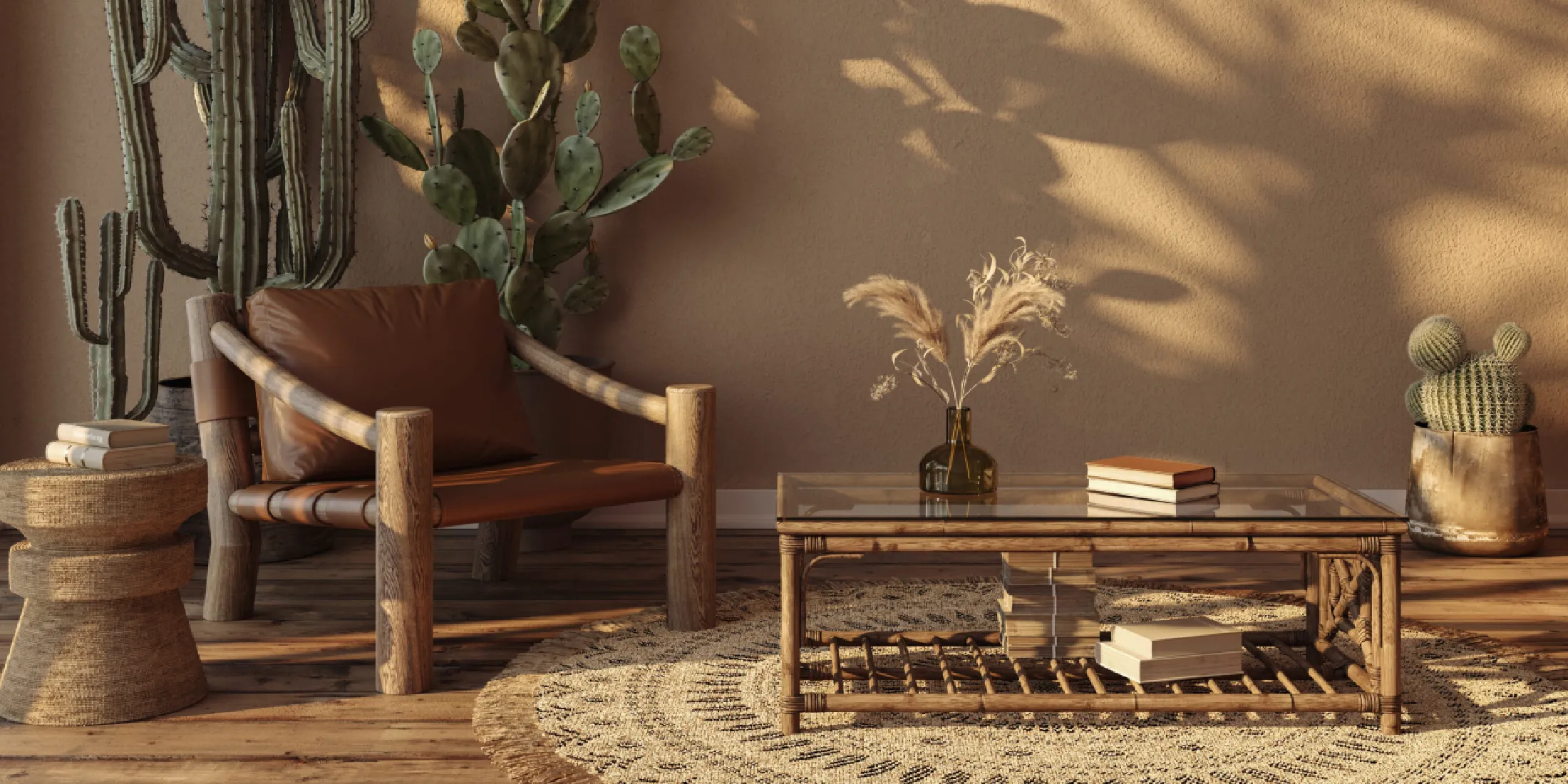
Modern furniture continues to evolve as designers respond to extreme environments and shifting lifestyle demands. In desert regions—where intense heat, arid air, and dramatic temperature swings define daily life—designers must rethink materials, construction, and aesthetics. The result is a distinctive approach known as desert modern furniture: a refined blend of minimalism, durability, and climate-responsive craftsmanship.
For interior designers, architects, and luxury furniture brands, desert modern furniture offers more than a niche style. It presents a framework for creating resilient, high-performance pieces that balance beauty with function in some of the world’s harshest conditions.
The Origins of Desert Modern Aesthetics
Desert modern furniture draws inspiration from desert architecture, particularly movements like Desert Modernism. This design philosophy emerged in regions such as Palm Springs, where architects adapted modernist principles to extreme climates.
Clean lines, open forms, and a strong indoor-outdoor connection defined the architectural language. Furniture followed suit, emphasizing simplicity, low profiles, and materials that could withstand sun exposure and temperature fluctuations.
Today, designers reinterpret these principles for contemporary luxury markets, integrating advanced materials and refined craftsmanship.
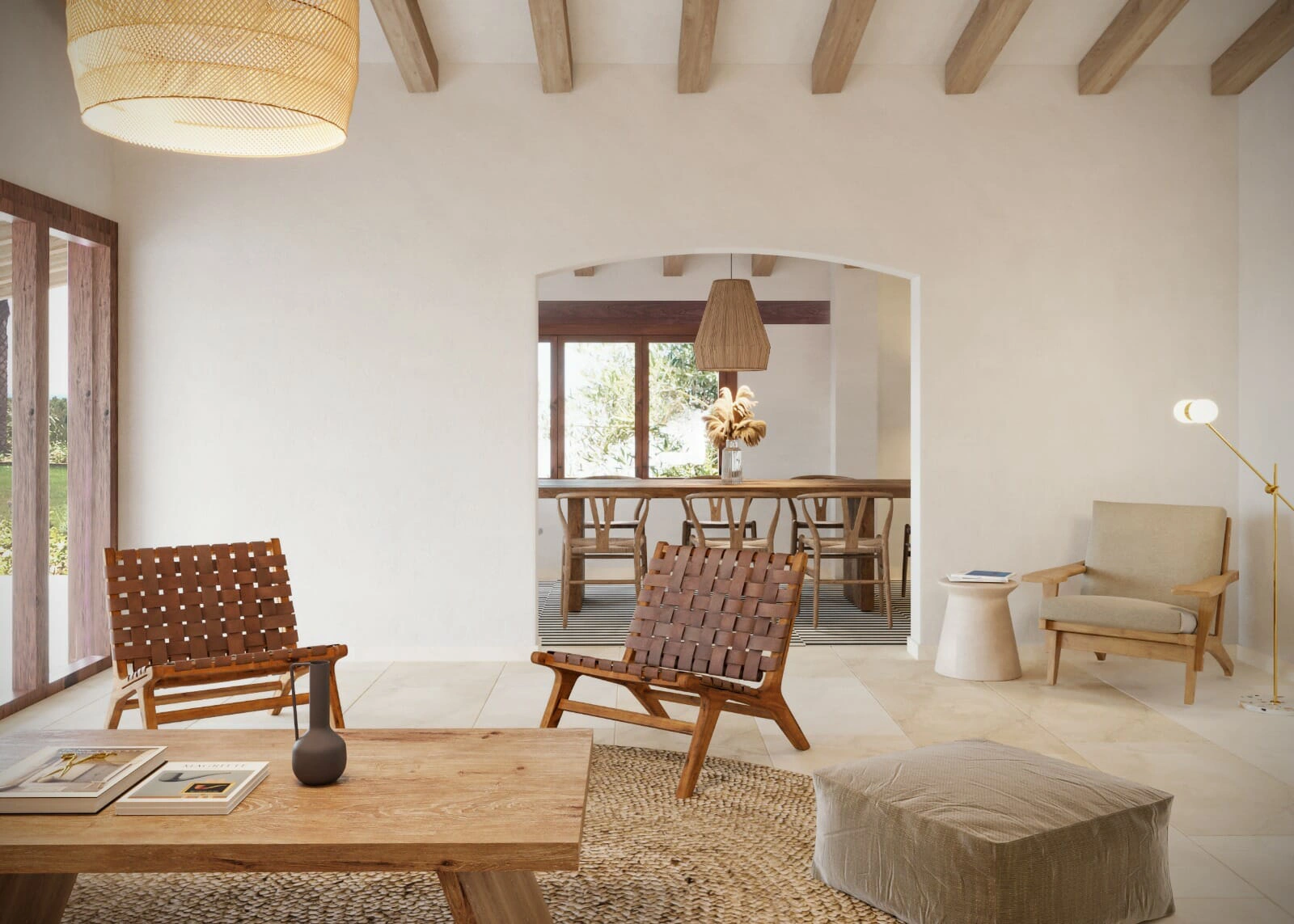
Designing Modern Furniture for Harsh Climates
Desert environments impose unique constraints that directly influence furniture design. Successful modern furniture in these settings must address several critical factors:
1. Thermal Resistance
Materials must endure prolonged exposure to heat without warping, cracking, or fading. Designers often select hardwoods with natural stability or engineered materials designed for extreme conditions.
2. UV Durability
Constant sunlight can degrade finishes and fabrics. High-performance coatings and UV-resistant textiles play a crucial role in preserving both appearance and structural integrity.
3. Low Moisture Sensitivity
Although deserts are dry, sudden temperature changes can cause expansion and contraction. Furniture must maintain dimensional stability to prevent long-term damage.
4. Ease of Maintenance
Dust and sand accumulation require surfaces that are easy to clean and resistant to abrasion.
By addressing these challenges, designers elevate modern furniture from purely aesthetic objects to functional assets within demanding environments.
Material Innovation in Desert Modern Furniture
Material selection defines the success of desert modern furniture. Designers increasingly favor a combination of natural and engineered materials that offer both resilience and visual appeal.
Solid Woods with Protective Finishes
Teak, oak, and walnut remain popular due to their strength and timeless character. When treated with advanced sealants, these woods resist cracking and fading while maintaining their natural beauty.
Powder-Coated Metals
Steel and aluminum provide structural strength and clean, modern lines. Powder coating enhances durability and protects against corrosion and UV exposure.
Stone and Composite Surfaces
Stone elements—such as travertine or limestone—anchor furniture pieces with weight and texture. Composite materials replicate these aesthetics while reducing weight and increasing durability.
Performance Fabrics
Outdoor upholstery has evolved significantly. High-end performance fabrics resist UV rays, stains, and moisture while maintaining a soft, luxurious feel. These textiles allow designers to introduce comfort without compromising durability.
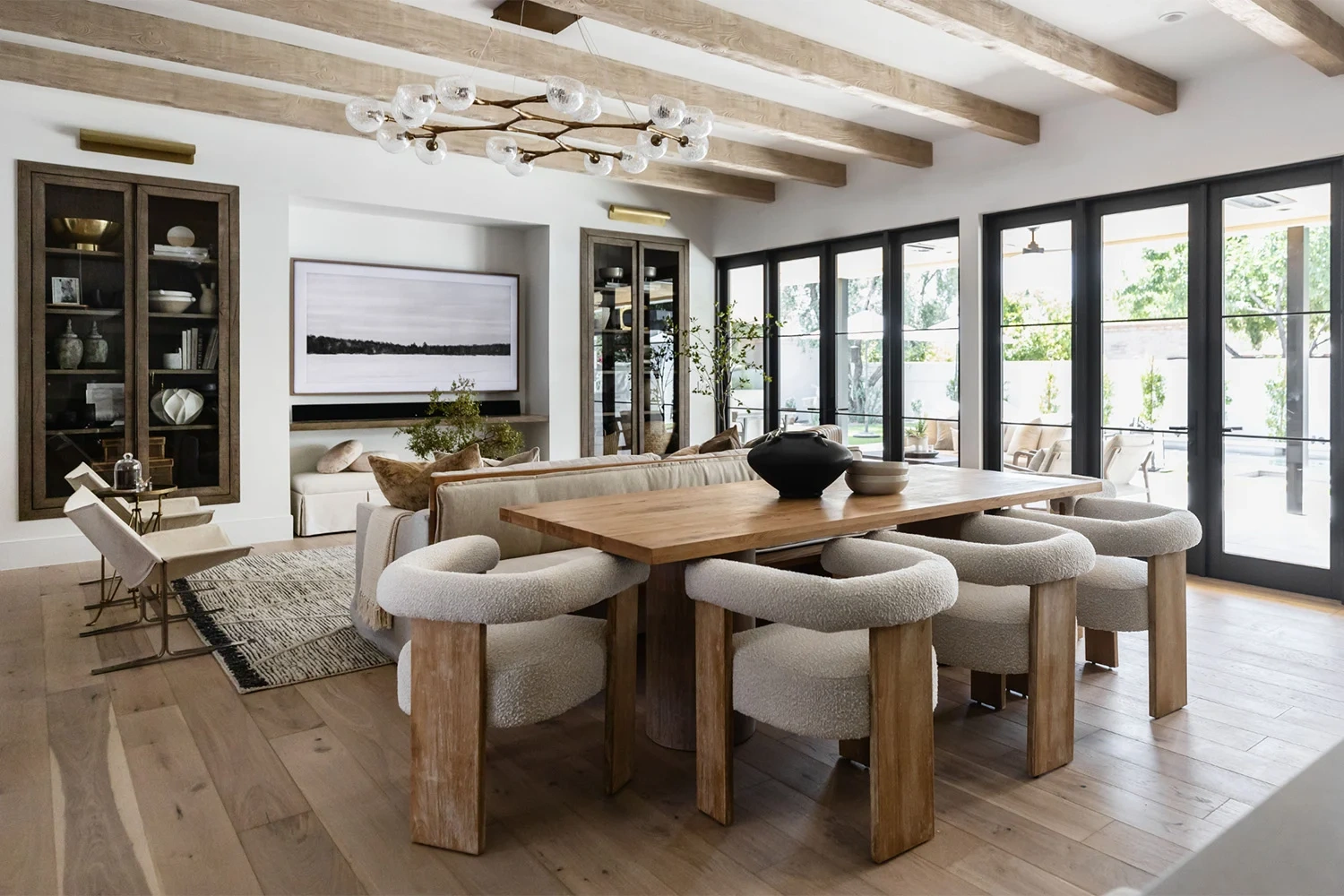
Minimalism Meets Functionality
Desert modern furniture embraces minimalism, but not at the expense of usability. Every design decision serves a purpose.
- Streamlined silhouettes reduce visual clutter and enhance spatial clarity
- Low-profile forms create a grounded, relaxed atmosphere
- Multi-functional pieces maximize utility in open-plan environments
This approach aligns with the broader principles of Minimalism, where simplicity drives both aesthetics and performance.
For luxury design studios, this balance between form and function becomes a defining feature of successful desert projects.