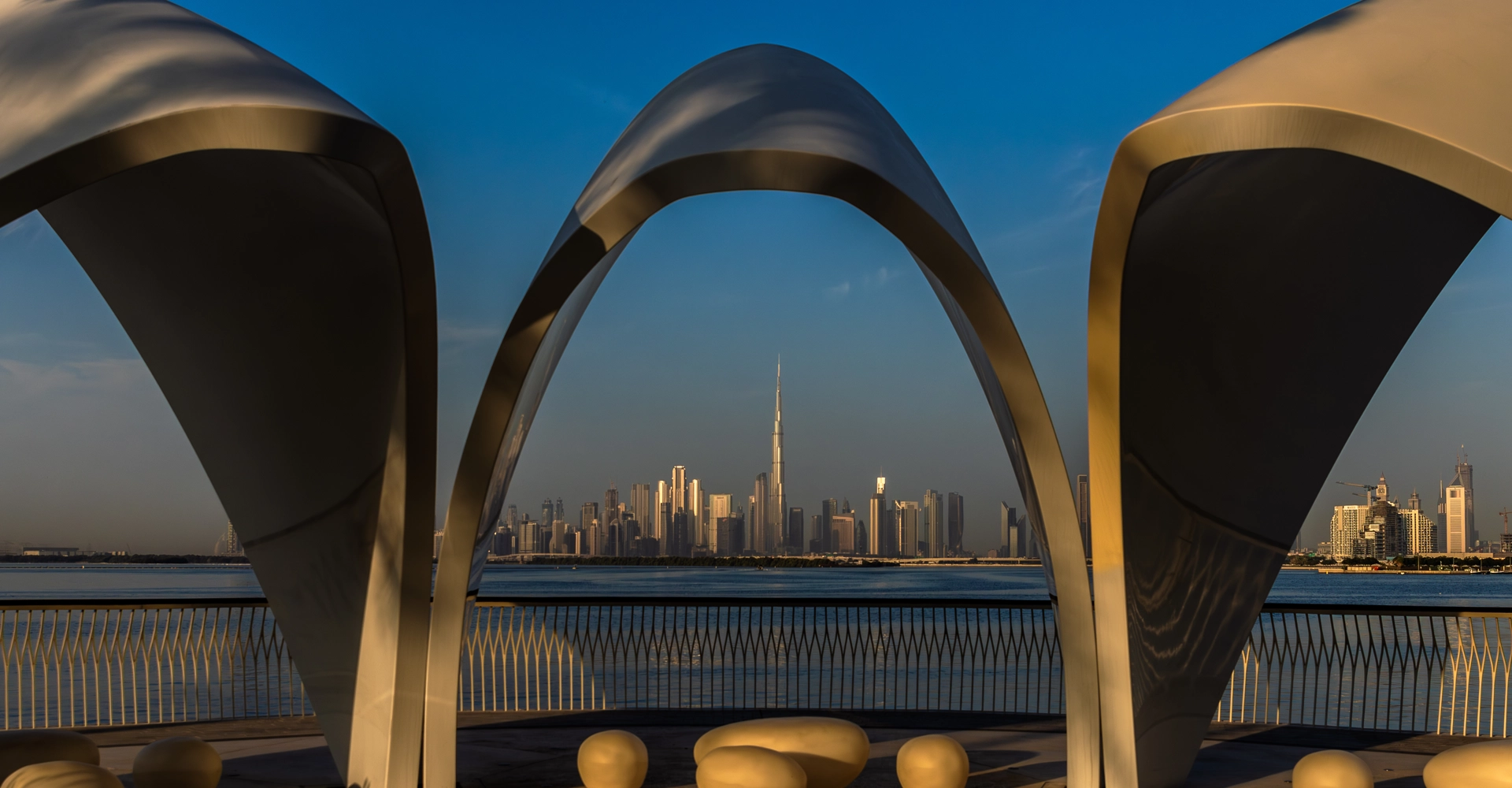
Dubai’s shimmering skyline, punctuated by gravity-defying skyscrapers and exquisite palaces, is a breathtaking testament to the city’s architectural prowess. Yet, beneath its dazzling surface, a profound transformation is unfolding—one that merges opulence with sustainability. In recent years, Dubai architecture has embraced a pioneering ethos: crafting landmark spaces that reflect both the exuberance of luxury and a thoughtful, eco-conscious sensibility. This editorial journey explores how leading architects and developers in Dubai are ingeniously fusing extravagance, environmental stewardship, and Middle Eastern design to create an unforgettable language of sustainable luxury in the heart of the desert.
The Evolution of Dubai Architecture: Beyond the Spectacle
Once synonymous with lavish expression and vertical ambition, Dubai’s built environment is increasingly defined by its integration of cultural reverence and ecological innovation. Iconic towers, palatial villas, and avant-garde resorts chart a course from mere ostentation to thoughtful composition—a desert modernism that does not shy from grandeur but reflects a deeper narrative.
This new era sees architects harnessing advanced materials, passive cooling solutions, and vernacular motifs. At its heart is a philosophical commitment: to offer unparalleled luxury that respects, rather than disregards, the fragile desert ecosystem. By reinterpreting traditional Middle Eastern design principles through a modern lens, Dubai architecture is setting benchmarks for aspirational living throughout the world.
Desert Modernism Defined: Opulence as Ecological Art
Desert modernism is the harmonious intersection of context and invention—a movement that answers the desert’s rigorous demands with both awe and sensitivity. In Dubai, this manifests in dazzling residences and commercial edifices marrying climate-responsive strategies with lavish finishes.
- Climate-Adaptive Facades: Buildings like the Al Bahr Towers feature responsive mashrabiya screens that modulate light and heat, blending ancient shading precedents with digital sophistication.
- Sustainable Materials: The incorporation of regionally sourced stone, rammed earth, and innovative composites evinces a renewed interest in authenticity and resourcefulness within Dubai architecture.
- Water Efficiency: Landscape architects employ xeriscaping, integrating native plants and precision irrigation systems to minimize water consumption while maintaining lush, oasis-like environments.
The Art of Sustainable Luxury
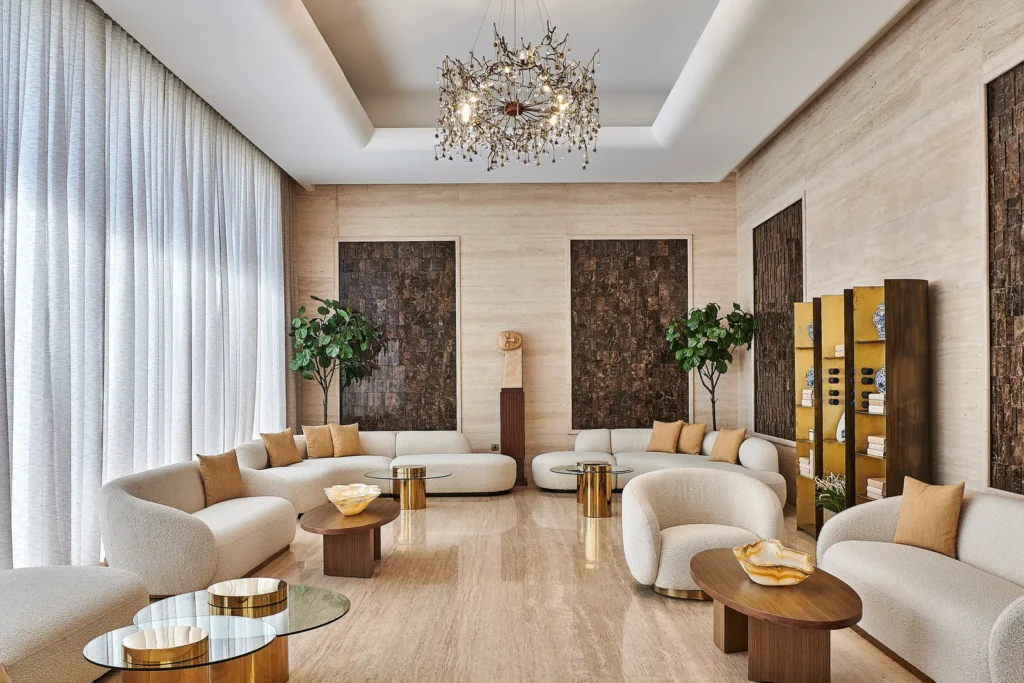
Dubai’s leading developers understand that luxury, in its highest expression, is no longer about abundance alone—it is about conscience and craftsmanship. Sustainable luxury in Dubai is defined by spaces that immerse residents and visitors in indulgence, comfort, and wellness, all while advancing reduced carbon footprints and environmental harmony.
Signature Projects: Paradigms of Sustainable Splendour
- The Opus by Zaha Hadid Architects: This iconic structure masterfully balances fluid form and practicality. The building’s reflective glass curtain wall maximizes natural lighting while minimizing heat gain, embodying Dubai’s fusion of sculptural drama and energy efficiency.
- Al Barari: Famed as Dubai’s ‘eco-conscious Eden’, this lush, low-density community reimagines urban living. Al Barari’s villas and apartments are surrounded by botanical gardens, and its infrastructure includes advanced solar arrays, water recycling systems, and sustainable materials.
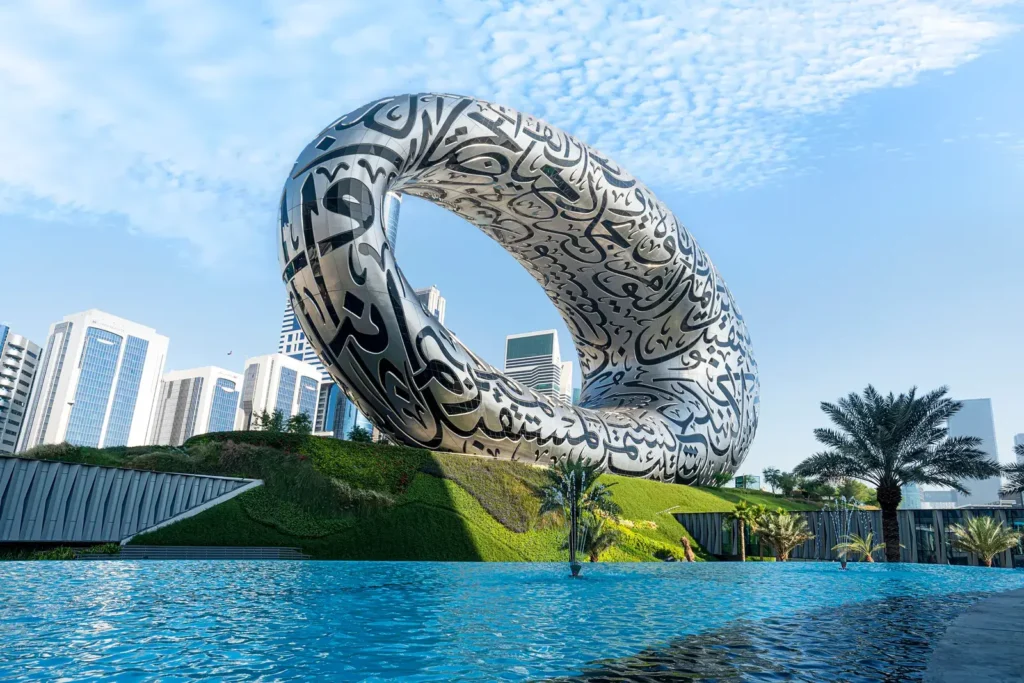
- Museum of the Future: Designed by Killa Design, this emblematic museum is exemplary in both spatial innovation and responsible construction. Its toroidal shape maximizes daylighting, while the façade’s Arabic calligraphy provides both shade and a cultural narrative.
The Role of Middle Eastern Design Motifs
Traditional Middle Eastern design cues are not mere aesthetic flourishes in Dubai—they are profound expressions of place and heritage. Arched colonnades, intricate latticework, and expansive courtyards offer passive cooling, privacy, and serenity, all while recalling the region’s architectural lineage.
Contemporary architects reinterpret these motifs, deploying geometric tiles, wood screens, and desert tones alongside cutting-edge glass and steel. This symbiosis ensures that even the most avant-garde projects remain rooted in cultural authenticity.
Integrating Technology for Responsible Grandeur
Modern Dubai architecture is distinguished not only by its ambitious silhouettes but by its seamless integration of smart technologies aimed at optimizing performance and wellbeing. The fusion of automated building management systems, high-efficiency HVAC, and advanced insulation contributes to buildings that are both luxurious and responsible.
- Smart Home Automation: From lighting to climate control, automated systems allow residents to customize comfort while conserving energy.
- Renewable Power Integration: Many landmark properties now feature solar panels and geothermal systems to harness clean energy in the demanding desert context.
- Waste Management Innovation: Elite developments increasingly integrate comprehensive recycling, composting, and greywater systems that reflect a holistic approach to sustainable luxury.
Challenges: The Paradox of Opulence in an Arid Landscape
Despite these strides, Dubai’s journey towards sustainable luxury is not without tension. The region’s challenging climate, water scarcity, and rapid urbanization demand that every gesture of extravagance be measured, justified, and ultimately regenerative.
Aesthetic ambition must constantly be weighed against ecological limits. Developers and designers face pressures to create experiential spaces for an international elite while mitigating environmental impact. The world’s gaze is on Dubai to demonstrate how “living large” can be reconciled with “living responsibly.”
Visionary Leaders Setting New Standards
Dubai’s transformation owes much to its vanguard of visionary architects, designers, and developers committed to sustainability at scale. These professionals are setting new global benchmarks in reconciling grandeur with stewardship—contributing know-how, research, and inventive solutions that will resonate across fine real estate and hospitality sectors worldwide.
- Multi-Disciplinary Collaboration: The most successful projects are the result of international teams, weaving together engineering, environmental science, fine craftsmanship, and Middle Eastern artistry.
- Regulatory Incentives: The Dubai Green Building Regulations & Specifications encourage efficiency and water conservation across commercial and residential typologies.
- Educational Initiatives: Leading universities and industry summits in Dubai foster knowledge-sharing, influencing trends in sustainable luxury far beyond the UAE’s borders.
Emerging Trends: The Future of Sustainable Luxury in Dubai
The trajectory of Dubai architecture underscores that luxury and sustainability are not mutually exclusive. Several emergent themes signal where the next chapter in desert modernism will be written:
- Wellness-Centric Spaces: Biophilic design, integrated wellness centers, and air-purifying plant walls are increasingly fundamental to luxury real estate projects.
- Desert-Integrated Landscapes: Instead of importing foreign plants, progressive developments celebrate the natural flora and dunes, fusing architecture with the living desert.
- Hybrid Hospitality: Branded residences and hospitality venues harness the cachet of international design houses while adhering to net-zero commitments.
- Art and Culture-Focused Design: Contemporary galleries, artisan studios, and cultural pavilions are being woven into mixed-use precincts, making artistry central to sustainable community living.
What International Professionals Can Learn from Dubai
For architects, designers, and real estate experts worldwide, Dubai stands as a vibrant testbed for reimagining sustainable luxury. Its blend of resourceful desert modernism, cross-cultural dialogue, and relentless innovation offers a blueprint, not only for surviving extreme environments, but for thriving in them with grace.
Lessons from Dubai architecture include:
- Synergy of Heritage and Innovation: Rooting bold, contemporary design in local narrative and environmental logic enhances meaning and longevity.
- Technology as Enabler, Not Just Accessory: Sophisticated solutions should deepen the sensory experience, wellness, and comfort—not just dazzle onlookers.
- Wellness and Sustainability as Luxury’s New Frontier: Today’s high-net-worth individuals increasingly expect that their residences reflect not only their status, but their values.
A New Landmark for Global Living
Dubai’s evolution is far from complete—it is, rather, an ongoing dialogue between land and aspiration, heritage and ambition. In this city, Middle Eastern design principles, ecological pragmatism, and bold luxury are converging to set standards for the art of living in the 21st century and beyond.
As the world’s gaze rests on the shimmering desert horizon, Dubai architecture reaffirms an enduring truth: True grandeur is that which endures, inspires, and uplifts—rendering the desert not a barrier, but a canvas for the future of sustainable luxury.