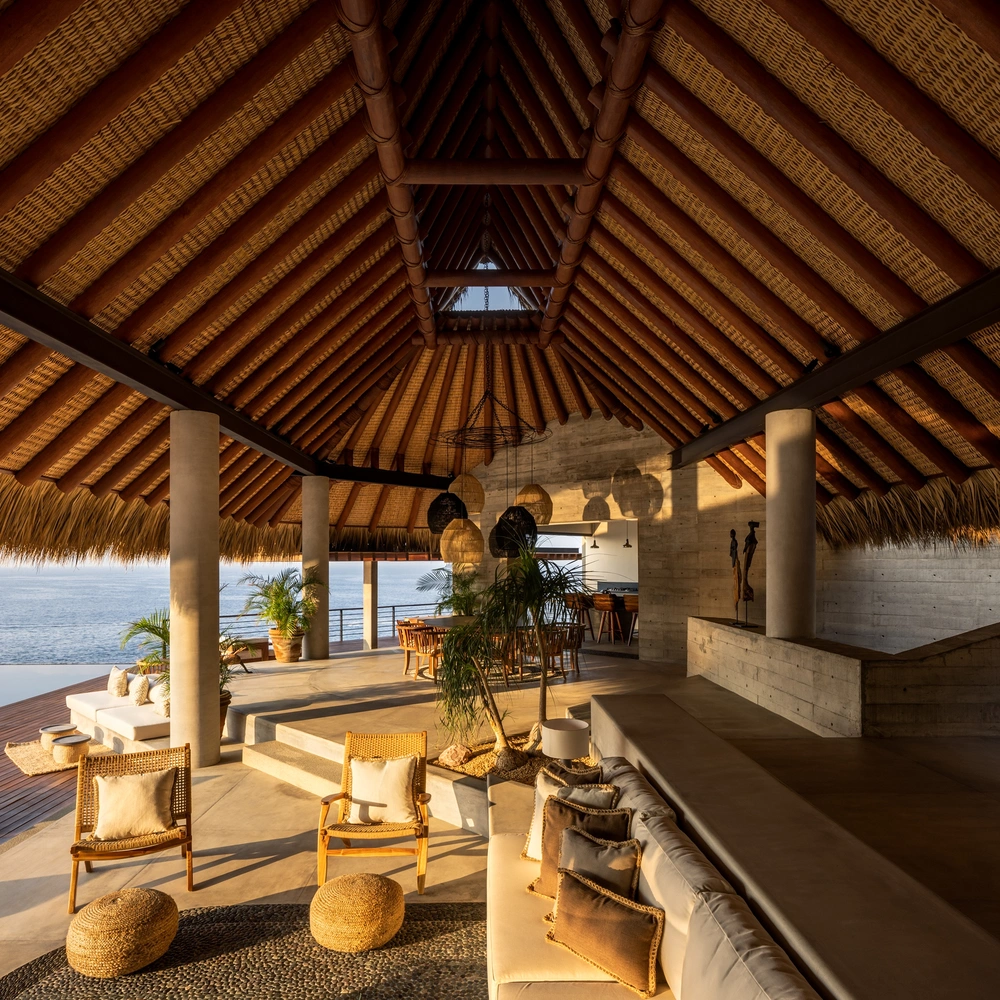
Ethiopian architecture, often overshadowed by its North African and Western counterparts, reveals a profound sophistication rooted in the continent’s oldest civilizations. In a world awakened to climate imperatives and aesthetic authenticity, African vernacular homes, particularly those built with earthen materials across Ethiopia, offer inspiration for sustainable architecture. Their intuitive elegance and ecological intelligence position them at the heart of a new era in global design, where heritage and sustainability intertwine.
Ethiopian Vernacular: A Legacy Sculpted in Earth
Nestled among highland plateaus, rift valleys, and lush riverbanks, Ethiopia’s vernacular tradition is an embodiment of harmony between built form and nature. This architectural DNA, honed over millennia, comprises a rich diversity, from the storied rock-hewn churches of Lalibela to the thatched tukuls of the southern Omotic peoples. While modern trends often favor the avant-garde, these traditional forms reveal timeless principles of climate-responsive, sustainable architecture with remarkable elegance.
Unveiling the Essence of African Vernacular Homes
African vernacular homes in Ethiopia stand apart for their adaptability and artistry. Guided by climatic necessity, social context, and locally available resources, their evolution offers both a narrative of resilience and an encyclopedia of design intelligence. What sets Ethiopian architecture apart is not only its rootedness in locale, but also its subtle visual poetry, organic, tactile, and profoundly sustainable.
Materials in Symphony with Nature
- Earth: The Lifeblood of Construction
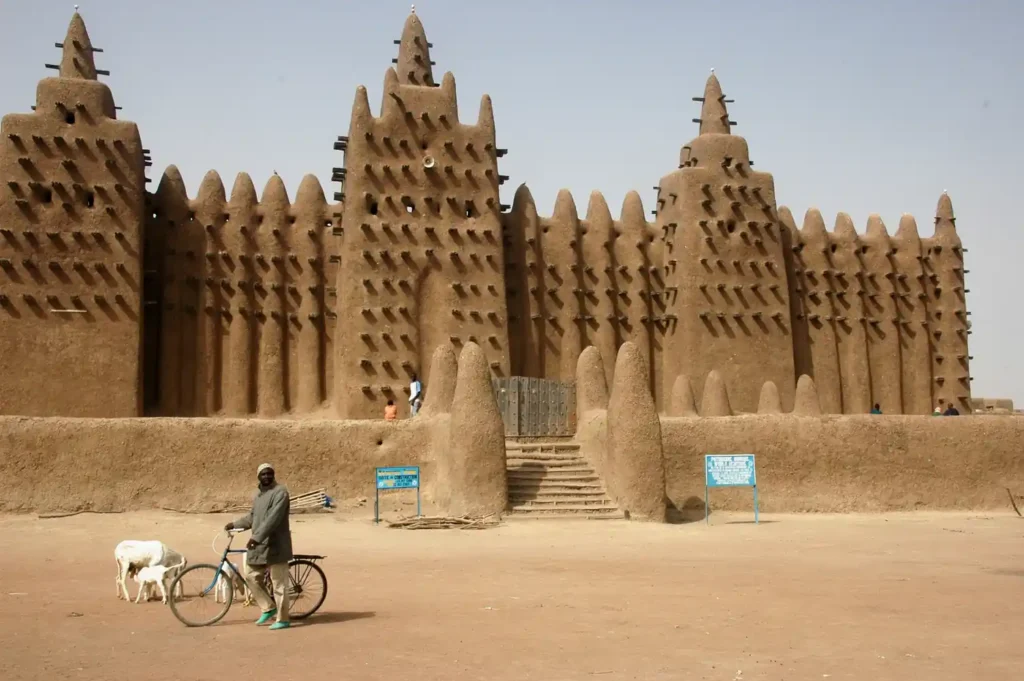
Cob, adobe, rammed earth, and stone are drawn from Ethiopia’s diverse landscapes. These materials, abundant, bio-available, and infinitely recyclable, manifest as thick thermal walls, sculptural domes, and earthen courtyards.
- Thatched Roofing and Woodwork
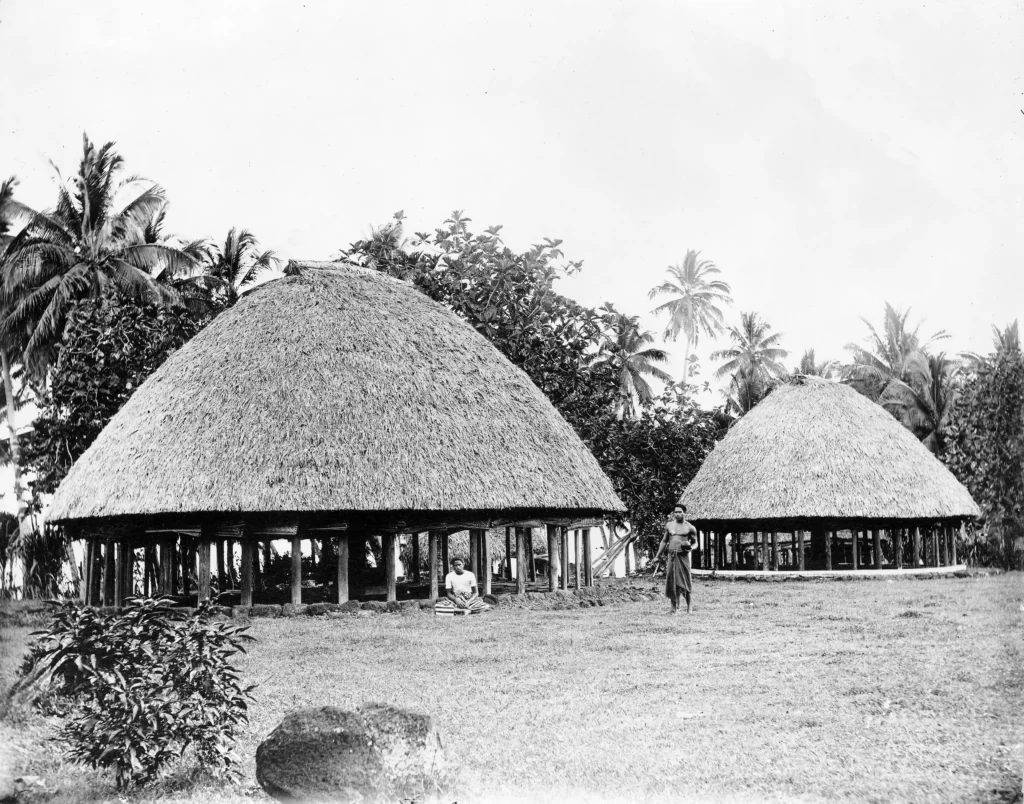
Local grasses and timber are deftly woven or carved, creating roofs with optimal insulation and visual warmth. The mastery of joinery and the elegance of handcraft recall a human touch often lost in contemporary design.
Typologies: The Diversity of Earthen Inspiration
From the round tukuls of the Gurage and Gedeo peoples to the monumental stone constructions in Tigray, Ethiopian vernacular architecture is anything but homogenized. Each typology is a testament to the interplay of geography, culture, and climate.
The Tukul: Living in the Round
Perhaps Ethiopia’s quintessential vernacular home, the tukul is a circular earthen dwelling topped with a conical, thatched roof. Its geometry fosters social intimacy and enables superior structural performance, bracing against winds, optimizing airflow, and regulating temperature passively. Interiors are often enriched with earthen benches, niches, and decorative motifs, rendering the tukul an immersive, living sculpture.
The Rock-Hewn Archetype: Timeless Innovation
Beyond the domestic, Ethiopia astounds the world with the monolithic churches of Lalibela and the defensive cliff dwellings of Tigray, a bold expression of sustainable architecture premised on subtractive carving rather than additive building. Here, the earth is not just the material, but the medium of spiritual and communal life.
Sustainability: Lessons from the Past, Blueprints for the Future
As architects and designers confront environmental urgencies, the Ethiopian paradigm offers essential wisdom:
- Thermal Performance: Thick earthen walls buffer extremes of heat and cold, requiring minimal active heating or cooling, reducing both energy consumption and long-term operational costs.
- Life Cycle and Renewability: Local, low-impact materials ensure that structures can be repaired, renewed, or returned to earth at end-of-life, minimizing embodied carbon and landfill contribution.
- Community Engagement: Collective building processes transfer technical know-how, foster social capital, and create homes that are culturally resonant and adaptable.
Earthen Opulence: Reframing Rustic Luxury
In luxury design discourse, the concept of elegance is increasingly reframed. Earthen forms, once dismissed as “rustic” or “primitive”, are now celebrated by global tastemakers for their authenticity, sensorial richness, and ecological intelligence.
The reclaimed notion of “handcrafted luxury” finds potent expression in Ethiopian architecture, where every undulating wall, sculpted threshold, and woven thatch signals a return to slow, deliberate artistry. For discerning homeowners, investors, and real estate experts, such homes offer more than shelter, they promise a total lifestyle shaped by culture and place.
Resurgence and Relevance: Vernacular Inspiration in Contemporary Practice
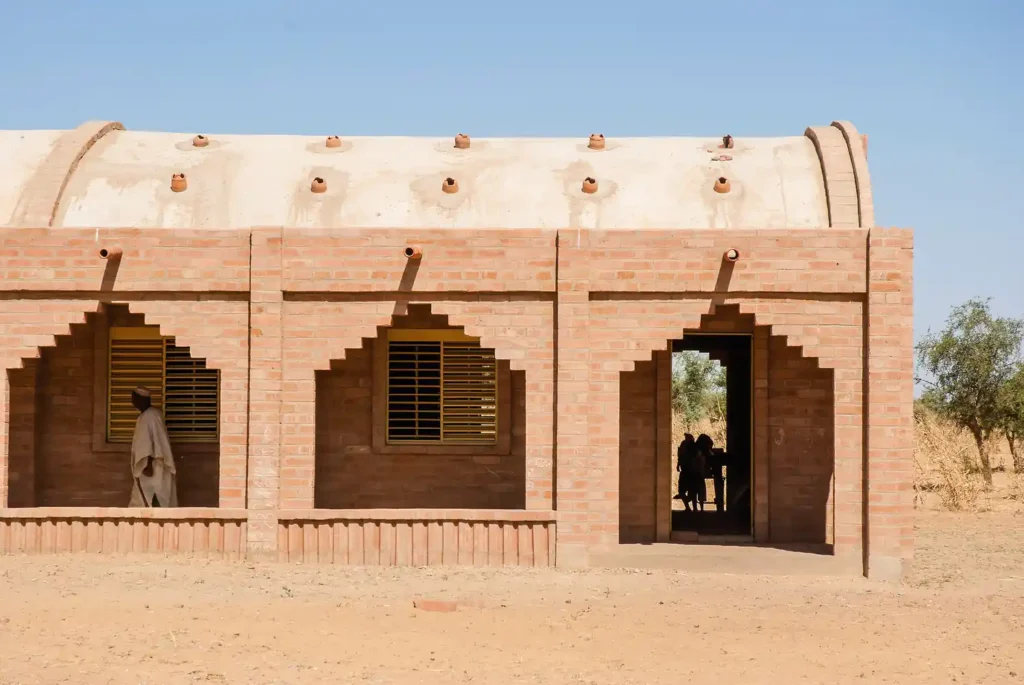
Today, a new generation of architects is reimagining African vernacular homes not as relics, but as blueprints for contemporary living. Pioneers such as Diébédo Francis Kéré, albeit in West Africa, have seeded wider interest in material innovation across the continent. In Ethiopia itself, both local and international studios are expanding upon vernacular typologies, integrating earthen technologies, passive thermal strategies, and indigenous artistry into high-end residential and hospitality projects.
Case Studies: Tradition Meets Innovation
- Adaptive Reuse in Addis Ababa: Craftsmen and architects restore historic homes into boutique guesthouses, blending original earthen walls and timber with modern amenities. The result: immersive environments that honor local identity while catering to global standards of comfort.
- Eco-Luxury Retreats in the Highlands: Pioneering developers are turning to Ethiopian architecture for eco-resorts where the beauty of raw materials and vernacular forms becomes a centerpiece of guest experience.
- International Inspiration: Unique wall constructions, organic forms, and climate-adaptive roofs are inspiring architects worldwide, from desert homes in California to contemporary compounds in Europe.
Designers’ Takeaway: Integrating Ethiopian Principles
- Embrace local material sourcing and craft techniques to ensure authenticity and reduce environmental impact.
- Prioritize passive design, orientation, shading, cross-ventilation, and thermal mass, for resilient and healthy habitats.
- Celebrate the poetic and sculptural potential of earth; transform structures into immersive, sensory experiences tailored to both context and luxury lifestyles.
Looking Forward: Towards a Regenerative Design Ethos
To champion Ethiopian architecture on the global stage is to champion an approach in which sustainability is not a modern add-on, but a millennia-old imperative. African vernacular homes materialize the aspiration for rootedness in a transient age, an architecture not only of place, but of purpose.
As the luxury real estate sector shifts towards sustainable architecture and unique cultural narratives, Ethiopia’s earthen elegance stands poised to shape the next chapter in intelligent, soulful design. From private villas that evoke tactile serenity to world-class resorts celebrating storytelling and stewardship, the understated sophistication of Ethiopia continues to invite global attention and reappraisal.
The Takeaway
Ethiopian vernacular architecture is more than an aesthetic; it is a testament to humanity’s evolving conversation with nature, culture, and craft. In the realm of sustainable architecture, its quiet intelligence and artistry invite us to reconsider what it means to build well, and to imagine homes that are as restorative for the planet as they are sumptuous for the soul.
For architects, designers, and connoisseurs of cultural luxury, the overlooked elegance of Ethiopian earthen homes is not merely relevant, it is essential.