Glass Design: Exploring Transparency as Architecture

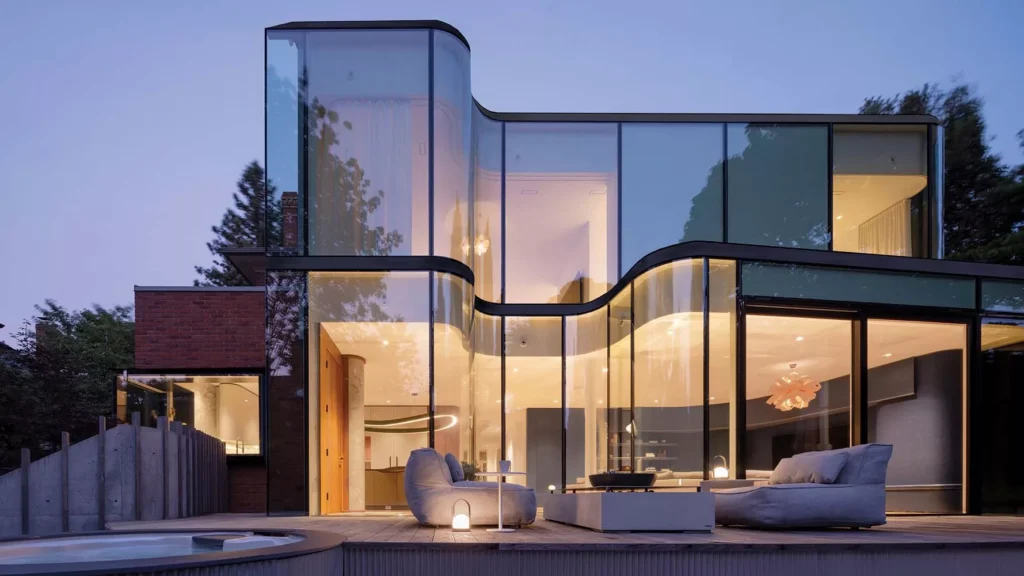
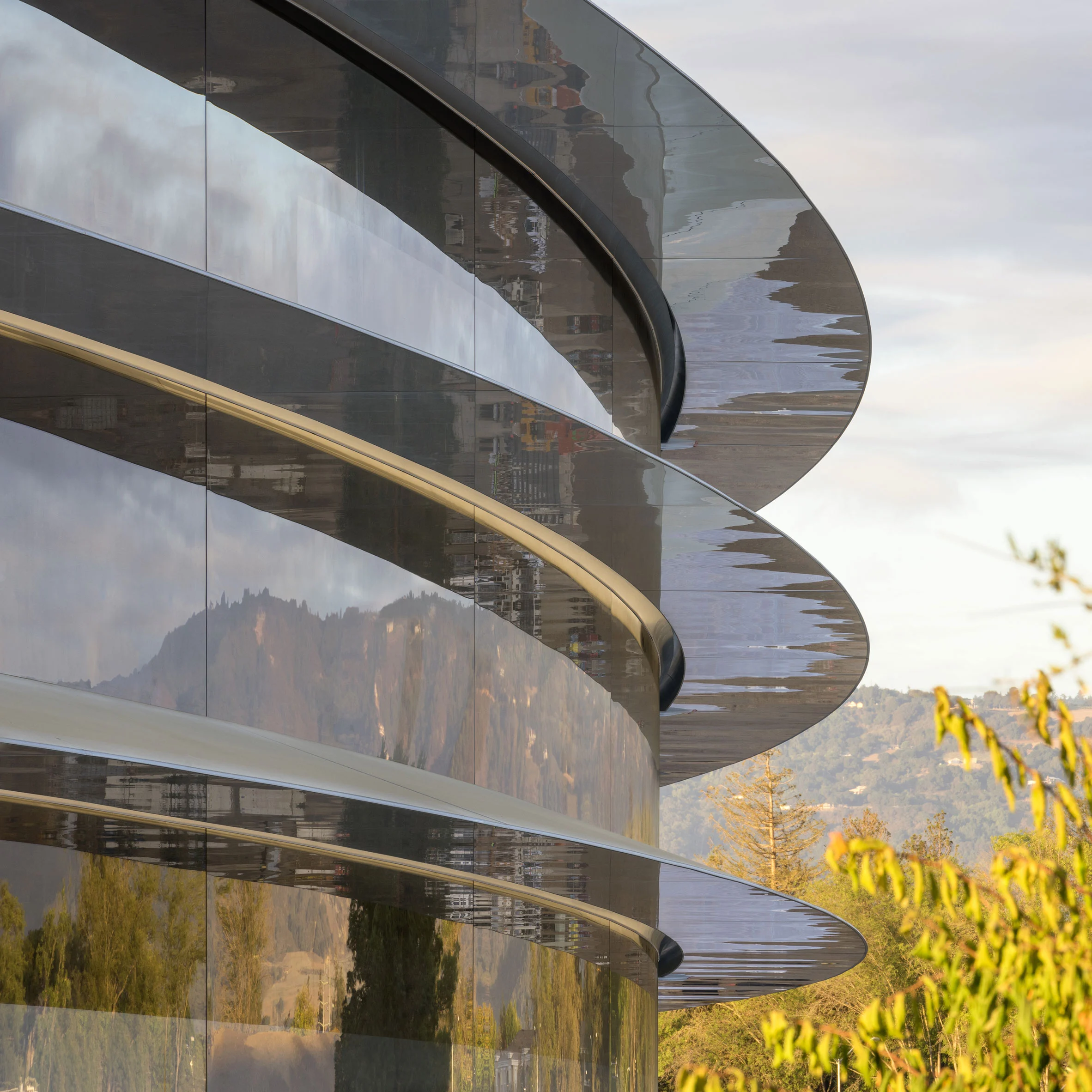
Close-up of curved glass architecture reflecting natural surroundings — an exploration of light, reflection, and the harmony between structure and landscape.

In the tapestry of contemporary architecture, few materials have engendered as profound a transformation as glass. As boundaries between inside and outside dissolve in the pursuit of harmony, transparency emerges not merely as an aesthetic ambition, but as a philosophical stance, one that forges a compelling design dialogue between nature and built form. Today, glass architecture, powered by innovation in modern glazing design, is redefining how we inhabit, perceive, and honor our environments. From biophilic facades that cultivate sensory connections with the outdoors to the cultural significance of luminous living, this editorial delves into transparency as an architectural language. For distinguished architects, visionary designers, and aficionados of refined living, it is a discourse where nature and artistry meet, and where luxury finds its truest light.

The Evolution of Glass in Architectural Discourse

From the crystalline fantasies of Mies van der Rohe to the contemporary marvels of Norman Foster, the embrace of glass has fundamentally recast architectural expression. Historically a symbol of progress and openness, glass has matured into a medium that conjures both boldness and subtlety.

In recent decades, technological advances have propelled glass architecture into a new epoch. Innovations in structural glazing, performance coatings, and insulating technologies enable the realization of vast, ethereal spaces, all while adhering to rigorous environmental standards. The dialogue today is not merely about letting light in, but about inviting nature itself to participate in the dramaturgy of daily life.

Transparency: Beyond Aesthetic, Toward Philosophy

Glass is the vessel of light and the mediator of views; it offers both protection and revelation. As a transparent envelope, it blurs the dichotomy of inside and outside, dissolving psychological barriers that once defined domestic and public space. In the context of high-end real estate and curated interiors, transparency calls forth a new kind of luxury, a living connection with landscape, sky, and season.

  • Visual Continuity: Glazing dissolves the threshold between built volumes and surrounding nature, cultivating a sense of expansion and freedom.
  • Experiential Openness: Occupants are immersed in natural rhythms, sunrises, shifting weather, the dance of foliage, heightening well-being.
  • Integrated Design: Transparent planes form seamless transitions, allowing interiors to converse with gardens, terraces, and distant horizons.
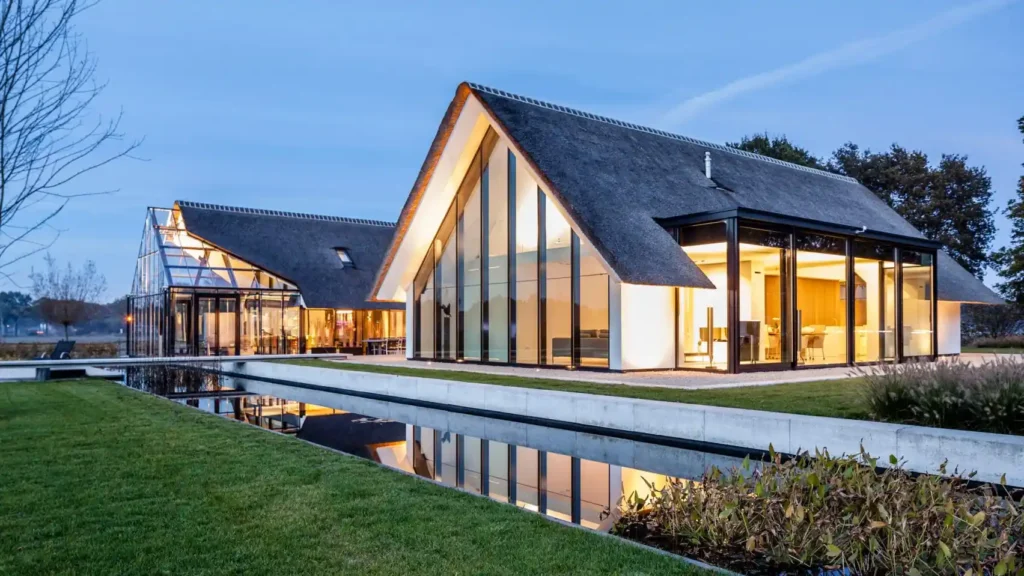
Biophilic Facades: The Synthesis of Nature and Glass

Central to glass architecture’s relevance in 21st-century design is its role in advancing biophilic principles. Biophilic facades, façades that integrate organic patterns, natural materials, and living green elements, transcend visual appeal; they function as bridges to ecological wellness.

What Are Biophilic Facades?

Biophilic facades are architectural skins that blur artifice and nature. They use transparent and translucent glazing, living vegetation, and textural biomimicry to craft immersive environments that nurture mind and body. These facades are not mere embellishments; they are tools for sustainable urbanism and holistic well-being.

  • Direct Contact: Generous glass surfaces infuse interiors with daylight and vistas, while moveable windows and glazed doors facilitate tactile engagement with the outdoors.
  • Indirect Experience: Views of green walls, water features, or the delicate interplay of shadow and light cast by foliage amplify biophilic effect, even in dense urban contexts.
  • Dynamic Sustainabilities: Integrated shading, energy-efficient glass, and climate-responsive controls ensure environmental responsibility without compromising elegance.

Modern Glazing Design: Technology and Poetry

The artistry of modern glazing design is underpinned by an alliance of engineering and imagination. Today’s architectural glass is not simply about transparency, but about nuanced control, tempering glare, modulating heat gain, and sculpting the quality of light.

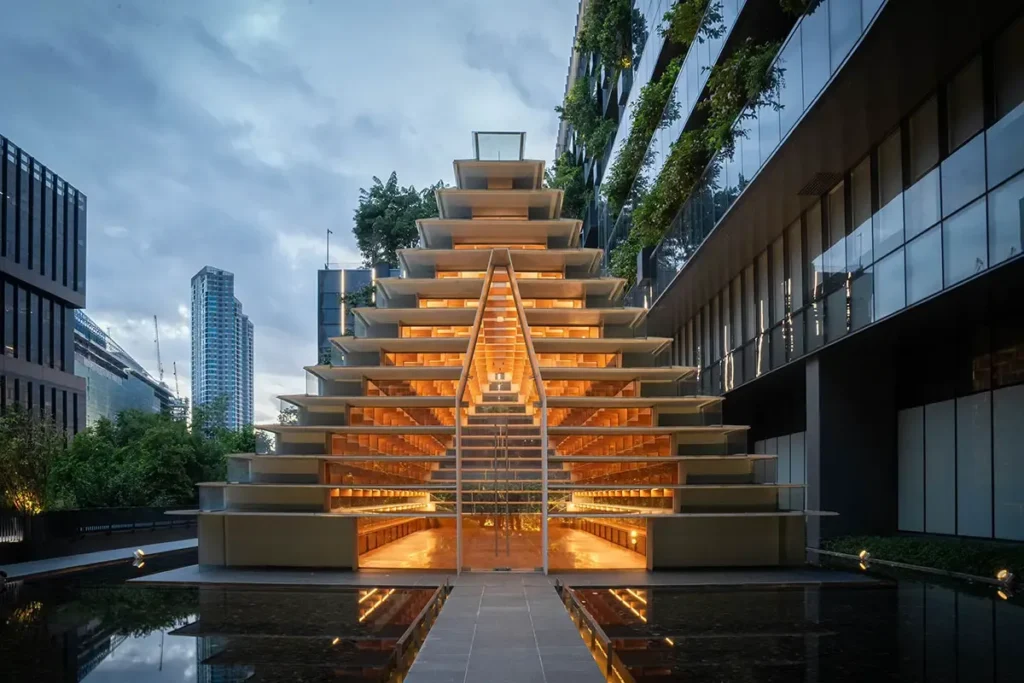
Nolita Harbour Logo

The Specialists in Bespoke

Turn your Designs into Reality with Nolita Harbour

Signature Innovations in Modern Glazing Design

  • High-Performance Coatings: Low-emissivity (Low-E) and spectrally selective coatings enable clarity and thermal comfort, ensuring glass façades are both luminous and efficient.
  • Structural Glazing Systems: Minimally framed or frameless systems achieve vast, uninterrupted vistas, diminishing the presence of hardware to a near-invisible threshold.
  • Smart Glass: Electrochromic technologies permit real-time adjustment of transparency, allowing interior environments to respond to shifting daylight or privacy needs.
  • Acoustic Control: Advanced laminate or triple-glazed assemblies provide serenity in urban conditions, proving that glass can deliver privacy amid openness.

At the intersection of engineering and beauty, these innovations empower architects and designers to envision spaces that marry comfort, sophistication, and sustainability.

Transparency in Practice: Case Studies of Distinction

A global survey of seminal projects elucidates how glass architecture is shaping new paradigms of luxury and ecological stewardship.

1. Villa Varoise, South of France

This residential masterpiece weaves sheer glass facades into the tapestry of Provençal landscape. Here, floor-to-ceiling glazing frames olive groves and lavender fields, bathing interiors in ever-changing Mediterranean light, a poetic illustration of architectural and natural symbiosis.

2. Apple Park, Cupertino

Foster + Partners’ iconic campus redefines corporate culture via its glass perimeter. Biophilic facades merge with parkland, blurring distinctions between work and nature, and employing intelligent modern glazing design to maximize comfort and transparency.

3. Glass Pavilion, Santa Barbara

Steve Hermann’s Glass Pavilion epitomizes absolute transparency. With sliding panes meeting unobtrusive supports, the boundary between interior and private woodland dissolves, articulating a profound sense of openness and tranquility.

Each of these projects, differing in function and scale, articulates transparency not as an absence of boundary, but as a catalyst for richer experiential living.

Transparency, Sustainability, and the Culture of Refined Living

The convergence of biophilic facades and advanced glazing technology positions glass architecture at the vanguard of eco-luxury. For discerning clientele, transparency is not merely about visual drama, but about a conscious embrace of stewardship, of both habitat and heritage.

  • Energy and Health: High-performance glass reduces artificial lighting and HVAC demands, supporting both environmental and personal well-being.
  • Resilience: Modern glazing design, including hurricane-rated and fire-resistant solutions, ensures safety does not come at the cost of liminality or openness.
  • Cultural Resonance: Glass speaks a universal language of clarity and aspiration, finding relevance in penthouse apartments, heritage interventions, and coastal villas alike.

Conclusion: The Future of Glass Architecture and the Enduring Dance with Nature

As the world’s leading architects and tastemakers look to the future, the alchemy of glass and nature will only deepen. Biophilic facades will further integrate biodiversity with domestic elegance; modern glazing design will continue to balance performance with poetics. Ultimately, transparency is evolving from an aesthetic gesture to a living philosophy, one that honors the interconnectedness of life, landscape, and luxury. For those who seek beauty, wellness, and cultural resonance, the new era of glass architecture offers not merely a view, but an invitation: to dwell amid light, to inhabit the present, and to let architecture participate in the dance of nature.

Join our Newsletter

Subscription Form

Share on:

Specialists in Bespoke Outdoor

A Statement of Outdoor Luxury.
Mediterrazza Logo

Read More

Visitors approaching the glass-fronted entrance of Feria Valencia beneath the Cevisama 2020 banner.

Cevisama 2026: A New Chapter in Materials, Interiors, and the Art of Living

Cozy winter living room with a cream sofa, wool throw, oak coffee table, warm lighting, and views of a snow covered garden.

Cozy Homes: Winter Design Ideas for Warm, Inviting Interiors

Luxury mountain resort with chalet-style architecture, heated outdoor pool, snowy peaks and warm interiors at sunset.

Luxury Mountain Resorts: 8 Exceptional Retreats Redefining the Modern Chalet

Promotional banner for Decorex 2026 at Olympia London, featuring a deep green background framed by ornate botanical illustrations of colorful flowers and gold accents. The design announces the event dates, 11–14 October 2026, organized by Informa.

Decorex 2026: London’s Annual Event for Luxury Interiors

Colorful Vienna Design Week 2026 posters celebrating the festival’s 20th edition across the streets of Vienna.

Vienna Design Week 2026: Celebrating 20 Years of Design, Ideas and Innovation

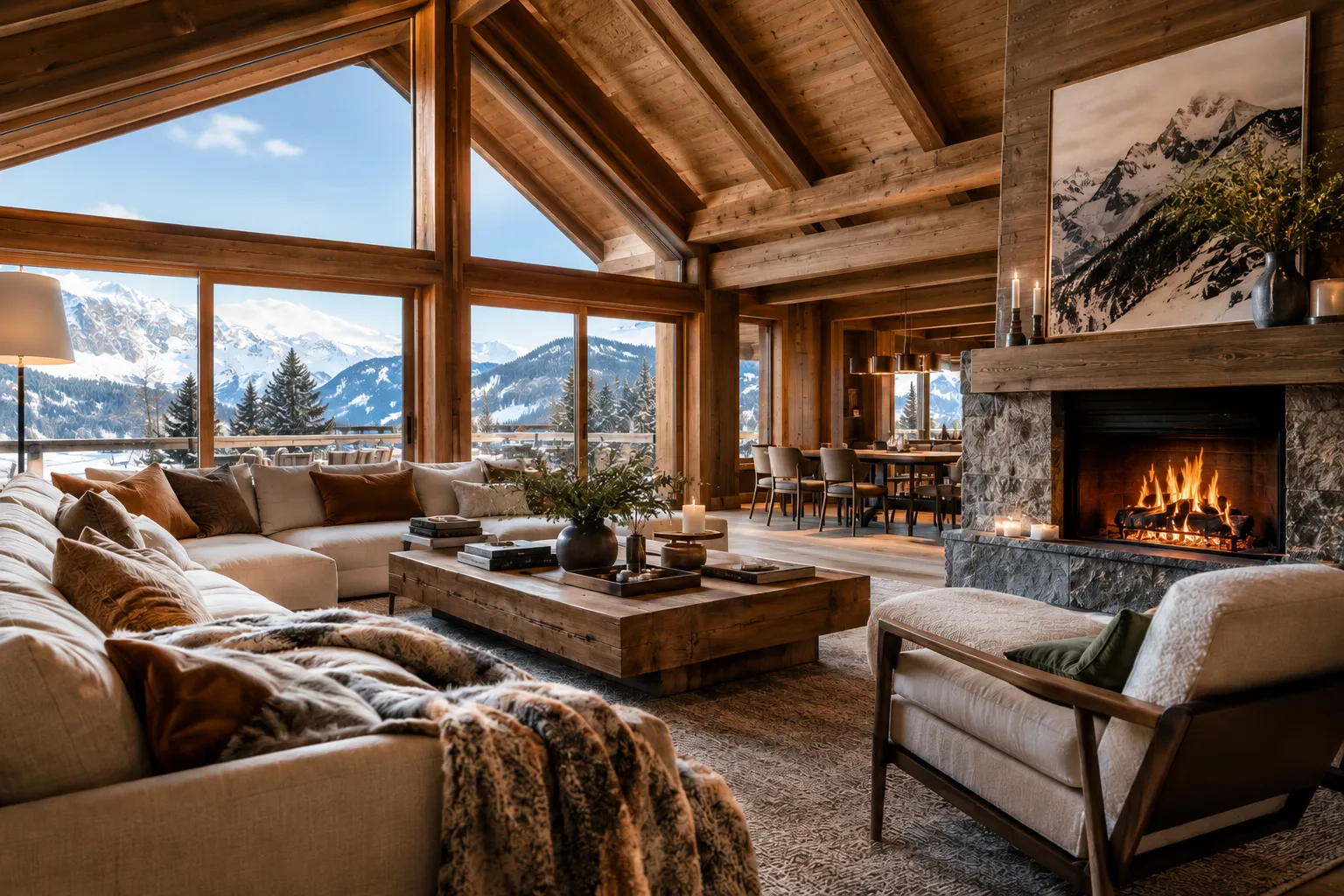
Luxury Alpine chalet interior with exposed timber beams, natural stone fireplace, warm neutral furnishings, and panoramic views of snow covered mountains.

The Art of the Chalet: Architecture, Luxury Interiors and the New Language of Mountain Living

Reader Favorites

Design Miami 2026 - what to look for

Design Miami 2026: The Leading Global Fair for Collectible Design Returns in December

Top 10 Interior Design Trends

Top 10 Interior Design Trends That Will Shape Homes After 2027

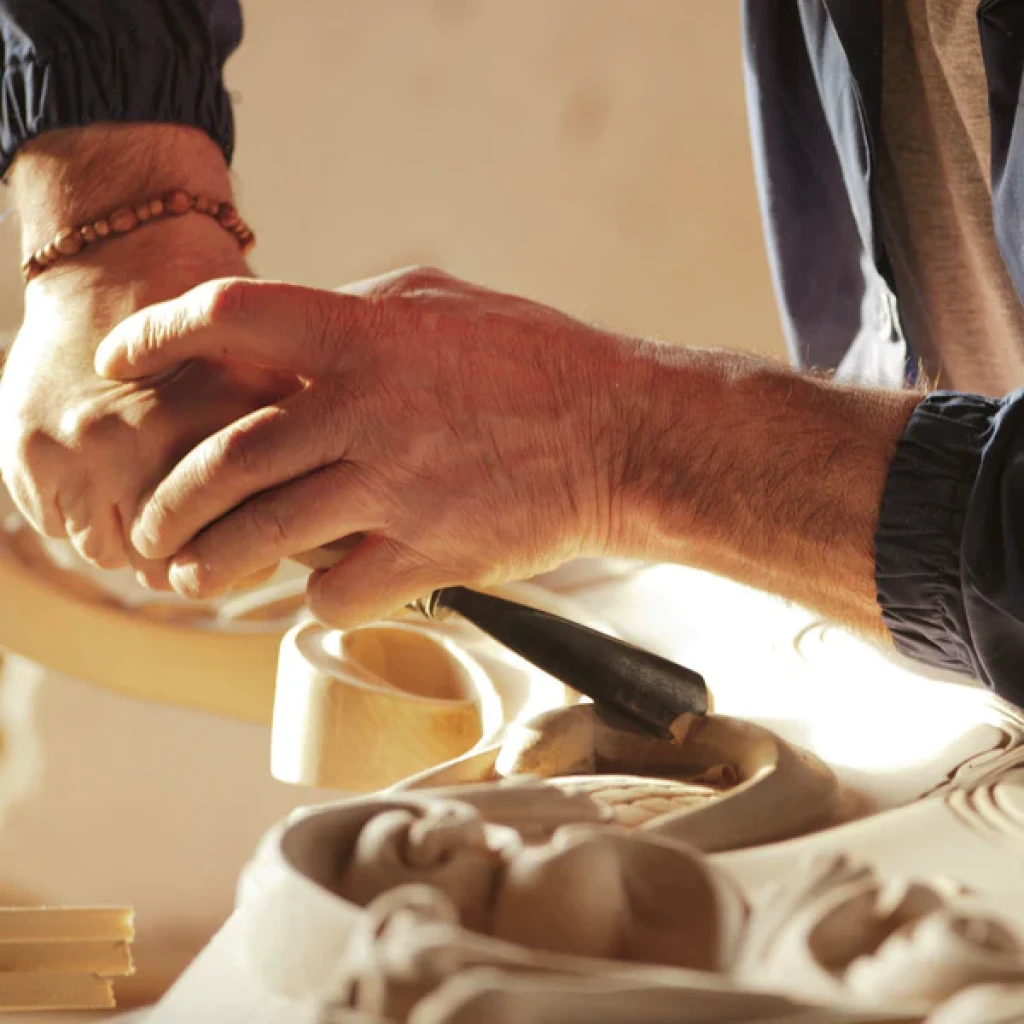
Close-up of artisan hands carving intricate patterns into wood, highlighting the precision and artistry of Italian craftsmanship.

How Artisanal Craftsmanship is Reclaiming its Place in Luxury Interiors

Latest News

Visitors approaching the glass-fronted entrance of Feria Valencia beneath the Cevisama 2020 banner.

Cevisama 2026: A New Chapter in Materials, Interiors, and the Art of Living

Cozy winter living room with a cream sofa, wool throw, oak coffee table, warm lighting, and views of a snow covered garden.

Cozy Homes: Winter Design Ideas for Warm, Inviting Interiors

Luxury mountain resort with chalet-style architecture, heated outdoor pool, snowy peaks and warm interiors at sunset.

Luxury Mountain Resorts: 8 Exceptional Retreats Redefining the Modern Chalet

Join our Newsletter

Join our circle of refined living.
Subscribe for curated stories, news and inspiration.

Subscription Form