Mediterranean Modern has become one of the most influential movements in luxury residential and hospitality design. Architects, outdoor designers, and premium furniture brands continue to embrace this refined aesthetic because it combines timeless Mediterranean warmth with the clean sophistication of modern architecture. The result feels elegant, tactile, and deeply connected to nature.
From cliffside villas in Ibiza to luxury resorts in Mykonos and contemporary coastal homes in Malibu, Mediterranean Modern design has evolved into a global benchmark for relaxed luxury. More than a passing style trend, it represents a shift toward organic materials, indoor outdoor continuity, and architecture that responds naturally to climate and landscape.
What Defines Mediterranean Modern Design?
Mediterranean Modern blends traditional coastal Mediterranean influences with minimalist contemporary design principles. The style draws inspiration from regions such as southern Spain, Greece, Italy, and the French Riviera while removing ornamental excess in favor of clean geometry and restrained elegance.
Unlike traditional Mediterranean interiors that often feature heavy detailing, Mediterranean Modern prioritizes simplicity, texture, and light. Neutral palettes dominate the aesthetic, including soft whites, warm sand tones, limestone beige, terracotta, olive green, and muted clay.
Architecturally, the style favors:
- Monolithic forms
- Soft curved edges
- Natural stone surfaces
- Large glass openings
- Seamless indoor outdoor transitions
- Sculptural furniture
- Layered organic textures
This balance between rustic authenticity and modern restraint creates spaces that feel both luxurious and approachable.
Why Mediterranean Modern Resonates in Luxury Coastal Design
Luxury clients increasingly seek homes and hospitality environments that feel restorative rather than overly formal. Mediterranean Modern answers that demand through emotional warmth and sensory richness.
Natural daylight plays a central role. Oversized windows, internal courtyards, and open terraces maximize sunlight while creating fluid connections between architecture and landscape. Outdoor living becomes an extension of the interior instead of a separate zone.
For outdoor designers and architects, this approach offers tremendous flexibility. The aesthetic adapts beautifully across beachfront residences, desert retreats, boutique hotels, wellness resorts, and luxury rooftop environments.
The style also aligns with contemporary priorities around sustainability and material authenticity. Clients value handcrafted finishes, locally sourced stone, solid wood, limewash walls, and artisanal furniture because these elements add permanence and character.
The Rise of Sculptural Outdoor Living
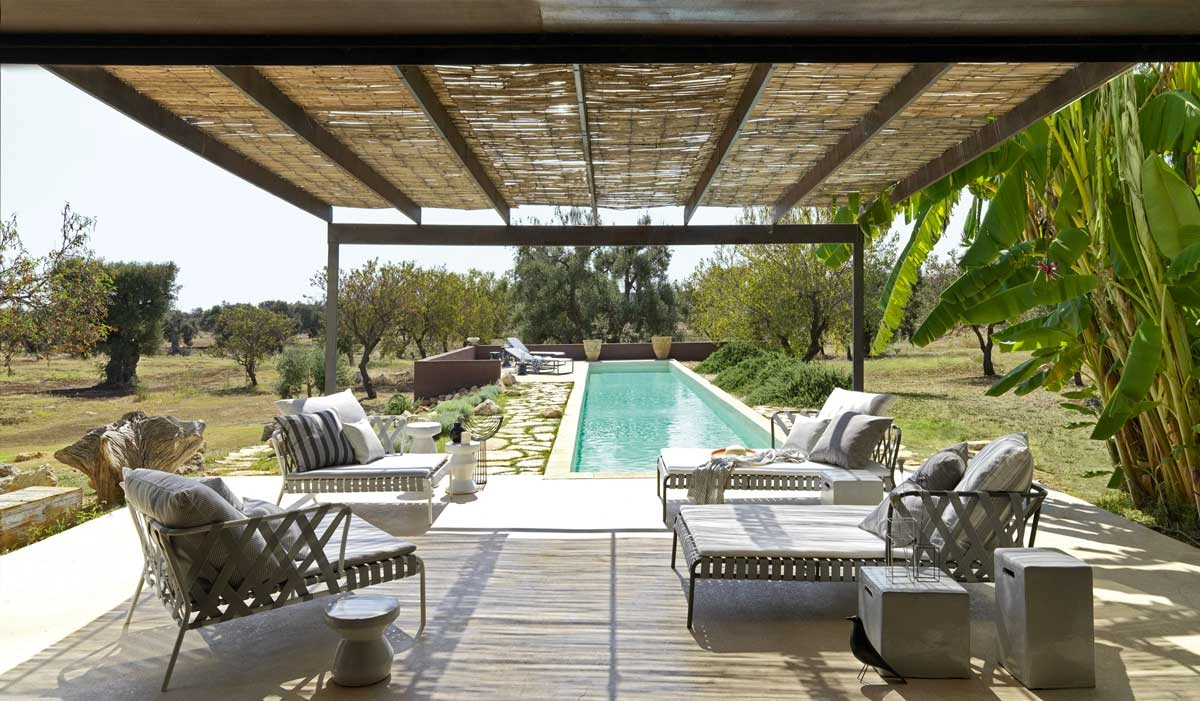
Outdoor spaces have become central to Mediterranean Modern design. Terraces, patios, and poolside lounges now function as curated living environments rather than secondary amenities.
Furniture brands responding to this trend emphasize sculptural silhouettes with tactile finishes. Rounded lounge seating, low profile sectionals, travertine tables, woven textures, and handcrafted ceramics dominate premium outdoor collections.
Materials matter significantly. Designers often specify:
- Teak
- Travertine
- Limestone
- Powder coated aluminum
- Bouclé inspired outdoor fabrics
- Handwoven rope detailing
The objective is not visual perfection alone. Mediterranean Modern outdoor environments should encourage comfort, conversation, and a slower rhythm of living.
This shift has elevated the role of outdoor furniture manufacturers. Collections now need to integrate architecturally with the surrounding structure while maintaining durability in coastal climates.
Architectural Characteristics Driving the Trend
Several architectural elements consistently define Mediterranean Modern projects.
Curved Geometry
Soft arches and rounded forms create visual calm while referencing traditional Mediterranean architecture. Instead of ornate historical detailing, contemporary projects simplify these curves into sculptural gestures.
Curved staircases, arched openings, rounded built in seating, and circular courtyards help soften minimalist compositions.
Material Authenticity
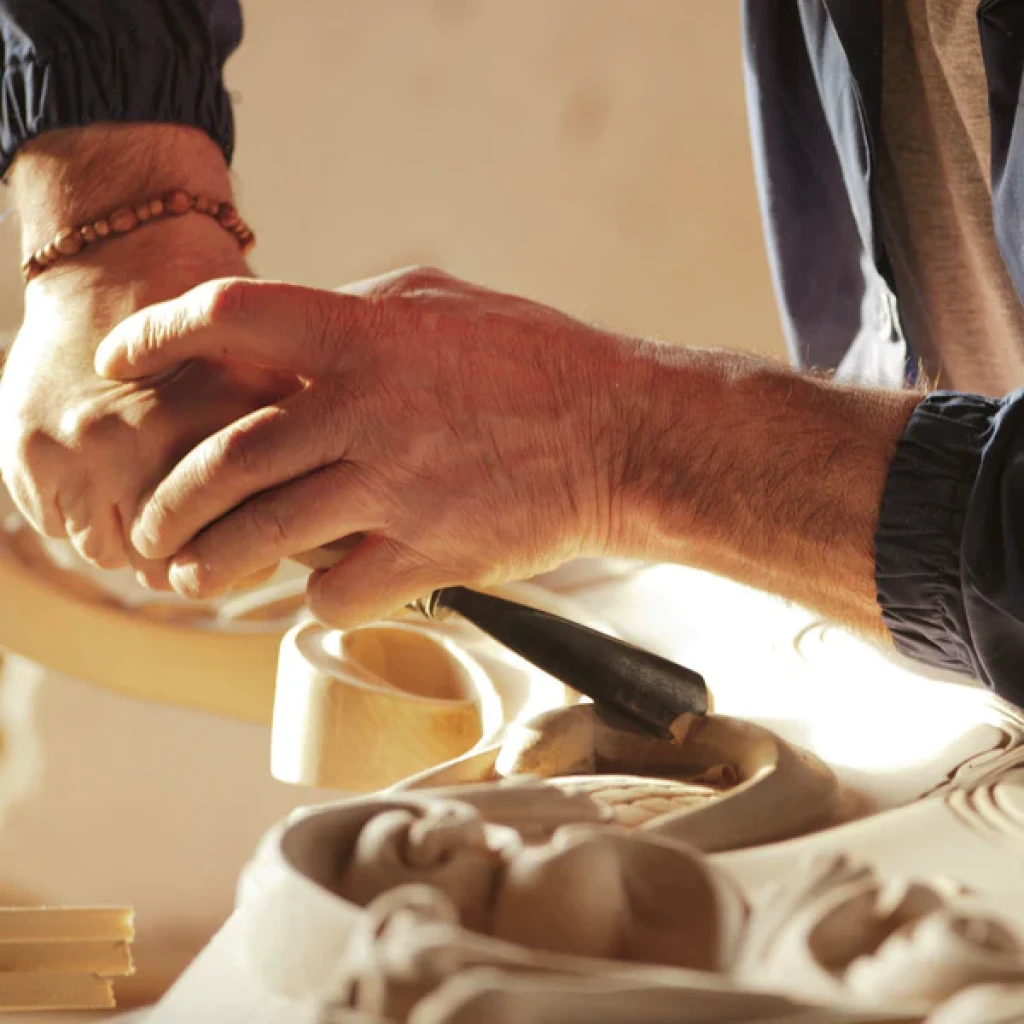
Mediterranean Modern spaces rely heavily on honest material expression. Designers avoid overly polished finishes in favor of surfaces that reveal texture and craftsmanship.
Lime plaster walls, brushed stone, aged brass, weathered oak, and handmade tiles introduce subtle imperfections that enrich the environment.
Indoor Outdoor Integration
Large sliding glass systems erase boundaries between interior and exterior spaces. Covered terraces, outdoor kitchens, and shaded lounges become functional extensions of the home.
Architects often use continuous flooring materials to visually connect both areas while reinforcing spatial flow.
Minimalist Landscaping
Landscaping within Mediterranean Modern projects tends to feel restrained and climate responsive. Olive trees, drought tolerant grasses, lavender, rosemary, and sculptural cacti complement the architecture without overwhelming it.
The landscape should feel curated yet natural.
Mediterranean Modern in Luxury Hospitality
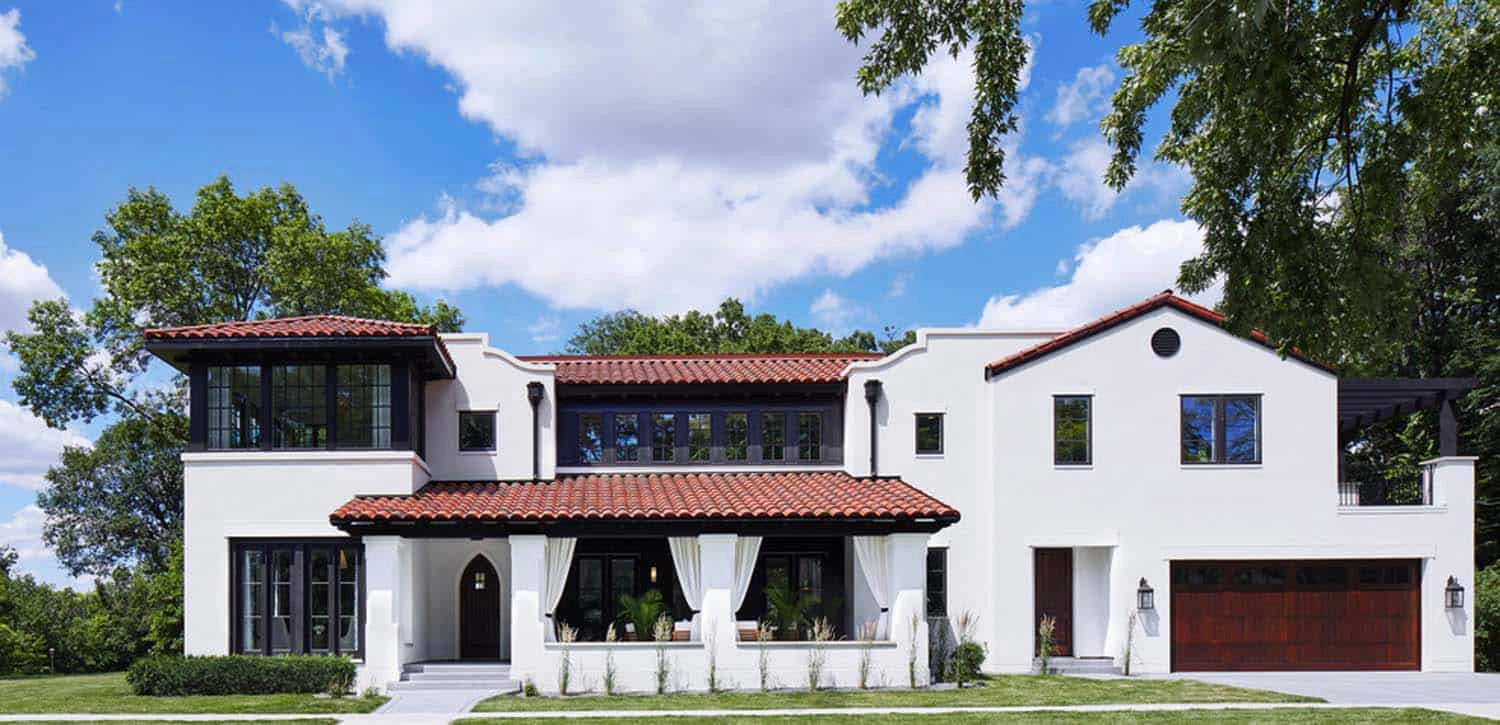
Luxury hospitality brands have played a major role in popularizing Mediterranean Modern aesthetics globally. High end resorts increasingly favor calm, earthy environments that prioritize wellness, privacy, and experiential luxury.
Boutique hotels across Tulum, Santorini, and Comporta have adopted Mediterranean Modern principles to create immersive guest experiences rooted in texture, atmosphere, and landscape.
These projects frequently combine:
- Monochromatic palettes
- Organic architectural forms
- Open air courtyards
- Bespoke furniture
- Ambient lighting
- Artisan craftsmanship
For luxury design studios, the trend offers a sophisticated visual language that photographs exceptionally well while delivering emotional resonance for guests.
The Influence of Wellness and Slow Living
Mediterranean Modern design strongly reflects broader lifestyle shifts toward wellness and intentional living. Clients increasingly want homes that feel peaceful, grounded, and connected to nature.
This philosophy shapes spatial planning as much as aesthetics. Meditation gardens, shaded outdoor lounges, spa inspired bathrooms, plunge pools, and natural ventilation strategies all contribute to a slower and more restorative environment.
Rather than emphasizing excessive decoration, Mediterranean Modern focuses on atmosphere. Texture, proportion, sunlight, and material warmth become the primary design tools.
For architects and outdoor designers, this creates opportunities to craft highly sensory experiences that prioritize comfort and emotional well being.
Why Furniture Brands Are Investing in Mediterranean Modern Collections
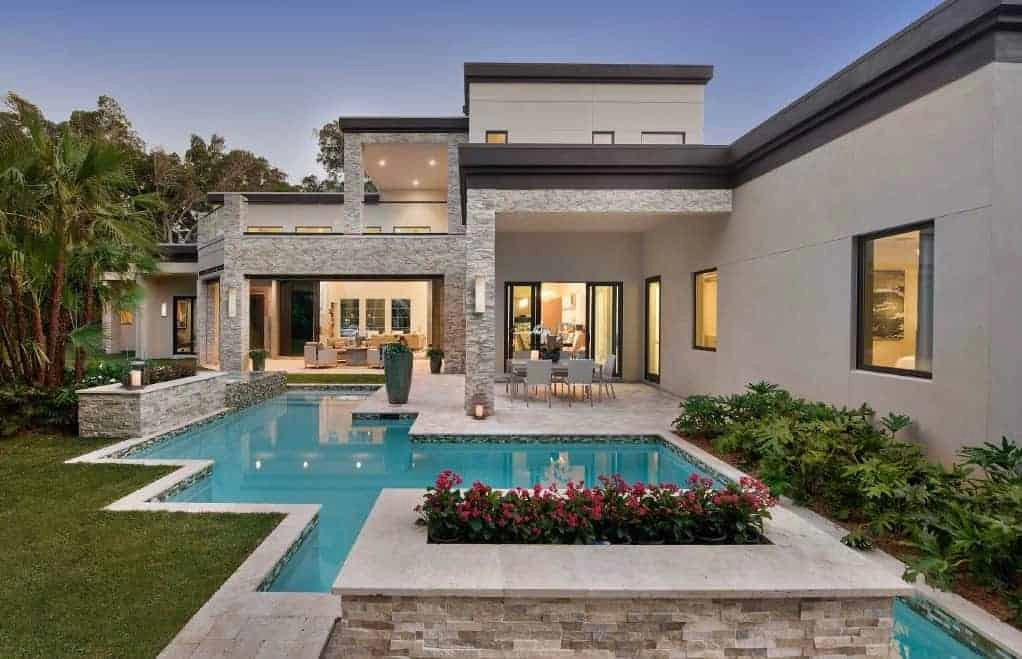
Luxury furniture brands recognize that Mediterranean Modern has become commercially influential across residential and hospitality sectors.
The trend supports a premium positioning because it values craftsmanship, tactile materials, and timeless design over fast moving seasonal aesthetics. Consumers purchasing within this category often seek investment pieces with enduring appeal.
Outdoor collections inspired by Mediterranean Modern aesthetics commonly feature:
- Modular lounge systems
- Sculptural dining tables
- Low seating profiles
- Neutral performance textiles
- Organic curves
- Hand finished surfaces
These products integrate naturally into both contemporary and transitional architectural settings, making them highly versatile for luxury projects worldwide.
The Future of Mediterranean Modern
Mediterranean Modern continues to evolve beyond its regional roots into a broader international design language. Its enduring appeal comes from its ability to balance sophistication with comfort while maintaining a deep connection to natural materials and outdoor living.
As luxury residential and hospitality markets increasingly prioritize wellness, sustainability, and timeless aesthetics, Mediterranean Modern will likely remain at the forefront of contemporary coastal design.
For architects, outdoor designers, and luxury furniture brands, the movement offers more than visual inspiration. It provides a complete design philosophy centered on light, texture, craftsmanship, and the art of relaxed living.