Neo-Crafts: When Digital Tools Meet Tradition

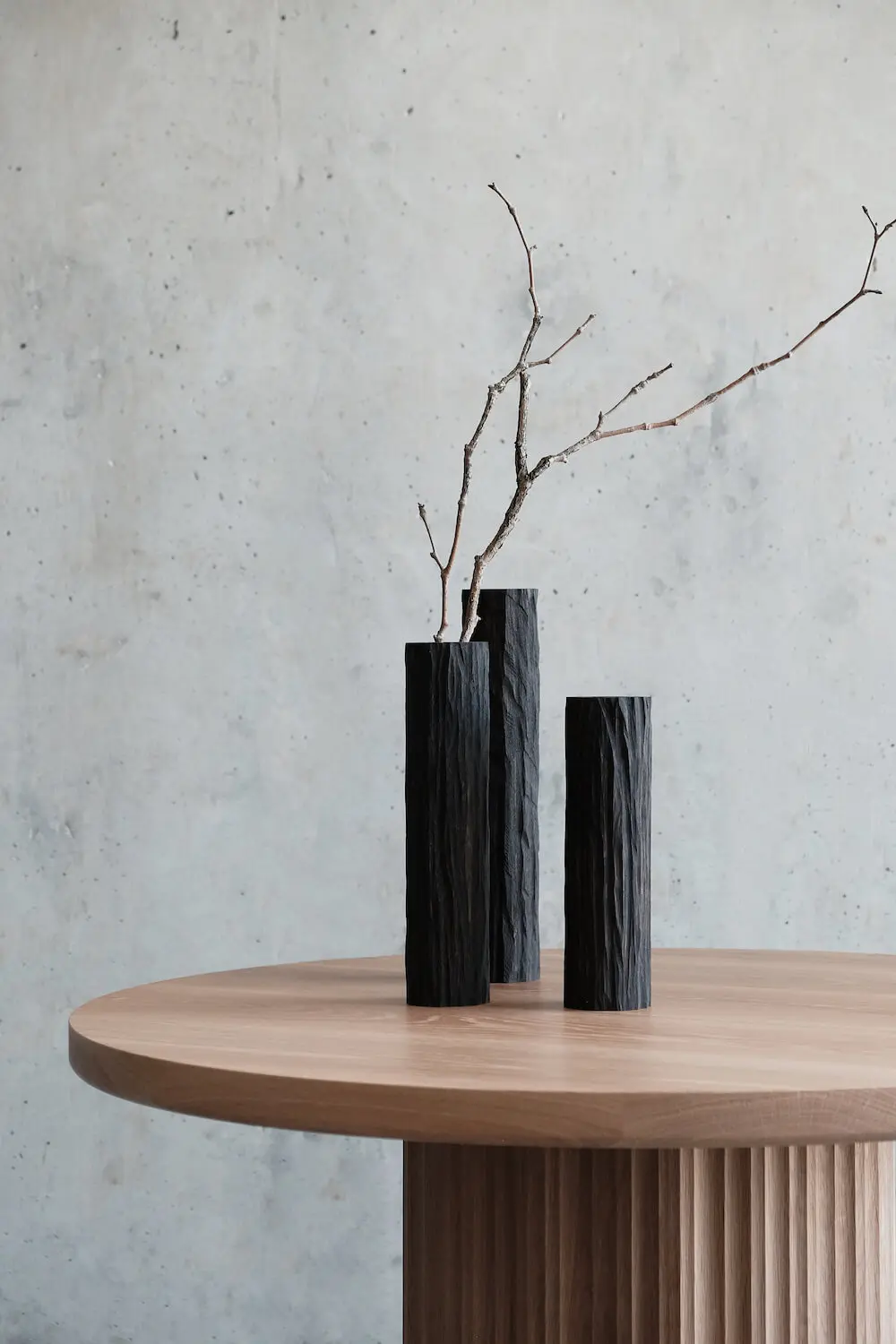
Minimalist wooden table with three charred black vases and a single dry branch against a concrete wall.

In the ever-evolving landscape of design, the 21st century marks an extraordinary convergence: digital craftsmanship is transforming the handmade. The global renaissance of neo-craft design—a harmonious nexus where technology and artisan fusion redefines tradition—is captivating the imagination of architects, interior visionaries, and cultured connoisseurs alike. As the world navigates rapid digitalization, discerning professionals and high-net-worth individuals are seeking tangible, soulful connections within their spaces. But what happens when age-old artisanal methods integrate seamlessly with advanced digital tools? Welcome to the epoch of neo-crafts, where innovation honors heritage, and our environments emerge as living testaments to both tactile skill and technological prowess.

Defining Digital Craftsmanship: A New Heritage

At its essence, digital craftsmanship is the practice of blending digital technology with meticulous handcrafting techniques. Unlike mass production, this approach sees designers and artisans harnessing 3D modeling software, CNC routing, parametric algorithms, and even robotics—not as end points, but as precision instruments that amplify human touch. The result is a vanguard of objects, interiors, and installations imbued with personal narrative, technical mastery, and unprecedented form.

This union is not merely about efficiency. It is about empowering tradition—giving new voice to time-honored skills, unlocking design complexities previously unattainable, and reinforcing cultural identity in the face of automation. Neo-craft design, then, emerges as more than a trend: it is a philosophy, one that values the interplay between code and chisel, concept and craft.

The Genesis of Neo-Craft Design

Long before the term “neo-craft” entered our lexicon, pioneering designers were questioning the limitations of both industry and tradition. The Bauhaus movement embraced both the machine and the maker; Japanese tatami rooms blended modular logic with the ritual of assembly; Italian studios such as Memphis introduced new geometries via emerging manufacturing. Today’s neo-craft design extends these dialogues, accentuated by:

  • Advanced digital modeling and parametric design tools
  • Rapid prototyping via 3D printing and CNC machining
  • Laser cutting and etching to elevate intricate detailing
  • Augmented reality and virtual reality for immersive conceptualization
  • Machine learning that informs material exploration and adaptive design

Yet, the foundation remains resolutely human. Artisans and designers blend the guiding hand of the infallible eye with the incalculable possibilities of technology—each piece marked by both code and intuition.
Striking the Balance: Technology and Artisan Fusion

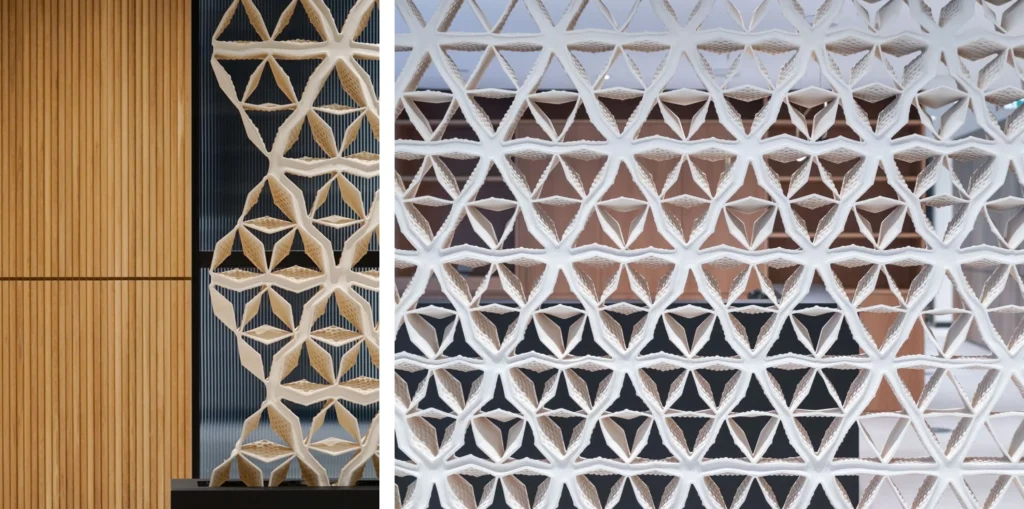
The technology and artisan fusion underpinning digital craftsmanship is not simply additive—it is deeply synergistic. Successful neo-craft projects exemplify the delicate dance between the accuracy of machines and the unpredictability of the human touch.

  1. Customization at Scale: Parametric software allows for mass customization without sacrificing individuality. For instance, tessellated wood facades can be individually tailored yet efficiently produced.
  2. Reclaiming Cultural Narratives: Digital tools enable the reinterpretation of ancient motifs, allowing designers to preserve heritage—such as Moorish latticework or Celtic filigree—while integrating it into contemporary settings.
  3. Material Innovation: 3D printing with clay, bio-resins, or recycled polymers fosters responsible luxury, crafting objects that are as conscientious as they are exclusive.
  4. Enhanced Collaboration: Cloud-based design platforms connect global teams of artisans, technologists, and clients, fostering an unprecedented level of co-creation.

The Global Renaissance: Neo-Craft Design in Architecture and Interiors

Today, the influence of neo-craft design reverberates across the globe, energizing architectural marvels, residential interiors, and even public infrastructure. From sinuous, algorithmically generated staircases that celebrate the rawness of timber to hand-blown glass installations orchestrated with virtual reality, the spectrum is vast.

Case Study: John Pawson’s Minimalism Meets Digital Precision

Renowned for his monastic devotion to simplicity, architect John Pawson exemplifies digital craftsmanship by merging CNC-sculpted stone with artisanal finishing. The interaction between seamless, machined surfaces and hand-honed edges invites dialogue—a spatial narrative where tradition and technology intermingle effortlessly.

Textile Traditions Reimagined

Iconic textile houses in Italy and the UK now employ algorithmic weaving looms to reinterpret Renaissance tapestries, infusing centuries-old yarns with digital patterning. The result? Distinctively bespoke textiles that bridge aesthetic history with contemporary luxury.

Sculptural Lighting: Artistry and Algorithm

Lighting designers harness parametric software to sculpt breathtaking forms, which are then hand-finished with gold leaf or patina. Each luminaire is both a feat of engineering and a canvas for artisanal wonder.

Nolita Harbour Logo

The Specialists in Bespoke

Turn your Designs into Reality with Nolita Harbour

Why Neo-Crafts Matter in a Post-Digital World

As the digital age matures, the luxury market is shifting from the glossy perfection of automated manufacturing toward the allure of imperfection—the little variances, subtle textures, and narrative patinas that only digital craftsmanship can offer. Among high-net-worth individuals, this pivot towards authenticity is as emotional as it is intellectual: bespoke objects become status symbols not just for their rarity, but for their stories.

  • Uniqueness: Neo-craft design ensures every creation is distinct, elevating provenance to the ultimate luxury.
  • Sustainability: Digital tools optimize material use and reduce waste, supporting responsible design without compromising artistry.
  • Emotional Resonance: The confluence of hand and technology fosters an intimacy seldom achieved by either alone.
  • Preservation of Skills: Next-generation artisans thrive, adapting heritage crafts to a digitally-augmented context, ensuring the continuity of intangible cultural knowledge.

Neo-Craft in the Marketplace: Influencing Real Estate and Investment

For international real estate developers and owners, integrating technology and artisan fusion within projects adds both functional and symbolic value. Digitally crafted surfaces, stairs, screens, and furnishings not only distinguish a property, but also forge emotional links to place, culture, and craft.

In a world where luxury is increasingly synonymous with individualized experience, embracing neo-craft design proves a shrewd investment. These elements:

  1. Differentiation: Activate marketing narratives around cultural, technological, and artisanal distinctiveness.
  2. Longevity: Commissioned neo-craft features possess an enduring, intergenerational appeal unlike fast-fashion trends.
  3. Asset Appreciation: Properties featuring digital craftsmanship often command greater attention in discerning markets, enhancing overall value.

The Future: Evolving Forms and Digital Artisan Communities

Looking ahead, the world of digital craftsmanship continues to evolve at a breathtaking pace. By harnessing blockchain for provenance, augmented reality for experiential retail, and open-source design for global cooperation, neo-craft design stands poised at the cusp of an inclusive, borderless artisan movement.

Key Emerging Trends:
  • Eco-Digital Practices: Circular design leveraging both technological innovation and artisanal upcycling.
  • Distributed Craft Labs: Digital platforms supporting micro-producers and craft communities worldwide, democratizing luxury.
  • Cross-Disciplinary Collaboration: Architects, technologists, artists, and craftspeople co-creating in real time.

The Lasting Legacy of Neo-Crafts

In a moment where technology and artisan fusion is rewriting the DNA of luxury design, one truth remains: the objects and spaces we desire most are those that reflect the fullness of human ingenuity. Digital craftsmanship and neo-craft design are not replacements for the handmade—they are new languages, expanding the vocabulary of creativity. For the international design community and discerning clientele alike, this represents a future rooted in both ancestry and innovation—a testament to the enduring beauty of the human touch, lovingly amplified by the digital age.

As we continue to navigate the elegant intersection of tradition and technology, neo-crafts invite us to contemplate, experience, and celebrate design as both an intimate art and a collective evolution. The future, it seems, is not only crafted; it is consciously, exquisitely, and digitally made by hand.

Join our Newsletter

Subscription Form

Share on:

Nolita Harbour Logo

The Specialists in Bespoke

Turn your Designs into Reality with Nolita Harbour

Read More

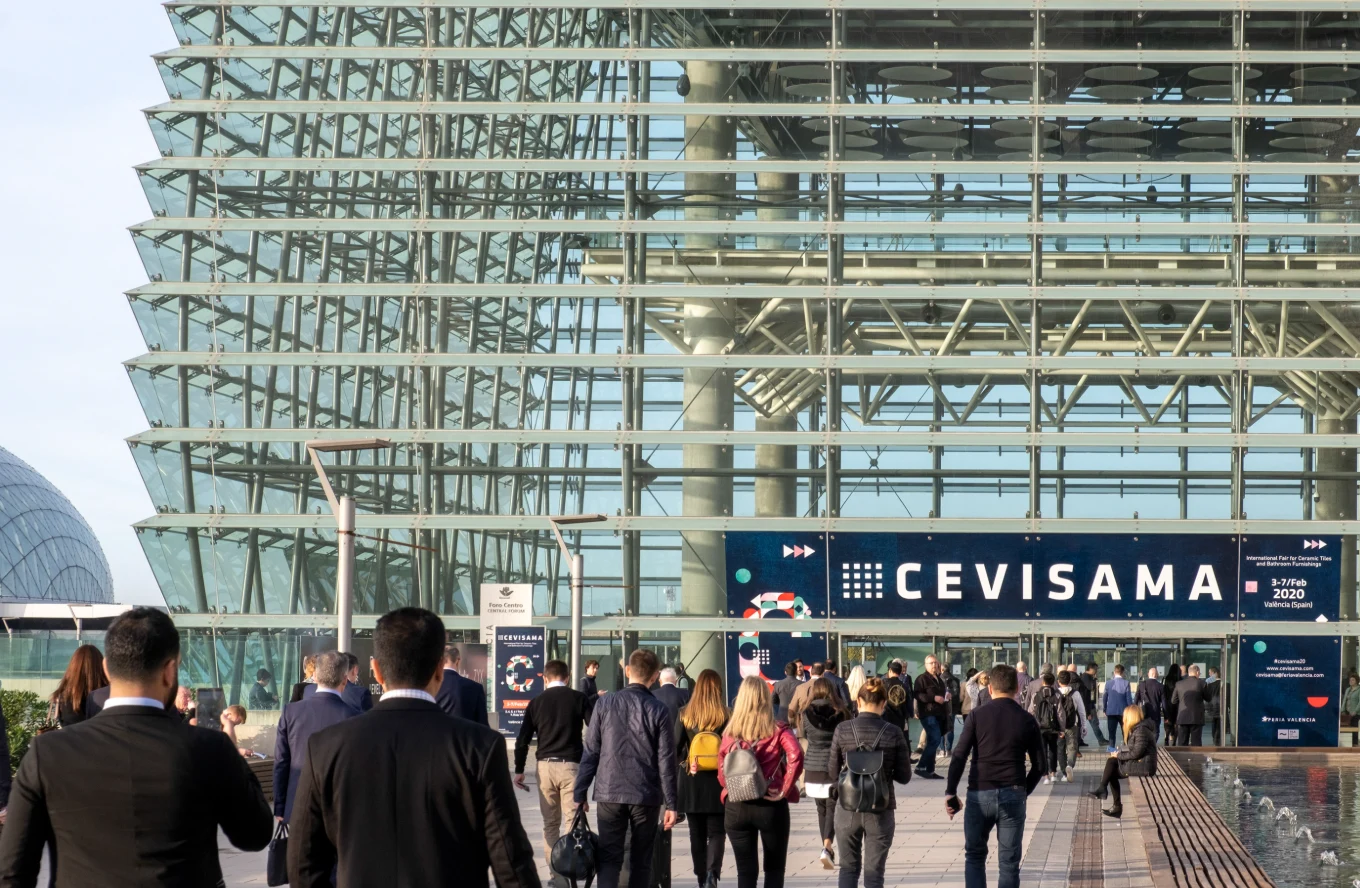
Visitors approaching the glass-fronted entrance of Feria Valencia beneath the Cevisama 2020 banner.

Cevisama 2026: A New Chapter in Materials, Interiors, and the Art of Living

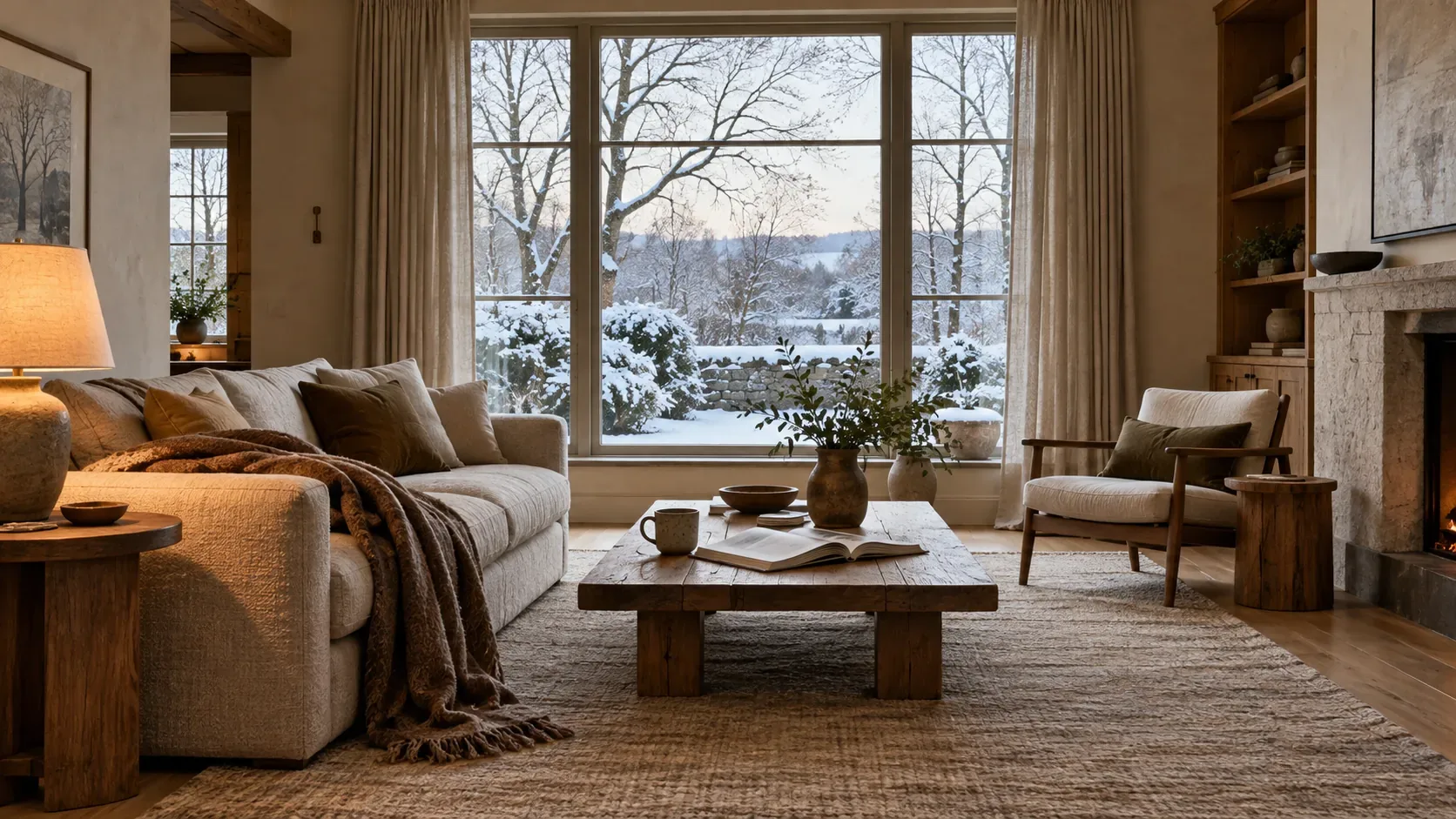
Cozy winter living room with a cream sofa, wool throw, oak coffee table, warm lighting, and views of a snow covered garden.

Cozy Homes: Winter Design Ideas for Warm, Inviting Interiors

Luxury mountain resort with chalet-style architecture, heated outdoor pool, snowy peaks and warm interiors at sunset.

Luxury Mountain Resorts: 8 Exceptional Retreats Redefining the Modern Chalet

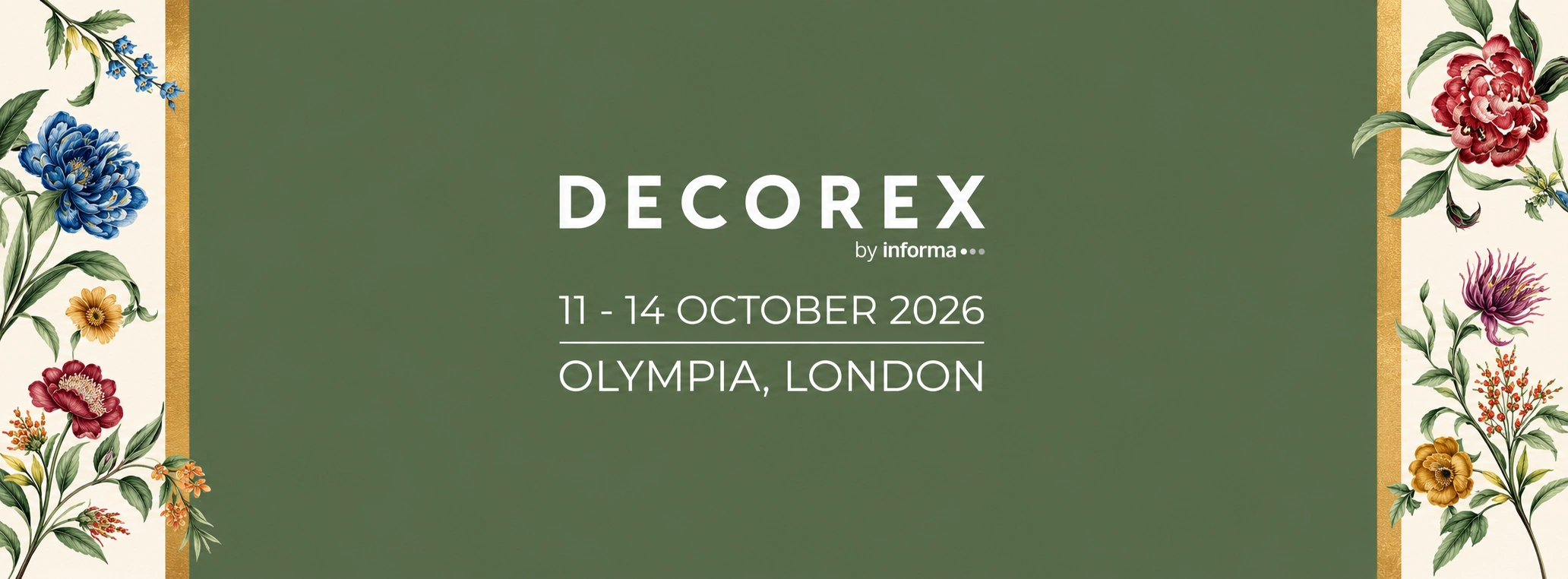
Promotional banner for Decorex 2026 at Olympia London, featuring a deep green background framed by ornate botanical illustrations of colorful flowers and gold accents. The design announces the event dates, 11–14 October 2026, organized by Informa.

Decorex 2026: London’s Annual Event for Luxury Interiors

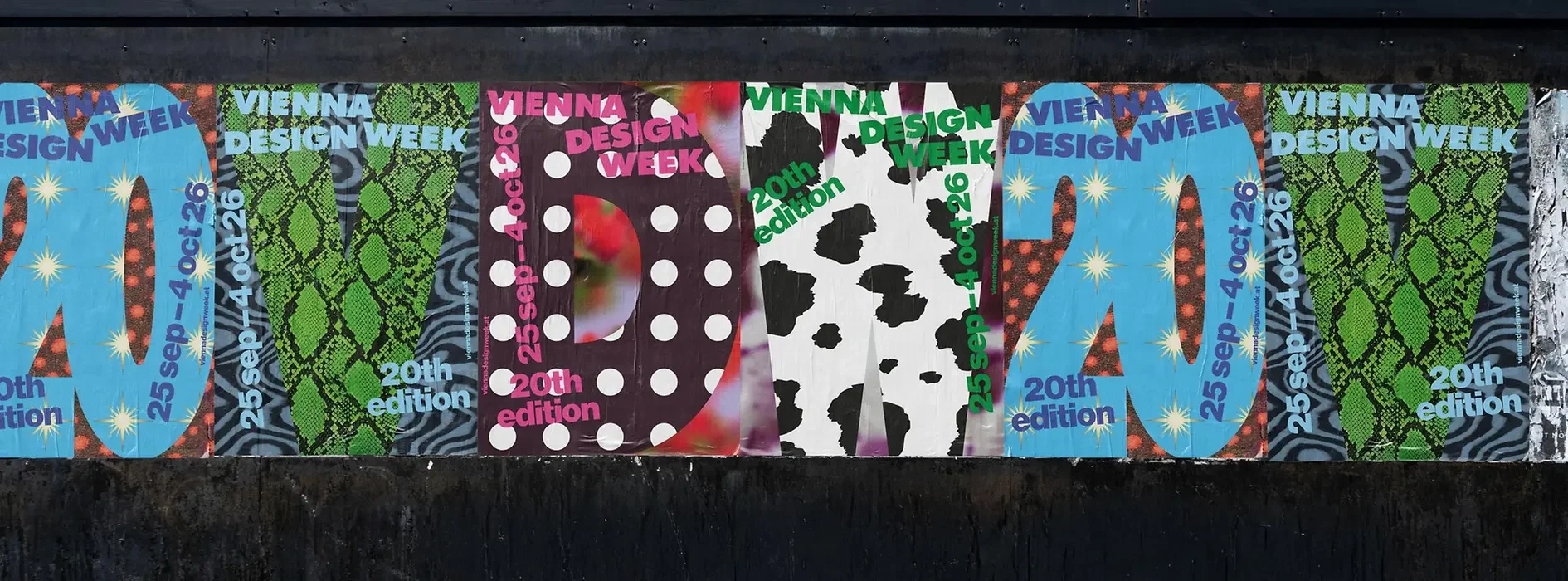
Colorful Vienna Design Week 2026 posters celebrating the festival’s 20th edition across the streets of Vienna.

Vienna Design Week 2026: Celebrating 20 Years of Design, Ideas and Innovation

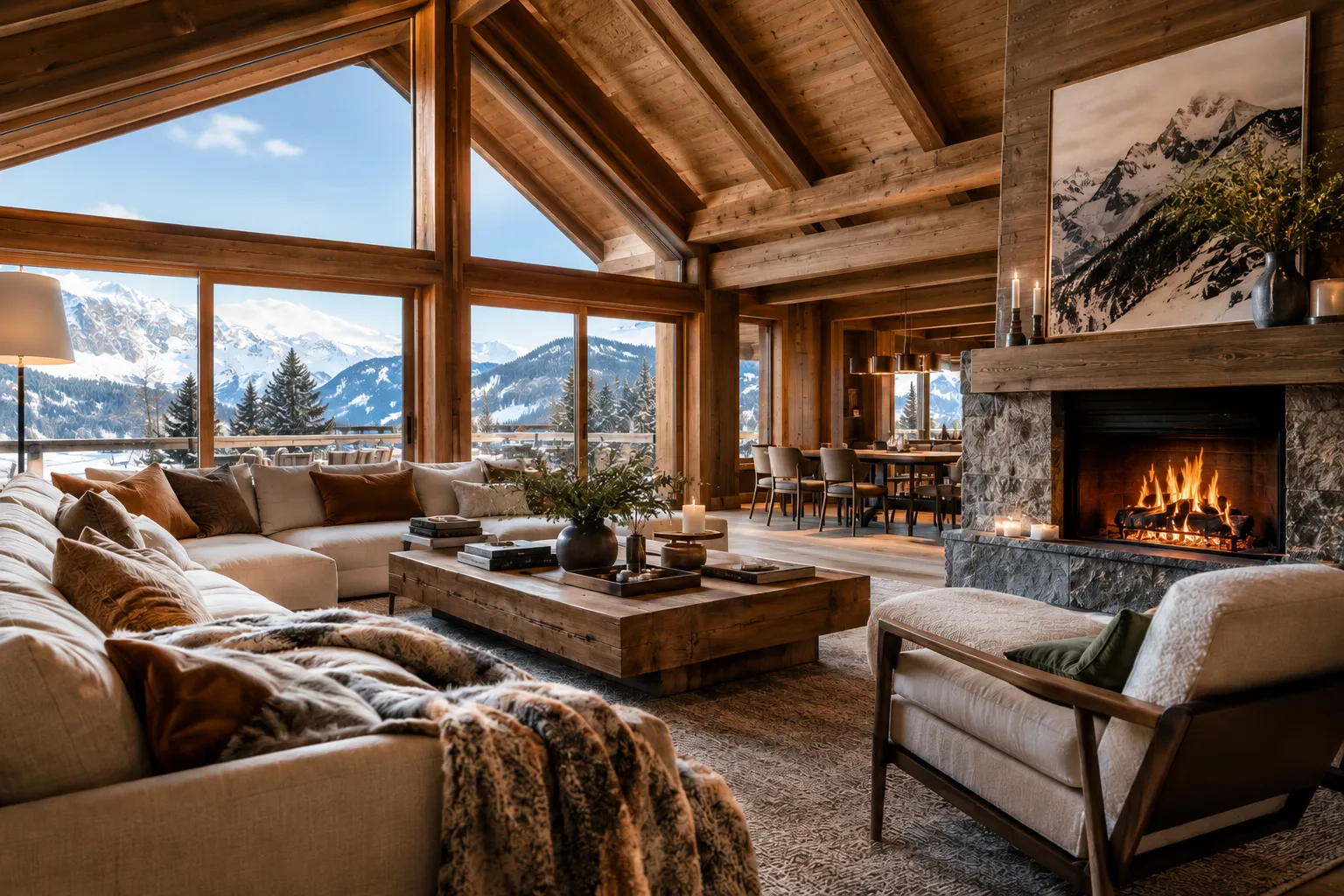
Luxury Alpine chalet interior with exposed timber beams, natural stone fireplace, warm neutral furnishings, and panoramic views of snow covered mountains.

The Art of the Chalet: Architecture, Luxury Interiors and the New Language of Mountain Living

Reader Favorites

Design Miami 2026 - what to look for

Design Miami 2026: The Leading Global Fair for Collectible Design Returns in December

Top 10 Interior Design Trends

Top 10 Interior Design Trends That Will Shape Homes After 2027

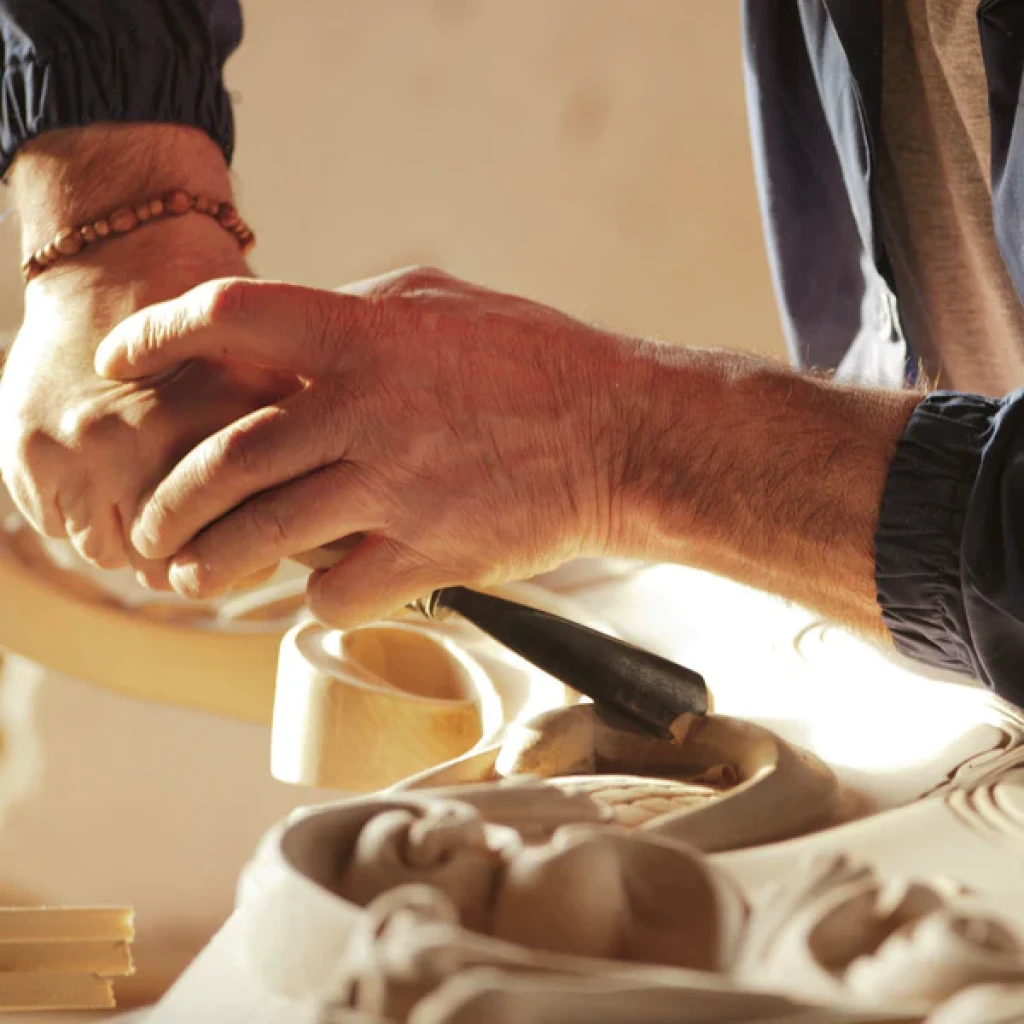
Close-up of artisan hands carving intricate patterns into wood, highlighting the precision and artistry of Italian craftsmanship.

How Artisanal Craftsmanship is Reclaiming its Place in Luxury Interiors

Latest News

Visitors approaching the glass-fronted entrance of Feria Valencia beneath the Cevisama 2020 banner.

Cevisama 2026: A New Chapter in Materials, Interiors, and the Art of Living

Cozy winter living room with a cream sofa, wool throw, oak coffee table, warm lighting, and views of a snow covered garden.

Cozy Homes: Winter Design Ideas for Warm, Inviting Interiors

Luxury mountain resort with chalet-style architecture, heated outdoor pool, snowy peaks and warm interiors at sunset.

Luxury Mountain Resorts: 8 Exceptional Retreats Redefining the Modern Chalet

Join our Newsletter

Join our circle of refined living.
Subscribe for curated stories, news and inspiration.

Subscription Form