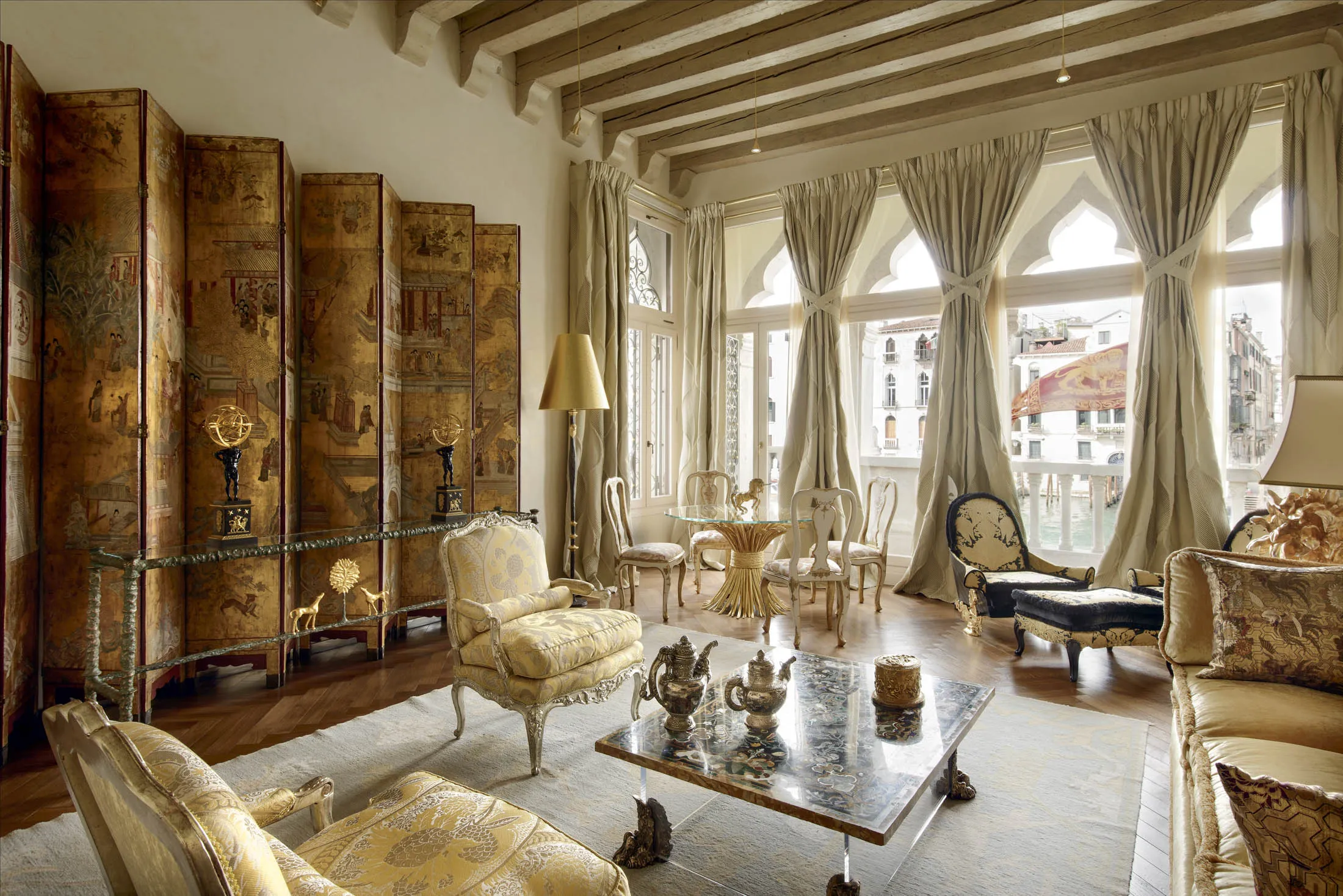
In an era where global interiors often err toward minimalism and transience, the resurgence of palazzo interiors reflects a profound yearning for heritage, permanence, and refined grandeur. Rooted in centuries of aristocratic tradition yet reimagined by contemporary visionaries, Italian luxury design now finds its apotheosis in the revival of palatial living. This movement transcends mere aesthetics; it is a philosophical homage to artistry, conviviality, and the Italian art of living — a pursuit intimately aligned with connoisseurs, design pioneers, and discerning owners seeking to weave culture into the very fabric of home.
The Evolution and Timeless Allure of Palazzo Interiors
The architecture of the Italian palazzo has always embodied the apex of sophistication. These urban palaces, once the exclusive domains of Medici bankers, Venetian doges, and Roman nobles, set the paradigm for Italian luxury design through their triumphant spatial proportions, noble materials, and curated ornamentation. While the palazzo’s origins are embedded in the architectural lingua franca of the Renaissance and Baroque, today’s revival champions the interplay between legacy and innovation.
What distinguishes palazzo interiors from other design idioms is their ability to balance majesty with intimacy. Despite their scale, palazzos evoke warmth and welcome — a testament to their creators’ sensitivity to light, texture, and artisan craftsmanship.
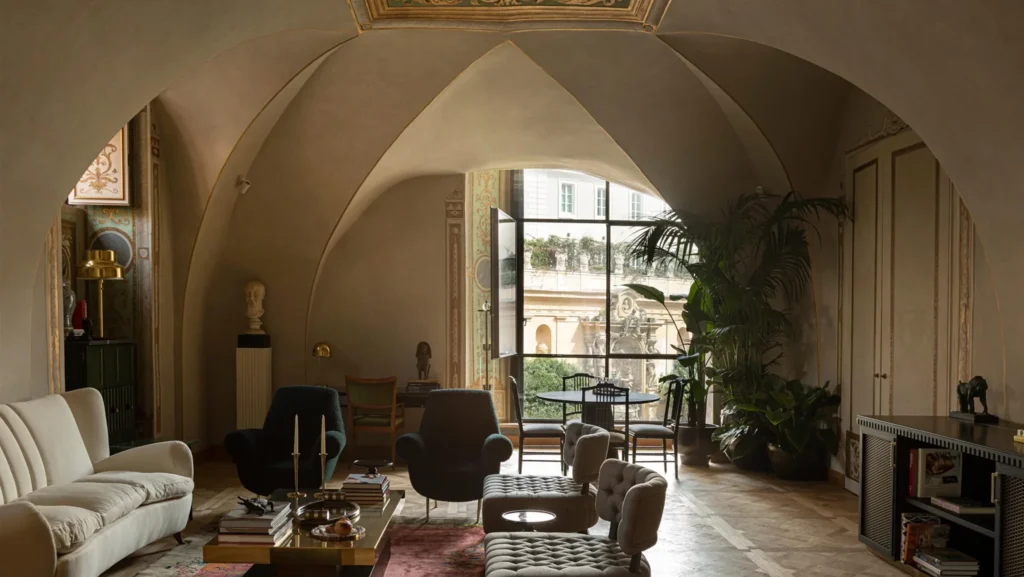
Key Features of Palazzo Interiors
- Voluminous Spaces: Soaring frescoed ceilings, generously scaled salons, and enfilade room sequences create a sense of theatricality and procession.
- Ornamental Plasterwork: Decorative cornices, stuccoes, and coffered ceilings lend visual richness and echo the artistry of Renaissance mastri stuccatori.
- Mosaic and Terrazzo Flooring: Intricate floors, often comprising Venetian terrazzo, Pietra Serena, and Carrara marble, interweave geometric precision with artisanal flair.
- Lavish Materials: Rich velvets, damasks, hand-carved walnut, and gilded accents celebrate the senses and are emblematic of Italian luxury design.
- Curated Antiques and Art: Collections of Old Master paintings, ancient statuary, and bespoke objet d’art root interiors in a nuanced, multilayered narrative.
Contemporary Renaissance: Palazzo Living Reimagined
The modern palazzo is neither static nor ossified. Rather, progressive architects and interior designers are breathing new life into these heritage spaces, rendering them relevant for a cosmopolitan clientele who demand both comfort and cultural gravitas. The dialogue between antiquity and modernity is the guiding principle — an approach that yields interiors of profound character and dynamism.
How Today’s Designers Revitalize Palazzo Spaces
- Restoration Mastery: The meticulous conservation of frescoes, stucco, and parquet breathing authenticity into every surface.
- Integrated Technology: Discreetly incorporating lighting, climate, and media systems to ensure palatial surroundings meet contemporary expectations.
- Curatorial Approach: Layering modern art, mid-century furniture, and striking Italian design objects alongside antique heirlooms for a sophisticated visual tension.
- Customized Domotics: Implementing smart home features seamlessly behind ornate façades, catering to both convenience and preservation.
- Sustainable Luxury: Selecting local artisans, materials, and restoration practices to ensure both environmental and cultural continuity.
Through this fusion, palazzo interiors become living canvases for innovation — inviting inhabitants to participate in a dialogue that bridges epochs and celebrates the Italian genius loci.
Palazzo Living Today: International Appeal and Residential Application
Italy’s aristocratic mansions are no longer limited to Florentine, Venetian, or Roman elites. The internationalization of taste, global mobility of high-net-worth individuals, and a surge in luxury real estate acquisitions have propelled palazzo interiors to global prominence. Sophisticated buyers in New York, Paris, London, and Dubai are commissioning designers to recreate Italian palazzo grandeur within penthouses, embassies, and stately homes, affirming the worldwide appetite for Italian luxury design.
Why Palazzo Living Resonates Worldwide
- Timeless Prestige: The palazzo aesthetic conveys established heritage, taste, and intellectual depth — qualities prized by a cosmopolitan elite.
- Artisan Legacy: Access to the virtuosity of Italian ateliers, from Florentine marquetry to Venetian glass, ensures interiors of enduring value.
- Sociability: Grand salons, dining galleries, and loggias foster the art of entertaining with Mediterranean warmth and generosity.
- Cultural Continuity: Living amidst murals, tapestries, and historical narratives forges a tangible connection to Europe’s cultural heart.
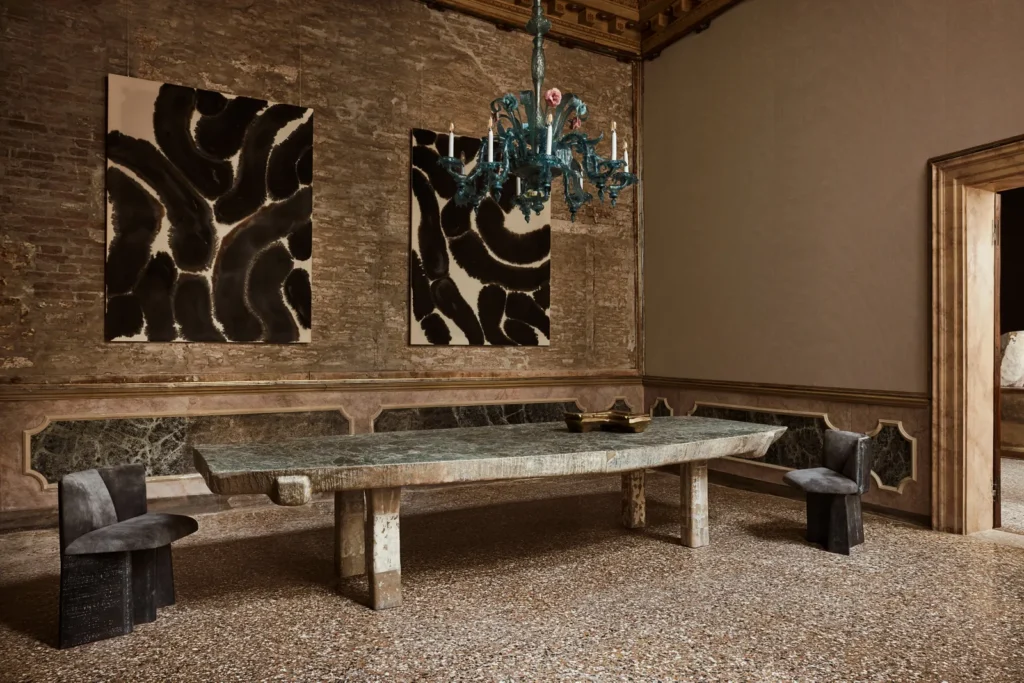
The Architectural Language of the Modern Palazzo
To craft truly authentic palazzo interiors today, it is imperative to understand the architectural grammar that underpins traditional Italian palatial design. From the measured cadence of a double-height gallery to the subtle proportions of an inlaid study, every element is orchestrated to achieve harmony and gravitas.
Essential Design Elements
- Spatial Choreography: The enfilade — a sequence of rooms aligned along a single axis — orchestrates movement and vistas, guiding light and air in the most refined Italian tradition.
- Sensory Materials: Polished marble, tactile terrazzo, silk damask, and the patina of walnut boiserie evoke both solidity and comfort.
- Decorative Flourishes: Centrally painted oculi, Murano chandeliers, and trompe l’oeil panels reflect a reverence for craft and storytelling.
- Outdoor Integration: Loggias and cortili (courtyards) dissolve the boundaries between indoor and outdoor living, a hallmark of Italian luxury design.
This codified design language forms the foundation from which contemporary interpretations emerge, inviting architects and designers to re-imagine tradition for the modern era.
The Relevance of Handcrafted Excellence
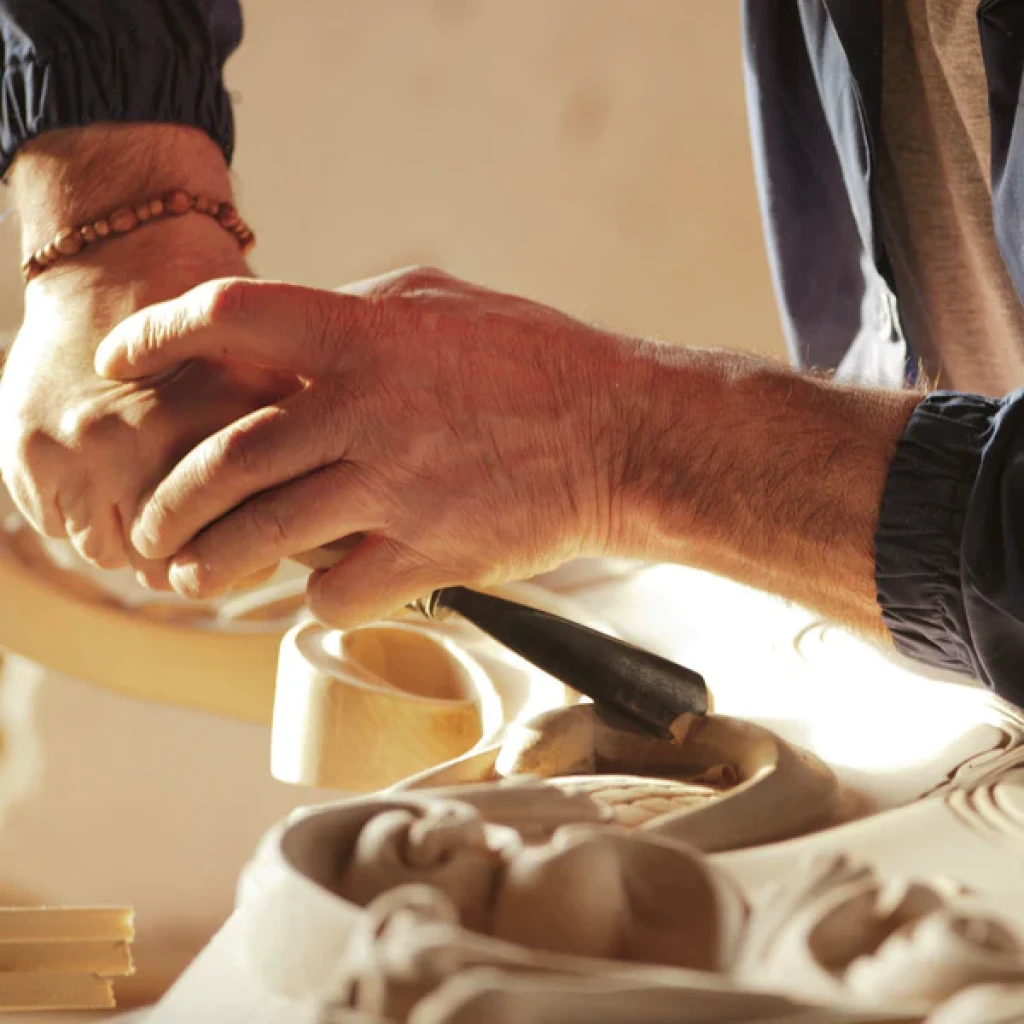
In an age characterized by speed and mass production, the palazzo ethos — and, indeed, Italian luxury design as a whole — stands as a quiet rebellion. The foundational commitment to hand-finished detail, artisan provenance, and enduring materials not only preserves cultural heritage but elevates everyday living into an art form.
Contemporary Collaborations and Commissions
Today’s leading palazzo projects are the fruit of intricate collaboration, uniting visionary architects, master artisans, decorative painters, and globally renowned artists. The result: immersive environments that surprise, delight, and honor their patrimony.
- Restored frescoes by contemporary muralists, blending ancient pigments with contemporary narratives.
- Custom furniture commissions, where classic Italian forms are reinterpreted in new finishes for present-day sensibilities.
- Bespoke lighting by Murano glassmakers, merging traditional glassblowing with avant-garde artistry.
- Innovative material combinations, such as brass inlays on walnut or marble mosaics punctuated by rare semiprecious stones.
At its core, palazzo living becomes a testament to the valorization of the human hand and the singularity of the handmade — qualities increasingly rare, and thus ever more coveted, in the global luxury market.
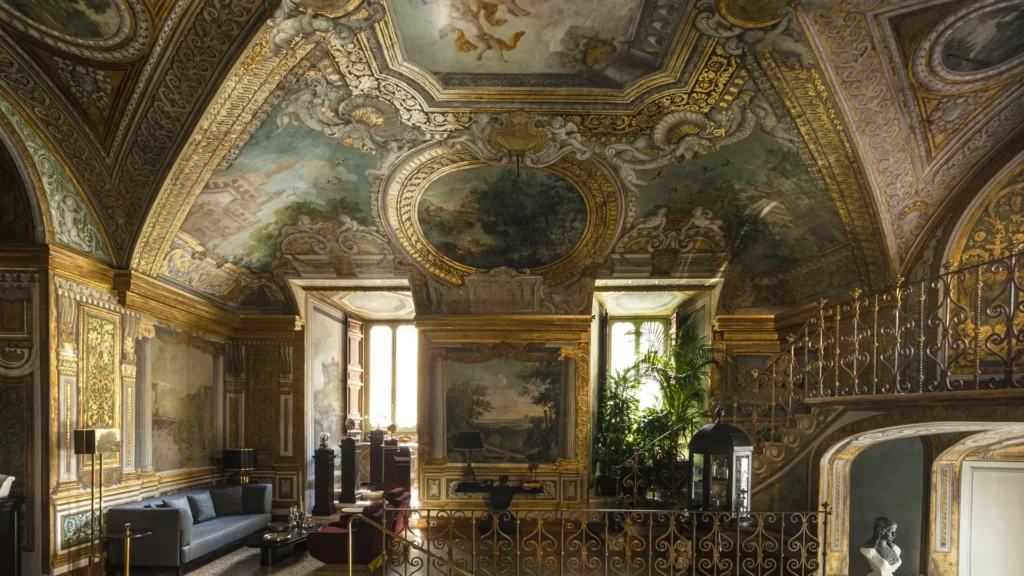
Palazzo Living as an Aspiration and Symbol
In the 21st-century context, the palazzo is more than a typology; it is an aspiration, a philosophical stance. It represents a commitment to connoisseurship, slow living, and cultural custodianship. For international professionals, collectors, and entrepreneurs, palazzo interiors offer the possibility not simply of home, but of an experiential legacy where past and future coexist.
The Palazzo Home: Beyond Physical Space
Adopting the mindset of palazzo living invites:
- Investment in cultural quality, rather than ephemeral trends.
- Embracing spaces for intellectual gatherings and discourse.
- Supporting the patronage of living crafts and generational artisans.
- Creating personalized sanctuaries that reflect lineage and vision.
In this light, palazzo living is less about ostentation and more about refinement, meaning, and intentionality — a new benchmark for Italian luxury design on the world stage.
The Future of Palazzo Living
The rebirth of palazzo interiors heralds more than a stylistic trend. It encapsulates a seismic shift towards authenticity, narrative, and a holistic appreciation for the built environment. For international professionals in architecture, design, and real estate, as well as high-net-worth individuals passionate about culture and lifestyle, the modern palazzo remains a touchstone of excellence. In harnessing heritage for contemporary life, it assures that the Italian spirit of luxury — sumptuous, intellectual, and ever evocative — endures for generations to come.
As “The Handcrafted Living” continues its exploration of signature residences and inspired design philosophies worldwide, palazzo living stands as both battle cry and blueprint, inviting us all to reconsider the potential of home as an enduring work of art.