As the global design industry evolves, luxury interiors are entering a transformative era defined by sustainability, technological integration, and experiential design. For interior designers, furniture brands, architects, and luxury design studios, understanding the Design Trends shaping the next decade is essential for remaining competitive in a rapidly shifting market.
By 2030, luxury interiors will no longer be defined solely by expensive materials or opulent finishes. Instead, they will focus on innovation, environmental responsibility, cultural authenticity, and intellectual property–driven originality. This article explores the most influential Design Trends that will redefine high-end residential, hospitality, and commercial interiors in the coming decade.
The Evolution of Luxury Interior Design
Luxury design has historically been associated with craftsmanship, exclusivity, and rare materials. However, the next generation of luxury interiors will emphasize experience and purpose over excess.
Architects and designers are now creating spaces that prioritize:
- Sustainable material innovation
- Smart home ecosystems
- Wellness-centered environments
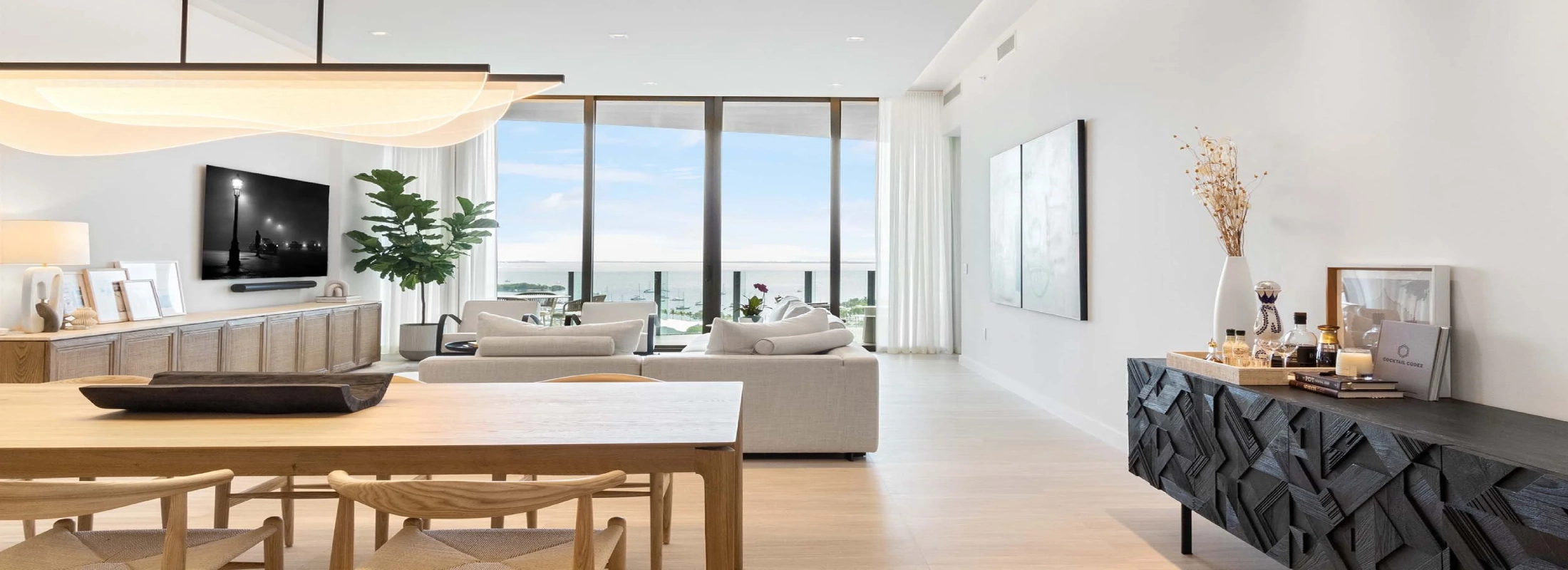
- Bespoke furniture design
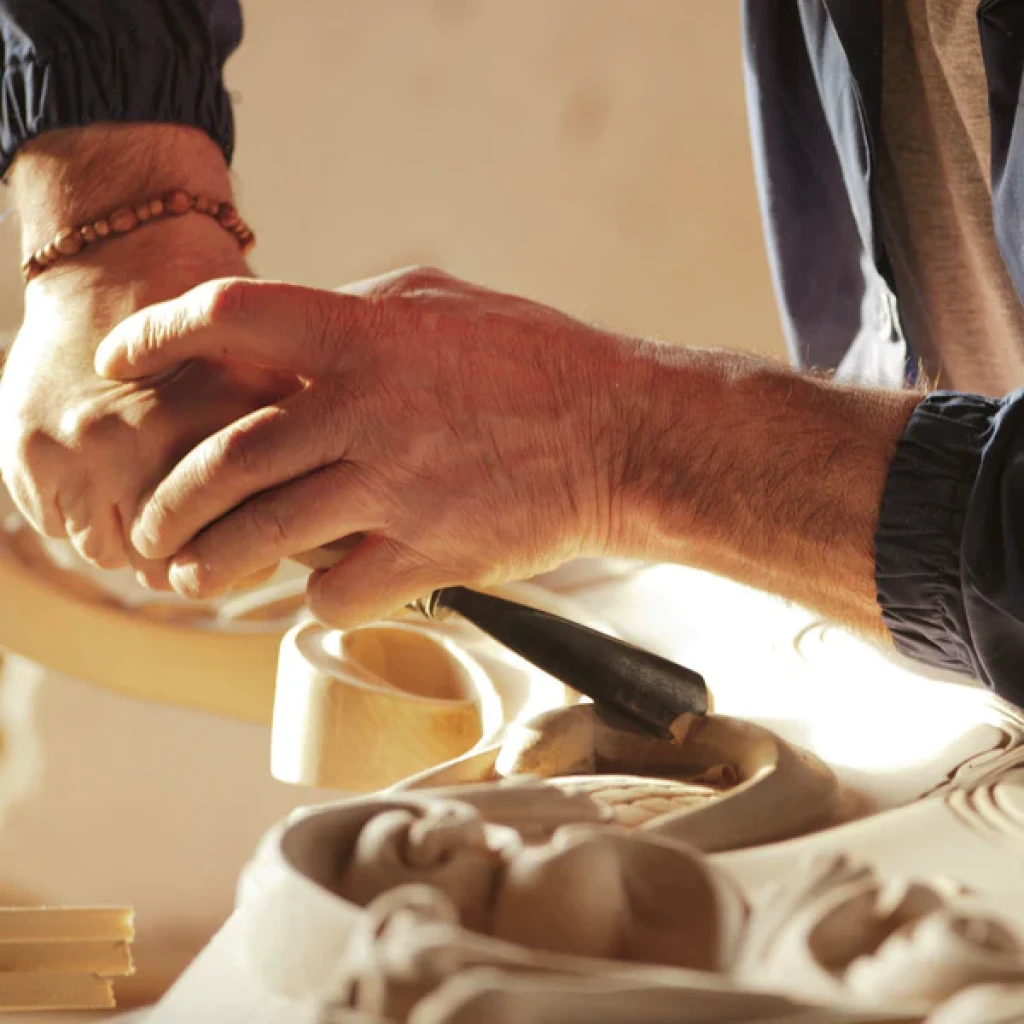
- Authentic craftsmanship
For global design studios, the emerging Design Trends reflect a deeper shift toward holistic living environments rather than purely decorative interiors.
Sustainable Luxury: The New Standard
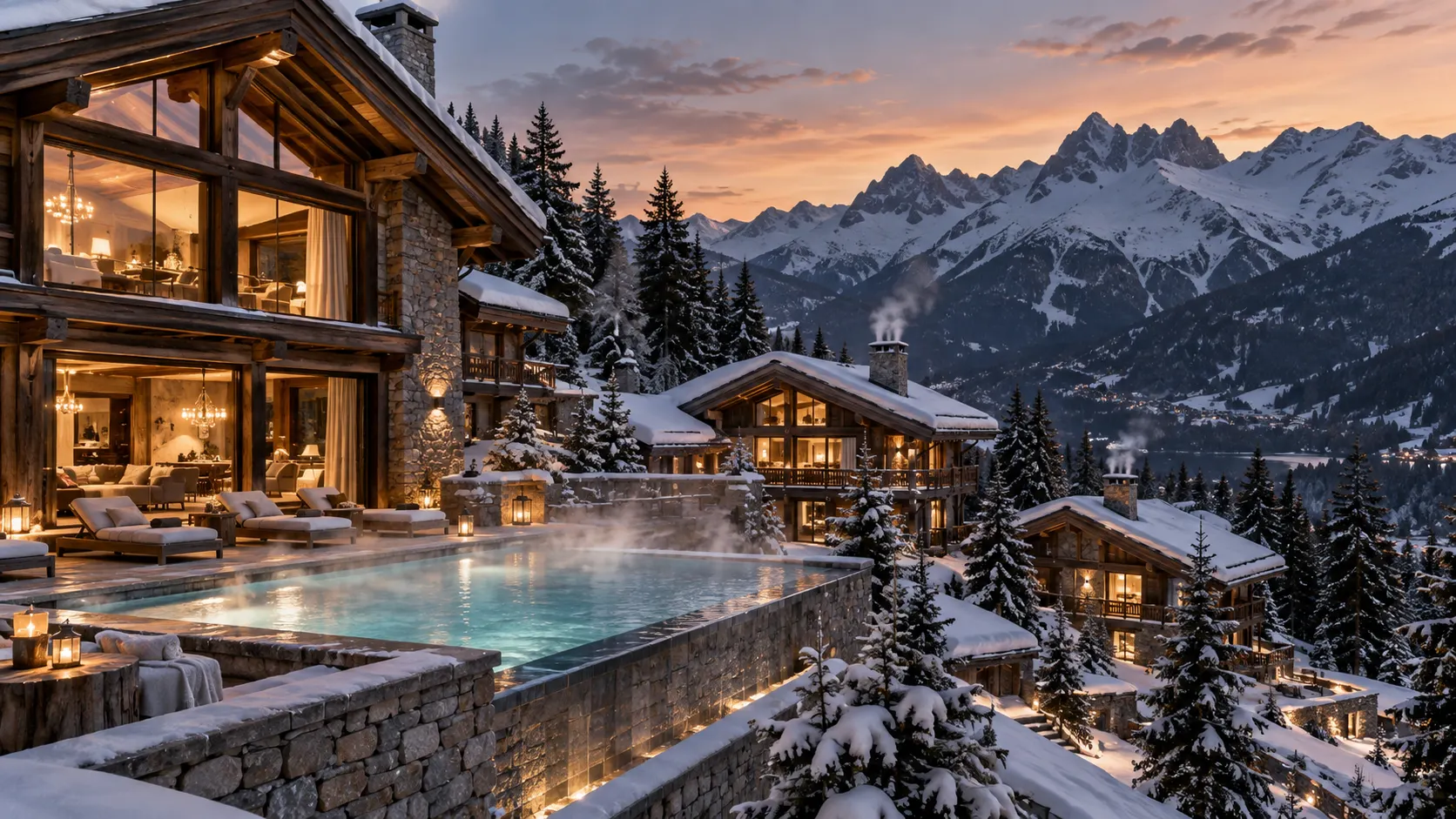
One of the most powerful Design Trends shaping luxury interiors for 2030 is sustainability. Environmental responsibility has become a defining factor in high-end design, influencing material selection, furniture production, and architectural planning.
Luxury projects increasingly incorporate:
- Reclaimed wood and natural stone
- Carbon-neutral materials
- Circular furniture systems
- Low-impact manufacturing techniques
Design leaders such as Patricia Urquiola and Philippe Starck have been influential in redefining sustainability as a hallmark of modern luxury rather than a compromise.
For furniture brands, sustainable design is not only an environmental necessity but also an opportunity to create intellectual property–protected innovations in material science and product engineering.
Smart Interiors and Integrated Technology
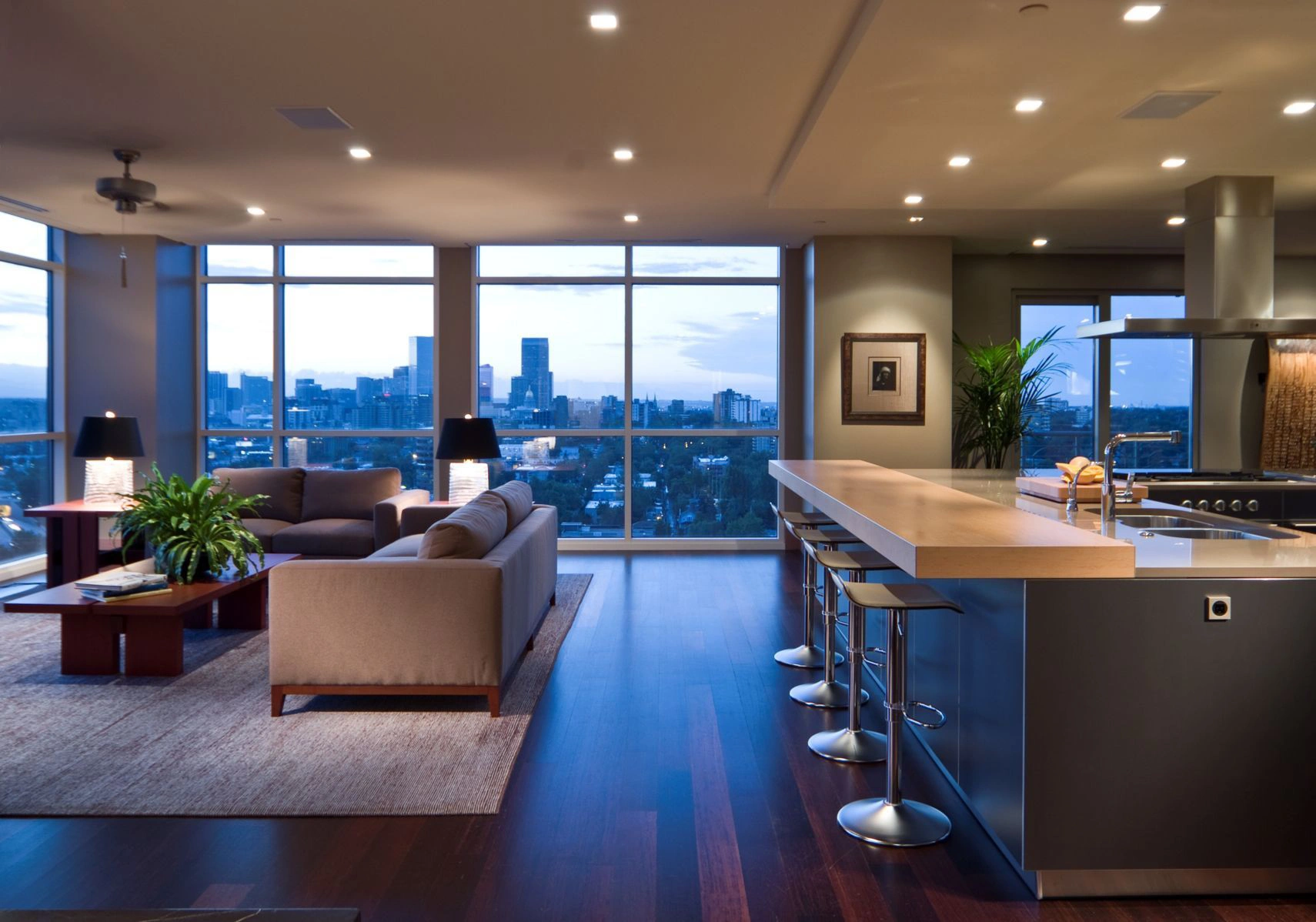
Technology will play a central role in shaping the next generation of luxury interiors. By 2030, digital integration will extend far beyond basic smart-home features.
Emerging Design Trends include:
- AI-driven climate and lighting systems
- Adaptive furniture with embedded technology
- Integrated acoustic environments
- Intelligent spatial controls
Luxury residences and hospitality spaces will increasingly operate as responsive environments, adjusting lighting, temperature, and acoustics based on user preferences.
Architects and designers must also consider design patent protection and intellectual property rights when integrating proprietary technological systems into furniture and interiors.
Biophilic and Wellness-Centered Design
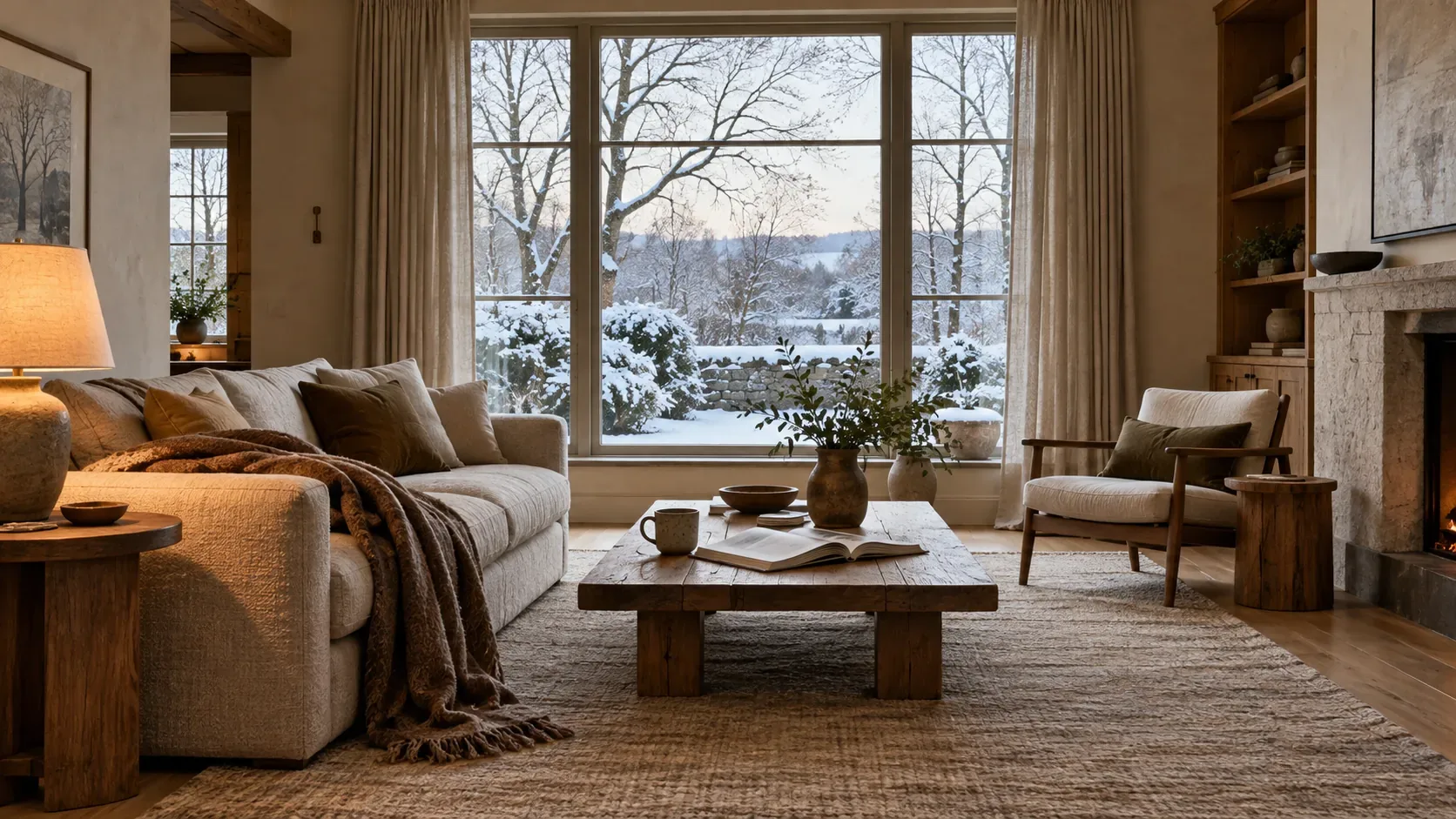
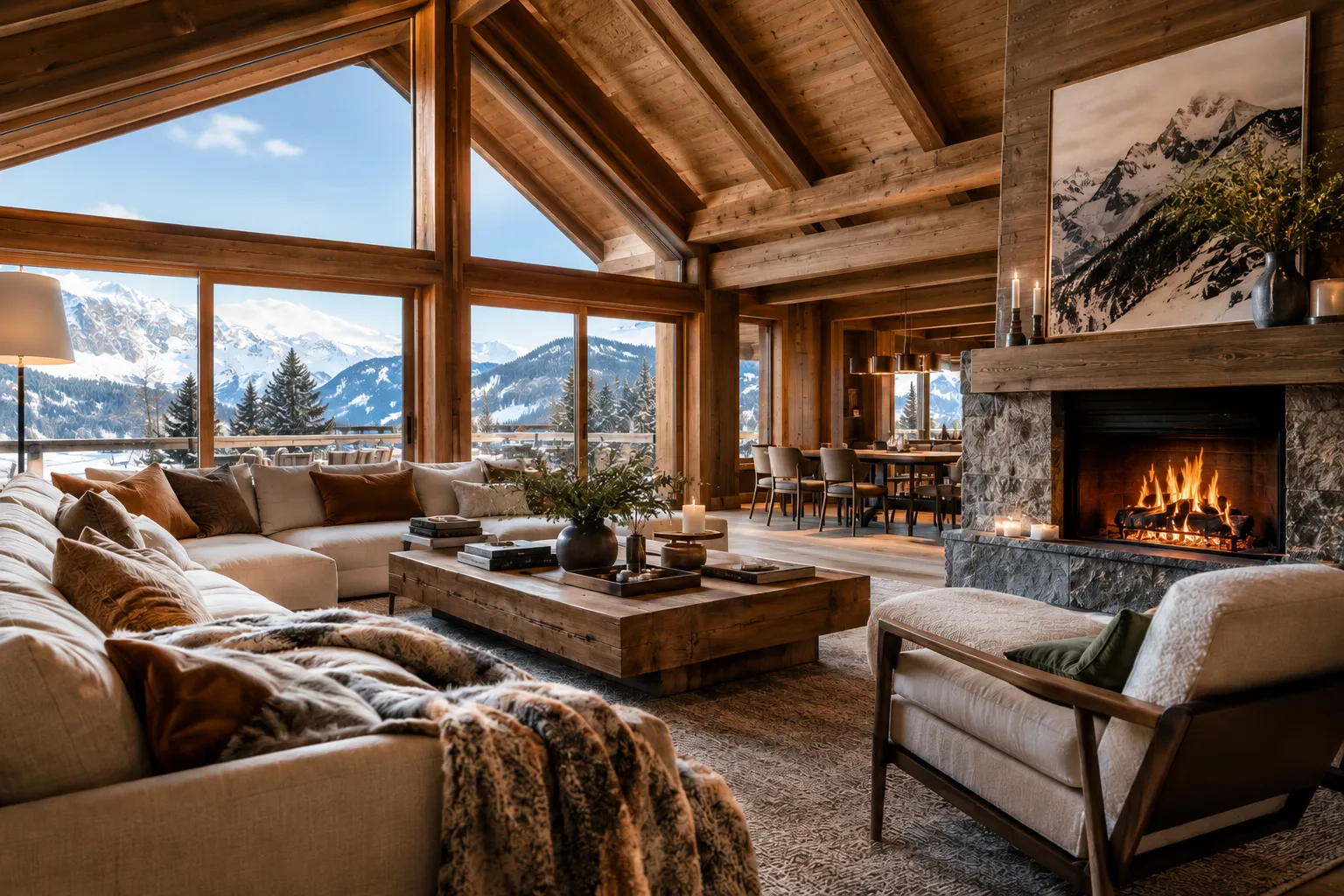
Wellness is becoming a central focus in luxury interiors. High-end clients now expect their homes, hotels, and workplaces to enhance physical and mental well-being.
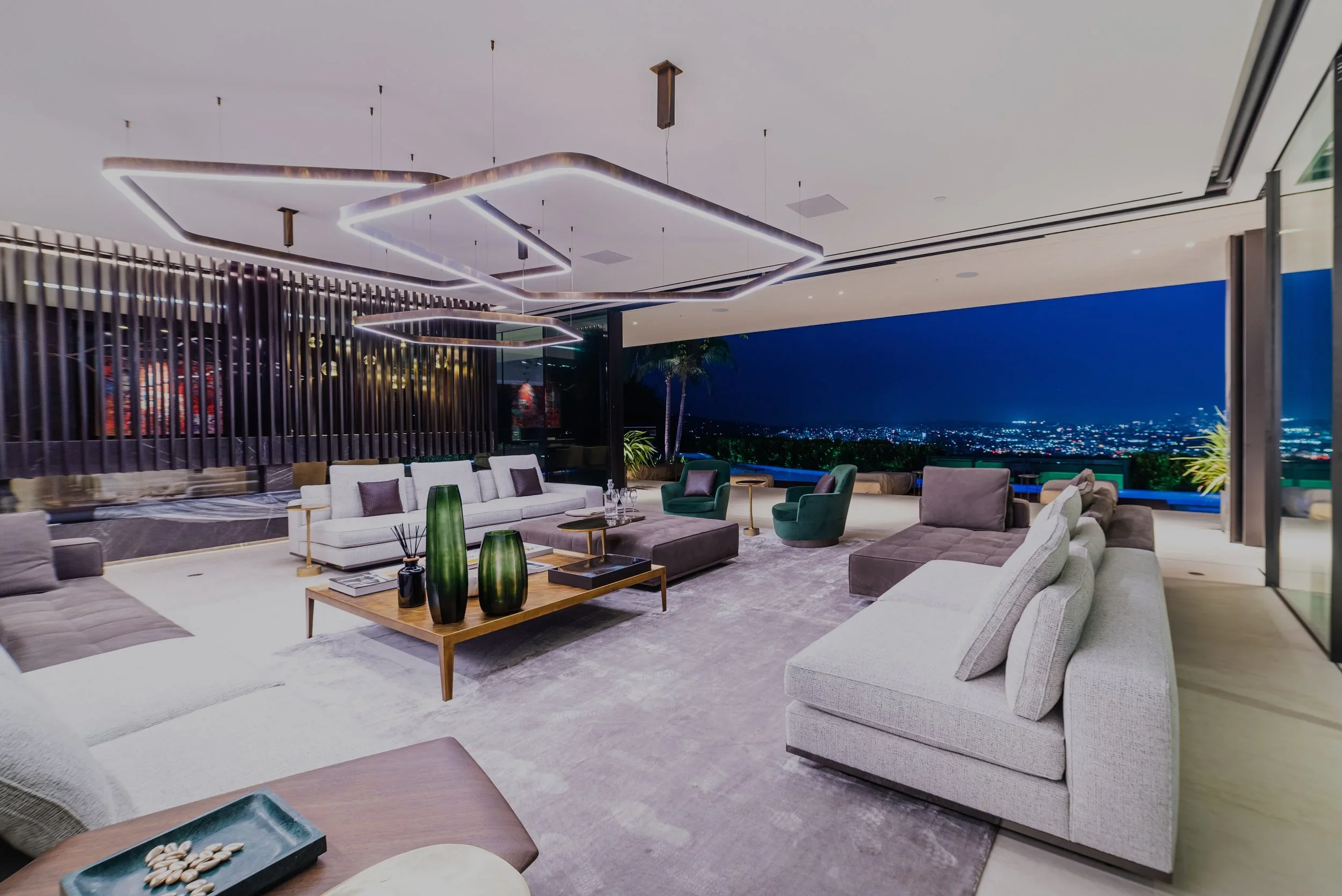
Biophilic design—integrating nature into interior environments—is one of the fastest-growing Design Trends shaping luxury architecture.
This approach includes:
- Indoor gardens and living walls
- Natural ventilation strategies
- Organic textures and materials
- Large-scale daylight integration
Architectural pioneers such as Kengo Kuma and Tadao Ando have influenced this movement by emphasizing the relationship between nature, space, and emotional experience.
For luxury design studios, wellness-driven interiors represent an opportunity to redefine spatial luxury through serenity and balance.
The Rise of Sculptural Furniture
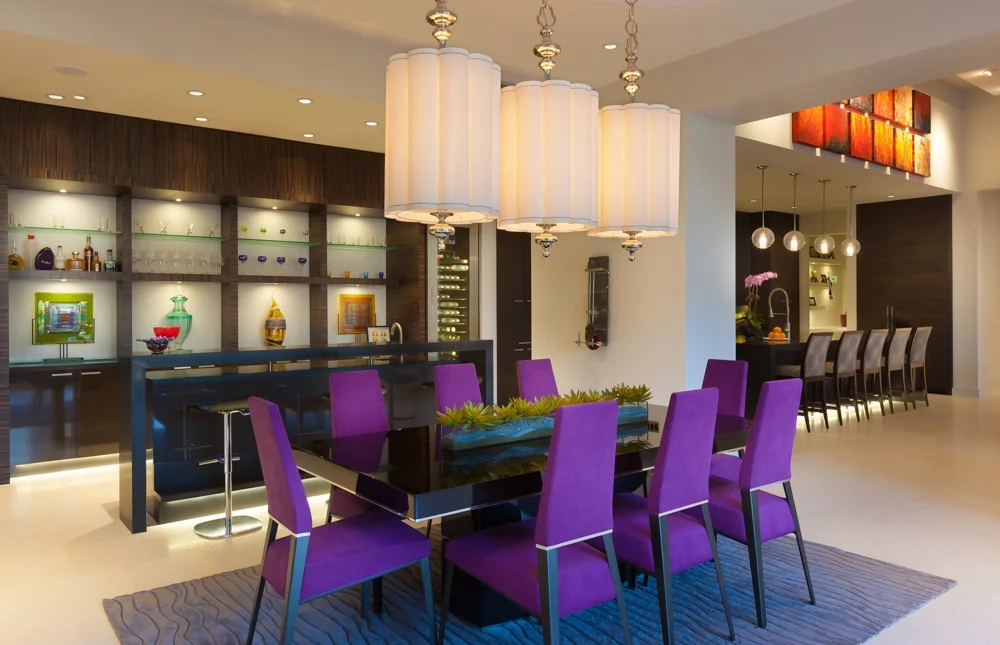
Furniture design is evolving into a form of artistic expression within luxury interiors. By 2030, sculptural and collectible furniture pieces will become central design features rather than supporting elements.
Key characteristics of this Design Trends movement include:
- Limited-edition furniture collections
- Artistic forms and experimental geometry
- Hybrid materials such as stone-resin composites
- Gallery-quality craftsmanship
Designers like Zaha Hadid have demonstrated how furniture can function as architectural sculpture, blurring the boundaries between art and functional design.
For furniture brands, protecting these creations through design patents and copyright protections will be essential to maintaining exclusivity in the luxury market.