In recent years, Warm Minimalism has re-emerged as a defining direction in high-end interiors, furniture design, and architecture. After a long period dominated by stark, ultra-cool minimalism—often characterized by sharp lines, monochrome palettes, and industrial finishes—designers and luxury brands are now embracing a softer, more human-centered approach. This evolution does not reject minimalism; instead, it refines it by adding depth, tactility, and emotional resonance.
For interior designers, architects, and premium furniture brands, Warm Minimalism offers a powerful framework to create spaces that feel both sophisticated and inviting. It aligns with contemporary demands for wellness, sustainability, and timeless appeal—key drivers in today’s luxury market.
What Defines Warm Minimalism?
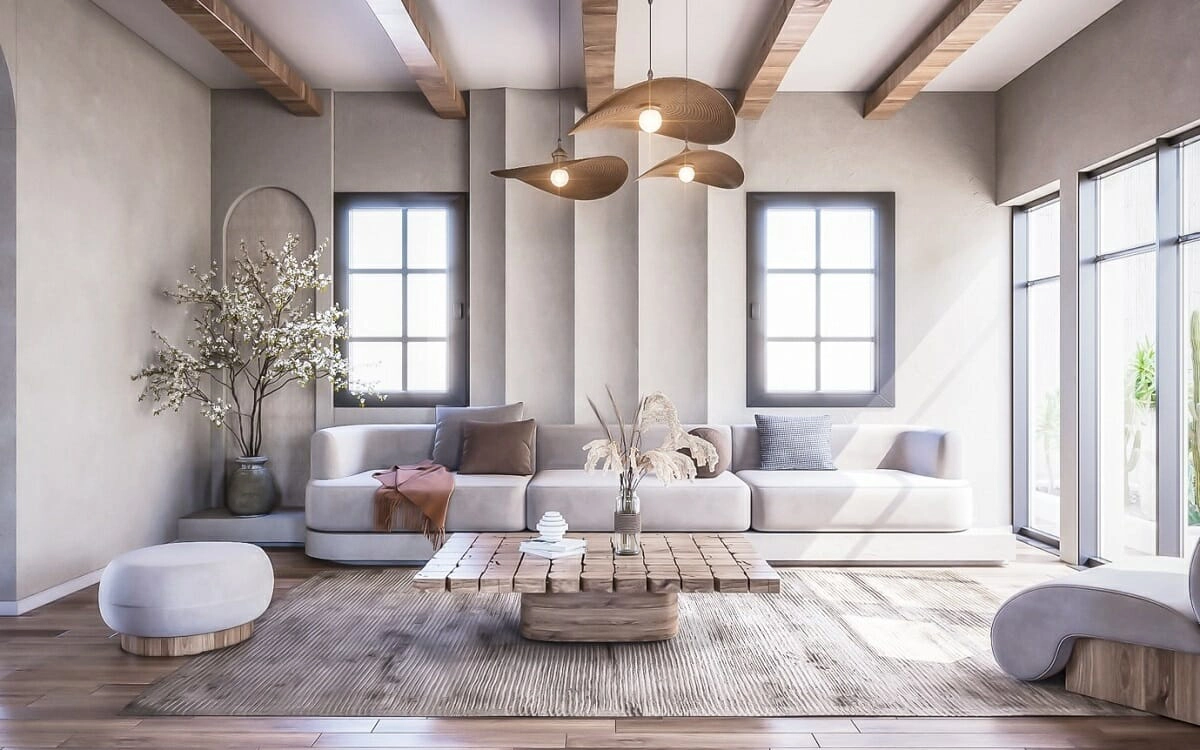
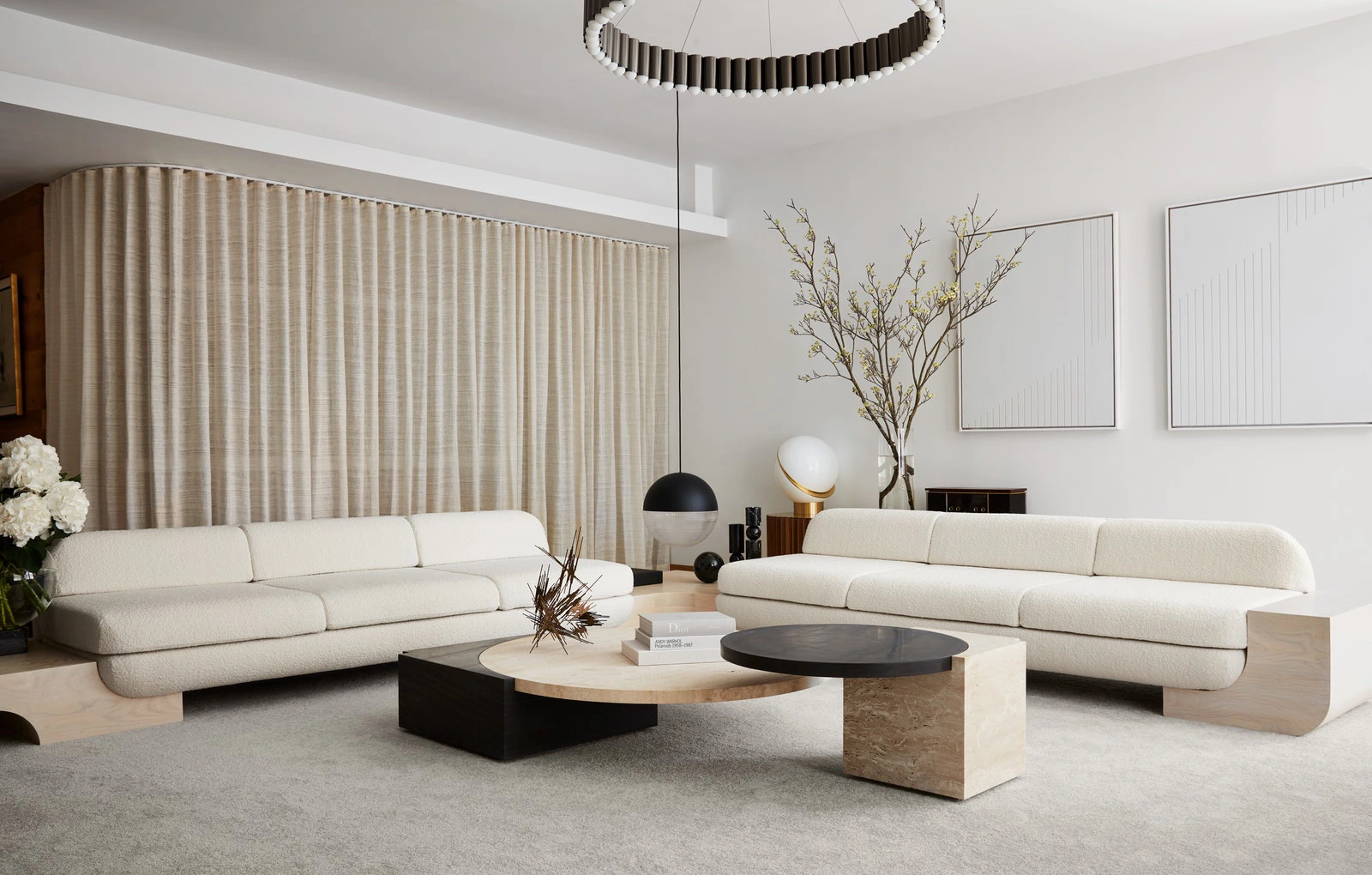
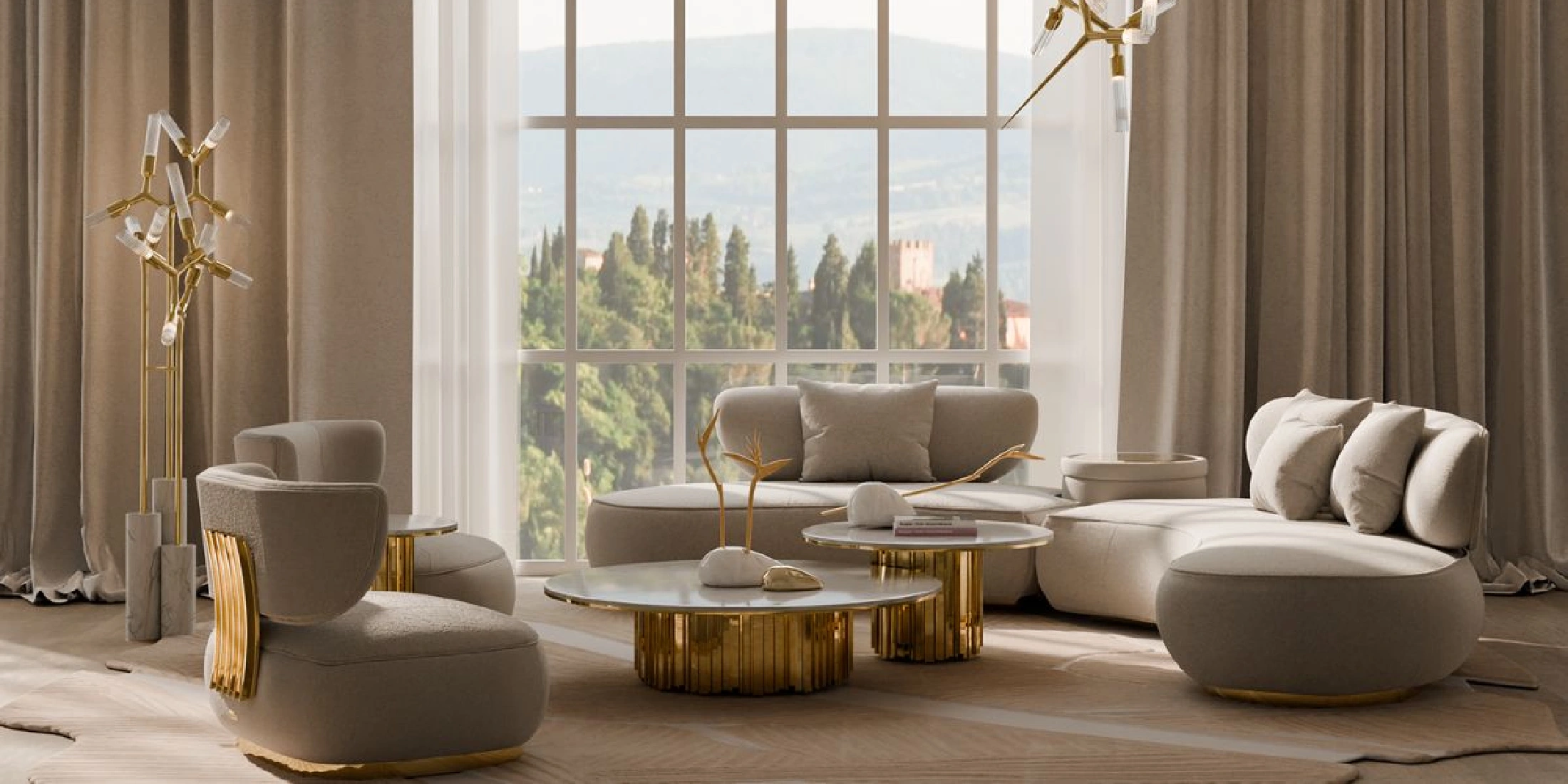
At its core, Warm Minimalism balances restraint with richness. It retains the clarity and intentionality of traditional minimalism while introducing warmth through materials, color, and form.
Key characteristics include:
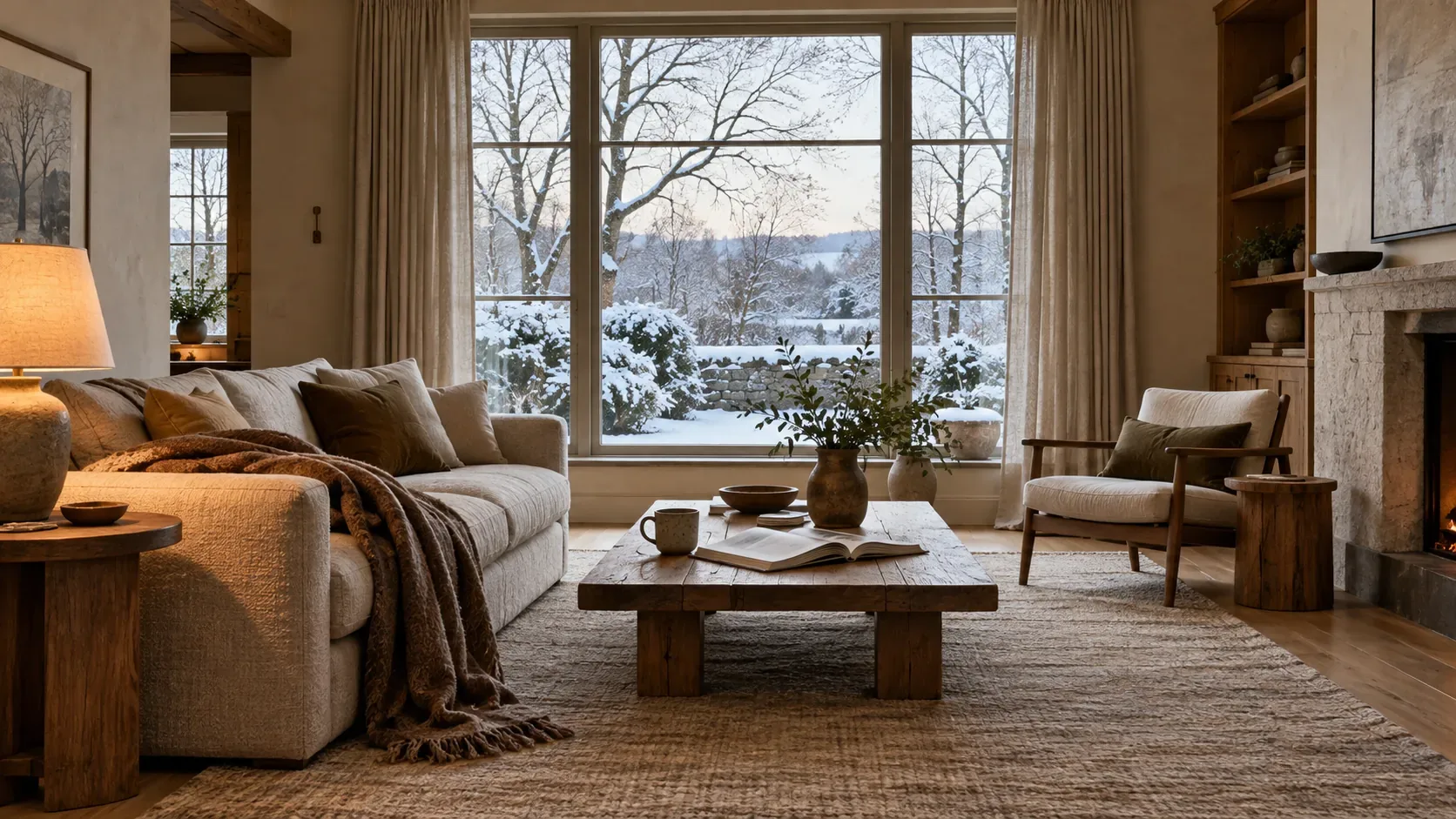
- Natural materials such as wood, stone, clay, and linen
- Muted, earthy color palettes—think warm whites, taupe, sand, terracotta, and soft browns
- Textural layering that adds depth without visual clutter
- Softened geometries, including rounded edges and organic silhouettes
- Curated simplicity, where each piece holds purpose and presence
Rather than stripping a space to its bare essentials, Warm Minimalism focuses on intentional reduction—keeping only what enhances both function and atmosphere.
Why Warm Minimalism Is Reshaping High-End Design
1. A Response to Emotional and Sensory Needs
Luxury design clients increasingly prioritize how spaces feel, not just how they look. Cold minimalism often created visually impressive environments but lacked emotional warmth. Warm Minimalism addresses this gap by fostering comfort, calm, and connection.
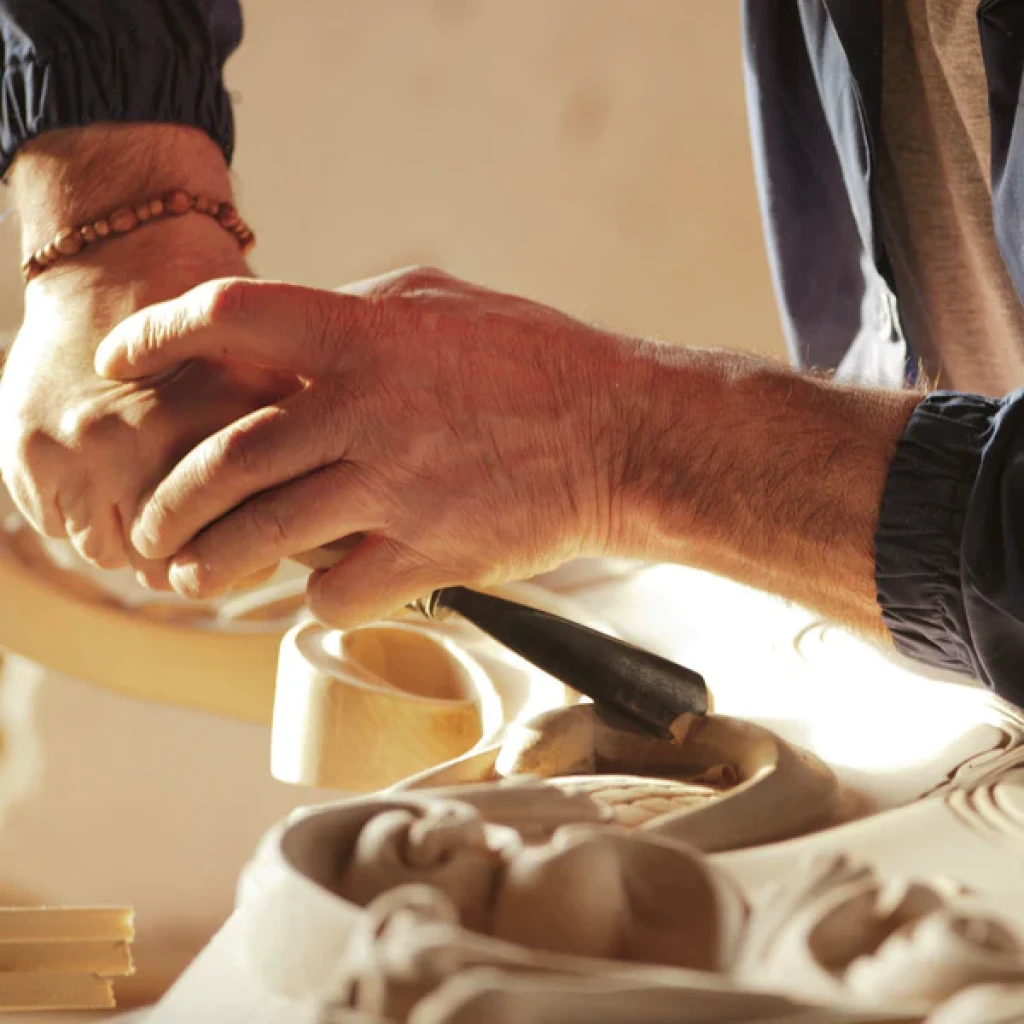
Designers now integrate tactile surfaces, ambient lighting, and handcrafted elements to create sensory-rich environments. This approach resonates strongly in residential projects, boutique hospitality, and wellness-focused architecture.
2. Alignment with Sustainability and Longevity
Warm Minimalism naturally supports sustainable design principles. By emphasizing fewer, higher-quality pieces and natural materials, it encourages longevity over disposability.
Furniture brands benefit from this shift by focusing on:
- Durable craftsmanship
- Ethically sourced materials
- Timeless aesthetics that resist trend cycles
This philosophy appeals to high-end clients who value both environmental responsibility and enduring design investments.
3. The Influence of Global Design Narratives
Warm Minimalism draws inspiration from multiple cultural aesthetics, including Scandinavian hygge, Japanese wabi-sabi, and Mediterranean simplicity. These influences converge into a cohesive language that feels global yet grounded.
Architects and interior designers leverage this fusion to create spaces that feel authentic rather than overly stylized—an important distinction in luxury markets where originality matters.
Materials: The Foundation of Warm Minimalism
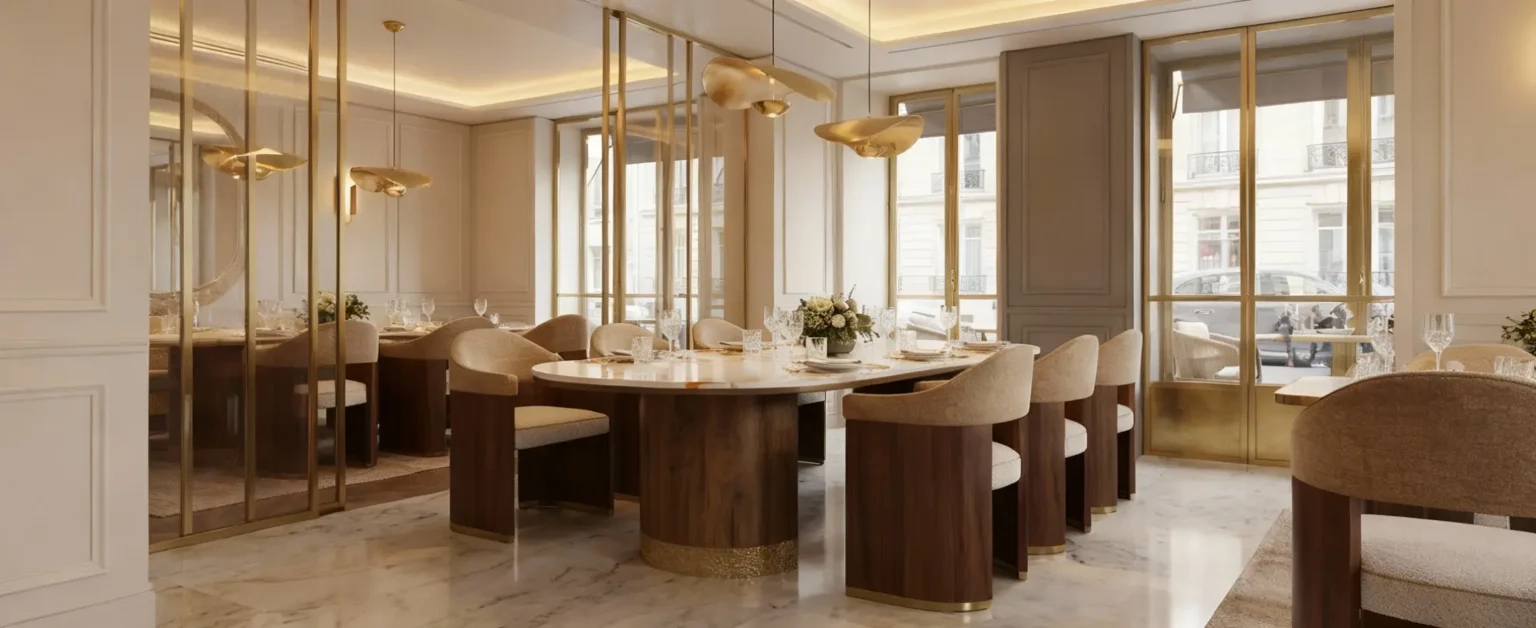
Material selection plays a central role in achieving this aesthetic. Unlike cold minimalism, which often relied on glass, steel, and high-gloss finishes, Warm Minimalism prioritizes materials that age gracefully and invite touch.
Wood as a Primary Element
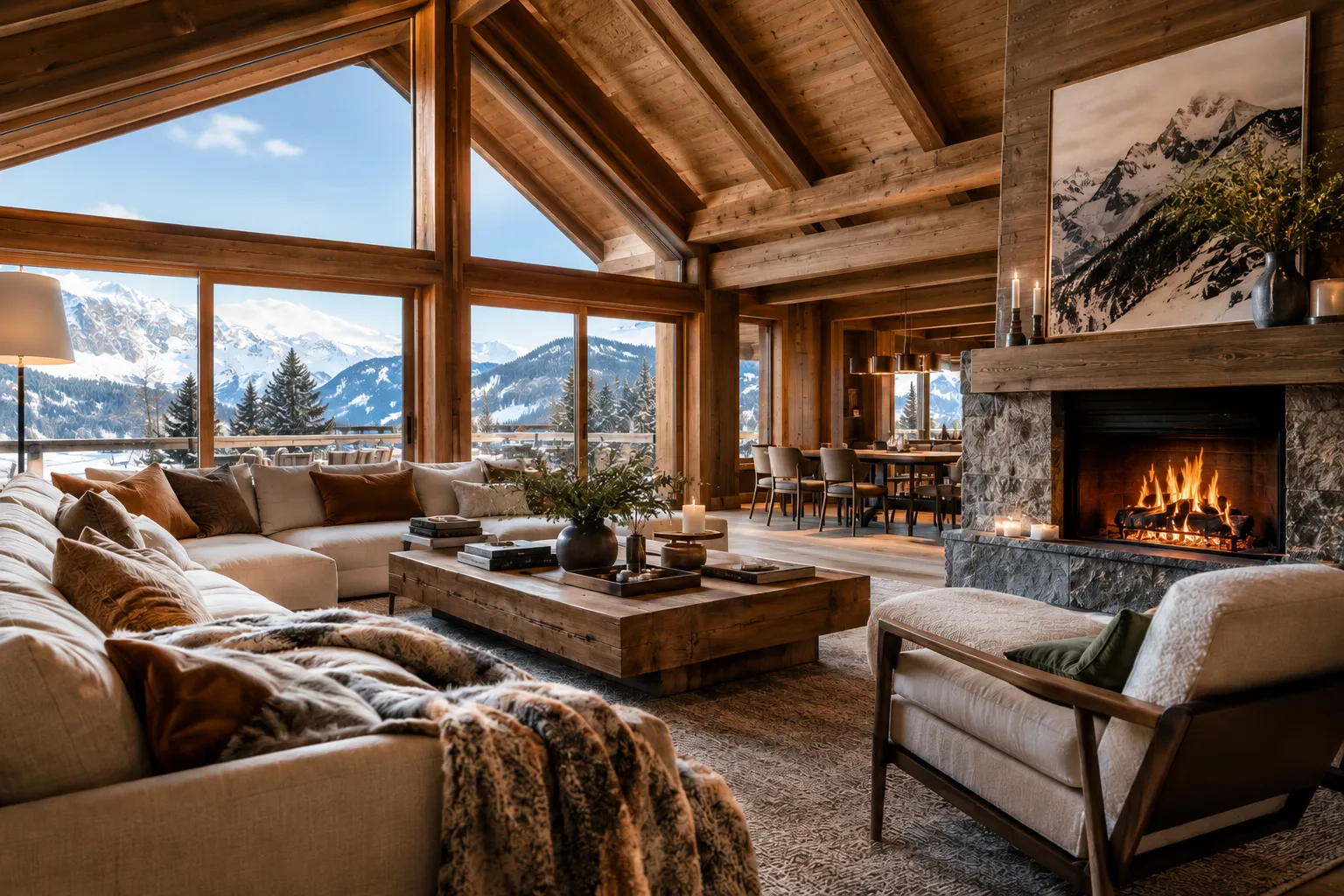
Light to medium-toned woods—such as oak, walnut, and ash—anchor many Warm Minimalist interiors. Designers often use wood in:
- Custom millwork
- Statement furniture pieces
- Architectural elements like beams or paneling
The grain and natural variation of wood introduce subtle visual interest without overwhelming the space.
Stone and Mineral Surfaces
Stone surfaces, including limestone, travertine, and marble, bring both texture and permanence. Designers frequently select finishes that highlight natural imperfections rather than polished uniformity.
Textiles and Soft Layers
Textiles soften architectural lines and enhance comfort. Linen, wool, boucle, and cotton dominate upholstery and soft furnishings. These materials contribute to a layered yet uncluttered look.
Color Palettes: Subtle but Impactful
Warm Minimalism relies on a restrained palette, but it avoids the starkness of pure white or grayscale schemes. Instead, it embraces nuanced tones that shift with light and context.
Common color strategies include:
- Monochromatic warmth: layering shades of beige, cream, and taupe
- Earth-inspired accents: clay, rust, olive, and muted ochre
- Contrast through texture, not color saturation
Designers often use color sparingly, allowing materials and forms to take center stage.