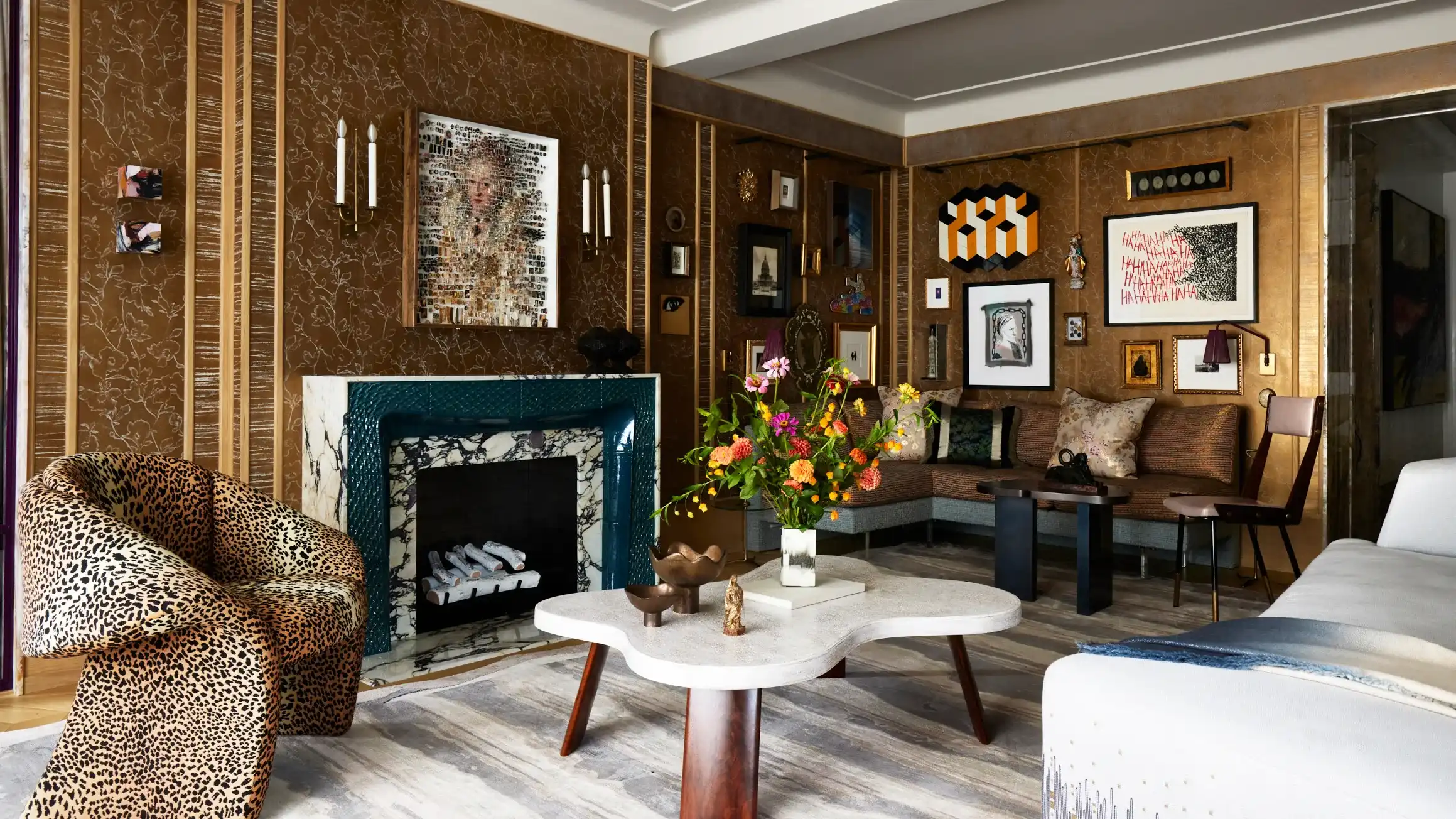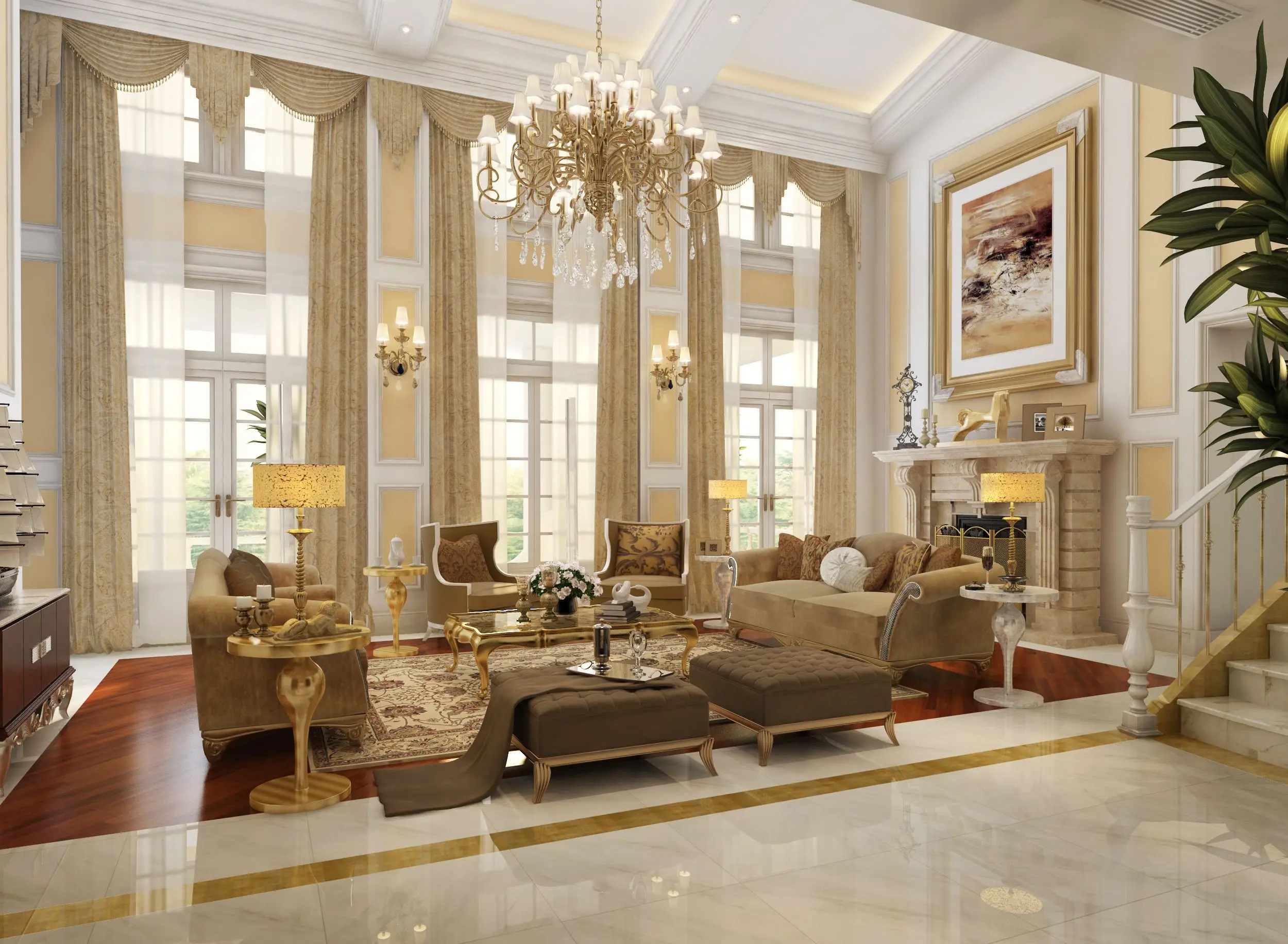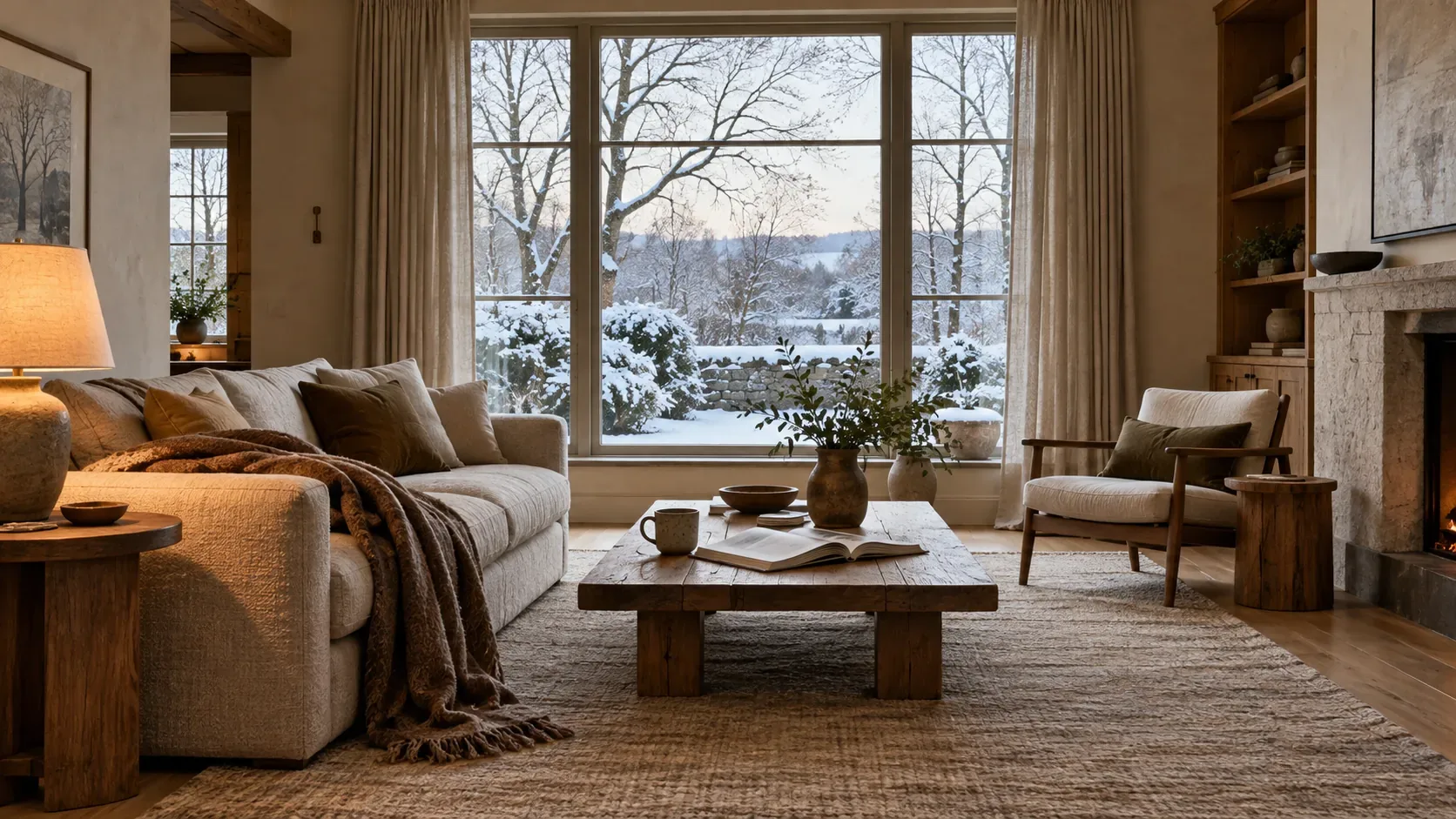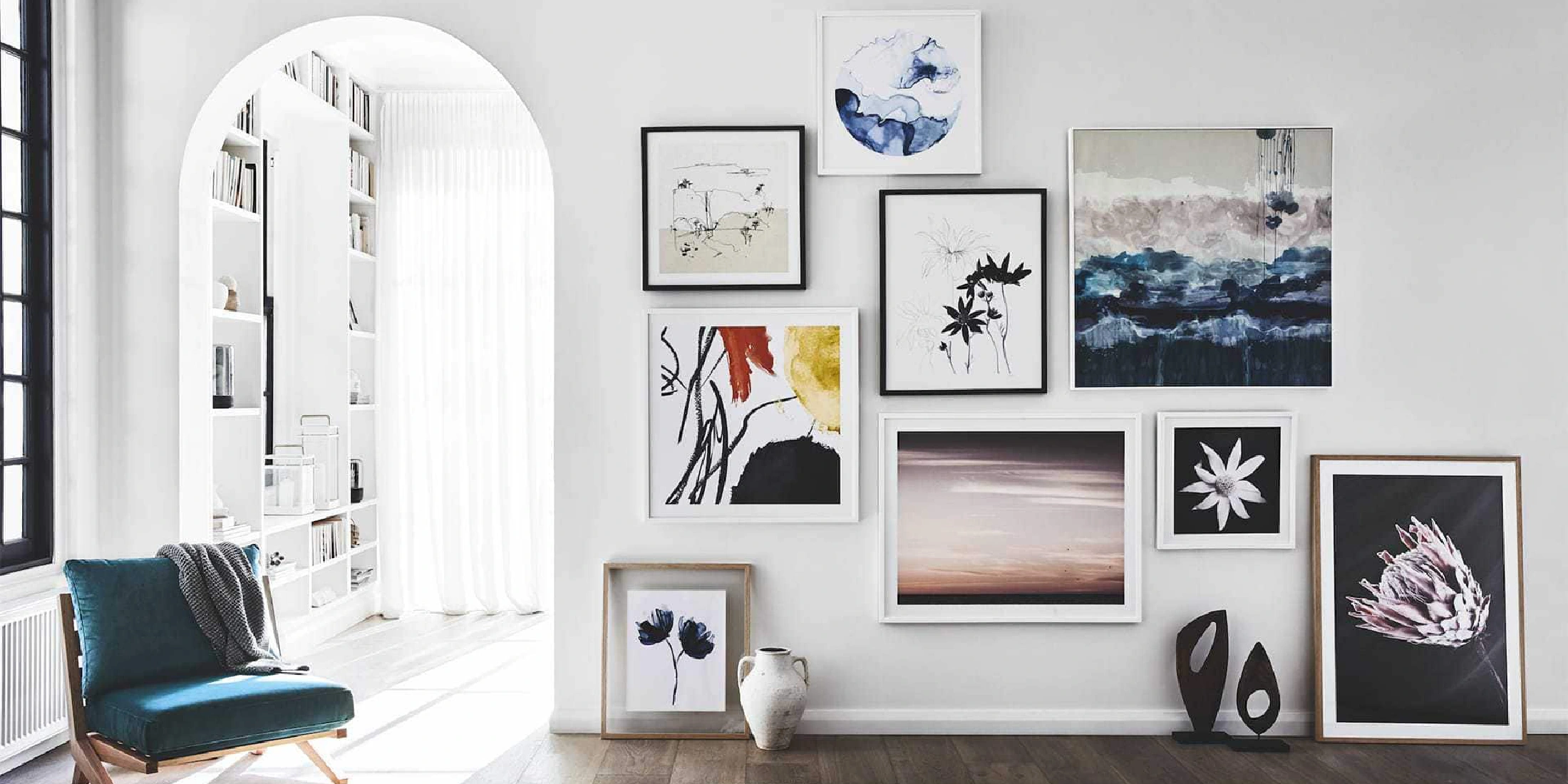
Luxury residential design has entered a new era—one where homes no longer serve solely as private sanctuaries but also as curated spaces for artistic expression. At the center of this evolution lies the growing demand for Gallery-Style Interiors, a design approach that transforms living environments into refined, museum-like experiences. For interior designers, architects, and high-end furniture brands, this trend presents both an aesthetic shift and a strategic opportunity to redefine how space, objects, and identity intersect.
What Are Gallery-Style Interiors?
Gallery-Style Interiors draw direct inspiration from art galleries and exhibition spaces. These interiors emphasize clean lines, intentional spacing, controlled lighting, and a strong narrative driven by carefully selected pieces—whether fine art, collectible furniture, or sculptural elements.
Unlike traditional luxury interiors that often rely on opulence and ornamentation, this style prioritizes restraint and precision. Every element earns its place. Negative space plays a critical role, allowing each object to stand out without visual competition.
Key characteristics include:
- Neutral or monochromatic color palettes
- Open, uncluttered layouts
- Museum-quality lighting systems
- Statement pieces with artistic value
- Minimal but highly intentional furniture placement
Why Gallery-Style Interiors Are Gaining Popularity
1. The Rise of Art-Centric Living
High-net-worth homeowners increasingly view their residences as extensions of their personal collections. Instead of separating art from everyday life, they integrate it into their living environments. Gallery-Style Interiors support this shift by creating conditions that highlight and preserve artworks.
Collectors now demand spaces that rival professional galleries—controlled lighting, proper sightlines, and architectural framing. As a result, designers must think like curators, not just decorators.
2. Minimalism Meets Luxury
Minimalism has long influenced contemporary design, but Gallery-Style Interiors elevate it into the luxury space. This approach replaces excess with intention. Rather than filling rooms with expensive items, designers select fewer, higher-impact pieces.
This aligns perfectly with modern luxury values:
- Exclusivity over abundance
- Craftsmanship over quantity
- Narrative over decoration
For furniture brands, this shift means focusing on collectible, limited-edition designs that function as both utility and art.
3. Architectural Expression Takes Center Stage
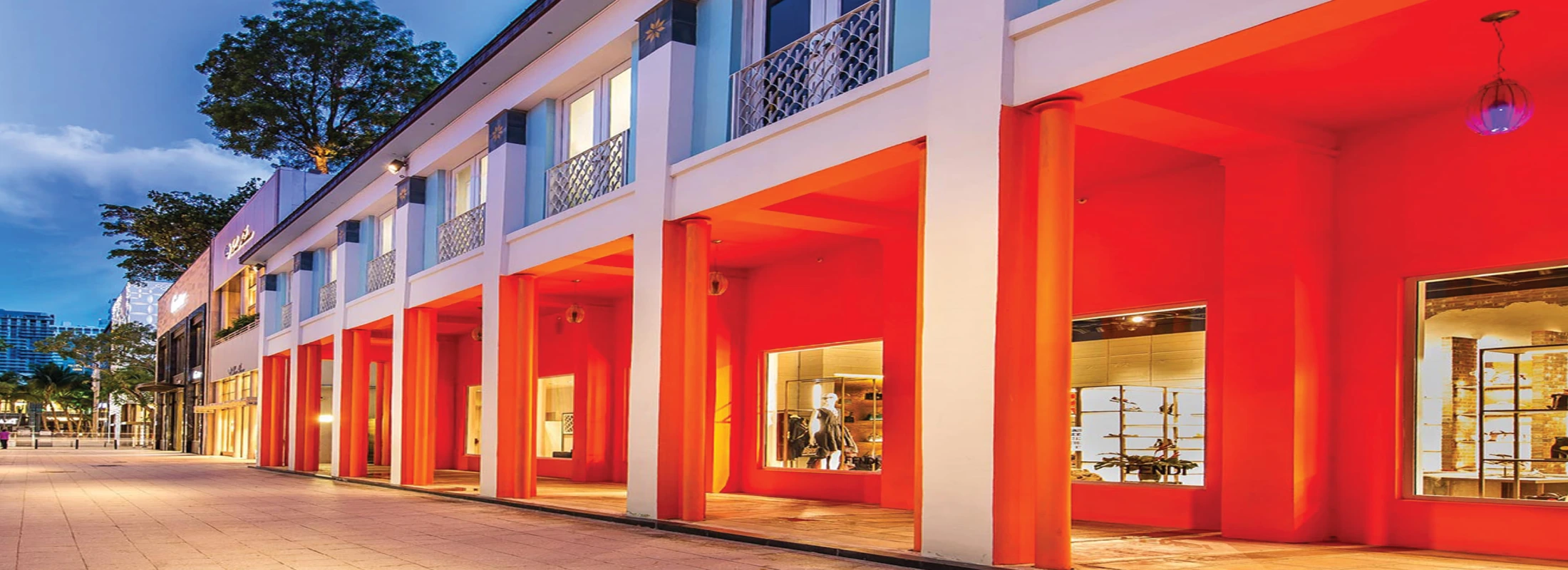
In gallery-style homes, architecture becomes part of the exhibition. Walls, ceilings, and circulation paths act as frames and transitions between visual moments.
Architects now design with:
- Long sightlines that guide movement
- Double-height spaces for large-scale works
- Seamless material transitions
- Hidden storage to maintain visual clarity
The result is a cohesive spatial experience where architecture and interiors merge into a unified concept.
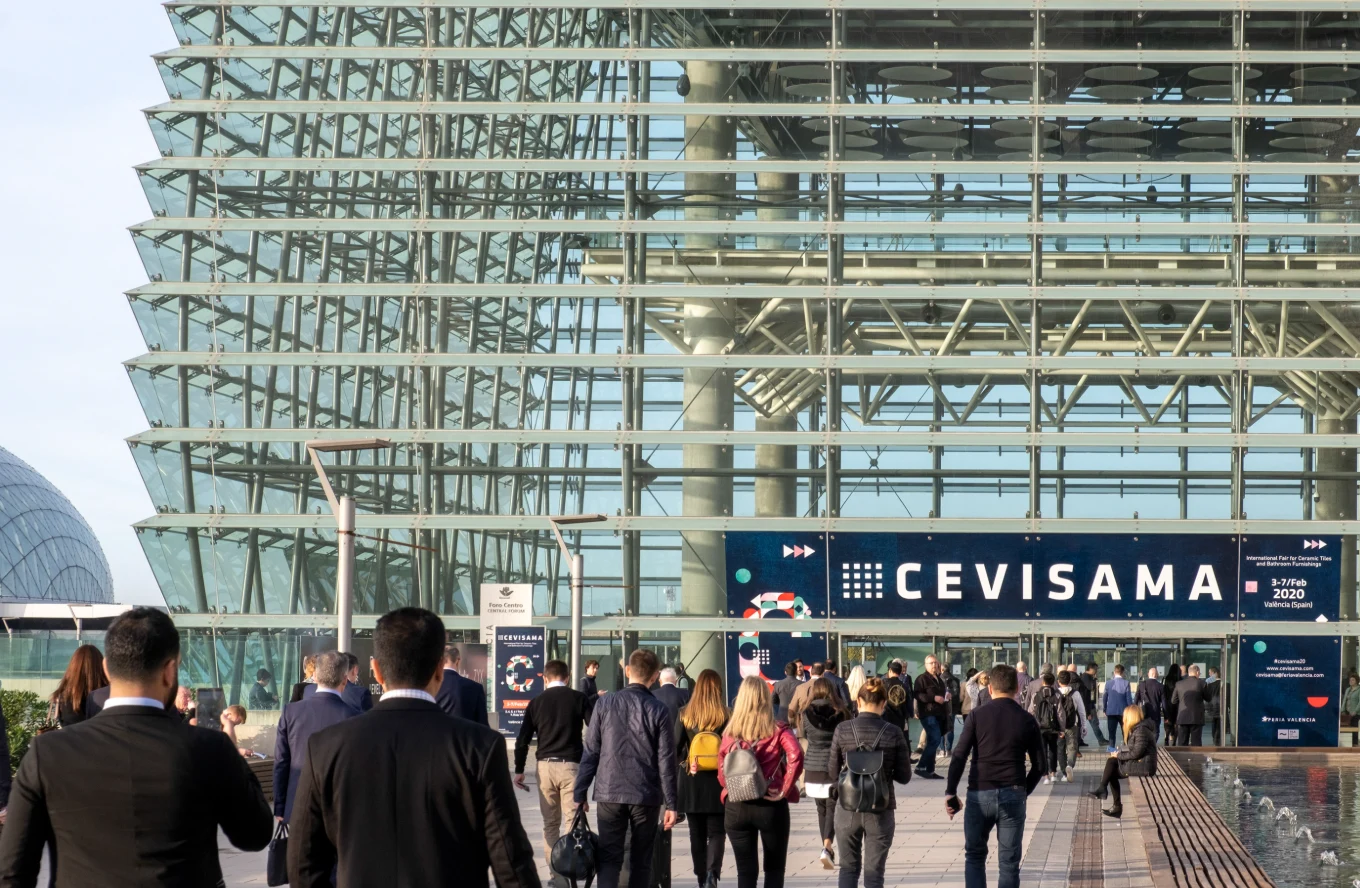
4. The Influence of Contemporary Art and Design Fairs
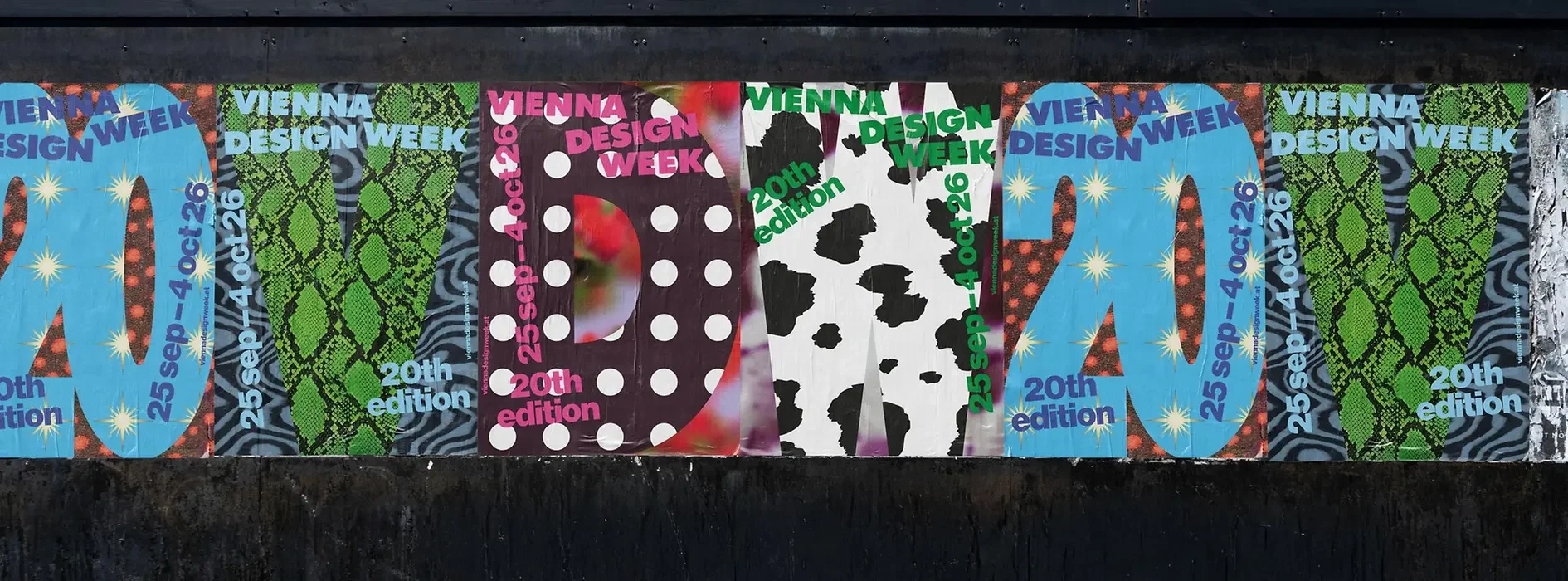
Global design fairs and contemporary art events have influenced residential interiors significantly. Clients who frequent these environments expect similar spatial qualities at home.
They seek:
- Gallery-grade lighting (track systems, wall washers)
- Pedestal displays for objects
- Rotating exhibition zones within the home
This demand pushes designers to adopt professional display techniques typically reserved for institutional spaces.
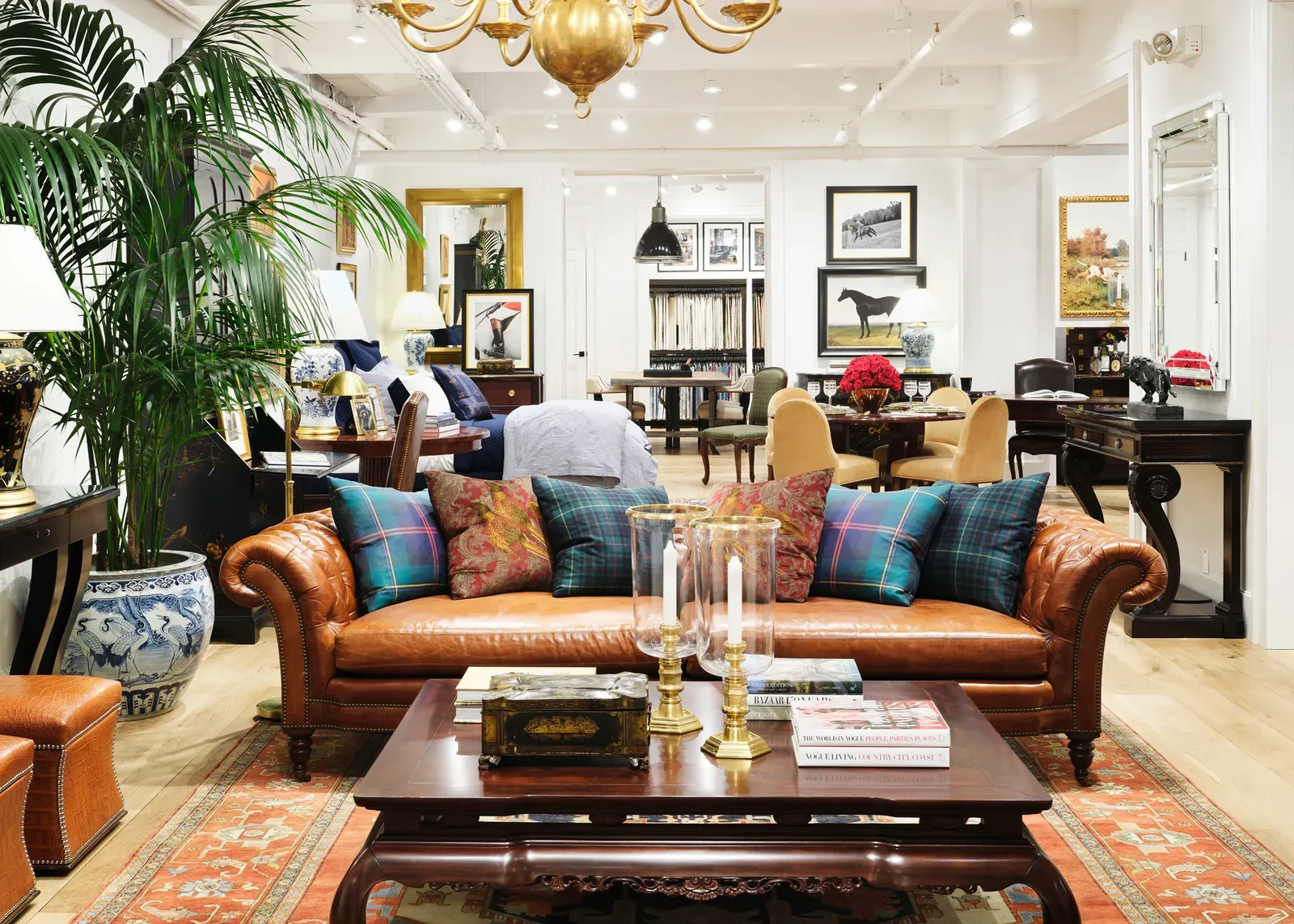
Core Design Elements of Gallery-Style Interiors
Lighting as a Design Tool
Lighting defines the success of a gallery-style space. Designers use it not just for visibility but for storytelling.
Key strategies include:
- Directional spotlights to highlight focal pieces
- Diffused ambient lighting to maintain balance
- Adjustable systems that adapt to rotating displays
Lighting must enhance textures, colors, and forms without overwhelming them.
Material Restraint and Texture Contrast
Gallery-Style Interiors rely on a limited material palette. However, designers introduce depth through subtle contrasts.
Common materials include:
- Plaster or matte-painted walls
- Natural stone flooring
- Brushed metals
- Light or dark wood tones
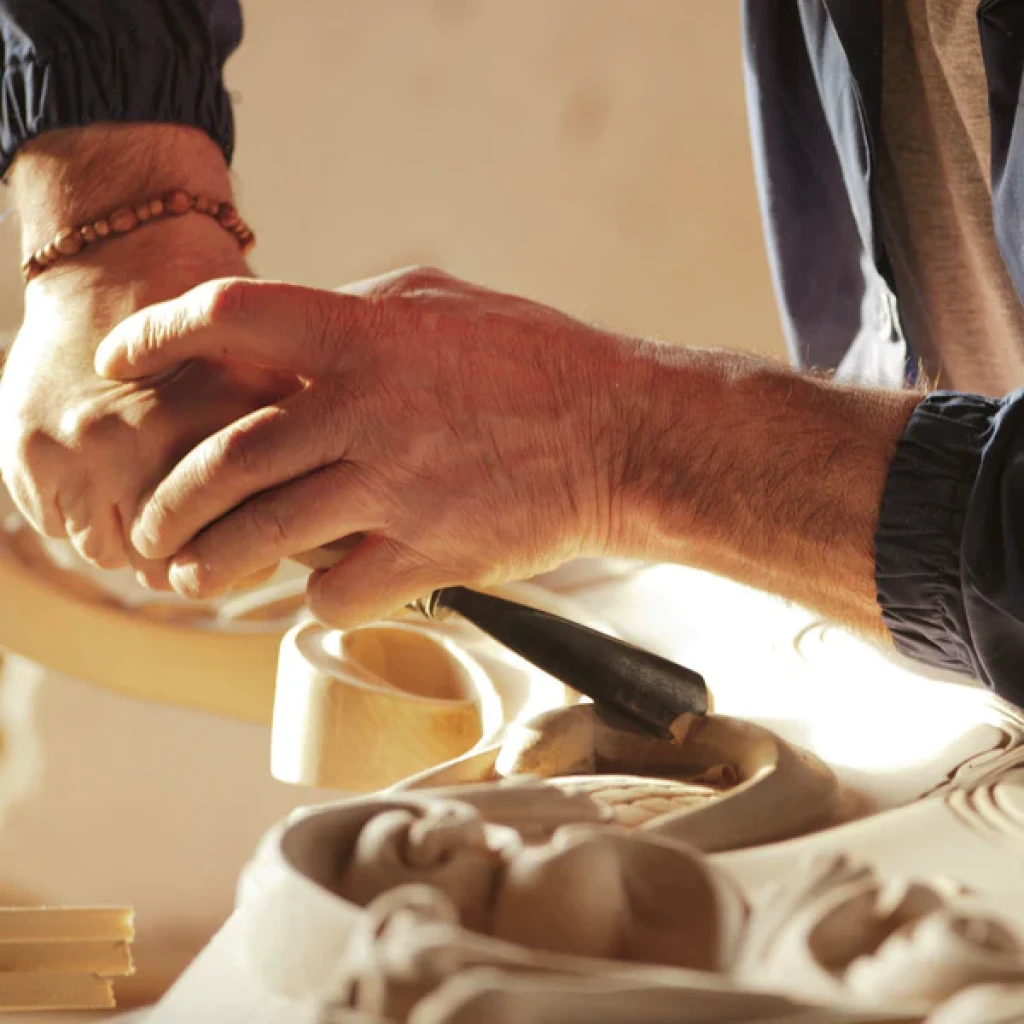
Instead of bold patterns, designers focus on tactile quality and craftsmanship.
Sculptural Furniture Selection
Furniture in these interiors often behaves like art. Designers choose pieces with strong silhouettes, unique forms, or collectible value.
Rather than filling a room, each piece:
- Anchors a space
- Creates visual dialogue with surrounding art
- Reinforces the overall concept
For luxury furniture brands, this opens the door to creating signature pieces that function as centerpieces rather than supporting elements.
Spatial Flow and Negative Space
Negative space remains one of the most powerful tools in Gallery-Style Interiors. Designers intentionally leave areas open to allow visual breathing room.
This approach:
- Enhances the impact of each object
- Improves circulation
- Creates a sense of calm and sophistication
Achieving this balance requires discipline. Over-designing can quickly undermine the gallery effect.