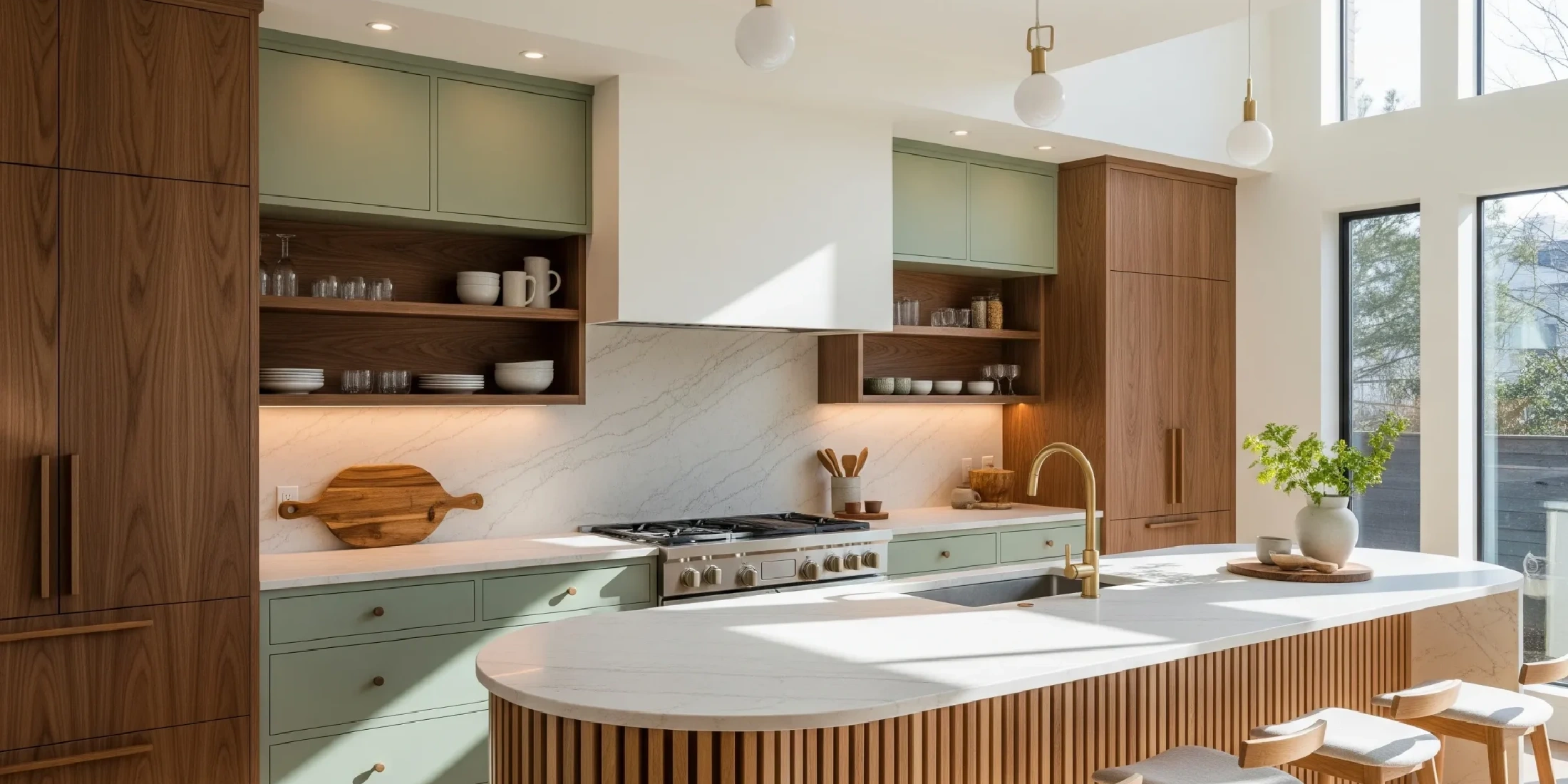
Mixed material trends are redefining the way interior designers, furniture brands, and architects approach contemporary spaces. By combining contrasting textures, finishes, and structural elements, today’s most compelling designs achieve depth, balance, and visual intrigue. This approach goes beyond aesthetics—it also enhances functionality, durability, and user experience.
In modern design, the thoughtful blending of materials like wood, metal, glass, stone, and textiles creates layered environments that feel both curated and dynamic. Below are the top seven mixed material trends shaping the industry today.
1. Wood and Metal Pairings
One of the most enduring mixed material trends is the fusion of natural wood with industrial metals. This combination strikes a balance between warmth and structure, making it a favorite across residential and commercial projects.
Designers often use rich hardwoods like walnut or oak alongside blackened steel, brass, or brushed nickel. The contrast highlights the organic grain of the wood while emphasizing the precision of the metal.
Applications include:
- Dining tables with steel legs and solid wood tops
- Custom cabinetry with metal inlays or handles
- Architectural staircases combining timber treads and metal railings
This pairing works especially well in modern, industrial, and transitional interiors.
2. Stone Meets Soft Textiles
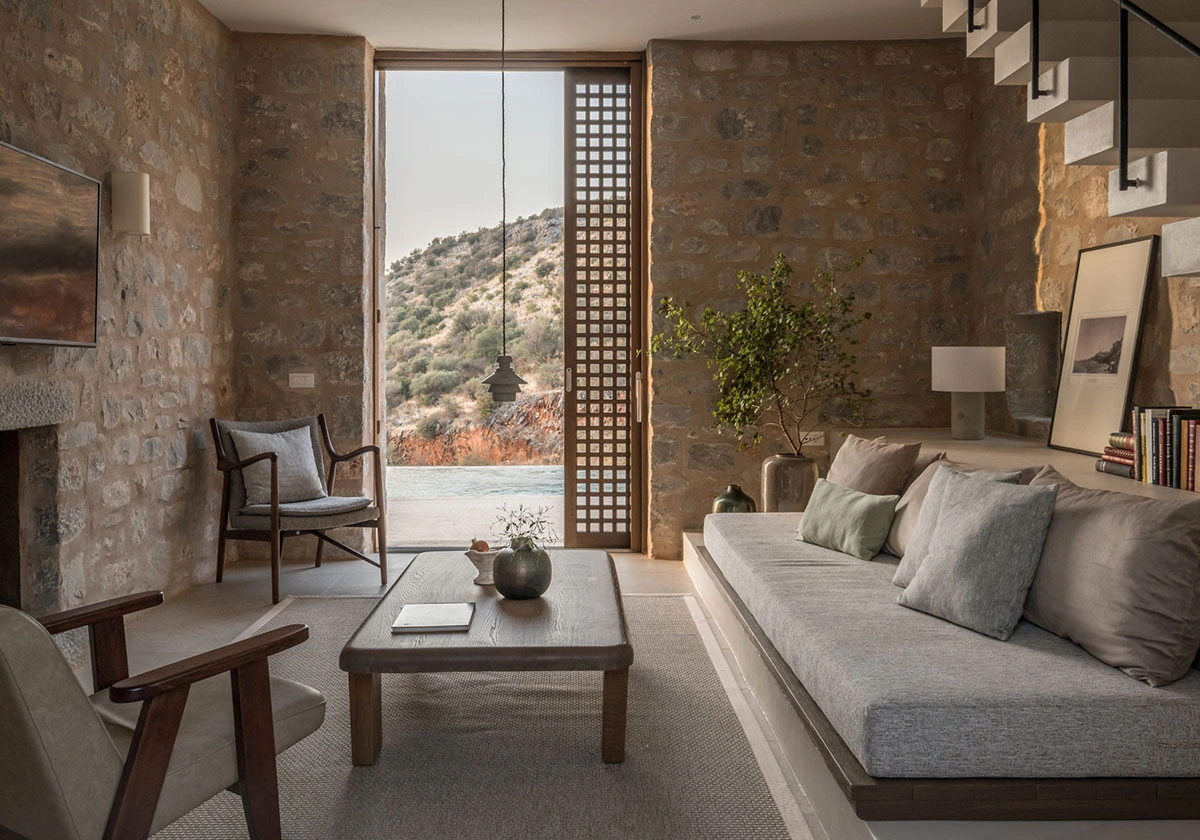
Another rising trend in mixed material design is the juxtaposition of hard stone surfaces with soft, tactile textiles. Marble, travertine, and granite provide a sense of permanence and luxury, while fabrics like velvet, boucle, and linen add comfort and warmth.
This contrast creates a sensory experience that appeals to both visual and physical touchpoints.
Popular uses include:
- Marble coffee tables paired with plush upholstered seating
- Stone accent walls softened by layered drapery
- Bathroom designs combining stone vanities with textile elements like rugs and window treatments
The key is to balance weight and softness to avoid overwhelming the space.
3. Glass and Natural Materials
Glass introduces lightness and transparency, making it an ideal counterpart to heavier natural materials like wood and stone. This mixed material trend is especially popular in contemporary architecture, where openness and flow are essential.
Designers use glass to visually “lift” denser materials, creating a sense of airiness without sacrificing structure.
Examples include:
- Glass shelving framed by wooden cabinetry
- Stone bases with glass tabletops
- Floor-to-ceiling glass walls paired with timber beams
This approach enhances natural light while maintaining a grounded, organic feel.
4. Mixed Metals in a Single Space
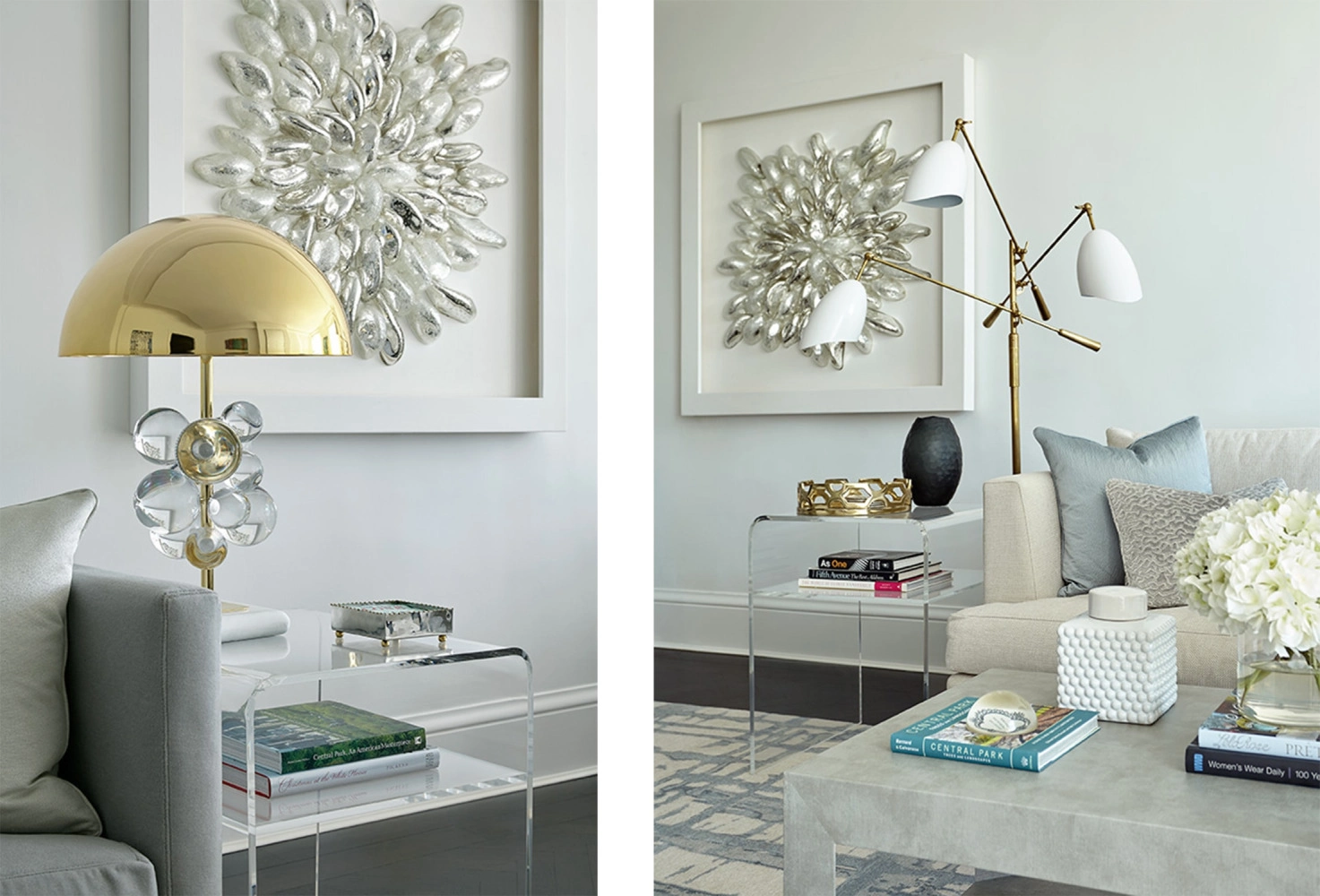
Gone are the days when designers had to stick to one metal finish. Today’s mixed material trends embrace the intentional layering of multiple metals within the same environment.
Combining finishes like brass, chrome, matte black, and bronze adds complexity and sophistication. The key lies in maintaining cohesion through proportion and repetition.
Design strategies:
- Use one dominant metal and one or two accents
- Repeat each finish at least twice in the space
- Balance warm and cool tones for contrast
This trend works particularly well in kitchens, bathrooms, and hospitality settings where fixtures and hardware play a central role.
5. Concrete with Warm Accents
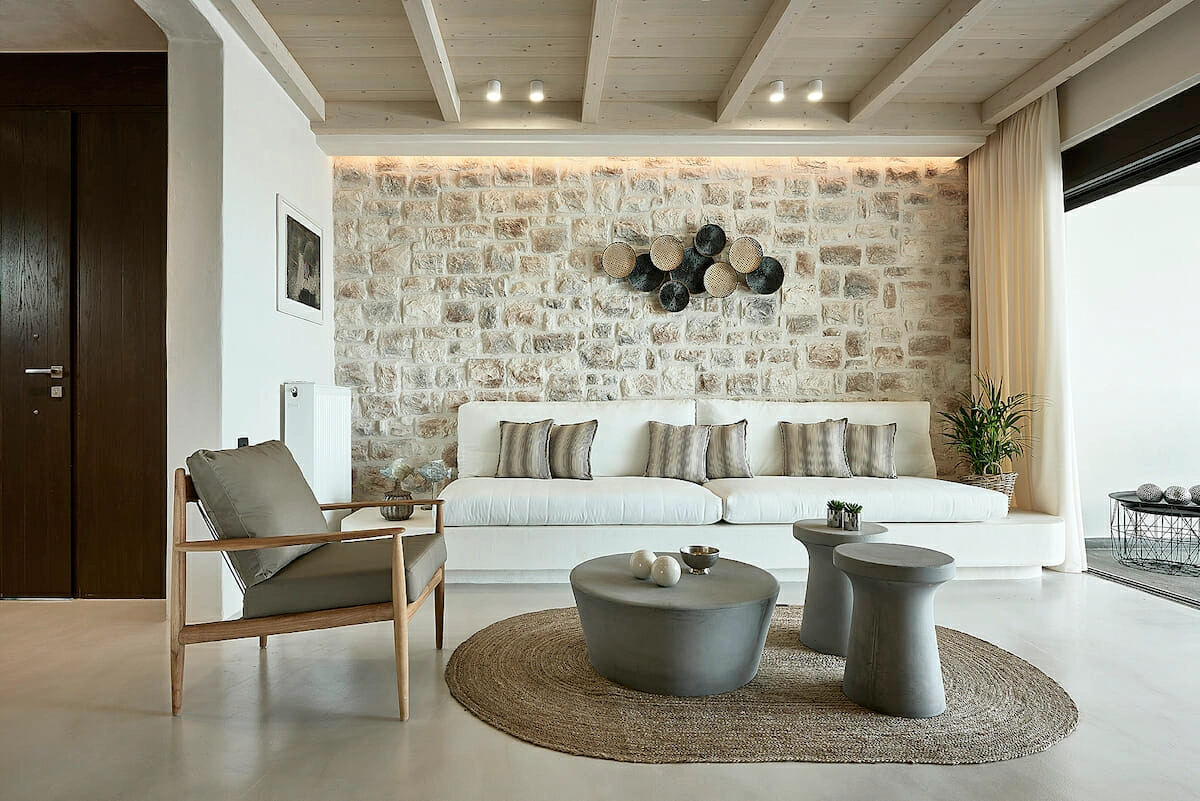
Concrete has become a staple in modern architecture and furniture design due to its raw, minimalist appeal. However, on its own, it can feel cold or austere. That’s where mixed materials come in.
By pairing concrete with warmer elements like wood, leather, or brass, designers soften its industrial edge and make it more approachable.
Common applications:
- Concrete countertops with wooden cabinetry
- Polished concrete floors accented by area rugs
- Concrete furniture with leather or upholstered components
This combination is ideal for urban, contemporary, and high-end residential projects.
6. Layered Textures Within the Same Material Family
Not all mixed material trends rely on completely different materials. Some of the most sophisticated designs layer variations within the same category—such as different types of wood, stone, or fabric.
This approach creates depth while maintaining a cohesive palette.
Examples include:
- Combining matte and polished stone finishes
- Using multiple wood tones in cabinetry and flooring
- Layering textiles with varying weaves and pile heights
This subtle form of mixing materials appeals to luxury design studios aiming for understated elegance rather than bold contrast.
7. Sustainable Material Combinations
Sustainability is no longer optional—it’s a driving force behind modern mixed material trends. Designers and brands increasingly combine eco-friendly materials to create responsible yet visually compelling designs.
This includes pairing reclaimed wood with recycled metals, or integrating bio-based materials like cork and bamboo with traditional elements.
Key considerations:
- Source materials with verified sustainability credentials
- Highlight the natural imperfections of reclaimed elements
- Combine innovation with craftsmanship
Sustainable mixed material design not only reduces environmental impact but also adds authenticity and storytelling to a project.
Final Thoughts
Mixed material trends continue to push the boundaries of modern design by encouraging experimentation and thoughtful contrast. Whether combining wood and metal, layering textiles with stone, or integrating sustainable materials, the goal remains the same: to create spaces that feel rich, balanced, and intentional.
For interior designers, furniture brands, architects, and luxury studios, mastering these combinations offers a competitive edge. It allows for the creation of environments that resonate on multiple levels—visually, tactilely, and emotionally.
As materials evolve and technologies advance, expect mixed material design to become even more refined, blending innovation with timeless craftsmanship.