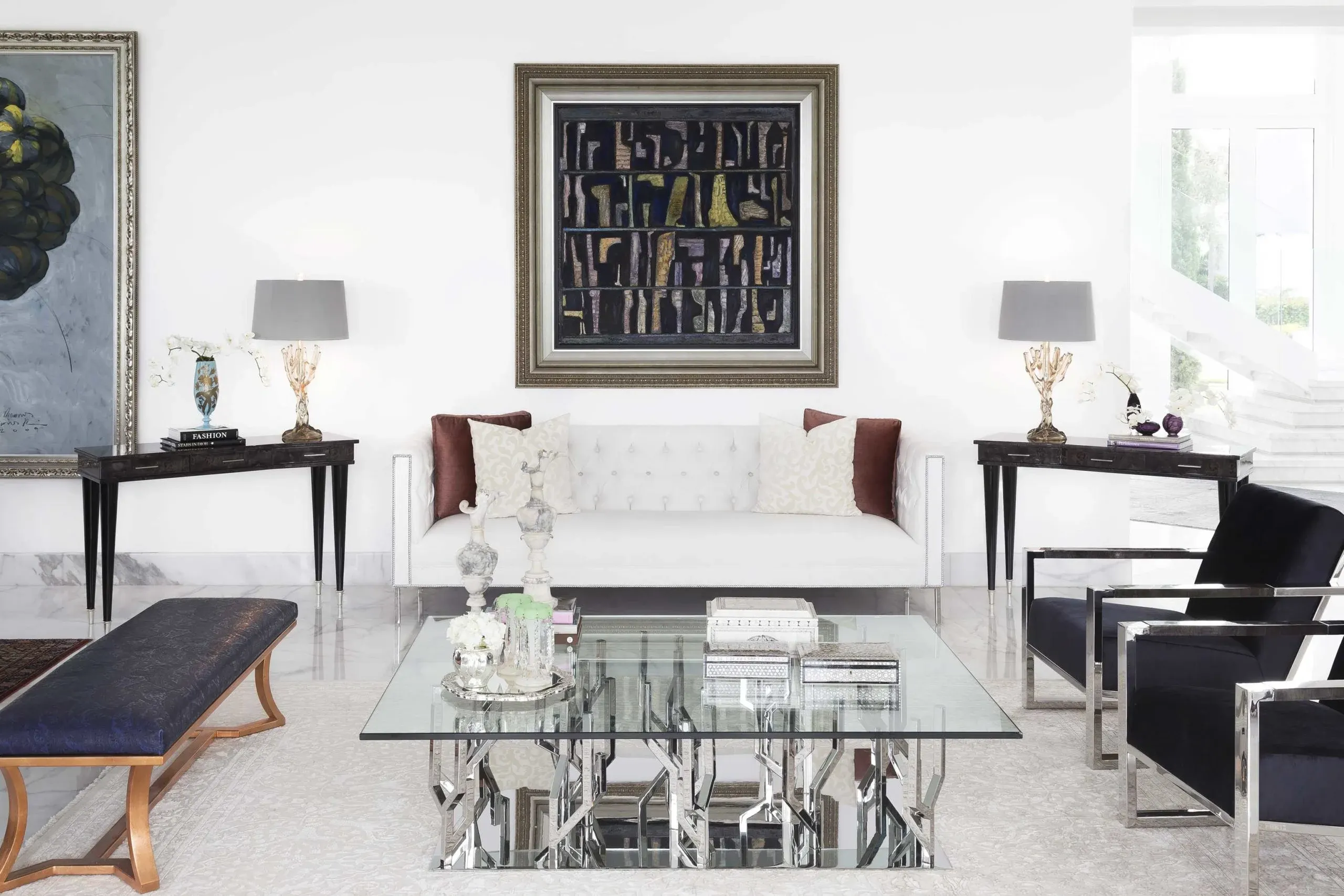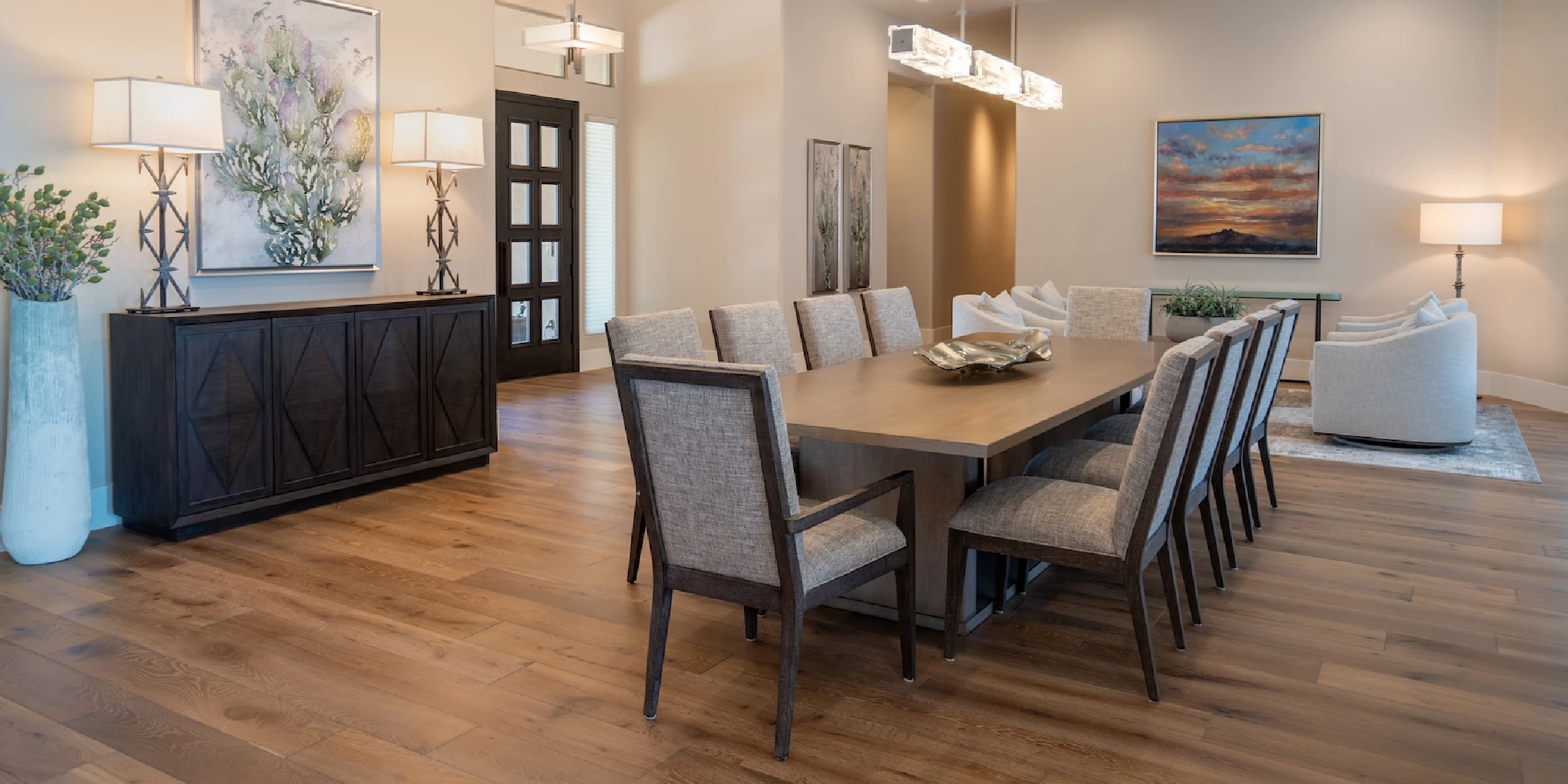
Luxury living has always evolved alongside culture, craftsmanship, and innovation. Today, one trend dominates high-end residential and hospitality design: custom furniture. Across luxury homes, boutique hotels, private yachts, and exclusive outdoor spaces, designers increasingly reject mass-produced pieces in favor of tailored creations that reflect individuality, quality, and architectural harmony.
For interior designers, architects, and premium furniture brands, custom furniture is no longer a niche offering. It has become a defining element of contemporary luxury design.
The Shift Away from Mass Production
For decades, even luxury interiors relied heavily on recognizable designer collections and catalog-based furniture. While many of those pieces still hold prestige, today’s affluent clients demand something different: spaces that feel personal and unmistakably unique.
Mass-produced furniture, even when beautifully designed, often appears in countless homes and projects around the world. High-net-worth homeowners now want interiors that cannot be replicated.
Custom furniture solves this problem by allowing designers to create:
- One-of-a-kind pieces
- Furniture that responds to architecture
- Materials selected specifically for the client
- Tailored dimensions and proportions
Instead of adapting a space to existing furniture, designers now shape furniture to fit the architecture.
Custom Furniture as a Form of Personal Identity
Luxury today revolves around identity and storytelling. Clients want interiors that represent their lifestyles, values, and tastes.
Custom furniture allows designers to embed personality into every detail:
- Sculptural dining tables that reflect artistic preferences
- Outdoor lounges tailored to specific landscape views
- Library shelving designed around personal book collections
- Bed frames crafted from rare woods or metals
Rather than choosing from a catalog, clients participate in the design process. They discuss materials, finishes, dimensions, and functionality.
The result is furniture that feels deeply personal rather than decorative.
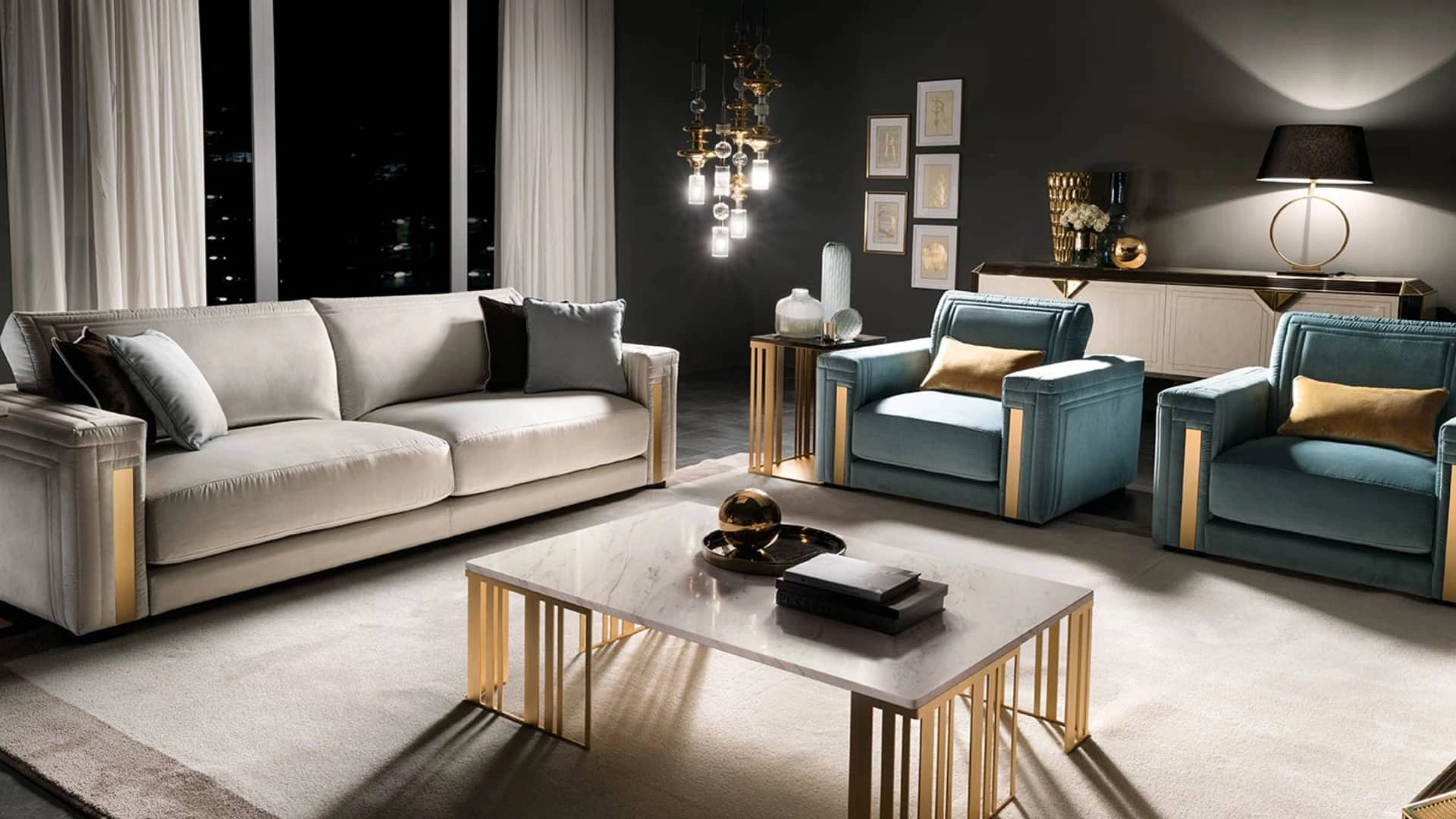
Perfect Integration with Architecture
One of the biggest advantages of custom furniture is architectural integration.
Standard furniture rarely aligns perfectly with architectural elements such as:
- curved walls
- double-height ceilings
- panoramic windows
- unusual floor plans
- integrated lighting concepts
Custom pieces allow architects and interior designers to create seamless spatial compositions.
For example:
- A custom sofa can follow the curvature of a panoramic window.
- A dining table can align precisely with the axis of a room.
- Outdoor seating can mirror the geometry of a terrace or infinity pool.
When furniture responds directly to architecture, the entire environment feels intentional and cohesive.
Craftsmanship as a New Luxury Marker
Luxury consumers increasingly prioritize craftsmanship over brand logos.
Handcrafted furniture represents time, skill, and artisanal expertise. Many luxury design studios collaborate with specialized workshops that focus on traditional techniques such as:
- hand-carved woodwork
- bespoke metal fabrication
- artisanal upholstery
- stone sculpting
- hand-applied finishes
These details create furniture that feels substantial, tactile, and enduring.
Instead of disposable décor, custom furniture becomes an investment piece designed to last decades.
For designers and furniture brands, craftsmanship also offers a powerful narrative. Clients appreciate knowing where materials originate and how artisans shape them into finished pieces.
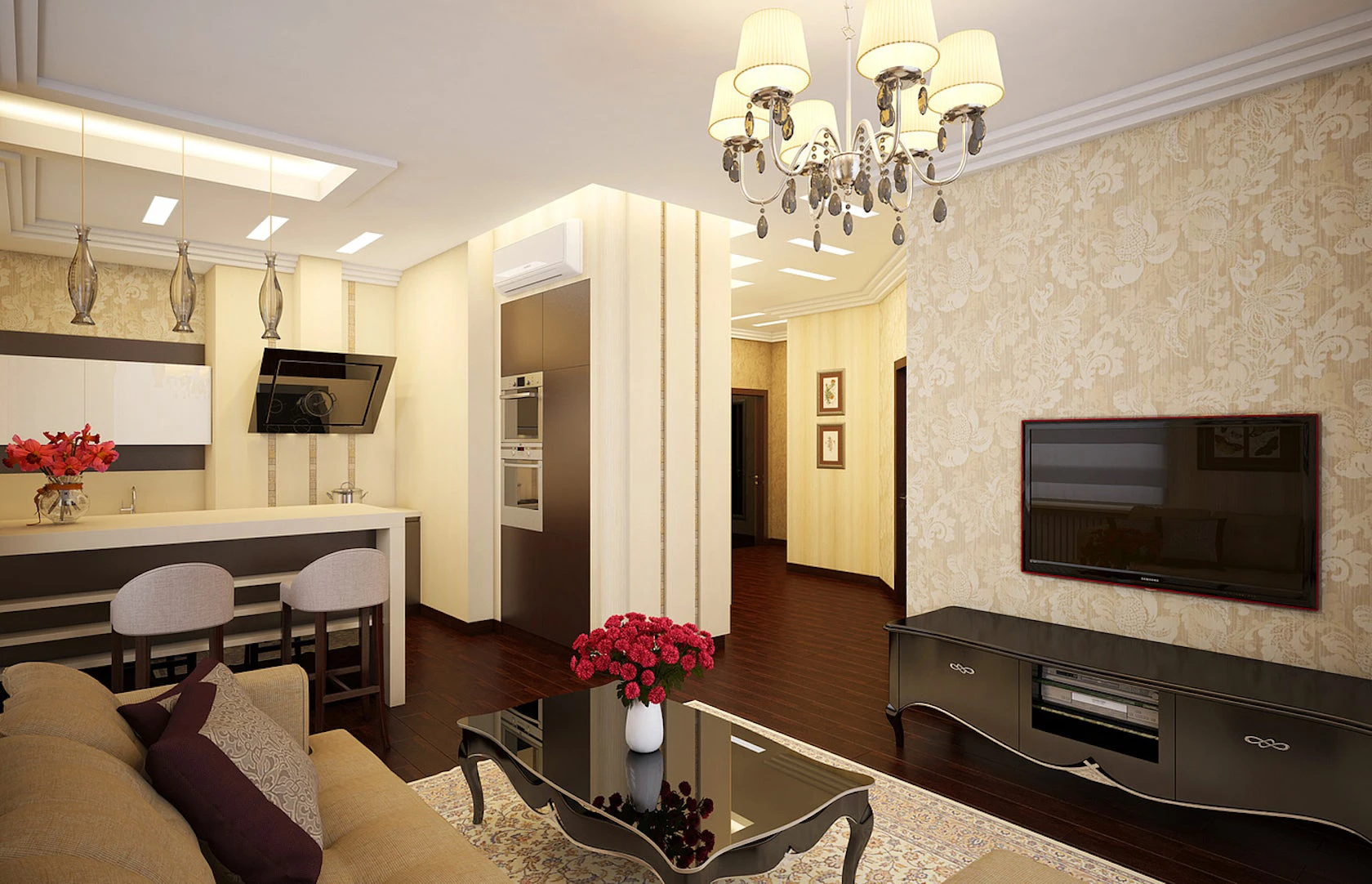
Freedom of Material Exploration
Another reason custom furniture dominates luxury design is material freedom.
Mass-produced furniture often limits designers to standard finishes and materials. Custom fabrication opens the door to more experimental combinations, including:
- rare natural stones
- exotic hardwoods
- hand-patinated metals
- sculptural resin or glass
- architectural concrete
Designers can also explore hybrid materials, such as wood combined with bronze detailing or marble paired with leather upholstery.
These combinations produce dramatic visual effects that elevate interiors beyond conventional design.