In the world of high-end interiors, few elements carry as much cultural depth, craftsmanship, and visual impact as Handmade Rugs. These pieces do far more than cover a floor—they anchor spaces, define design narratives, and communicate a level of refinement that machine-made alternatives rarely achieve. For interior designers, architects, and luxury furniture brands, handmade rugs remain essential tools for shaping sophisticated environments.
As contemporary interiors evolve toward personalization and authenticity, handmade rugs have become even more relevant. They bridge tradition and innovation, offering both historical richness and modern adaptability.
The Craftsmanship Behind Handmade Rugs
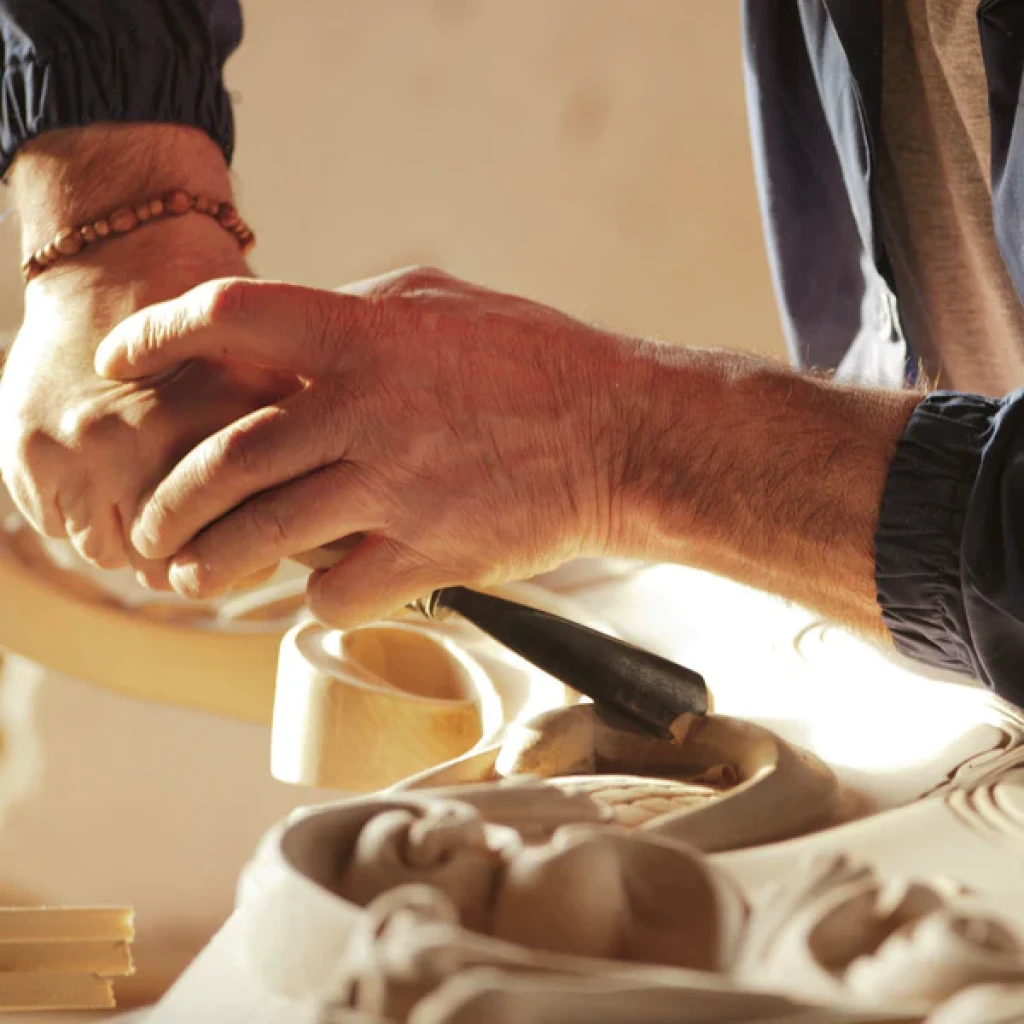
At the core of Handmade Rugs lies a level of craftsmanship that reflects generations of expertise. Artisans use techniques such as hand-knotting, hand-tufting, and flat weaving to create intricate patterns and durable structures.
Hand-knotting, in particular, stands as one of the most respected methods. Each knot is tied individually, often resulting in months—or even years—of work for a single rug. This process produces exceptional durability and allows for highly detailed designs.
Unlike mass-produced rugs, handmade pieces reveal subtle irregularities that enhance their character. These variations are not flaws; they signal authenticity and human touch, both highly valued in luxury interiors.
Material Quality and Sensory Experience
Material selection plays a crucial role in defining the luxury of handmade rugs. Designers often choose natural fibers such as:
- Wool for its resilience and softness
- Silk for its sheen and fine detailing
- Cotton for structure and flexibility
These materials create a tactile richness that enhances the overall sensory experience of a space. Walking barefoot on a high-quality handmade rug delivers a level of comfort that synthetic alternatives struggle to replicate.
Additionally, natural fibers age gracefully. Over time, they develop a patina that adds depth and character, reinforcing the long-term value of the piece.
Aesthetic Versatility in Contemporary Design
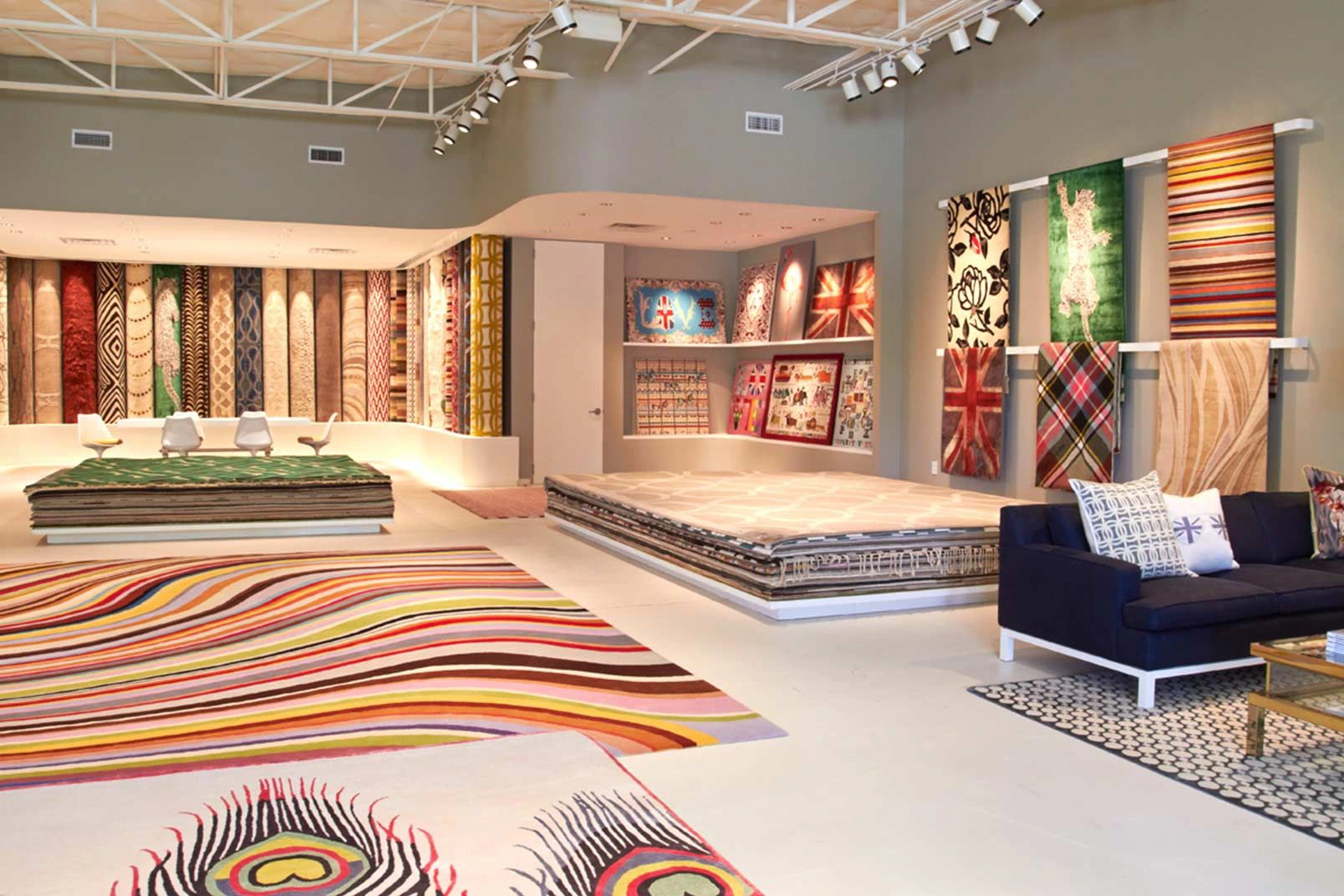
One of the defining strengths of Handmade Rugs lies in their versatility. They adapt seamlessly to a wide range of interior styles, from minimalist and modern to classical and eclectic.
Statement Pieces
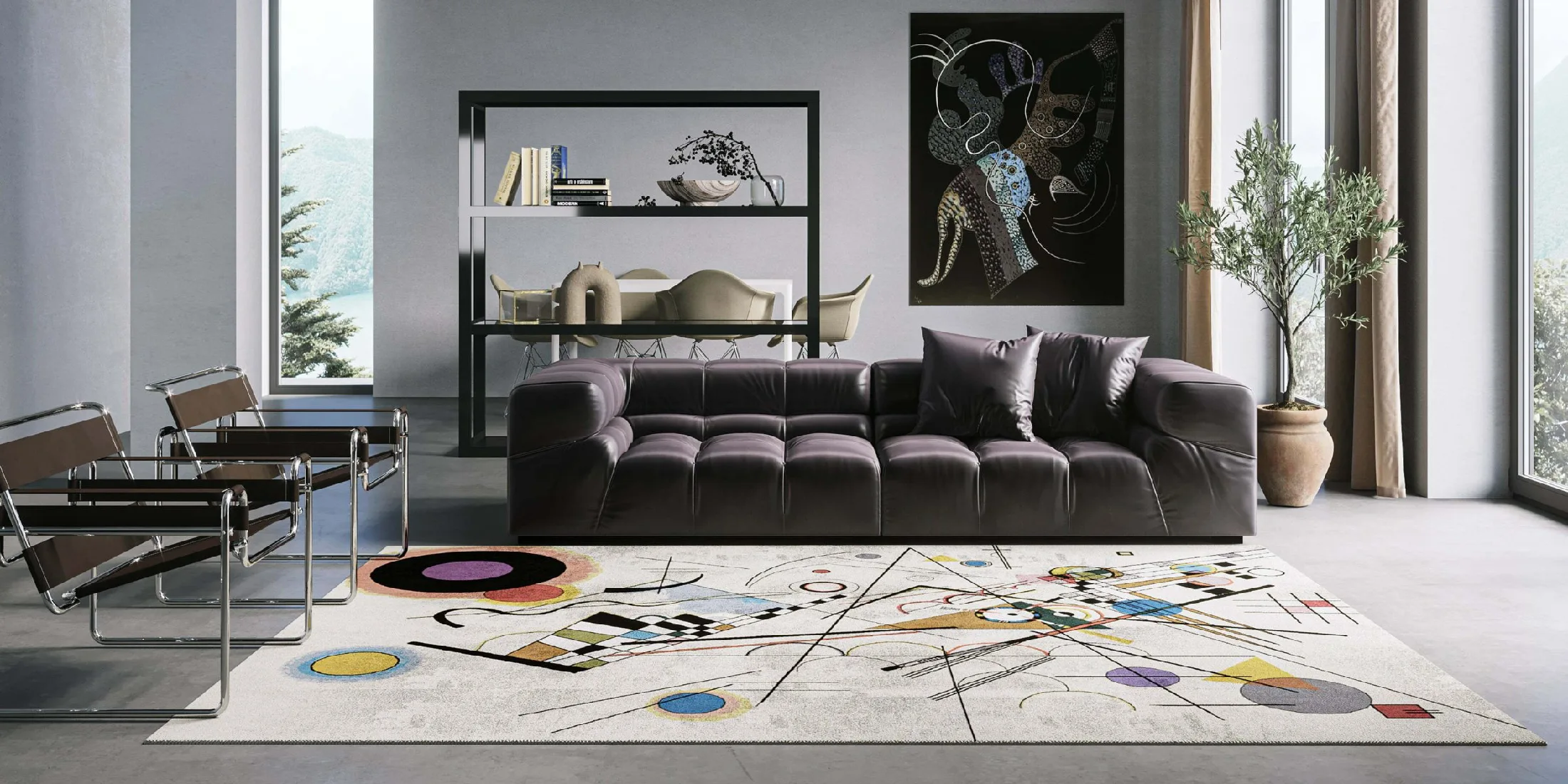
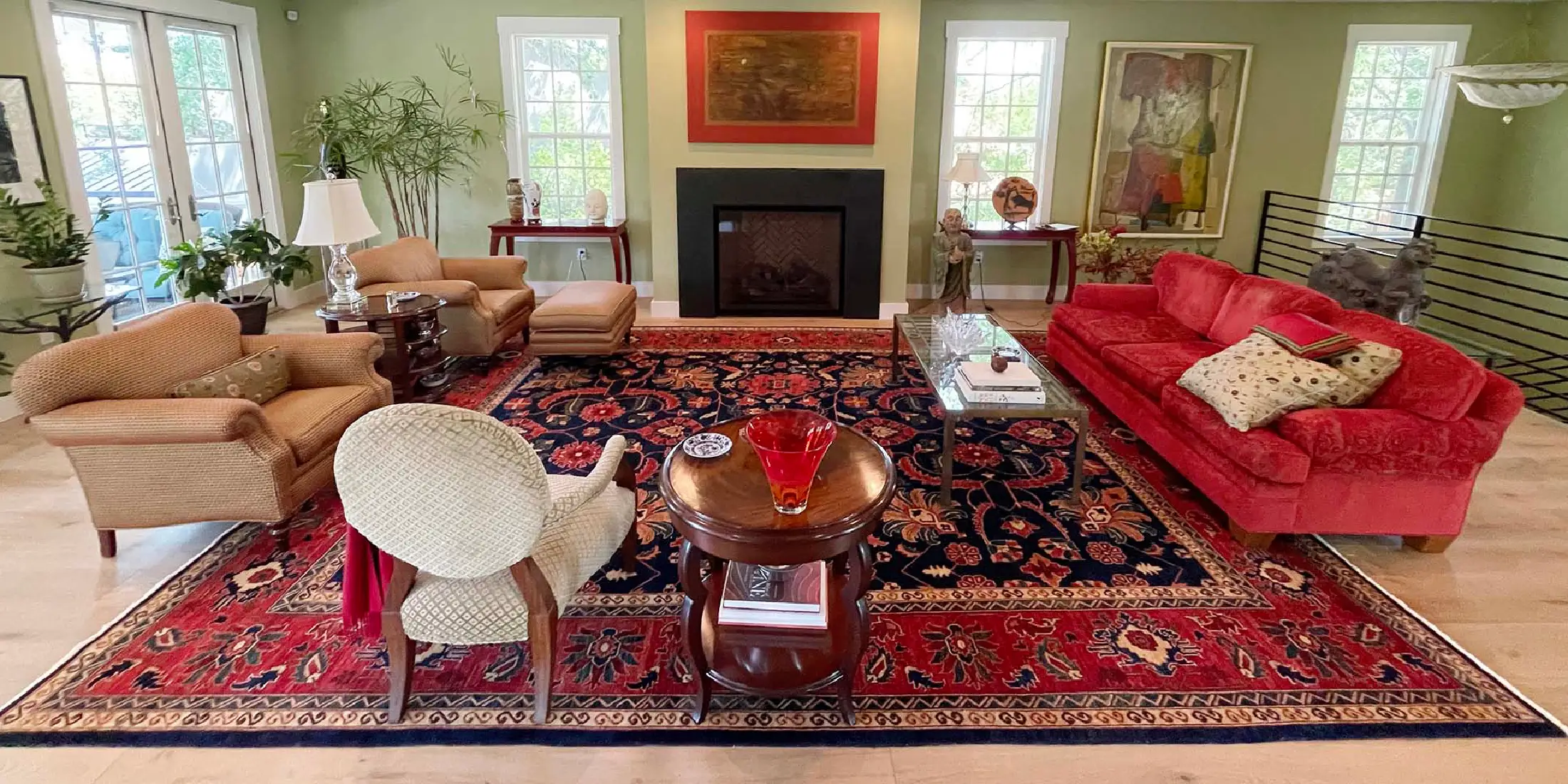
In many luxury projects, a handmade rug serves as the focal point of a room. Bold patterns, rich colors, and large-scale designs can anchor furniture arrangements and guide the overall aesthetic.
Subtle Foundations
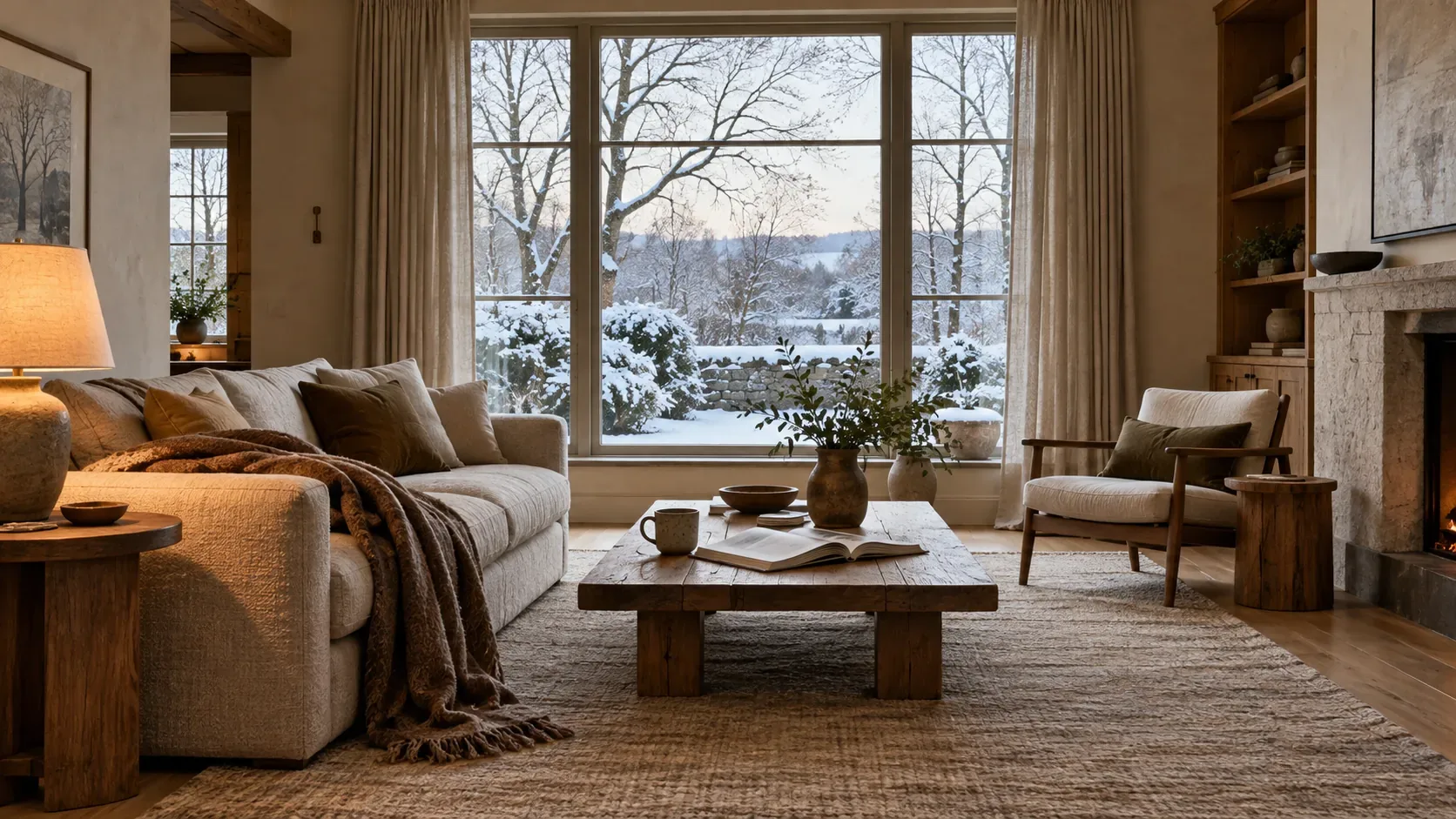
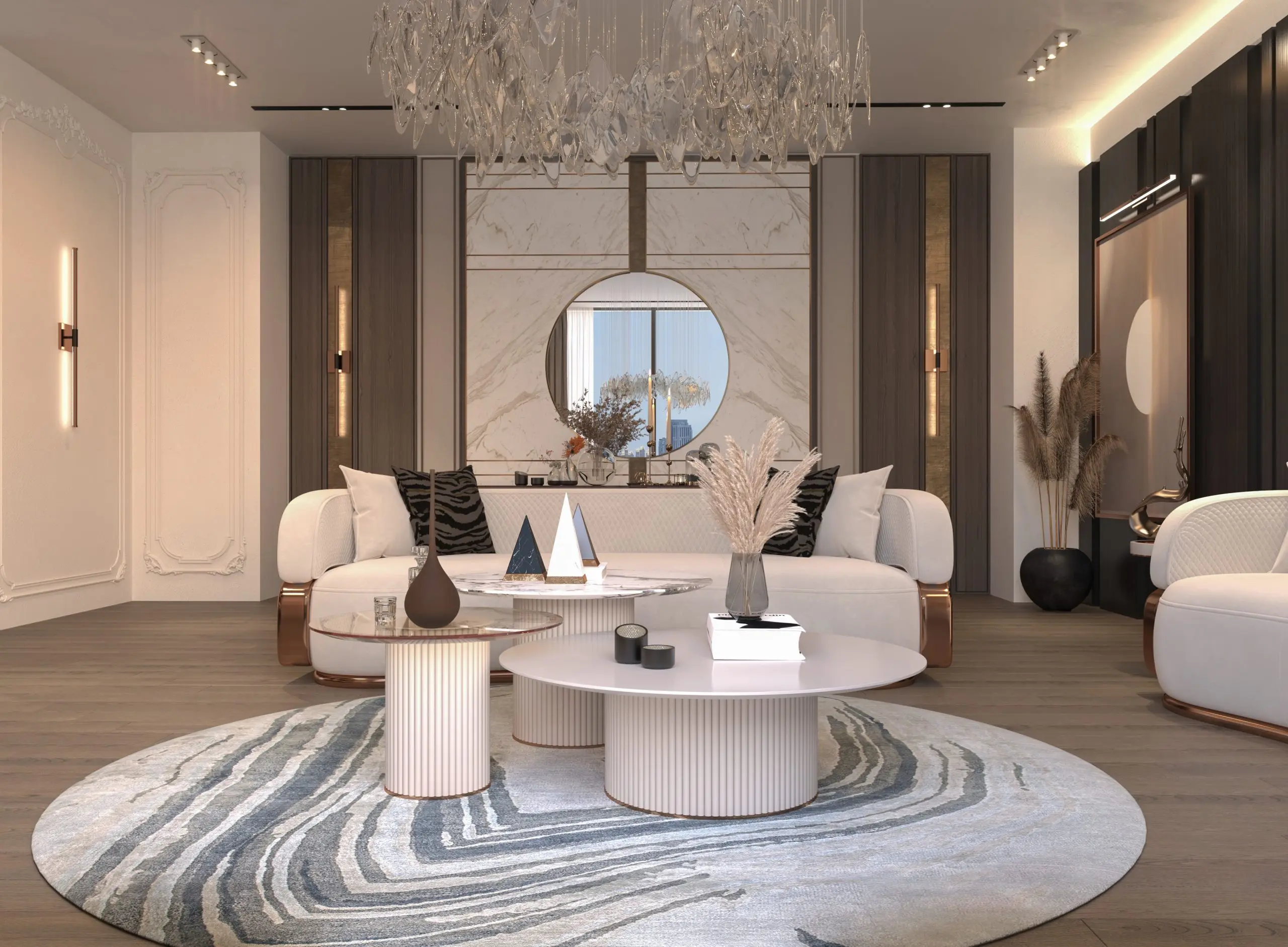
Alternatively, designers may choose neutral or monochromatic rugs to create a calm, cohesive backdrop. These pieces allow other elements—such as furniture or art—to take center stage while still adding texture and warmth.
Layering Techniques
Layering rugs has become increasingly popular in contemporary interiors. Combining different textures and patterns adds depth and visual interest, especially in large or open-plan spaces.
Cultural and Artistic Significance
Handmade rugs often carry deep cultural narratives. Regions such as Persia, Turkey, India, and Morocco have long traditions of rug weaving, each with distinct motifs, techniques, and color palettes.
For luxury interiors, this cultural dimension adds meaning and storytelling. A carefully selected rug can introduce heritage and authenticity into a space, creating a connection between global craftsmanship and modern design.
Designers frequently use these elements to enrich projects, particularly in hospitality and residential spaces where storytelling plays a central role.
Durability and Long-Term Value
Durability remains one of the strongest arguments for incorporating Handmade Rugs into luxury interiors. High-quality rugs can last for decades—and often generations—when properly maintained.
The density of hand-knotting contributes to their strength, allowing them to withstand heavy foot traffic without losing structure. This makes them suitable for both residential and commercial environments, including hotels, galleries, and high-end retail spaces.
From a value perspective, handmade rugs often retain or even increase their worth over time. Their longevity and craftsmanship position them as both functional design elements and collectible assets.