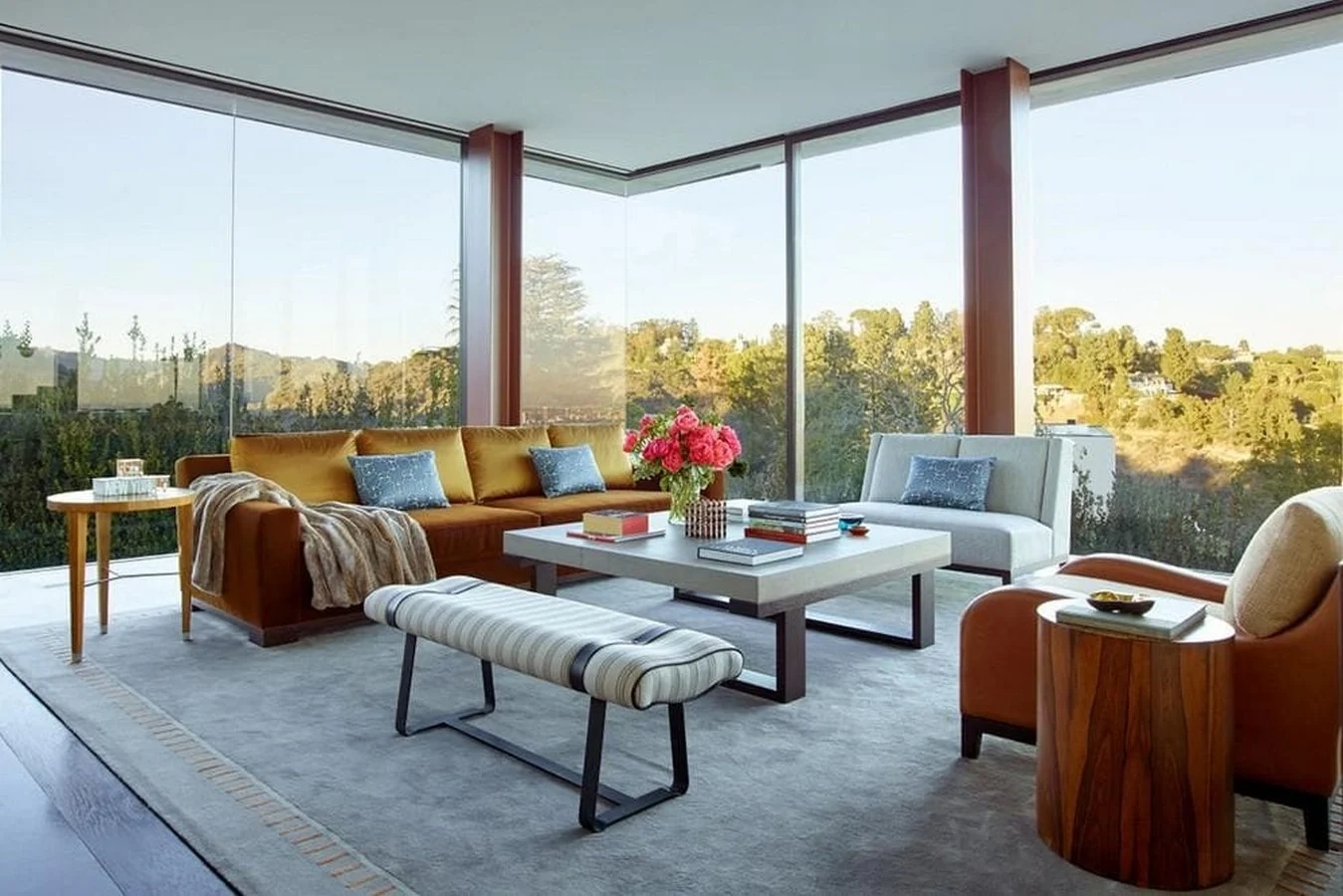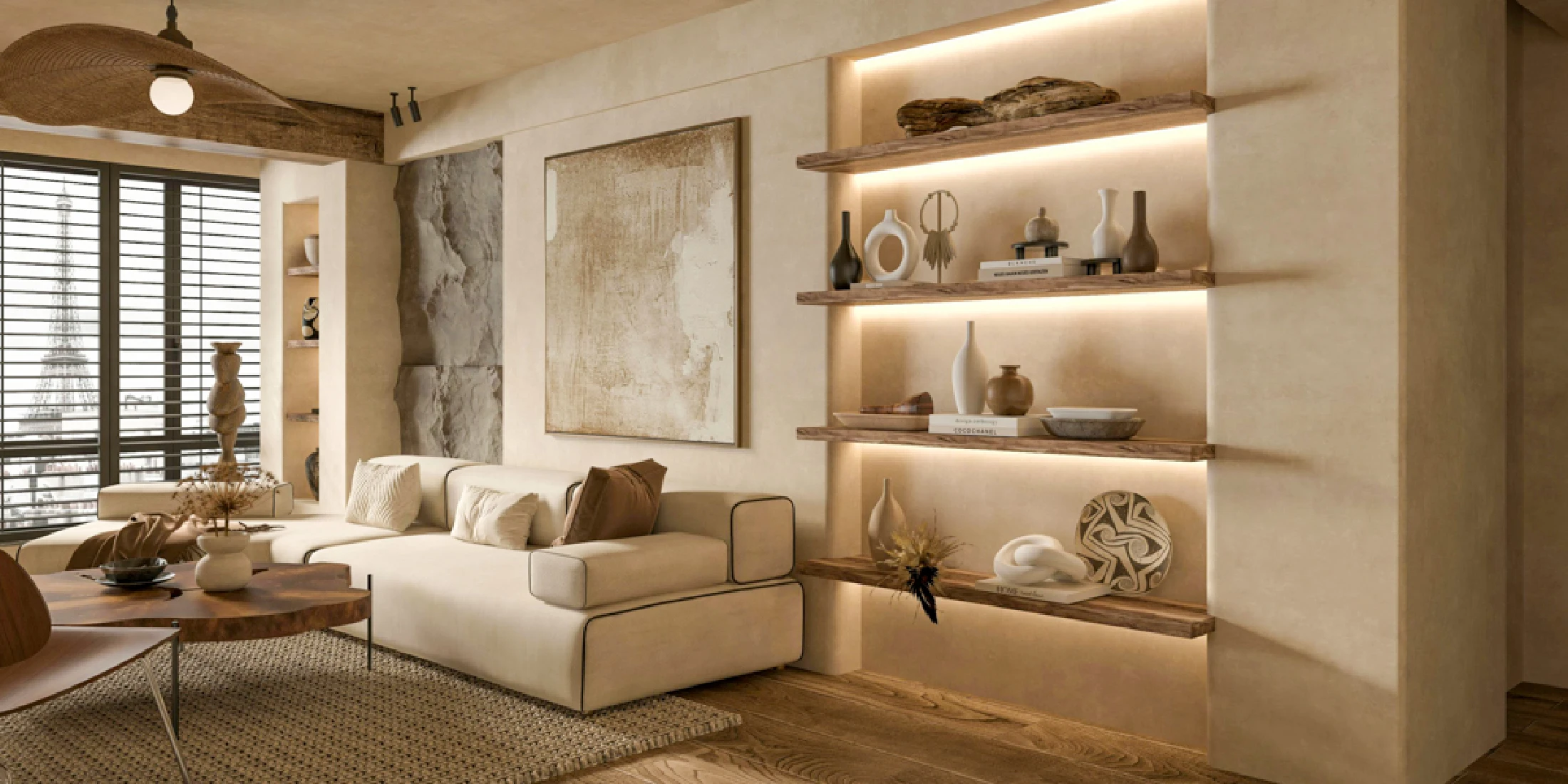
Luxury interiors no longer rely solely on visual impact. Today’s most compelling spaces invite touch, evoke emotion, and create a multi-sensory experience that goes beyond aesthetics. Tactile Design has emerged as a defining direction in high-end interiors, shaping how designers, architects, and furniture brands approach materials, finishes, and spatial composition.
As clients demand deeper engagement with their environments, tactile richness has become essential. Texture, temperature, weight, and craftsmanship now play a central role in how luxury spaces communicate value and authenticity.
The Shift from Visual to Sensory Luxury
For decades, luxury interiors emphasized visual perfection. Polished surfaces, symmetrical layouts, and pristine finishes dominated high-end design. While these elements still matter, they no longer define exclusivity on their own.
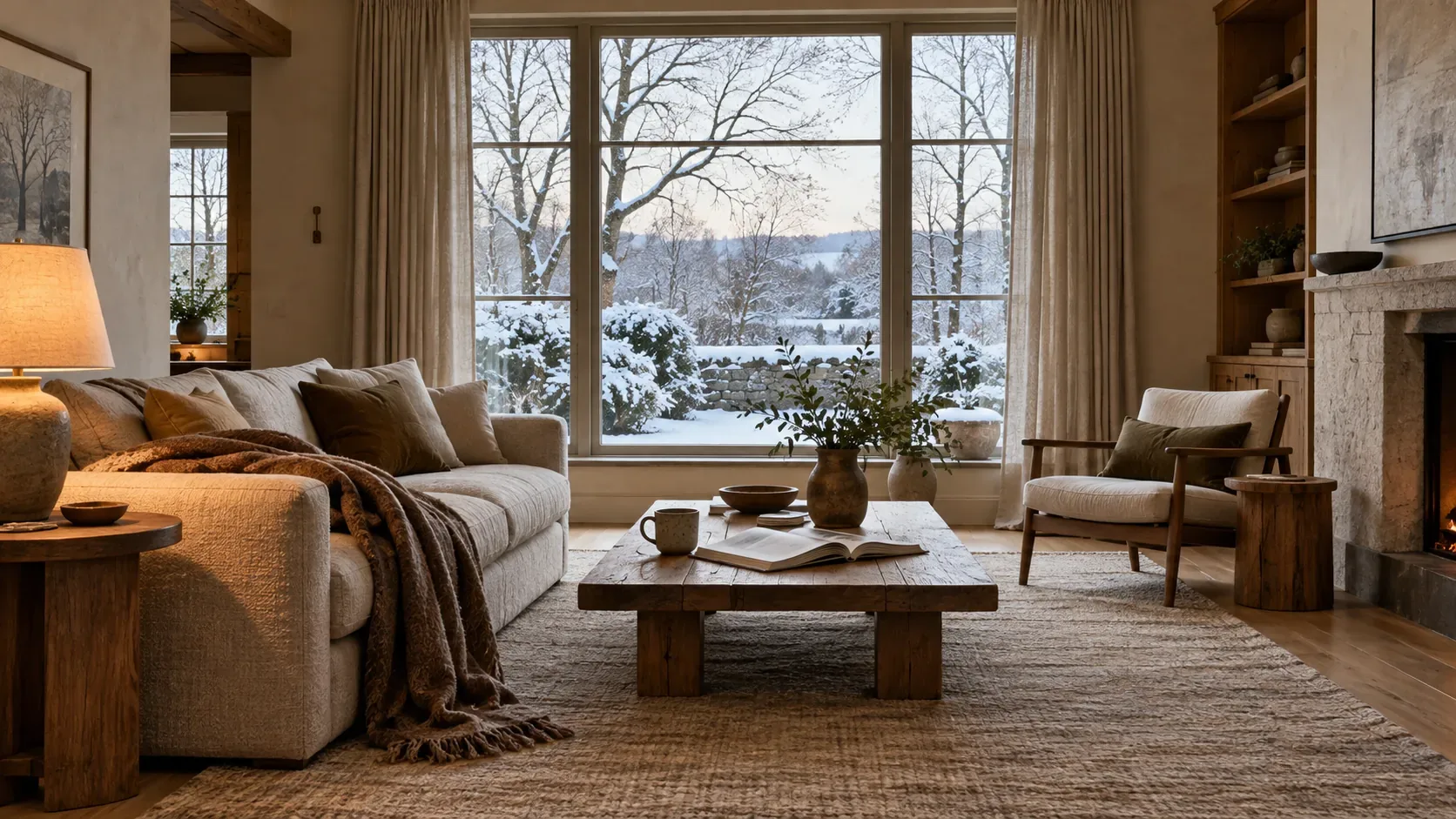
Tactile Design shifts the focus toward how a space feels. A hand brushing against raw linen, the cool density of stone underfoot, or the subtle grain of handcrafted wood introduces a sensory layer that visual design cannot replicate. These physical interactions create a stronger emotional connection between the user and the environment.
This shift aligns with broader cultural changes. Clients now seek spaces that feel personal, grounded, and authentic rather than overly staged. Texture becomes a language that communicates comfort, craftsmanship, and permanence.
Materiality as the Core of Tactile Design
At the heart of Tactile Design lies a deliberate approach to materials. Designers no longer select finishes based only on appearance. They consider how materials respond to touch, age over time, and interact with light.
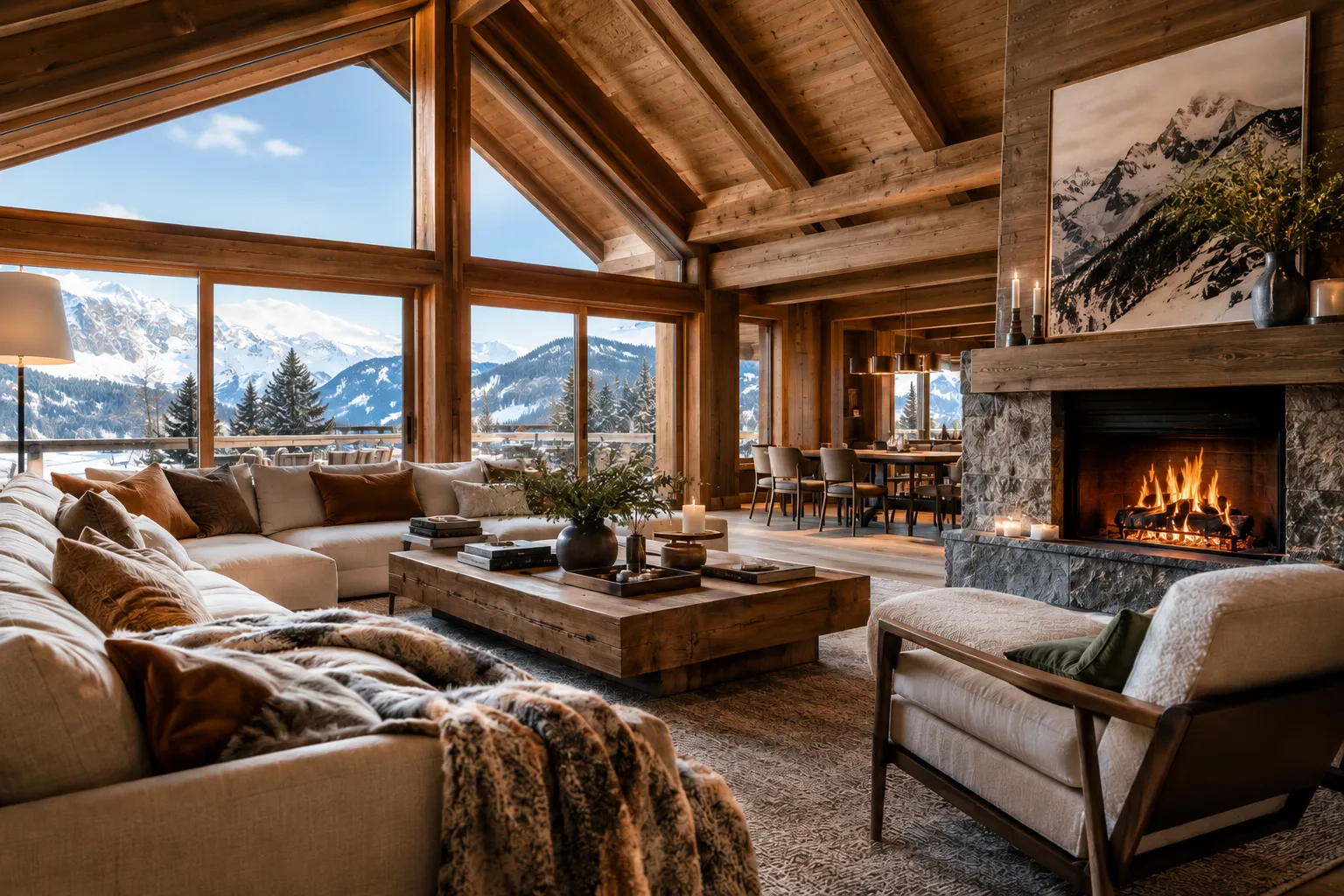
Natural materials lead this movement. Stone, wood, clay, wool, and leather offer inherent texture and variation. These materials carry subtle imperfections that enhance their tactile appeal. A marble surface with visible veining or a hand-troweled plaster wall introduces depth that machine-perfect finishes often lack.
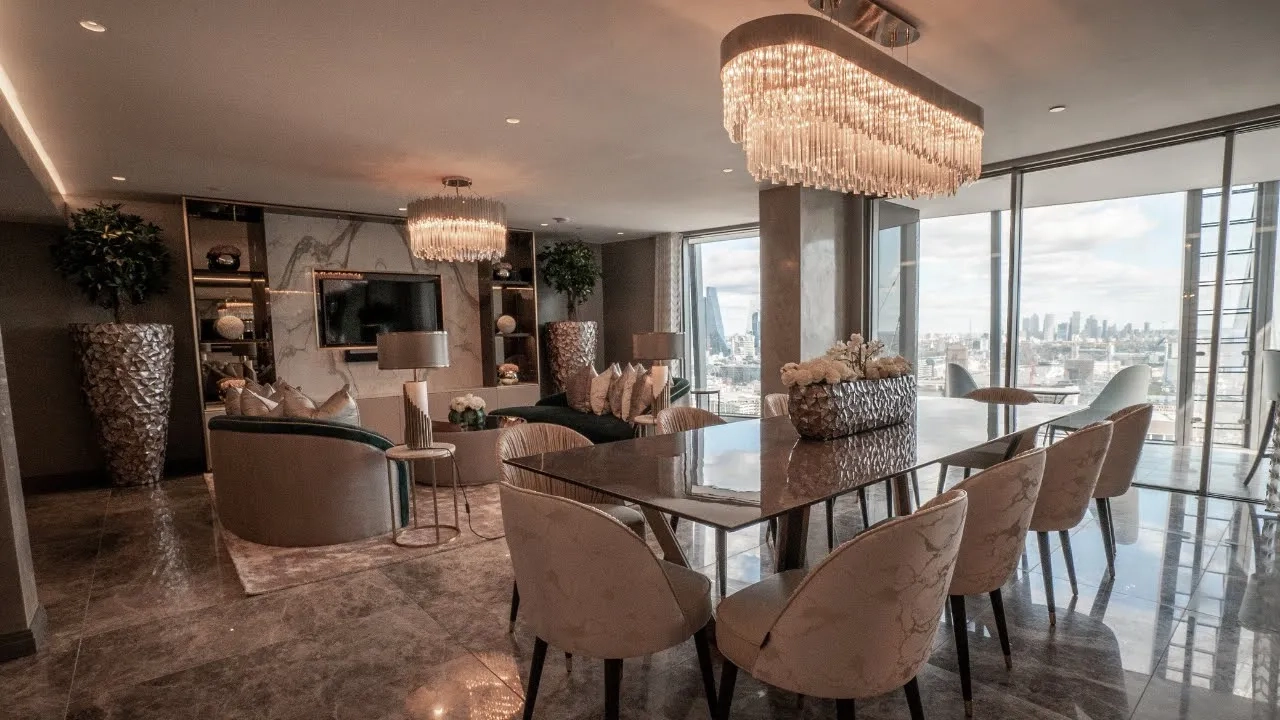
Furniture brands have also embraced this philosophy. Upholstery now prioritizes texture as much as color. Bouclé, brushed cotton, and soft wool blends create surfaces that invite physical interaction. Hard materials such as metal and glass receive treatments that soften their presence, such as brushed finishes or etched surfaces.
This focus on materiality allows luxury interiors to feel layered and dynamic without relying on excessive ornamentation.
Craftsmanship and the Human Touch
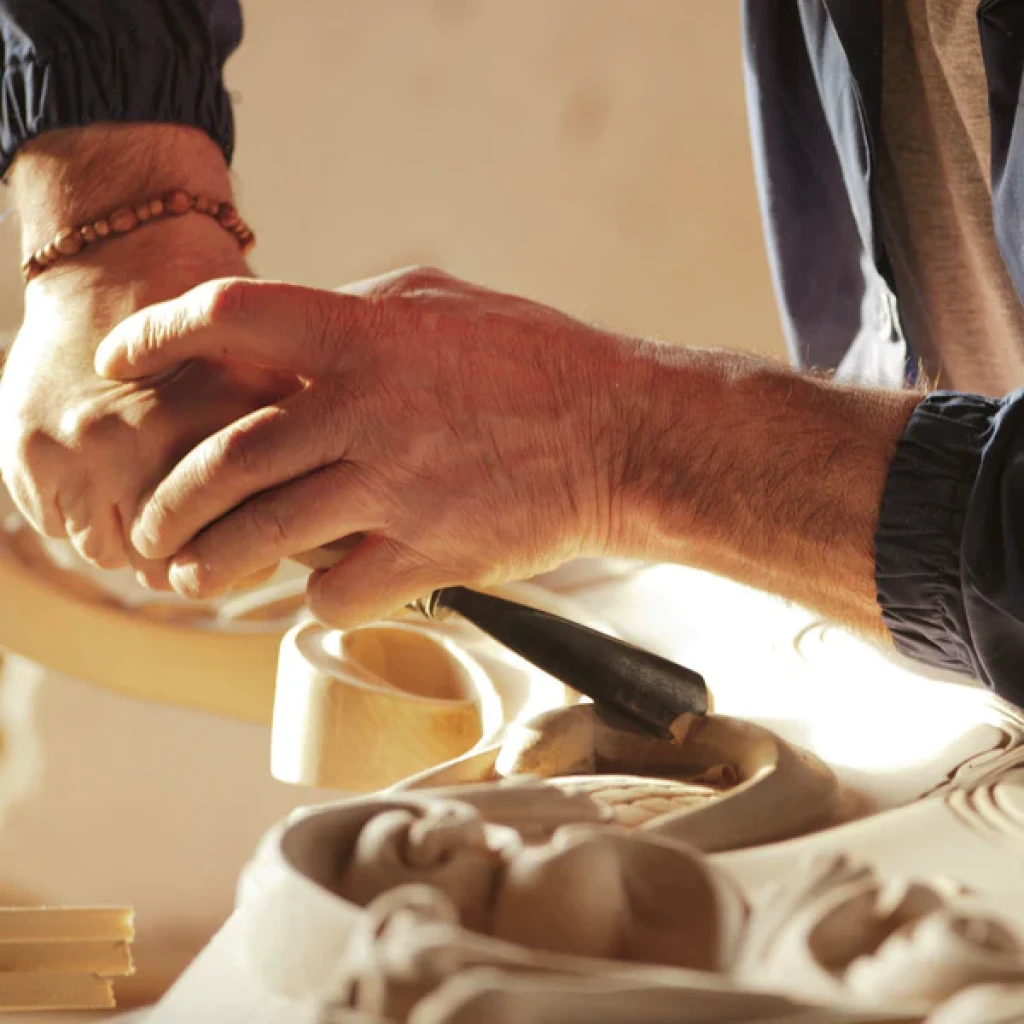
Tactile Design places craftsmanship at the forefront of luxury. Handcrafted elements carry subtle irregularities that machine production cannot replicate. These nuances enhance both visual and physical engagement.
Artisan techniques such as hand carving, weaving, and metalworking introduce textures that feel alive. A handwoven rug offers variation in density and pattern. A carved wooden table reveals the maker’s process through its surface.
Clients increasingly value this connection to the human hand. It reflects time, effort, and expertise, all of which contribute to a sense of exclusivity. In luxury interiors, craftsmanship transforms objects into experiences.
Architects and design studios integrate this approach at every scale. Custom millwork, bespoke furniture, and site-specific installations ensure that tactile quality remains consistent throughout a space.
Layering Texture for Spatial Depth
Tactile Design thrives on contrast and layering. Smooth surfaces gain impact when paired with rough textures. Soft materials become more inviting when placed alongside structured elements.
In a luxury living space, a polished stone floor might sit beneath a thick wool rug. A sleek metal fixture could contrast with a textured plaster wall. These combinations create visual and physical rhythm.
Layering also influences how spaces feel over time. As users move through a room, they encounter different textures that guide their experience. This progression adds depth without relying on bold colors or complex forms.
Lighting plays a crucial role in this process. Soft, directional lighting enhances surface textures, casting shadows that highlight material variation. This interaction between light and texture adds another dimension to tactile interiors.
Emotional Engagement Through Touch
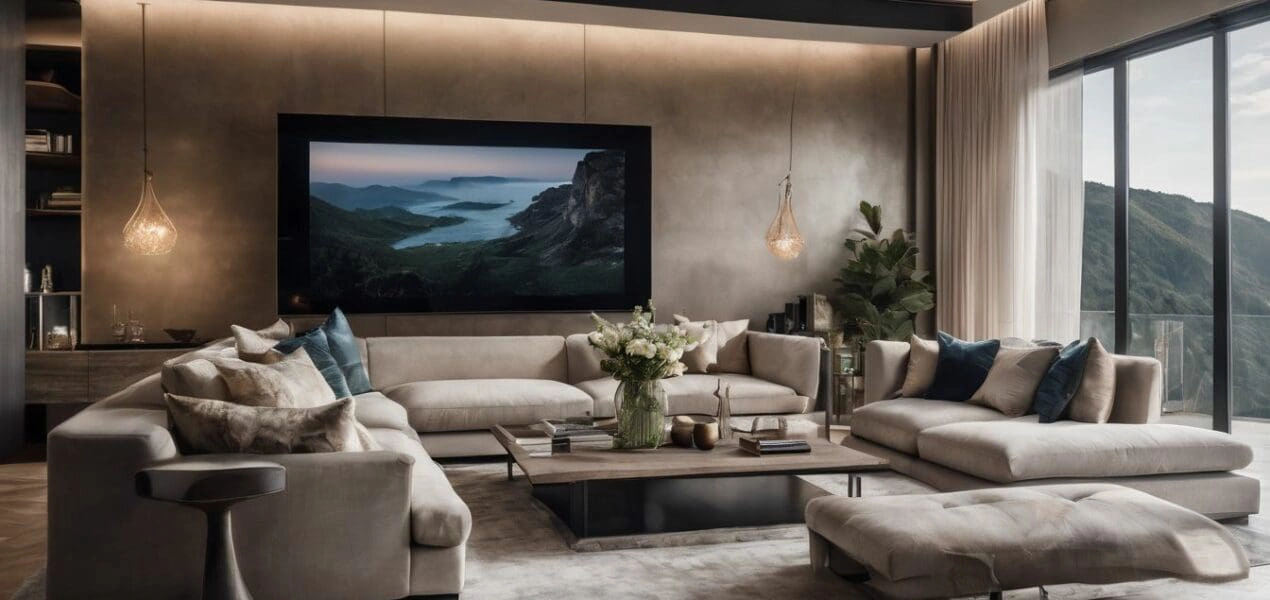
Tactile Design strengthens emotional engagement by making interiors more intuitive and human-centered. Touch remains one of the most immediate ways people connect with their surroundings.
A well-designed tactile environment can evoke comfort, calm, or even curiosity. Soft textiles encourage relaxation. Cool stone surfaces create a sense of stability. Textured walls add warmth and intimacy.
Luxury clients often prioritize how a space makes them feel rather than how it appears in photographs. Tactile Design responds to this shift by creating environments that support well-being and sensory satisfaction.
This approach also enhances hospitality and residential projects. Guests and residents form stronger memories when they physically interact with a space. Texture becomes part of the narrative, shaping how people experience interiors on a daily basis.