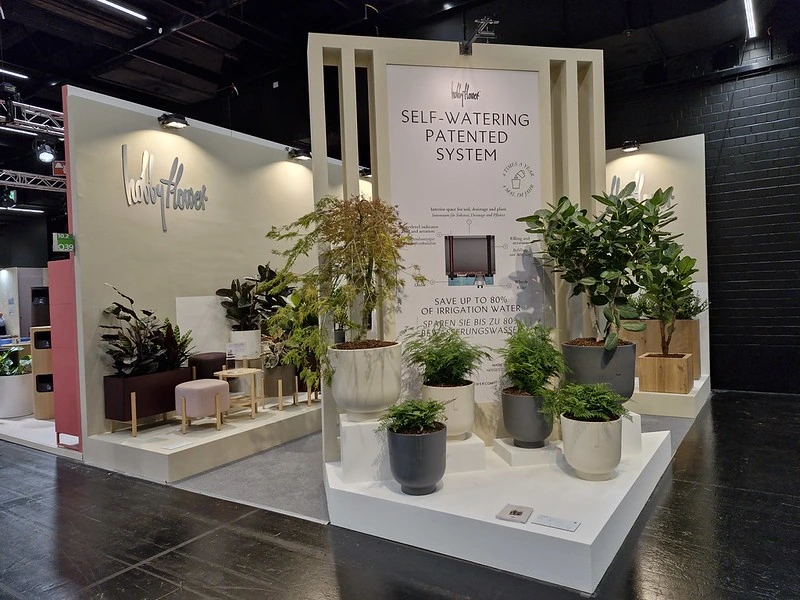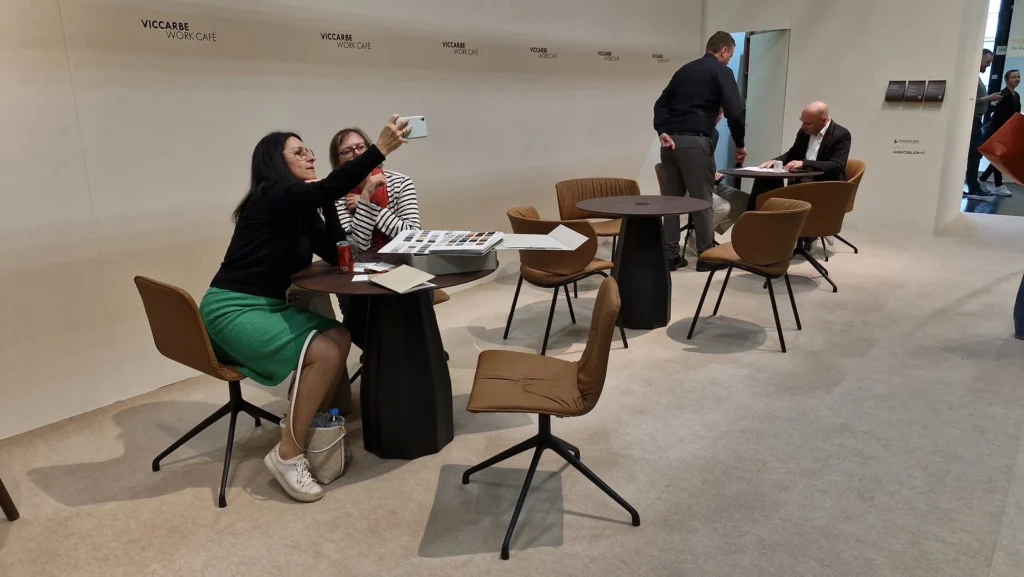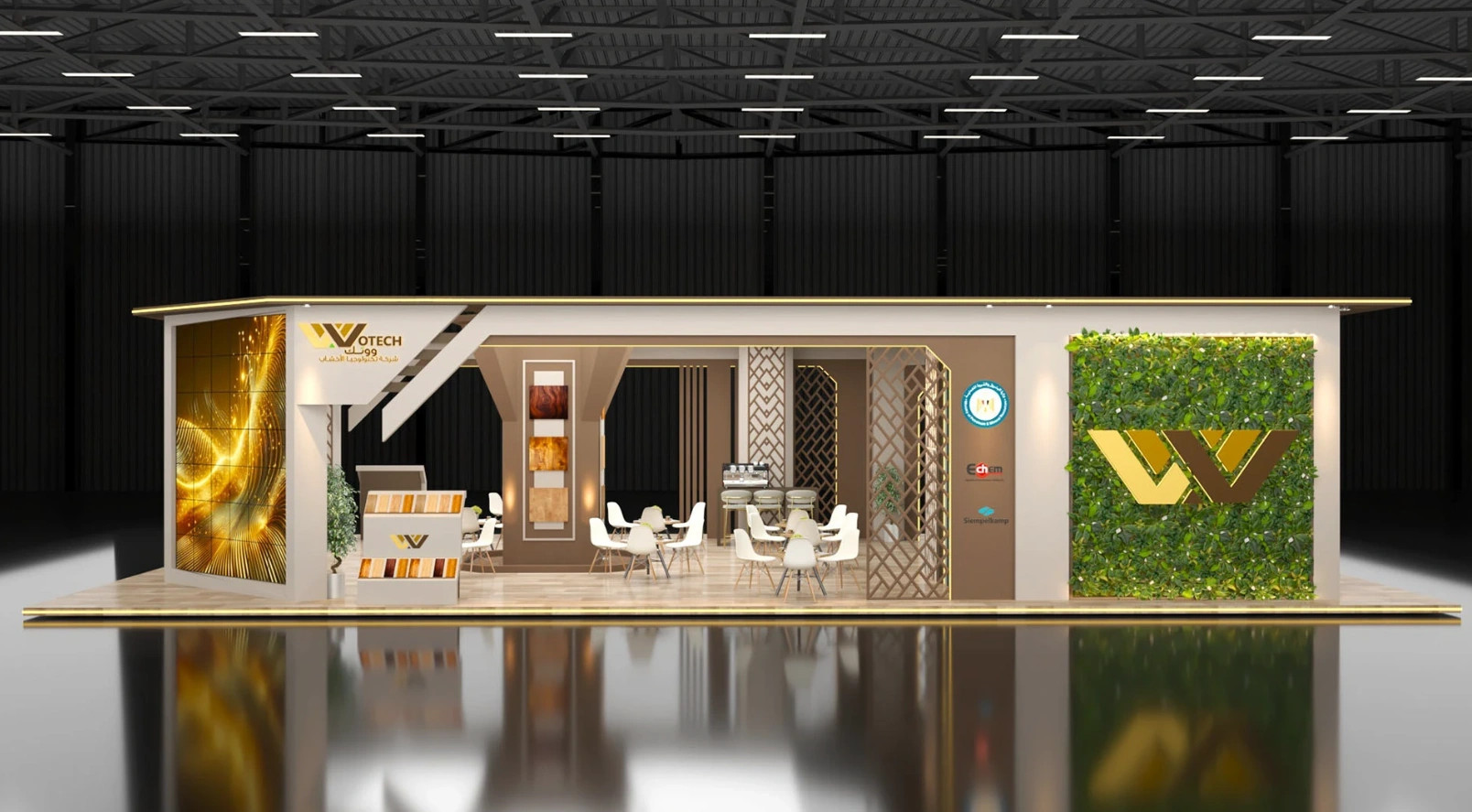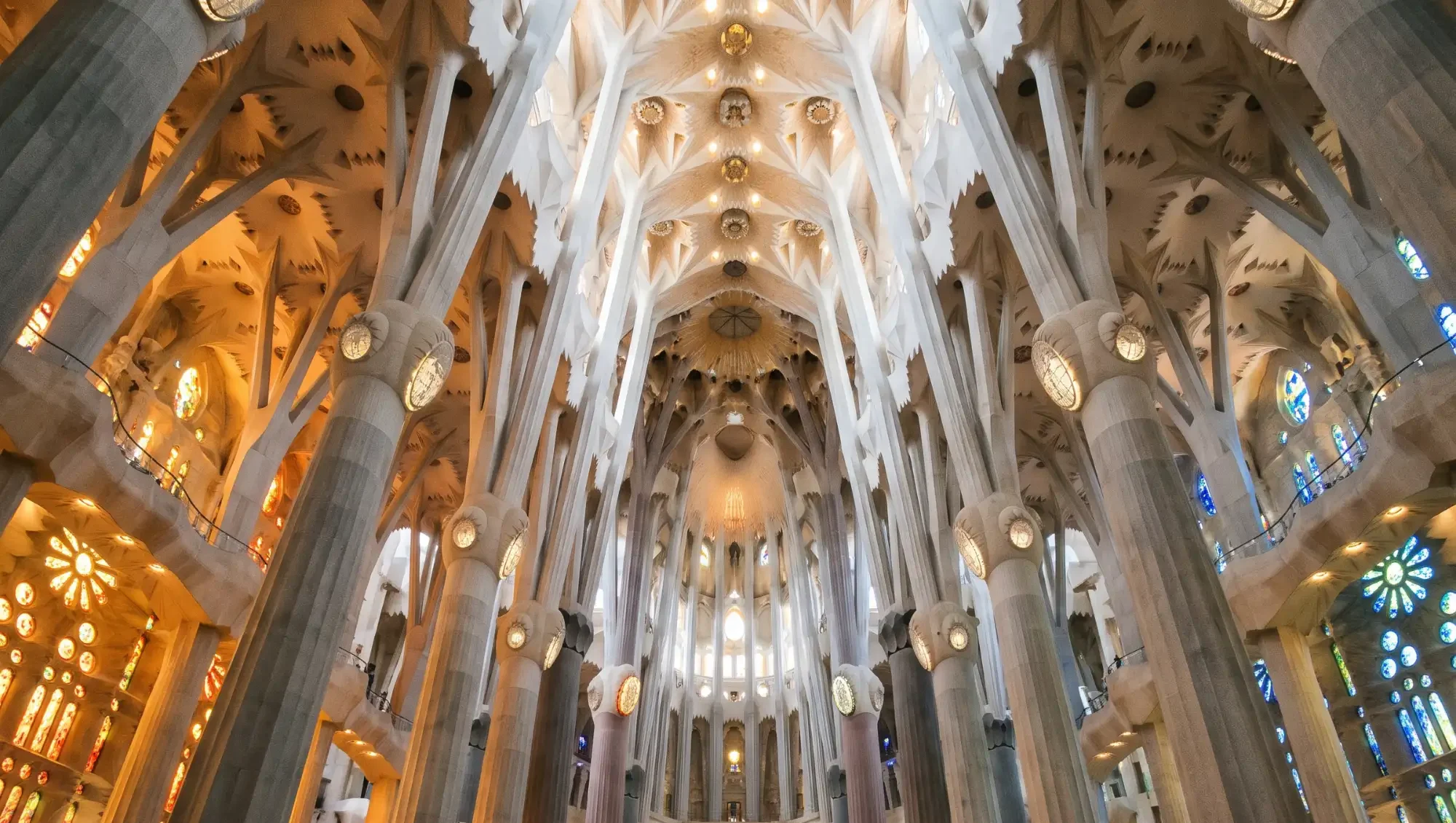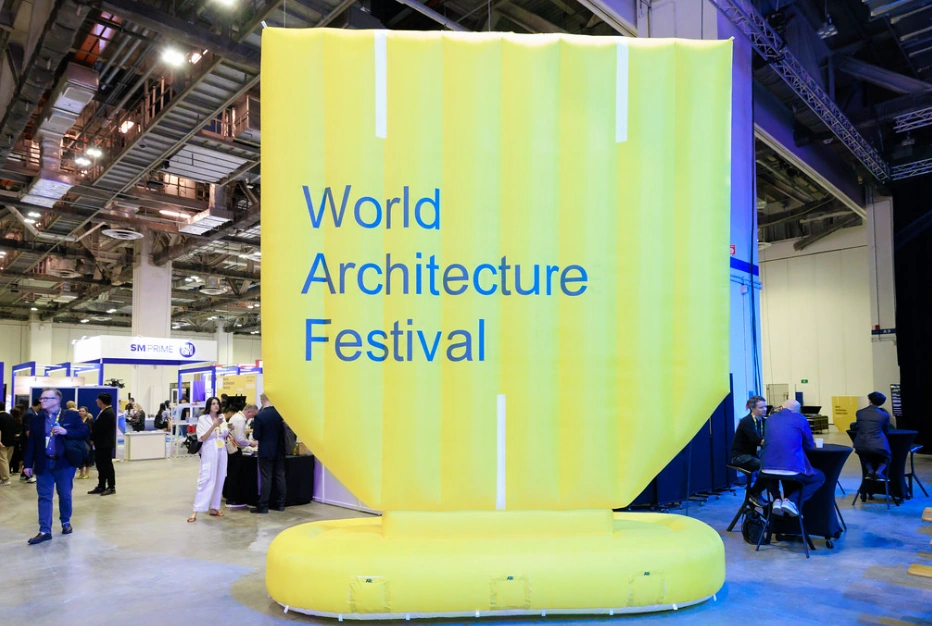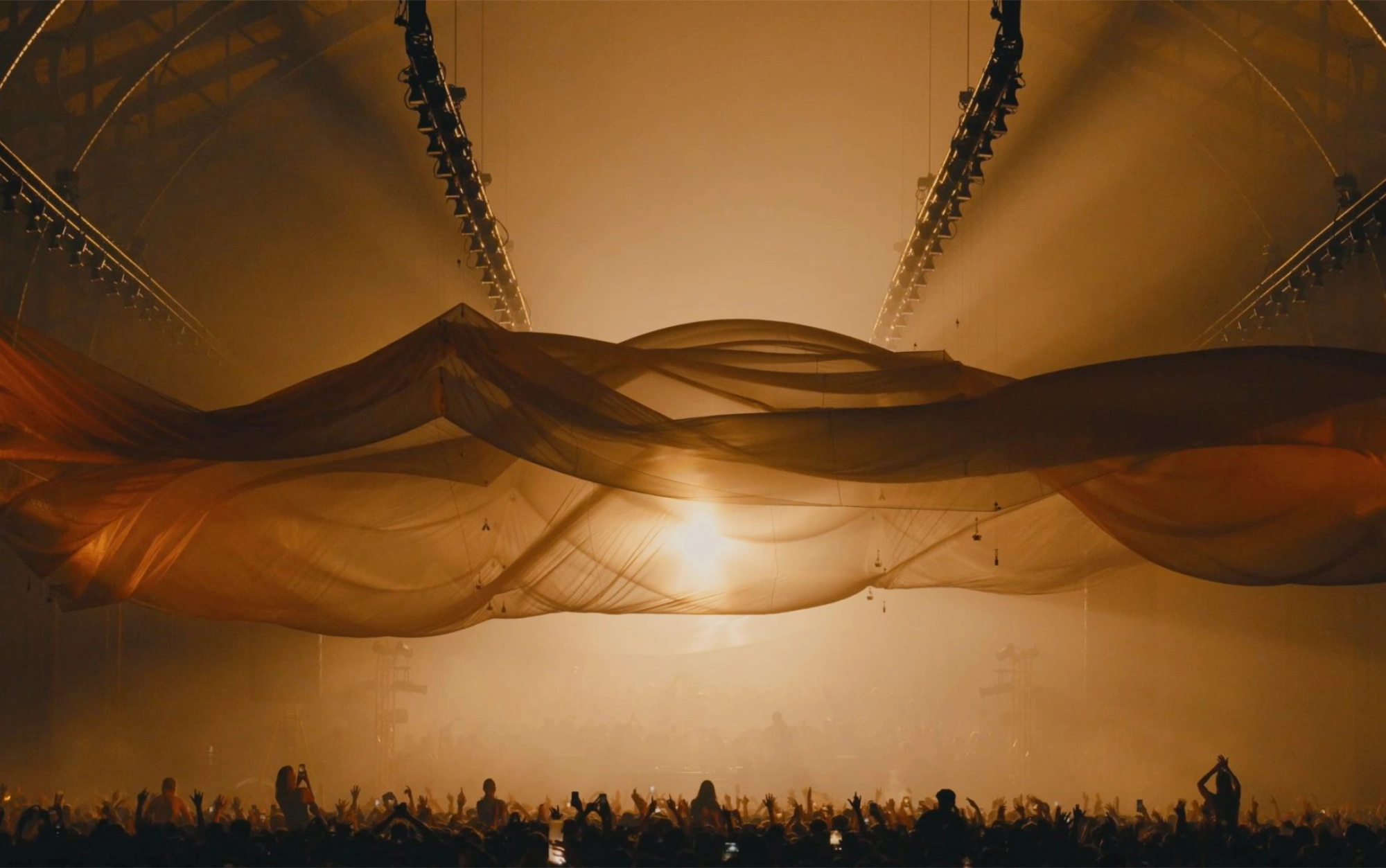
What makes a workplace worth returning to? A generous table, comfortable seating, and good lighting help, but the deeper answer concerns how a space supports people. ORGATEC 2026 brings that question to Cologne, connecting furniture, architecture, technology, and workplace culture. For architects, interior designers, and real estate professionals, it offers a setting to examine how thoughtful interiors can improve everyday experience. Before adding it to an annual event calendar, however, note one important distinction: ORGATEC Cologne takes place every two years. Its biennial rhythm gives these conversations a particular weight among international trade fairs.
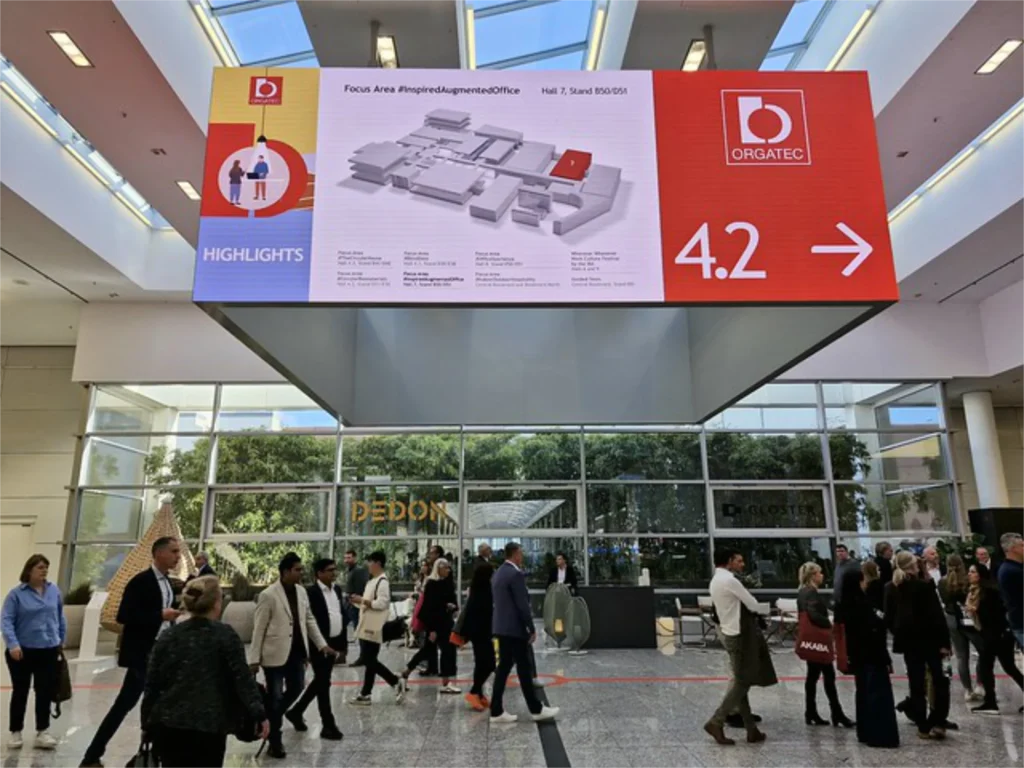
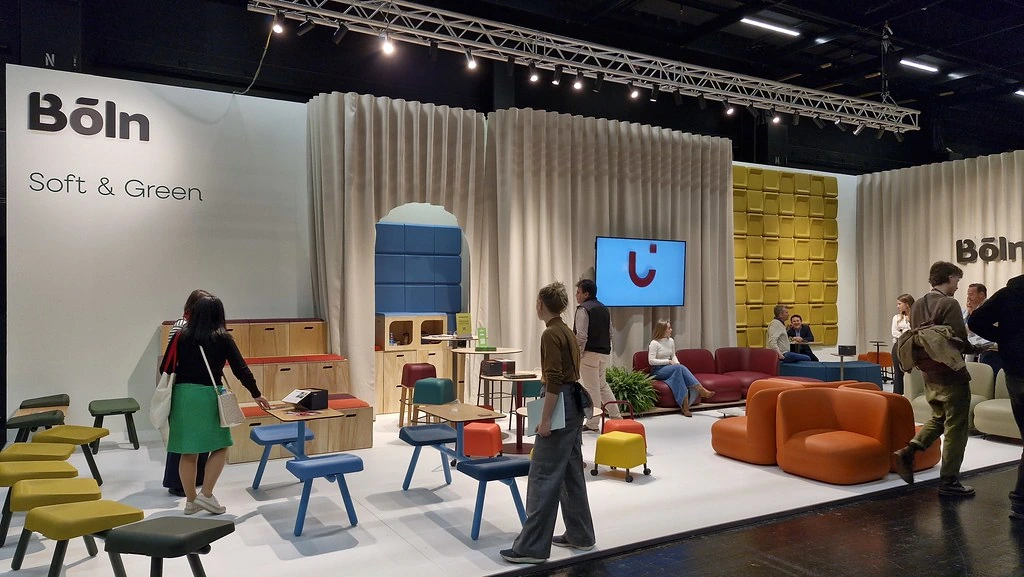
Image source: Mueble de España / Flickr.
ORGATEC Details
ORGATEC is an international trade fair for workspace and contract solutions. Its relevance reaches beyond the conventional office, inviting professionals to consider how commercial interiors support concentration, conversation, hospitality, and shared use.
The following details reflect official information checked on October 19, 2026. Consult the organizer’s website again before traveling, particularly for individual sessions and operational updates.
- Tradeshow: ORGATEC.
- Edition: 2026 edition.
- Dates: Tuesday, October 27, through Friday, October 30, 2026.
- Location: Koelnmesse exhibition grounds, Cologne, Germany.
- Visitor opening hours: 9:00 a.m. to 6:00 p.m. daily, local time.
- Exhibitor access hours: 8:00 a.m. to 7:00 p.m. daily.
- Organizer: Koelnmesse GmbH.
- Frequency: Biennial, rather than an annual event.
- Next confirmed edition: October 27–30, 2026. A 2028 edition would follow the established cycle, but exact subsequent Cologne dates were not confirmed in the official information reviewed.
- Official website: www.orgatec.com.
The organizer’s dates and opening hours page provides the reference for access times.
A Theme That Places People at the Center
The 2026 guiding theme, “From rooms to relationships,” directs attention toward the connections that interiors can support. It invites a more useful discussion than simply asking whether an office looks contemporary. How does the plan encourage exchange? Where can someone withdraw from noise? What makes a shared space welcoming to different users?
For The Handcrafted Living, these questions connect workplace design with the wider art of living well. Material quality matters, yet its value emerges through use. A beautifully upholstered chair should support the body. A carefully proportioned lounge should accommodate conversation. Lighting should create atmosphere while helping people see comfortably.
Among design trade fairs, ORGATEC offers an opportunity to investigate these relationships at several scales, from an individual component to an entire interior strategy.
Workspace and Contract Design in Conversation
The organizer divides the 2026 exhibition into Workspace Solutions and Contract Solutions. Workspace Solutions occupies Halls 5.2, 6, 7, and 8; Contract Solutions occupies Hall 10.2. The latter includes furnishing approaches for hospitality, reception areas, public buildings, and outdoor settings. Confirmed names highlighted by the organizer include Humanscale, Kinnarps, and Thonet within Workspace Solutions, alongside Kettal, Muuto, and Cane-line within Contract Solutions
This combination deserves attention from professionals who work across residential, hospitality, and commercial projects. A hotel lounge may accommodate both an informal meeting and an evening drink. A residential development may include shared workrooms. Meanwhile, a private study may require the technical performance of an office without losing its domestic character.
Visitors can use the official exhibitor directory to build a focused shortlist. Select suppliers according to a project’s actual demands, then use the exhibition to compare construction, finishes, comfort, and service.
Previous Edition Context: What 2024 Established
According to the official 2024 review, the previous edition brought together 729 exhibitors from 40 countries and approximately 50,000 trade visitors from 126 countries. It covered 140,000 square meters and introduced a revised hall concept with thematic Focus Areas. These figures describe 2024, not projected attendance for 2026.
The editorial lesson is straightforward: prepare for breadth. International trade fairs reward visitors who know what they want to investigate while leaving enough time for unexpected discoveries.
The most useful discovery may be a better question: how will this space, material, or object continue to serve people after the first impression fades?
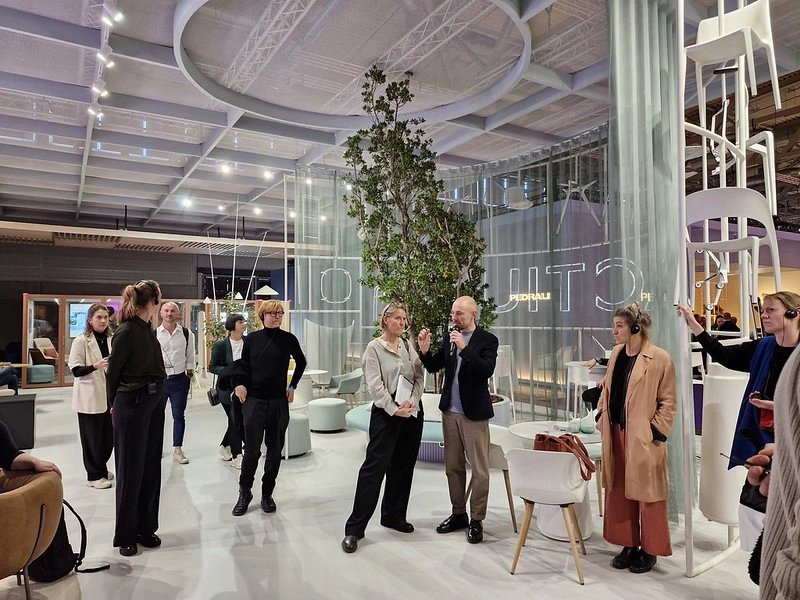
Image source: Mueble de España / Flickr.
Meet the Speakers
The published ORGATEC speaker lineup connects architecture, industrial design, workplace strategy, and technical expertise. The following selection focuses on voices particularly relevant to designers and property professionals. It is not the complete roster; the official speaker overview provides further names and updates.
Carlo Ratti, Carlo Ratti Associati
Carlo Ratti, founder of Carlo Ratti Associati and director of the MIT Senseable City Lab, brings architecture into dialogue with research on cities and human interaction. His official biography also identifies him as curator of the 2025 Venice Architecture Biennale.
For visitors, his contribution creates a bridge between spatial planning and social experience. An architect can draw a generous circulation route, but its usefulness depends on what happens along it. Seating, thresholds, visibility, and shared destinations all deserve consideration when assessing how people might encounter one another.
Stefan Diez, DIEZ OFFICE
Stefan Diez, founder of DIEZ OFFICE, combines a background in cabinetmaking with industrial design. His ORGATEC profile emphasizes materials, technical precision, and circular design, including his framework of ten circular design guidelines. The published selection lists him for Wednesday, October 28.
His presence offers a useful perspective for anyone assessing furniture beyond appearance. Consider how a product comes apart, which elements wear first, and whether an owner can replace those parts. Such questions connect design quality with maintenance, adaptability, and the possibility of a longer useful life.
Dr. Guzmán de Yarza Blache, JLL
Dr. Guzmán de Yarza Blache, Global Design Strategy Lead at JLL, brings an architectural perspective to workplace change. His official profile describes work on corporate workplace strategies and an inclusive design framework addressing accessibility, mental health, and neurodiversity. The selected speaker schedule lists him for Thursday, October 29.
For real estate professionals, this perspective encourages a broader project brief. Beyond the number of desks or meeting rooms, ask which activities a building should accommodate, and which users might struggle with the proposed environment. A varied interior can offer choice, provided its layout remains clear and easy to navigate.
Kai Uwe Schlegel and Alina Selbach, TÜV Rheinland
Kai Uwe Schlegel, Global Head of Technical Expertise in Furniture, and Alina Selbach, Head of Furniture Business, represent TÜV Rheinland. The organizer lists both among Tuesday’s selected speakers. Schlegel’s profile describes extensive experience in furniture testing, certification, and sustainability work.
Their inclusion highlights a practical responsibility of specification: attractive products still need appropriate evidence. At trade fairs, ask suppliers to explain the scope of their documentation and identify the exact product configuration it covers. A general brand statement cannot answer every question about a particular material, finish, or application.
How to Listen With a Project in Mind
Prepare one question before each talk. It might concern repair, inclusive planning, shared amenities, or the relationship between digital tools and physical space. Then record one idea worth testing against a real brief. This simple habit helps turn an inspiring presentation into a useful professional resource.
ORGATEC Talks and Program
The Wherever Whenever Work Culture Festival, presented with the Interior Business Association, returns to ORGATEC with talks, panels, workshops, and interactive formats. Its three announced themes are Empowered Experience, Connected Cultures, and Radical Impact. Together, they address workplace experience, collaboration, sustainability, innovation, and artificial intelligence.
The following highlights combine confirmed program information with editorial questions to guide a visit. These questions represent suggested ways to engage with the material, rather than claims about what each speaker will conclude.
Carlo Ratti on Proximity and Innovation
Carlo Ratti of Carlo Ratti Associati will present “The Return of Proximity: Why Innovation Still Needs Place” on October 27, from noon to 12:45 p.m. The official listing places the English-language session on the Board Stage, Hall 6.1, Stand C071. Its description examines how architecture can encourage encounters, collaboration, and shared creativity.
For designers, the practical question concerns the quality of proximity. Placing people close together does not automatically create meaningful exchange. A successful plan also needs acoustic boundaries, comfortable meeting points, and routes that allow informal contact without repeatedly interrupting focused work.
Use this session as a starting point for evaluating communal areas elsewhere at ORGATEC. Does a setting support a brief conversation? Can someone join naturally? Is there an equally convincing place to retreat?
TÜV Rheinland on Furniture Documentation and AI
The published October 27 program includes a session on furniture passports, international movement, and AI featuring Kai Uwe Schlegel and Alina Selbach of TÜV Rheinland. It runs from 11:15 a.m. to noon in the Academy, Hall 6.1, Stand C054 E055. The program identifies German as the session language.
This subject matters when a project team sources furniture across borders or assembles a detailed procurement package. Visitors should use the discussion to refine their questions about product information, traceability, and supporting evidence. Any project specific compliance decision still requires documentation appropriate to its location and intended use.
Three Themes for a More Focused Visit
Empowered Experience: Examine Everyday Comfort
Approach this theme through ordinary activities. Someone needs to read, speak privately, concentrate, or move between tasks. Assess whether a proposed setting makes those activities comfortable and straightforward.
At trade fairs, a striking installation can attract attention before its practical details become clear. Sit in the chair. Examine the edge of the table. Notice glare, reach, and the position of controls. These small observations often reveal more than a photograph.
Connected Cultures: Design for Different Ways of Working
Use this theme to consider how shared space accommodates different schedules, roles, and preferences. A hybrid meeting room, for example, should work for someone joining remotely as well as for those seated around the table.
Ask exhibitors to demonstrate the actual experience. Where does a remote participant appear? Can everyone hear clearly? How much adjustment does the system require? Trade fairs become more valuable when visitors move from abstract promises to specific use cases.
Radical Impact: Ask What Can Change Over Time
This theme creates room to investigate environmental responsibility and technological change. For a designer, the useful questions often concern the lifespan of a decision: can a partition move, a cover change, or a component receive an upgrade?
A Practical Specification Exercise
Choose one product category and compare three alternatives against the same criteria: comfort, construction, maintenance, replacement parts, and available evidence. Consistent questions produce a clearer comparison than collecting unrelated brochures.