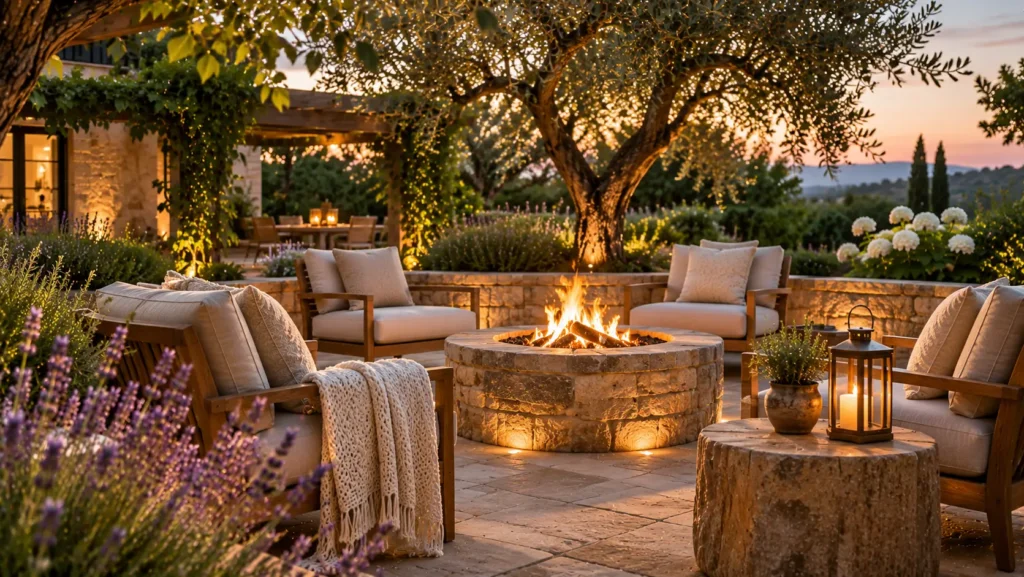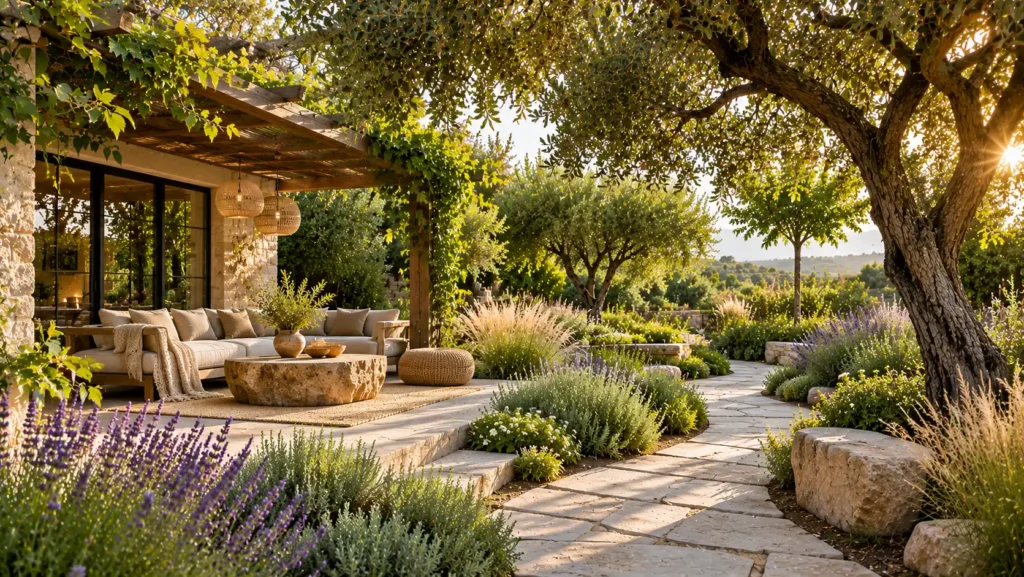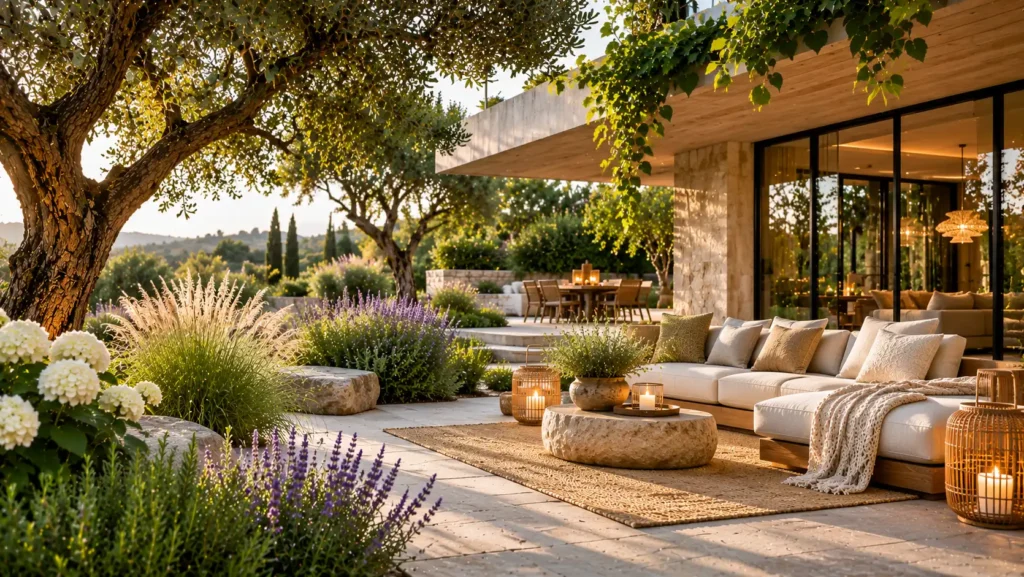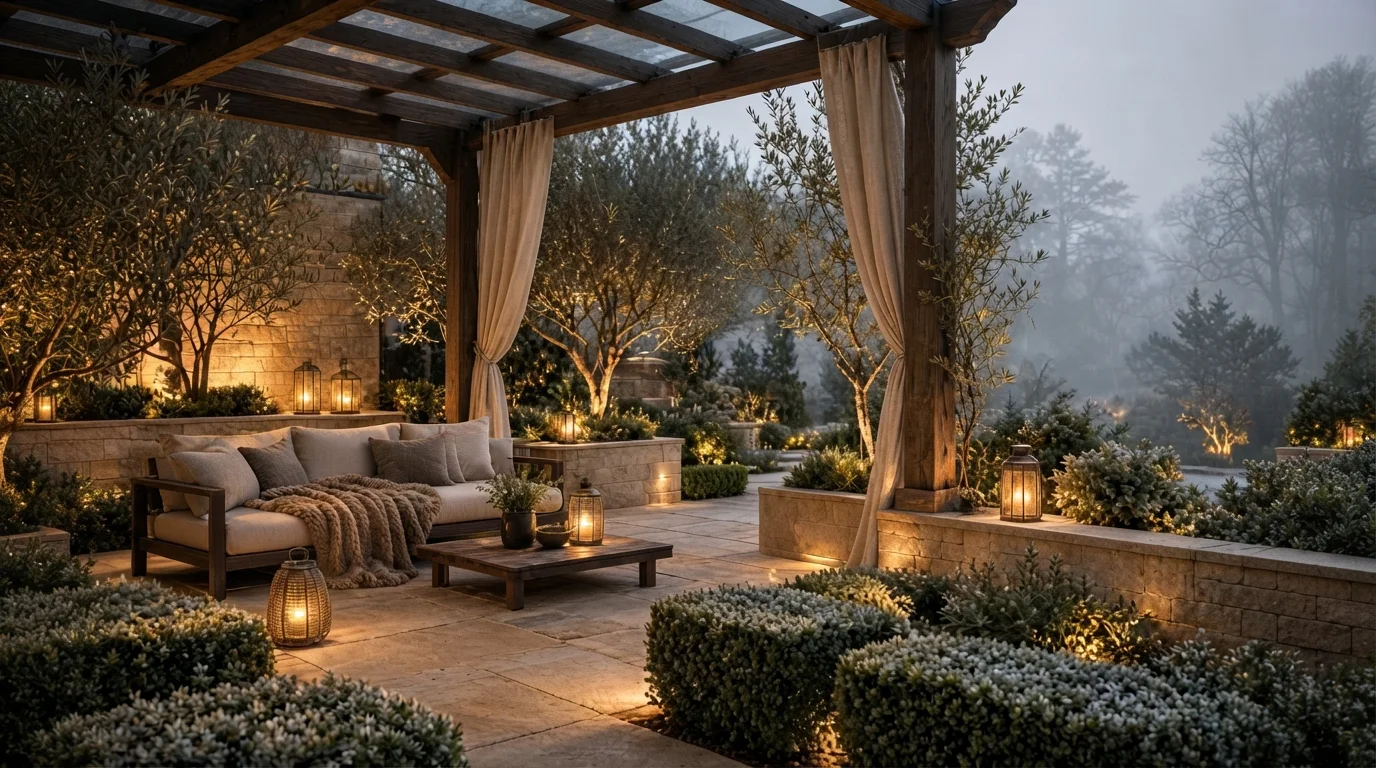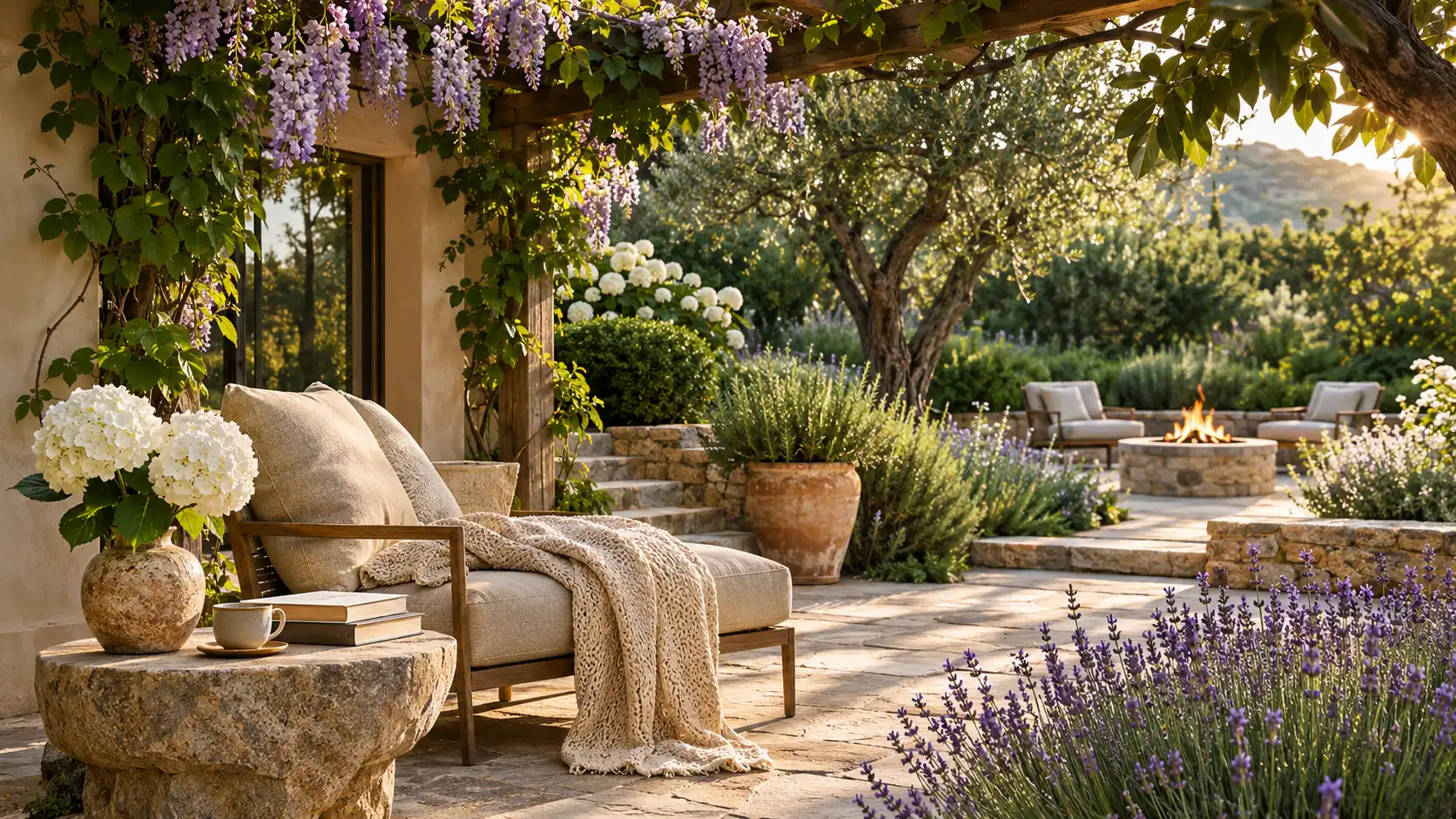
Imagine a garden where the morning begins with birdsong, the gentle scent of lavender, and sunlight filtering through the trees. There is no rush, no noise, and nothing demanding your attention. Just a peaceful place to enjoy the simple pleasure of being outdoors.
This is the beauty of quiet luxury. Instead of impressive fountains, elaborate decorations, or perfectly arranged lawns, today’s most thoughtful gardens focus on comfort, nature, and personal well-being. They offer something increasingly valuable in modern life: time to slow down.
Luxury garden design is moving toward a more personal approach. Homeowners want outdoor spaces where they can read, meditate, grow herbs, gather around a fire, or spend an afternoon doing absolutely nothing. Meanwhile, landscape architects are creating gardens that feel natural, welcoming, and deeply connected to their surroundings.
These landscapes are more than beautiful outdoor settings. They become part of everyday life, offering moments of peace that feel increasingly precious.
The History of Gardens as Places of Peace
The idea of creating gardens for relaxation is far from new. For centuries, people across different cultures have used outdoor spaces to escape daily pressures and find moments of calm.
In ancient Persia, gardens brought together water, trees, and shaded paths to create peaceful retreats. Their carefully planned layouts reflected ideas of harmony and paradise. Later, Roman villas included private courtyards where residents could enjoy fresh air, conversation, and quiet reflection.
Japanese gardens developed a different approach. Instead of filling every space with plants or decoration, designers used stones, moss, water, and empty areas to create balance. This philosophy encouraged visitors to appreciate small details and the beauty of simplicity.
Meanwhile, European monastery gardens offered peaceful settings for prayer, reading, and growing medicinal herbs. During the eighteenth century, English landscape gardens introduced winding paths, open lawns, and carefully arranged views that encouraged leisurely walks.
Although these traditions developed in different places, they shared an important belief: a garden should offer more than visual beauty. It should enrich the way people live and feel.
Today, luxury garden design draws inspiration from these historical ideas. However, contemporary designers adapt them to modern homes, changing lifestyles, and environmental needs.
How Luxury Garden Design Is Changing
Not long ago, many luxury gardens focused on making a strong first impression. Large lawns, decorative fountains, exotic plants, and perfectly trimmed hedges often represented wealth and prestige.
Today, priorities are changing. Homeowners increasingly value privacy, comfort, natural materials, and gardens that feel personal rather than formal.
This change also reflects how people use their homes. Outdoor areas now serve as places to work, exercise, enjoy family meals, or simply take a break from screens. As a result, landscape architects must think beyond appearance and consider how a garden supports daily routines.
For example, a beautiful terrace may look impressive in photographs. Yet if it receives intense afternoon sun and offers no shade, people may rarely use it. A smaller seating area beneath a mature tree could provide a much more enjoyable experience.
Successful luxury garden design considers several essential elements:
- Comfort: Seating, shade, and protection from wind make outdoor spaces more inviting.
- Privacy: Trees, hedges, and natural screens create peaceful areas without making the garden feel closed.
- Seasonal beauty: Different plants bring color, fragrance, and texture throughout the year.
- Natural materials: Stone, wood, and handcrafted details connect the garden with its surroundings.
- Personal use: Every space should support activities that matter to the people who live there.
Above all, a garden should feel welcoming. True luxury comes from creating a place where people genuinely want to spend time.
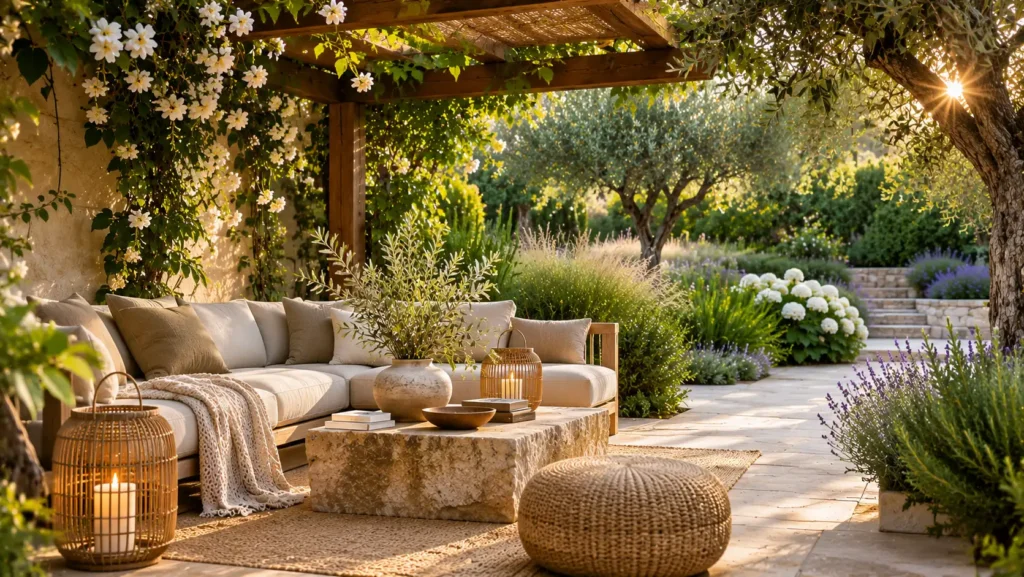
Slow Living: A Different Way to Experience the Outdoors
Slow living is not about doing nothing. Instead, it encourages us to give more attention to the moments that matter.
In a garden, this might mean enjoying breakfast outside without checking a phone, noticing the first flowers of spring, or watching the evening light change across a stone wall.
These simple experiences influence the way designers plan outdoor spaces. Rather than filling every corner with furniture or decorative features, they leave room for nature and quiet moments.
For instance, a winding path encourages people to walk slowly and explore. A small bench offers a place to rest. Fragrant plants near a doorway create a pleasant welcome each time someone enters the garden.
Sound also plays an important role. The movement of ornamental grasses, the gentle flow of water, and birdsong can make a garden feel more peaceful. In urban areas, dense planting and carefully placed walls may also help soften unwanted noise.
Research in environmental psychology suggests that spending time in natural settings can support attention restoration and reduce stress. Although gardens cannot replace other forms of health care, they can encourage healthier daily routines and more time outdoors.
Ultimately, slow living gives luxury garden design a deeper purpose. A garden becomes a place to experience life, not simply a landscape to admire.
Reading Gardens: Creating a Peaceful Escape
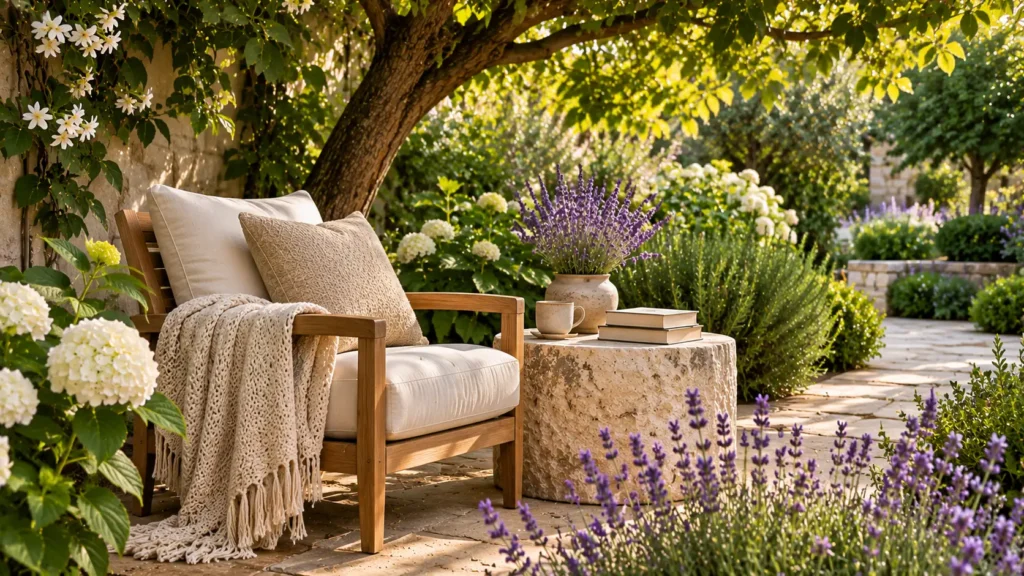
Few pleasures feel as timeless as reading a good book outdoors. A comfortable chair, gentle shade, and a quiet setting can turn an ordinary afternoon into something memorable.
That is why reading gardens are becoming an appealing feature of luxury residential landscapes.
Unlike large terraces designed for entertaining, reading gardens focus on intimacy and comfort. They often occupy a quiet corner, surrounded by trees, flowering plants, or low hedges.
However, creating a successful reading garden requires more than adding a chair.
Choosing the Right Location
Natural light is essential. A reading area needs enough daylight for comfort, but strong direct sunlight can create glare and excessive heat.
Therefore, designers often choose locations beneath deciduous trees, pergolas, or climbing plants. These elements provide shade while allowing the garden to remain open and connected to nature.
Furniture That Encourages Relaxation
Comfortable seating makes all the difference. Deep outdoor armchairs, teak benches with cushions, and weather-resistant loungers allow people to spend longer periods outside.
A small side table adds practical value by providing space for books, tea, or reading glasses.
Meanwhile, soft planting around the seating area creates privacy without blocking the view. Lavender, jasmine, and ornamental grasses can introduce fragrance and movement, although plant choices should always suit the local climate.
The result is a quiet retreat where reading becomes a daily pleasure rather than an occasional activity.
Sensory and Edible Gardens: A More Personal Connection with Nature
A beautiful garden appeals to the eyes. However, a truly memorable garden engages all the senses.
This idea lies at the heart of gardens with edible or sensory plants, where fragrance, texture, movement, and seasonal harvests become part of the outdoor experience.
Instead of separating decorative plants from productive areas, landscape designers increasingly combine them. Rosemary and thyme can grow beside stone paths, while fruit trees provide shade and structure. Lavender attracts pollinators, and flowering herbs introduce color throughout the warmer months.
These gardens encourage people to interact with nature in simple, meaningful ways. Someone might pick fresh mint for tea, gather herbs for dinner, or enjoy the scent of jasmine during an evening walk.
Designing a Garden for the Senses
Different plants and materials can create distinct sensory experiences:
- Fragrance: Lavender, rosemary, jasmine, and scented roses add character to different garden areas.
- Touch: Soft grasses, smooth stones, and textured leaves invite closer contact.
- Sound: Moving grasses, rustling leaves, and small water features create gentle background sounds.
- Taste: Herbs, berries, citrus trees, and edible flowers connect the garden with the kitchen.
- Sight: Seasonal flowers, changing foliage, and layered planting keep the landscape interesting throughout the year.
Of course, designers must choose plants carefully. Climate, soil conditions, water availability, and maintenance requirements all influence long-term success. They should also identify edible species accurately and avoid potentially toxic plants in areas used by children or pets.
Beyond their sensory qualities, these gardens can support biodiversity. Flowering plants provide food for pollinators, while diverse planting creates habitats for insects and birds.
In this way, luxury garden design brings beauty and practical value together. The landscape becomes a living environment that changes with the seasons and rewards those who take the time to notice.
Outdoor Libraries: A Quiet Place for Books and Ideas
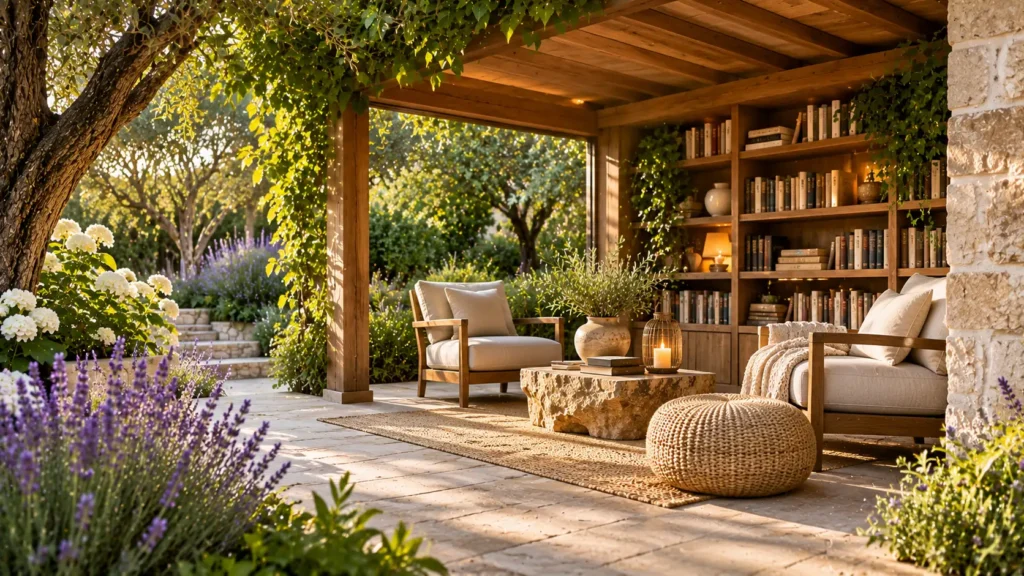
While reading gardens offer simple places to enjoy a book, outdoor libraries take the experience further. They create sheltered spaces where architecture, literature, and nature meet.
These areas often include a pergola, covered terrace, or small garden pavilion. Comfortable seating encourages long afternoons outdoors, while carefully planned lighting extends their use into the evening.
Some designs also feature built-in shelves or cabinets. However, books need reliable protection from moisture, insects, and temperature changes. For this reason, enclosed storage or a nearby indoor library often provides a more practical solution than permanently exposed shelving.
Natural materials help these spaces blend into the landscape. Timber structures bring warmth, stone floors offer durability, and climbing plants soften architectural lines.
Moreover, outdoor libraries can support different activities. A quiet morning might begin with reading, while the same space could later welcome writing, sketching, or thoughtful conversation.
The best designs avoid unnecessary decoration. Instead, they create an atmosphere where people feel comfortable staying for hours.
Meditation Corners: Finding Calm in a Busy World
Modern life rarely offers complete silence. Between work, family responsibilities, and constant digital communication, finding time to disconnect can feel difficult.
A thoughtfully designed garden can help create that opportunity.
Meditation corners provide small, private spaces for reflection, breathing exercises, gentle stretching, or simply sitting quietly. They do not need to be large or elaborate. In fact, simplicity often makes them more effective.