A memorable hotel begins long before its first guest arrives. It takes shape through material choices, thoughtful lighting, comfortable furniture, and the systems that allow service to feel effortless. DecorHotel Porto brings these decisions into one professional setting, connecting the people who imagine hospitality spaces with the companies that help deliver them.
For architects, interior designers, hotel owners, and developers, this annual event offers an opportunity to examine hospitality from several perspectives at once. Among specialist trade fairs, its appeal lies in the relationship between design and daily operation. A beautiful room matters, but so do the durability of its finishes, the clarity of its controls, and the ease with which staff can maintain it.
The upcoming Porto edition takes place in November 2026. This guide combines confirmed practical information with previous edition context and an editorial perspective on what deserves attention. Information reflects official sources reviewed on October 20, 2026. Where the organizer has not published details, the distinction appears explicitly.
DecorHotel Porto Details
DecorHotel Porto 2026 runs from November 4 to 6 at EXPONOR, in Matosinhos, from 10:00 a.m. to 7:00 p.m. daily. Exposalão identifies it as the ninth edition of its professional exhibition for hotel design, construction, decoration, equipment, products, and services. Admission targets industry professionals and requires registration.
Tradeshow: DECORHOTEL, Porto 2026.
Edition: Ninth edition of the DECORHOTEL series.
Dates: Wednesday, November 4, through Friday, November 6, 2026.
Location: EXPONOR, Matosinhos, Porto metropolitan area, Portugal.
Opening hours: 10:00 a.m. to 7:00 p.m., local time.
Next announced Porto edition: November 4–6, 2026. The official pages reviewed do not confirm dates for a subsequent Porto edition.
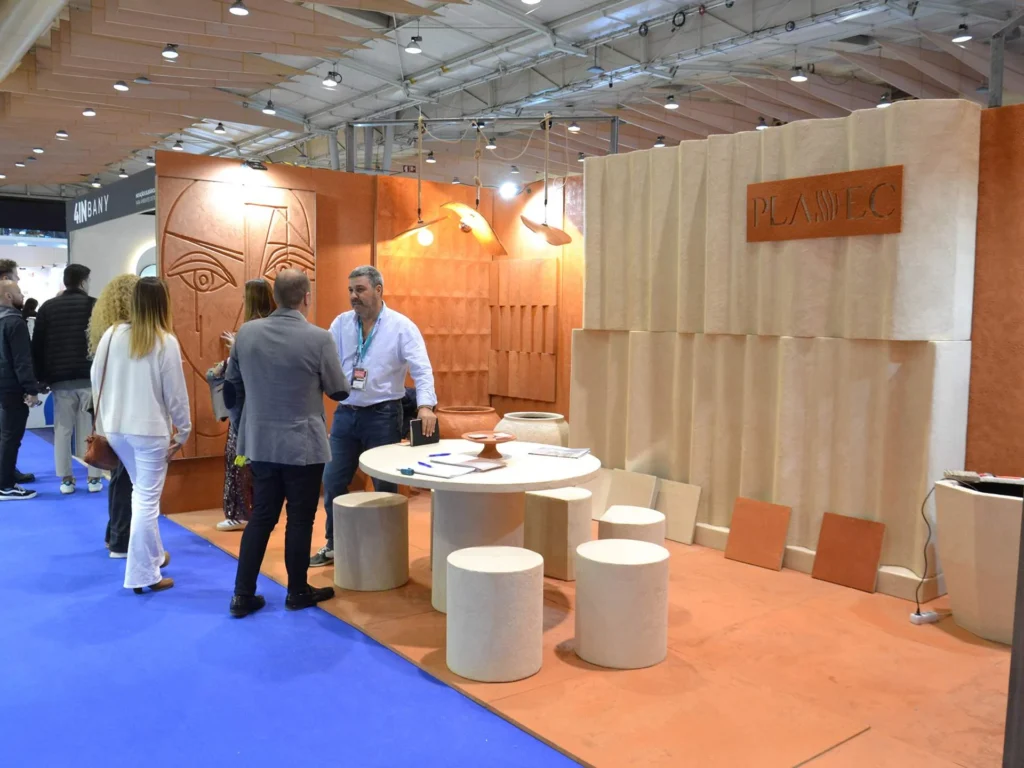
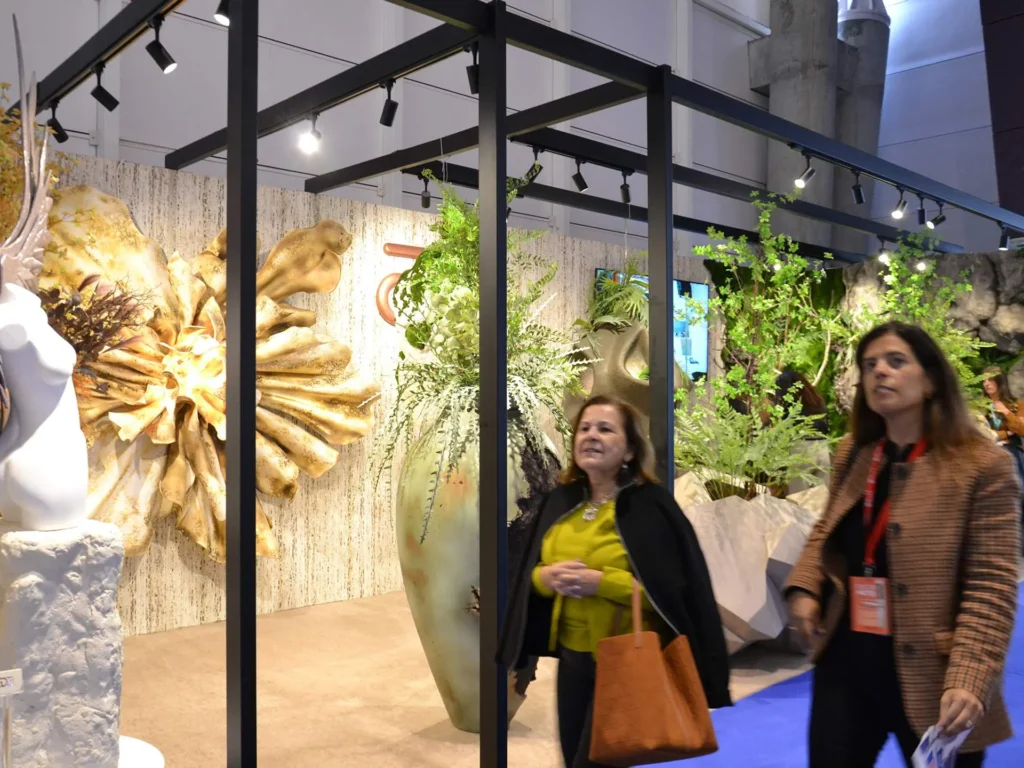
Sculptural surfaces and warm tones at DecorHotel offer inspiration for distinctive hospitality interiors. Image credit: Exposalão / DECORHOTEL.
An Annual Event with a Changing Host City
DECORHOTEL operates as an annual event series, but visitors should distinguish the series from its Porto editions. The organizer’s archive records the seventh edition at EXPONOR on October 24–26, 2024, followed by the eighth edition at FIL in Lisbon on November 20–22, 2025. The 2026 fair returns to Porto.
This distinction matters when comparing trade fairs or making travel plans. An earlier Porto schedule does not establish the dates, weekday pattern, or program of the next edition. Likewise, a listing for Lisbon should not guide accommodation bookings for Matosinhos. Always match the city, year, and venue before committing.
Previous Edition Context
The 2024 Porto edition and the 2025 Lisbon edition provide historical context for the annual event. Their speakers, stand locations, registration links, and schedules do not automatically carry forward to 2026.
Where Design Meets Hotel Operations
The organizer’s stated exhibition scope includes architecture, interiors, construction, textiles, equipment, technology, amenities, outdoor furniture, lighting, signage, and professional services. Its published positioning also highlights technological tools for the future of tourism. These categories explain why the fair reaches beyond decorative products.
For a designer, that breadth creates useful connections. Upholstery affects both visual character and cleaning routines. Lighting influences atmosphere, navigation, and maintenance. Outdoor furniture must support a design concept while responding to exposure, storage, and regular use.
The most productive approach to trade fairs therefore begins with a project question. Perhaps a hotel needs to refresh its guest rooms without replacing every item. A developer may need suppliers who can coordinate several properties. An independent owner might seek a more distinctive identity within a carefully controlled budget.
Each brief changes the conversation. Instead of asking only what is new, ask what solves the problem, how it performs, and who supports it after installation.
Why the Fair Matters to Design Conscious Owners
For private investors developing boutique hotels or hospitality properties, the annual event can help connect aesthetic ambition with practical delivery. However, wealth or an interest in interiors does not itself establish professional eligibility. Prospective visitors should explain their hospitality role when seeking admission.
From an editorial perspective, the most compelling luxury spaces make thoughtful decisions feel natural. A chair supports a long conversation. A bedside light allows reading without disturbing another guest. Materials develop character without demanding constant replacement.
Trade fairs offer a useful place to investigate these details in person. Photographs communicate mood, but a physical sample reveals texture, weight, edge treatment, and construction. Those qualities often determine whether a promising concept becomes a convincing interior.
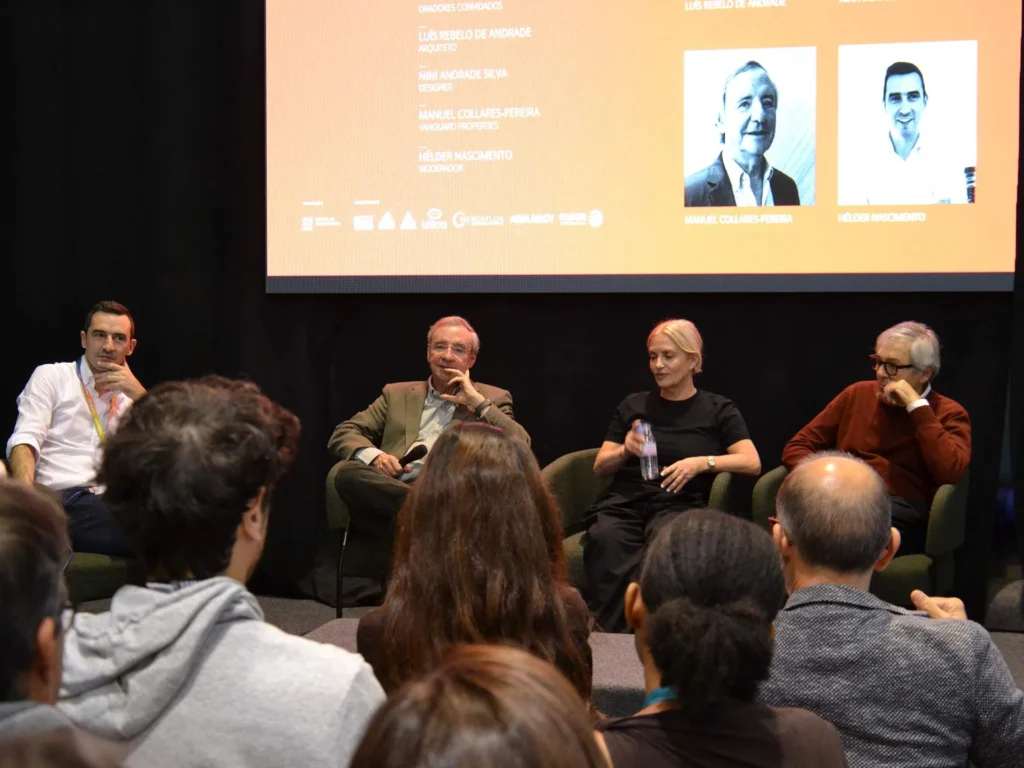
A panel discussion at a previous DecorHotel edition brings professional perspectives into the hospitality design conversation.
Meet the Speakers
A confirmed 2026 speaker roster was not available in the official event pages reviewed. Accordingly, the professionals below belong to documented 2024 Porto programming. Their inclusion offers context for the annual event’s discussions, not confirmation of a forthcoming appearance.
Previous Porto Edition: Documented Participants
The official e-GDS DecorHotel 2024 page identifies the following participants in a hospitality cybersecurity discussion. Titles below reflect that historical announcement:
These are historical affiliations and roles, not a verified 2026 lineup. The company’s archived announcement confirms their participation in the 2024 program.
Why These Perspectives Matter to Architects and Designers
Cybersecurity may seem distant from furniture, finishes, and spatial planning. Yet hospitality projects increasingly require design teams to coordinate physical spaces with digital services. Check in areas, payment points, and connected room features all create questions that extend beyond appearance.
For this reason, the most useful speakers at trade fairs do more than introduce products. They explain how decisions affect guests, employees, maintenance teams, and owners. Their experience can reveal conflicts before those conflicts reach a completed building.
A designer might ask whether a digital interface remains intuitive for someone arriving late after a long flight. An operator may question how staff continue working during a service interruption. A developer could examine the implications of replacing a system after several years.
These are editorial questions to bring to the annual event. They are not claims about what the historical speakers said or what the 2026 program will cover.
Listen for Evidence, Not Only Vision
A useful presentation connects an idea to a real decision: what changed, who benefited, what it cost to maintain, and what the project team would do differently.
How to Assess the Forthcoming Lineup
Once the organizer releases further information, review each speaker’s role alongside the session topic. A manufacturer can explain production constraints. A hotel operator can discuss service demands. An architect can describe the compromises that shaped a completed project.
At specialist trade fairs, these perspectives complement one another. However, a compelling biography does not guarantee a relevant session. Choose discussions that address a live question in your own work, then prepare one concise question that invites a concrete answer.
Before booking around a particular appearance, verify the speaker, company, date, session language, and access conditions through the official event channels. The annual event’s exhibition registration may not establish admission to every separately organized activity.
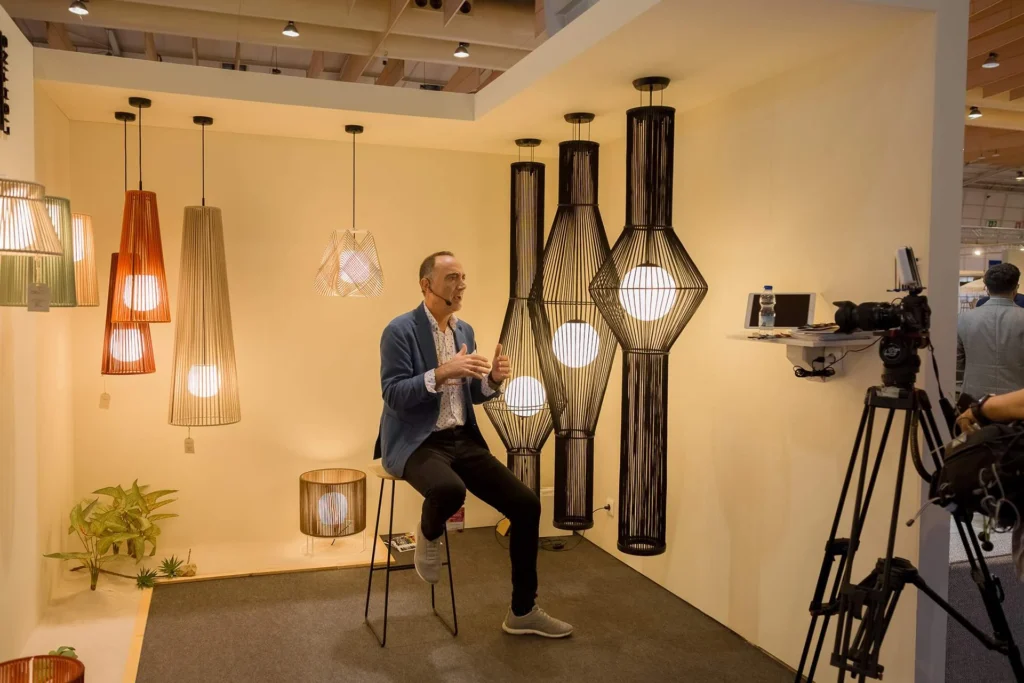
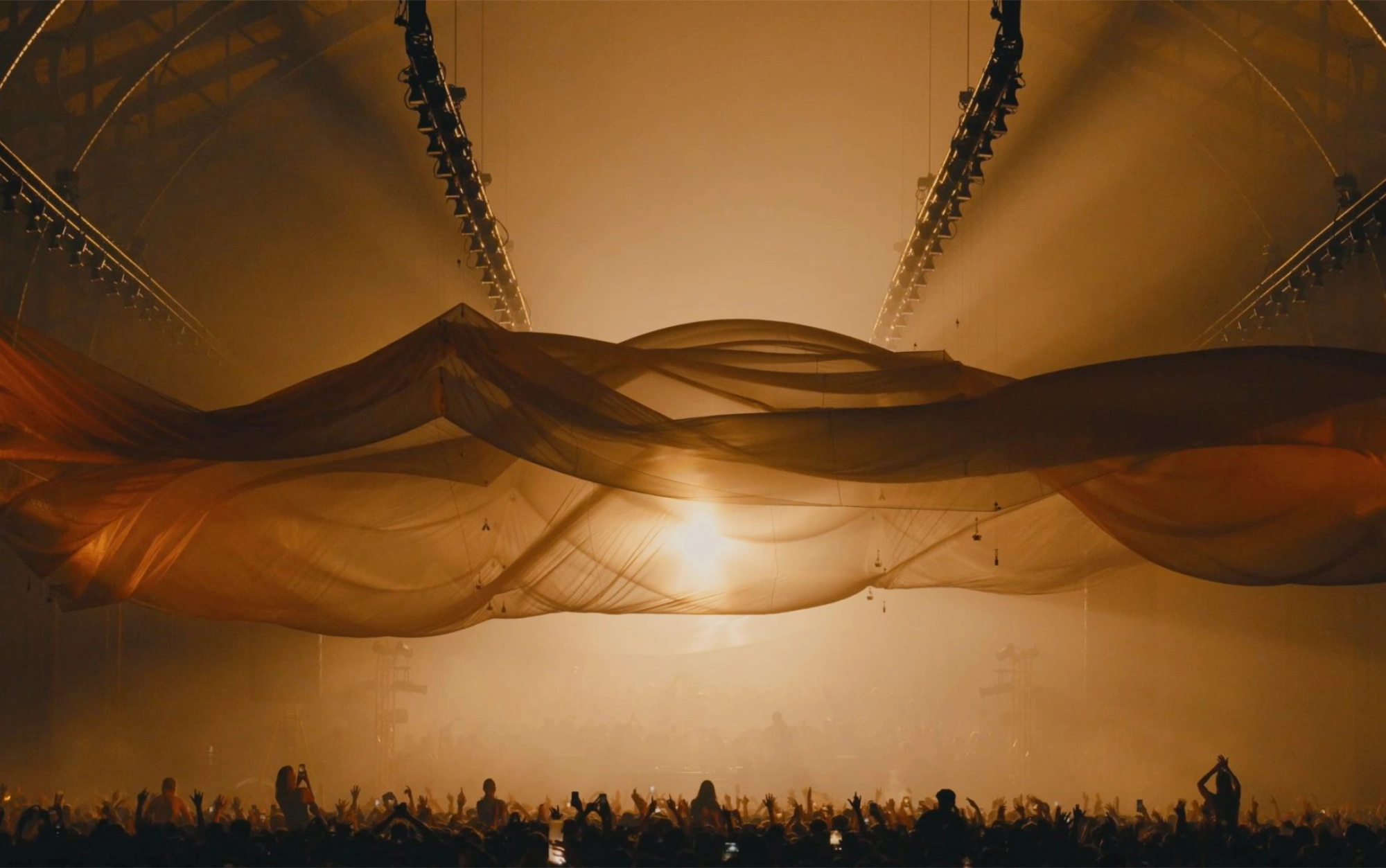
Sculptural lighting at a previous DecorHotel edition offers inspiration for creating atmosphere in hospitality interiors.
DecorHotel Porto Talks and Program
What the Organizer Currently Confirms
The official visitor information describes lectures, workshops, and presentations among the reasons to attend. However, the pages reviewed do not provide a confirmed 2026 timetable with named speakers, session titles, room assignments, or language arrangements. Treat these formats as advertised activities, not a finalized agenda.
For anyone comparing trade fairs, this distinction prevents a common planning mistake. A broad promise of knowledge exchange does not establish that a specific subject will appear on stage. Keep your schedule flexible until the organizer publishes session level details.
A Documented 2024 Talk: Cybersecurity in Hospitality
The 2024 Porto program included an ADHP conference on the importance of cybersecurity in hospitality’s future. The published participants were Ana Sofia Castelo of e-GDS and Nuno Azevedo of REDUNIQ, with António Melo of ADHP as moderator. This is previous edition context only.
The subject illustrates a broader editorial point: hospitality quality depends on systems that guests may never notice when everything works well. Comfort includes confidence, clarity, and reliable service. Design teams benefit from understanding the operational environment around their work.
An Editorial Agenda for Your Visit
The following themes form a suggested framework for exploring the annual event. They are not announced 2026 talks. Use them to structure supplier meetings, evaluate demonstrations, and decide which future program announcements deserve your attention.
1. Materials That Retain Their Character
Hospitality interiors face repeated cleaning, luggage impacts, spills, and frequent use. A finish that looks convincing on opening day must also suit the property’s maintenance resources. At trade fairs, examine surfaces closely and ask how the supplier handles damage, repairs, and replacement orders.
For bespoke furniture, discuss tolerances, sample approval, and the consistency of later production. Natural variation can enrich a room, but the design team should define acceptable differences before placing an order. A clear sample process protects both creative intent and delivery expectations.
Questions for Material Suppliers
Which cleaning methods suit the proposed finish?
Can the team replace individual components?
What documentation supports the product’s intended use?
How does the supplier manage future matching or replacement?
What to Record
Save the product reference, finish code, sample status, and responsible contact. Notes such as “warm oak” or “soft beige fabric” rarely provide enough detail for reliable follow up after trade fairs.
The Specialists in Bespoke
Turn your Designs into Reality with Nolita Harbour
Assess technology through realistic situations. Can a guest understand the controls without instructions? How does the system behave when connectivity fails? Who provides support, and what responsibilities remain with the hotel?
The annual event offers a setting for these conversations, but a demonstration should begin a review rather than conclude it. Ask suppliers to explain integration requirements and ongoing charges. Bring the relevant technical specialist into later discussions before making commitments.
3. Outdoor Areas with a Clear Operational Purpose
A terrace, courtyard, or poolside setting should work as part of the property’s overall experience. Consider seating comfort, circulation, shade, storage, and staff access together. A visually elegant arrangement loses value if employees must repeatedly move furniture to serve guests.
When attending trade fairs, examine how outdoor pieces stack, drain, and move. Discuss exposure conditions rather than relying on a general description of suitability. Also consider whether replacement cushions and components will remain available.
4. Responsible Purchasing with Specific Evidence
Environmental language becomes more useful when it identifies a measurable attribute. Ask about material origin, manufacturing information, repair options, and the scope of any certification. A claim about one component does not necessarily describe the complete product.
The annual event can help teams compare these answers across suppliers. Nevertheless, avoid making purchasing decisions from a label alone. Request supporting documents and assess them against the project’s actual requirements.
5. Distinctive Interiors without Unnecessary Complexity
A hotel does not need every element to make a statement. Strong interiors often establish a few memorable features and support them with quieter, durable choices. This approach can also simplify purchasing and maintenance.
At trade fairs, separate signature pieces from repeatable essentials. A sculptural reception desk may justify extensive development, while guest room hardware may benefit from standardization. The design challenge lies in making both choices feel coherent.
Turn the Program into a Working Itinerary
Build your visit around three activities: targeted meetings, open exploration, and any confirmed sessions relevant to your brief. Leave time between them. Conversations often reveal better questions than those you brought into the building.
Before leaving the annual event, identify a small number of next steps. Request a sample, arrange a technical call, or clarify a quotation. The lasting value of trade fairs comes from how well teams convert discovery into informed action.
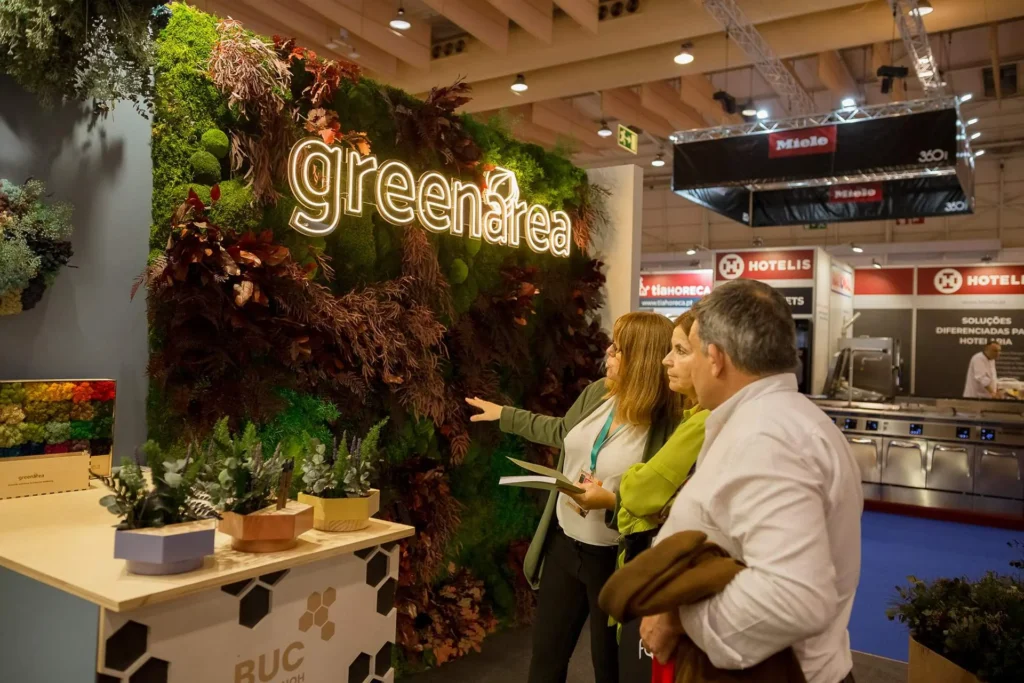
Botanical textures at DecorHotel offer inspiration for bringing natural character into hospitality interiors. Image credit: Exposalão / DECORHOTEL.
How to Register for DecorHotel Porto
Visitor Registration
Professional visitors must register. The organizer instructs each person to use a different email address because its platform does not accept multiple registrations under the same address. Start through the official visitor information page to reach the current registration route.
Confirm the edition. Check that the page refers to Porto 2026.
Enter your professional details. The current form requests information including name, email, company, VAT number, phone, and city.
Follow the invitation code instruction. The form says to enter 0 if you do not have a code.
Read the data use terms. The form includes marketing provisions and information about sharing data with the company associated with an invitation code.
Complete registration and retain the resulting instructions. Check any confirmation carefully before traveling.
The registration form linked by the organizer provides the current fields and conditions. International applicants who cannot complete a required field should contact the organizer rather than enter inaccurate information.
For teams attending several trade fairs, appoint one person to coordinate travel while allowing each colleague to complete their individual registration. This helps keep names, professional details, and contact permissions accurate.
Exhibitor Registration
Companies should begin with the official exhibition space inquiry form. It requests company and contact details, products to display, desired space, and stand configuration. An inquiry does not itself confirm a stand booking.
Before submitting, prepare a brief that explains your offer and the visitors you hope to meet. Specify whether you need room for furniture settings, working demonstrations, product samples, or private discussions. These requirements influence the suitability of the proposed space.
As with other trade fairs, request a written quotation that identifies inclusions and additional charges. Clarify stand construction, utilities, freight handling, insurance, cleaning, and dismantling responsibilities before approving expenditure.
Who Is the Event Looking For?
The organizer identifies manufacturers, importers, and representatives as its exhibitor audience. On the visitor side, its professional focus includes hoteliers, hotel directors, architects, engineers, interior designers, and hospitality related construction and service professionals.
For an exhibitor, relevance matters more than presenting a large collection. Show how your offer answers a hospitality need. A focused selection, supported by clear technical information, can make a stronger impression than a stand filled with unrelated products.
The annual event also calls for a different conversation from a consumer showroom. Buyers may need quantities, delivery sequencing, installation details, and ongoing support. Prepare staff to discuss these subjects with the same confidence as design and materials.
Tips Before Registering
Define your purpose: Decide whether you need suppliers, technical knowledge, market comparisons, or specific project solutions.
Check eligibility: Confirm professional admission if your role does not fit the published visitor categories.
Review current conditions: Do not reuse invitation codes or assumptions from previous trade fairs.
Separate access requirements: Ask whether any future conference or workshop requires an additional booking.
Prepare a compact project brief: Include intended use, approximate quantities, budget parameters, and delivery expectations.
Confirm unresolved details: Obtain written answers where travel or exhibition spending depends on them.
The reviewed public pages do not establish a registration cutoff or a complete visitor fee schedule. They also do not provide a universal exhibitor application deadline. Contact Exposalão for current conditions rather than assuming registration will remain available until arrival.
Sculptural accents and botanical arrangements at DecorHotel inspire distinctive hospitality interiors. Image credit: Exposalão / DECORHOTEL.
Frequently Asked Questions
When and Where Does DecorHotel Porto Take Place?
The confirmed dates are November 4–6, 2026, at EXPONOR in Matosinhos. The annual event opens from 10:00 a.m. to 7:00 p.m. each day. Check the official page again before departure for any updates.
Is This Annual Event Always in Porto?
No. Recent official archives show Porto in 2024 and Lisbon in 2025, followed by Porto in 2026. The annual event series and its individual host city editions are different planning references. Future Porto dates beyond 2026 remain unconfirmed in the official material reviewed.
What Is the Registration Deadline?
No registration deadline appears in the reviewed visitor information. Register ahead of your trip and contact the organizer if you need a firm cutoff. Exhibitors should separately confirm remaining space, booking deadlines, payment dates, and technical submission requirements.
Is Visitor Admission Free?
The reviewed pages explain professional registration but do not establish a complete admission price policy. Therefore, do not assume that every visitor category or additional activity is free. Check the current form and ask the organizer about any charge before confirming your plans.
Can Members of the Public or Children Attend?
The organizer restricts entry to industry professionals and states that children under 12 cannot enter. That age rule does not automatically make older children eligible. Anyone considering attendance outside a clear professional role should request clarification first.
Where Should International Visitors Stay?
Choose accommodation around your working schedule. A location near EXPONOR may simplify repeated venue visits, while a central Porto base may suit evening meetings and cultural time. Compare the actual route to the exhibition entrance rather than distance alone.
One nearby option is the Holiday Inn Express Porto Exponor, which describes its location as approximately 100 meters from the venue. This is an independent accommodation reference, not a confirmed official event hotel or negotiated rate. Verify availability and cancellation terms directly.
No official accommodation package was identified in the event pages reviewed. As with other trade fairs, flexible booking terms can help when meetings or attendance plans change.
Is Parking Available at EXPONOR?
Yes. EXPONOR lists approximately 2,250 parking spaces on its official venue page, which also links to parking prices. Event specific parking arrangements, included parking, and any special allocation for attendees remain unconfirmed in the reviewed event information.
Allow extra arrival time and distinguish visitor parking from exhibitor loading access. If you plan to collect bulky samples, ask about collection procedures before assuming you can bring a vehicle close to a stand.
Is the Venue Accessible?
EXPONOR’s venue information identifies designated reduced mobility spaces in its auditorium. However, this does not establish every access arrangement for the exhibition layout. The reviewed event pages do not provide a complete 2026 accessibility guide.
Contact the venue and organizer about step free routes, accessible restrooms, parking, seating, and any assistance you require. Request confirmation for the specific halls and activities you intend to visit. Clear advance information makes attendance at trade fairs easier to plan.
How Do Visitors Reach the Venue?
The organizer gives the address as Avenida Dr. António Macedo, 574, Leça da Palmeira, 4454-515 Matosinhos. Its travel information page lists STCP bus routes 601 and 507 and describes metro connections requiring onward bus travel. Confirm current routes and timetables before departure.
Will Talks Take Place in English?
Session languages and interpretation arrangements remain unconfirmed in the reviewed 2026 information. International visitors should ask about individual sessions once the timetable appears. Likewise, arrange important supplier meetings in advance if you need a particular working language.
How Much Time Should I Allow?
As an editorial planning suggestion, allow one full day for a focused brief and consider a second day for several product categories or detailed meetings. This is not an official recommendation. Your project scope should determine the time you assign to the annual event.
Trade fairs reward selective attention. A manageable schedule leaves room to inspect samples, compare answers, and revisit a promising supplier without rushing the conversation.
Which Exhibitors Should I Expect?
Use the organizer’s 2026 exhibitor list page as your starting point, then verify individual participation before scheduling meetings. A company’s appearance in a previous edition directory does not confirm its return.
What Should I Bring?
Carry your registration confirmation, identification, charged phone, and a concise project brief. For sourcing work, include relevant dimensions, reference images, and a structured note template. Ask permission before photographing stands or detailed product features.
After trade fairs, organize contacts by next action rather than by the order in which you collected them. A clear request for a sample or technical document is easier to progress than a general reminder to reconnect.
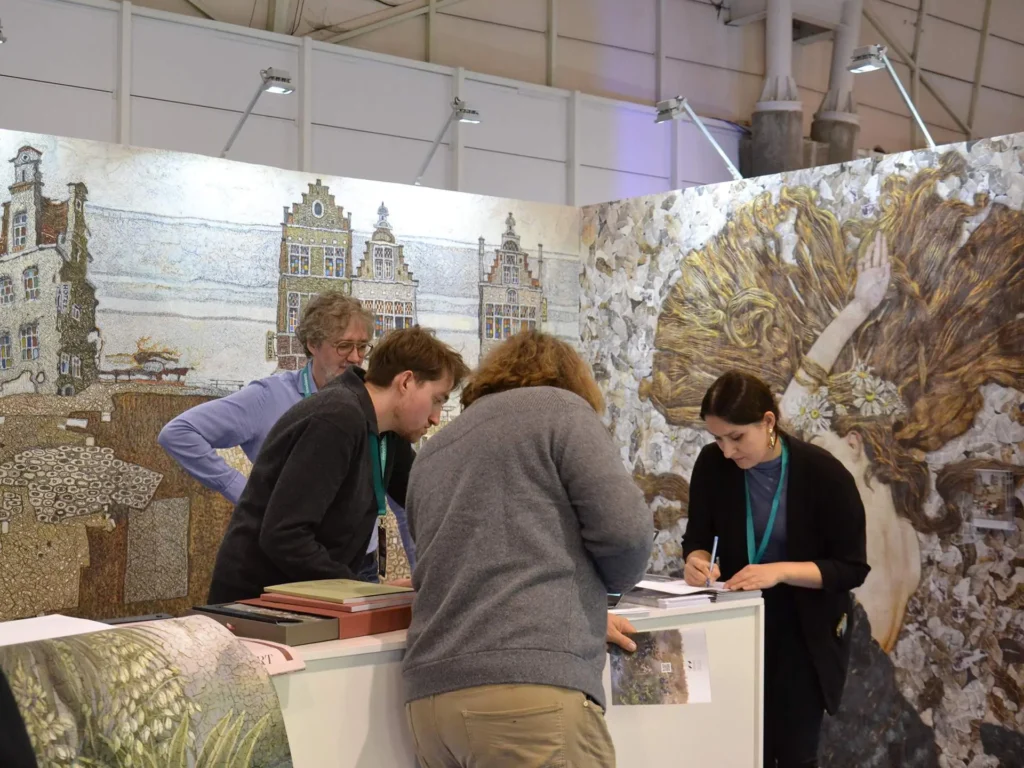
Artistic wallcoverings at DecorHotel offer inspiration for hospitality interiors with a distinctive visual identity. Image credit: Exposalão / DECORHOTEL.
Looking Ahead to DecorHotel Porto
DecorHotel Porto offers a useful setting for examining the relationship between hospitality’s visible character and its underlying performance. The confirmed November dates provide a practical starting point. Further announcements will determine the precise shape of the talks and supporting activities.
For architects and designers, the annual event invites closer attention to how materials, furniture, lighting, and technology work together. For owners and developers, it offers a chance to test whether a design ambition has the supply, maintenance, and operational support it needs.
The strongest approach to trade fairs combines curiosity with judgment. Explore unfamiliar ideas, but ask precise questions. Appreciate craftsmanship, then investigate repair. Consider a new system, then examine how people will use it under ordinary conditions.
Lasting hospitality quality comes from decisions that remain convincing after the opening photographs: comfortable spaces, dependable details, and materials that support everyday use.
Approached with that perspective, this annual event can become more than a sourcing appointment. It can help project teams define what deserves investment, what requires further testing, and what will give a property its enduring identity. That is where trade fairs offer their most meaningful contribution to thoughtful design.
World Architecture Festival 2026: Dates, Speakers & Guide
Manage Consent
To provide the best experiences, we use technologies like cookies to store and/or access device information. Consenting to these technologies will allow us to process data such as browsing behavior or unique IDs on this site. Not consenting or withdrawing consent, may adversely affect certain features and functions.
Functional
Always active
The technical storage or access is strictly necessary for the legitimate purpose of enabling the use of a specific service explicitly requested by the subscriber or user, or for the sole purpose of carrying out the transmission of a communication over an electronic communications network.
Preferences
The technical storage or access is necessary for the legitimate purpose of storing preferences that are not requested by the subscriber or user.
Statistics
The technical storage or access that is used exclusively for statistical purposes.The technical storage or access that is used exclusively for anonymous statistical purposes. Without a subpoena, voluntary compliance on the part of your Internet Service Provider, or additional records from a third party, information stored or retrieved for this purpose alone cannot usually be used to identify you.
Marketing
The technical storage or access is required to create user profiles to send advertising, or to track the user on a website or across several websites for similar marketing purposes.